
Herr Prop-Wasche
-
Posts
1,875 -
Joined
-
Last visited
Content Type
Profiles
Forums
Gallery
Downloads
Store
Everything posted by Herr Prop-Wasche
-
Engine damage questions
Herr Prop-Wasche replied to DukeIronHand's topic in WOFF UE/PE - General Discussion
Thank you guy's for your comments and observations. All is appreciated. I'm particularly happy about your questions regarding the fueltank. Whenever I release any of my damage mods, I always consider them to be works in progress. With the Ultimate DM, one of the areas that I was still unsure of was the damage to the fuel tanks. I gather that many of you feel that the fuel tanks get punctured too easily in the current version of the DM? Does it apply to all aircraft or just some? I can make adjustments to some or all of the aircraft to lessen the number and/or severity of the fuel leaks, if desired. -
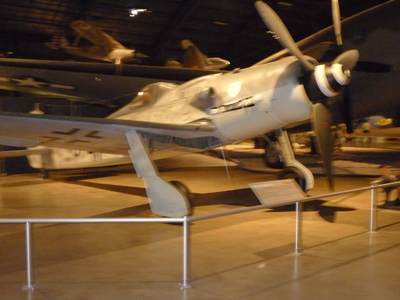
Sorry that my shot of the Dora was a bit shaky. I get a little nervous in the shadow of greatness!
-
P4 DEVELOPMENT SCREENSHOTS
Herr Prop-Wasche replied to Polovski's topic in WOFF UE/PE - General Discussion
-

From the album: Miscellaneous
-
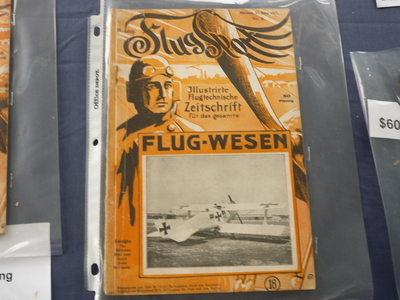
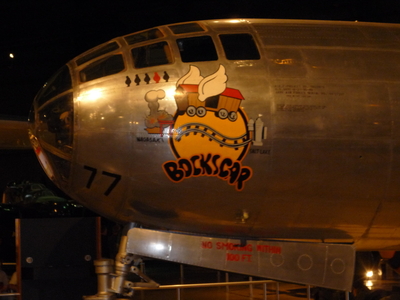
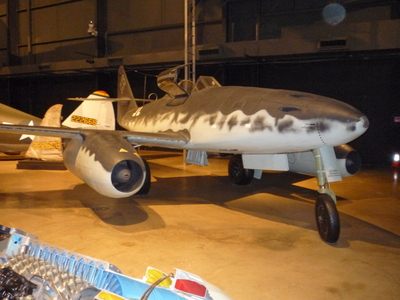
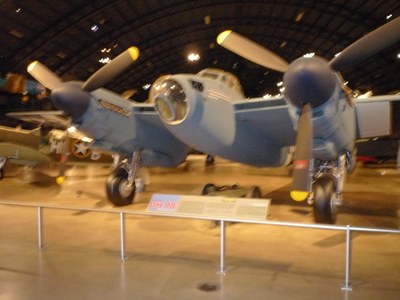
Here are a few shots of some WWII airplanes. Mosquito Focke Wulf 190 Dora Me 262 B-29 "Boxcar" The plane that dropped the second atomic bomb on Nagasaki For Olham, an original of the German magazine "Flugsport," produced during the war, reporting on the exploits of various aces and aircraft. You can have one of these for the mere price of $60!
-
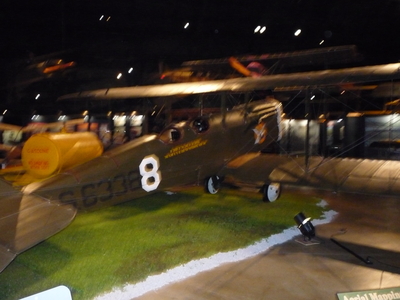
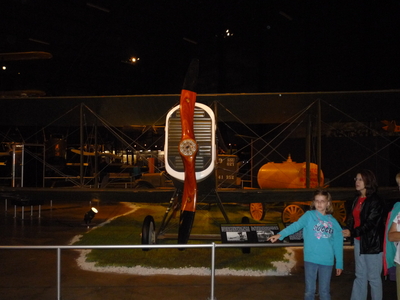
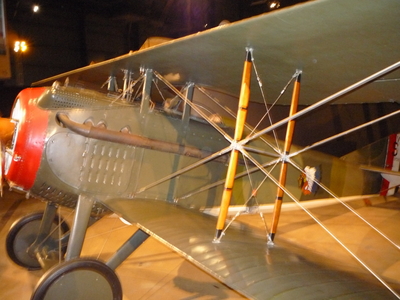
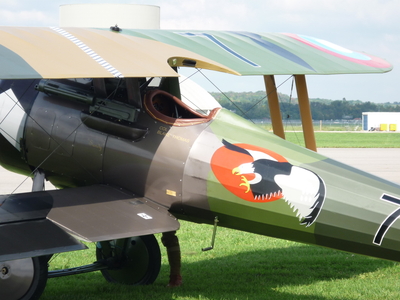
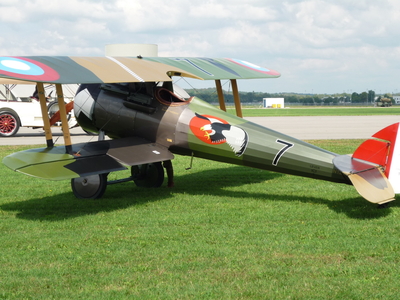
Here are some from inside the museum DH-4 (Sorry, first one is a little blurry) Spad VII Spad XIII I noticed that the wings of the Spad XIII are higher than the wings on the Spad VII, giving it what appears to me to be a little better view forward from the cockpit than in the Spad VII. I agree that the forward view from the Spad VII is terrible, but the view in the Spad XIII seems to be improved.
-
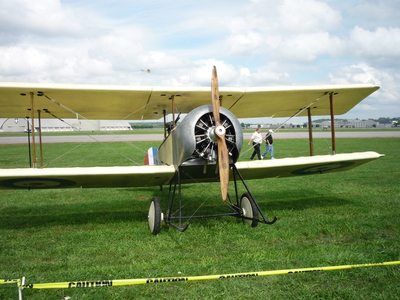
Here's a few of a non-flyable, but full-scale, Morane Saulnier AI. Wikipedia reports that these aircraft were fast, with a top speed of 140 mph. They flew for the following Escadrilles: 156, 158, and 161 in early to mid 1918 before they were replaced by the Spad XIII--supposedly because of wing failure problems. Which makes me wonder--The Fokker D VIII had the same problem. I wonder if some of these reports of wing failures were made by pilots who felt a little skiddish about flying a one-winged aircraft. I mean, two or three winged planes lost wings too. Perhaps the loss of a wing in many cases was the result of battle damage and overstress, rather than simple design deficiencies. Something to ponder, at least.
-
P4 DEVELOPMENT SCREENSHOTS
Herr Prop-Wasche replied to Polovski's topic in WOFF UE/PE - General Discussion
If immersion makes certain parts of your anatomy tingle, then two words from Winder's post make me absolutely giddy: Yahoo! -
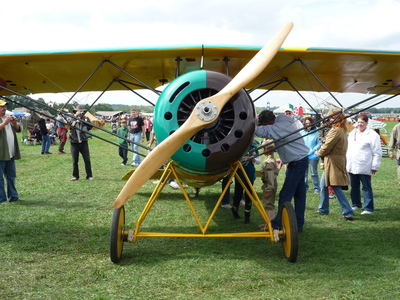
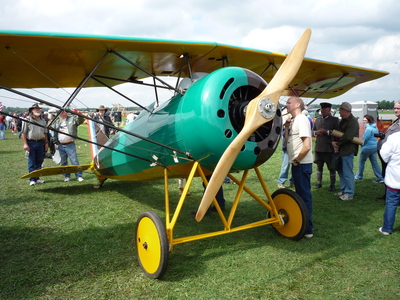
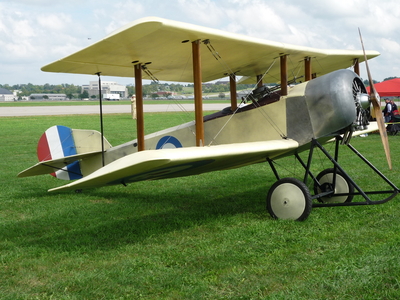
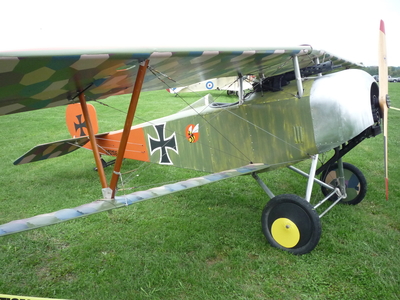
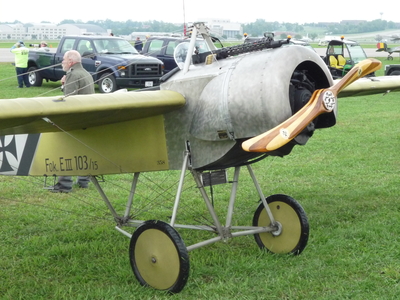
N28 This is a full-scale reproduction, not 7/8 scale N28 and E III Here is a Nieuport 12, although I'm not entirely confidant of the quality.
-
I was surprised by the thickness of the wings on most of the planes myself. Since these are 7/8 scale reproductions (no rotaries,etc.) I'm wondering if the wings are modern airfoils to give better and safer performance in the air? Watching several of the aircraft in flight, I noticed that all of them climbed at very shallow angles--no more than 20 or 25 degrees or so. None of these planes could "hang on their prop." They could easily gain 100 feet or so, but any more than that and the craft began to slow down significantly, so the pilot had to level out and gain speed again before climbing again. More pictures coming.
-
More... Sopwith Baby Sopwith Baby Unknown German Halberstadt?
-
Let's see how this works....
-
-
-
From the album: WWI Fly In
-
From the album: WWI Fly In
-
From the album: WWI Fly In
-
From the album: WWI Fly In
-
From the album: WWI Fly In
-
From the album: WWI Fly In
-

From the album: WWI Fly In
-

From the album: WWI Fly In
-
From the album: WWI Fly In
-
From the album: WWI Fly In
-
From the album: WWI Fly In
-
From the album: WWI Fly In