


allenjb42
-
Posts
15,244 -
Joined
-
Last visited
-
Days Won
58
Content Type
Profiles
Forums
Gallery
Downloads
Store
Everything posted by allenjb42
-
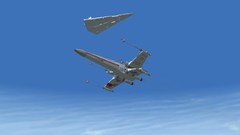
From the album: SF2 What-If/Sci-Fi
-
Somewhere off the coast of Lebanon.
-
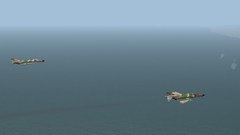
From the album: SF2 Israel
-
There are some good valleys and canyons in these terrains that I regularly fly training missions over: Photo Real UK Terrain V2. - Full Terrains - CombatACE Southwest United States for SF2 - Full Terrains - CombatACE Also the Desert 4 terrain and it's various updates has a great , really deep and twisty canyon in the south near a Parani nuclear facility that's just perfect for a Top Gun: Maverick style mission to take it out!
-
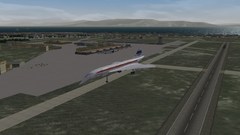
From the album: SF2 Civilians
-
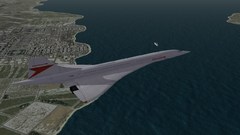
From the album: SF2 Civilians
-
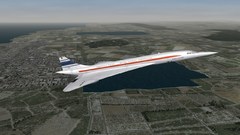
From the album: SF2 Civilians
-
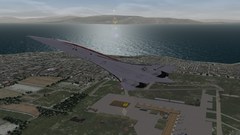
From the album: SF2 Civilians
-
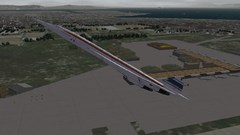
From the album: SF2 Civilians
-
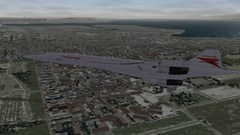
From the album: SF2 Civilians
-
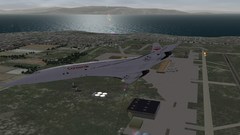
From the album: SF2 Civilians
-
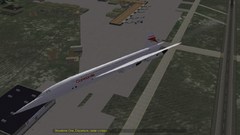
From the album: SF2 Civilians
-
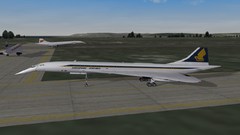
From the album: SF2 Civilians
-
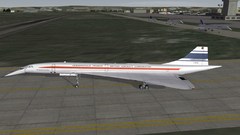
From the album: SF2 Civilians
-
From the album: SF2 Civilians
-
From the album: SF2 Civilians
-
From the album: SF2 Civilians
-
From the album: SF2 Civilians
-
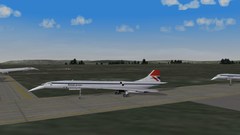
From the album: SF2 Civilians
-
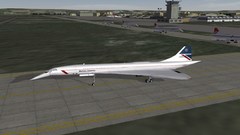
From the album: SF2 Civilians
-
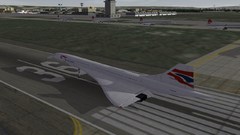
From the album: SF2 Civilians
-
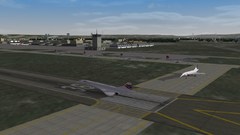
From the album: SF2 Civilians
-
From the album: SF2 Civilians
-
From the album: SF2 Civilians
-

From the album: SF2 Civilians