

ValAstur
-
Posts
2,616 -
Joined
-
Last visited
-
Days Won
28
Content Type
Profiles
Forums
Gallery
Downloads
Store
Posts posted by ValAstur
-
-
Best wishes for you and your family, Mohamad.
Take care of yourself and take your time.
-
 1
1
-
-
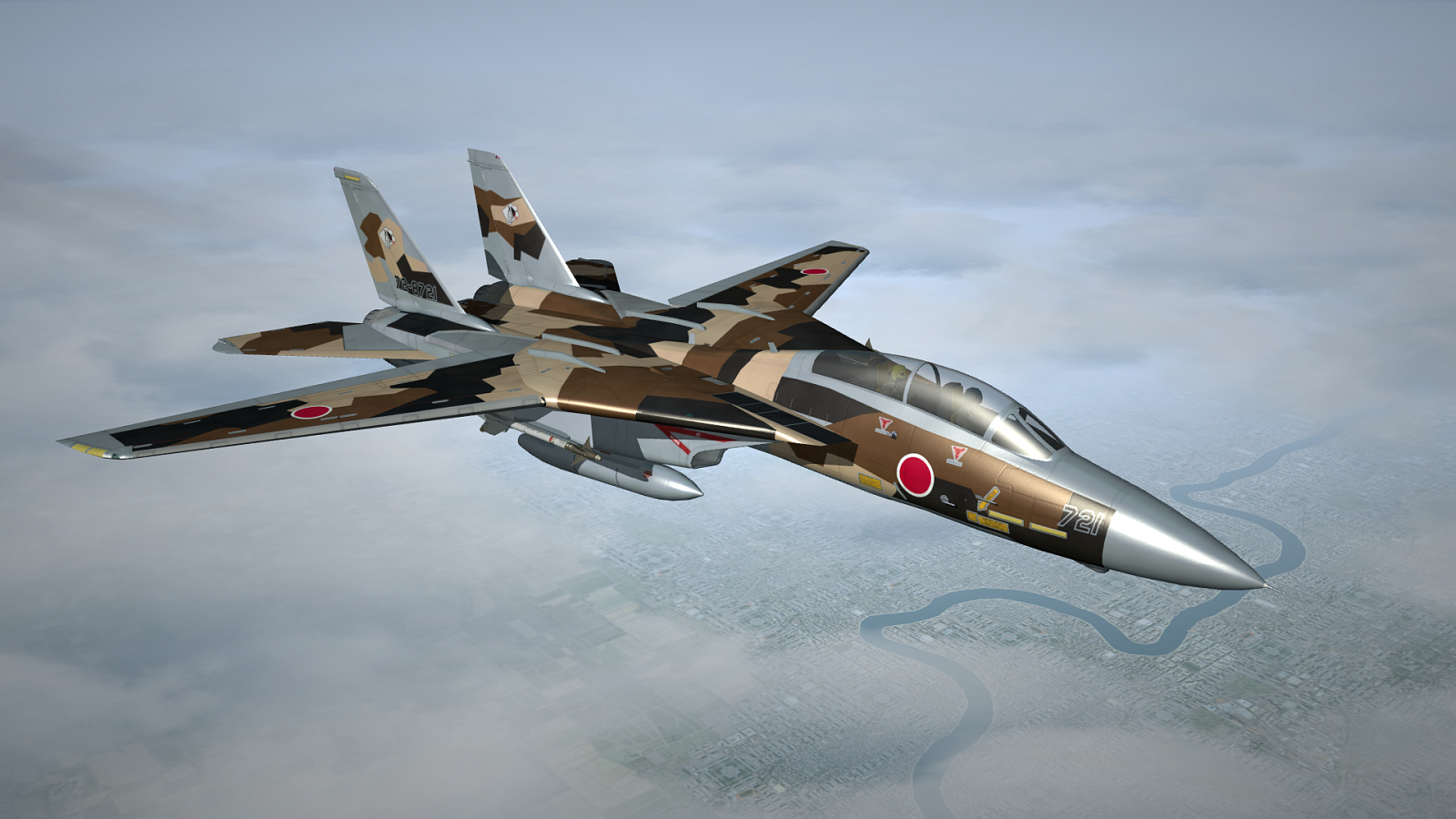
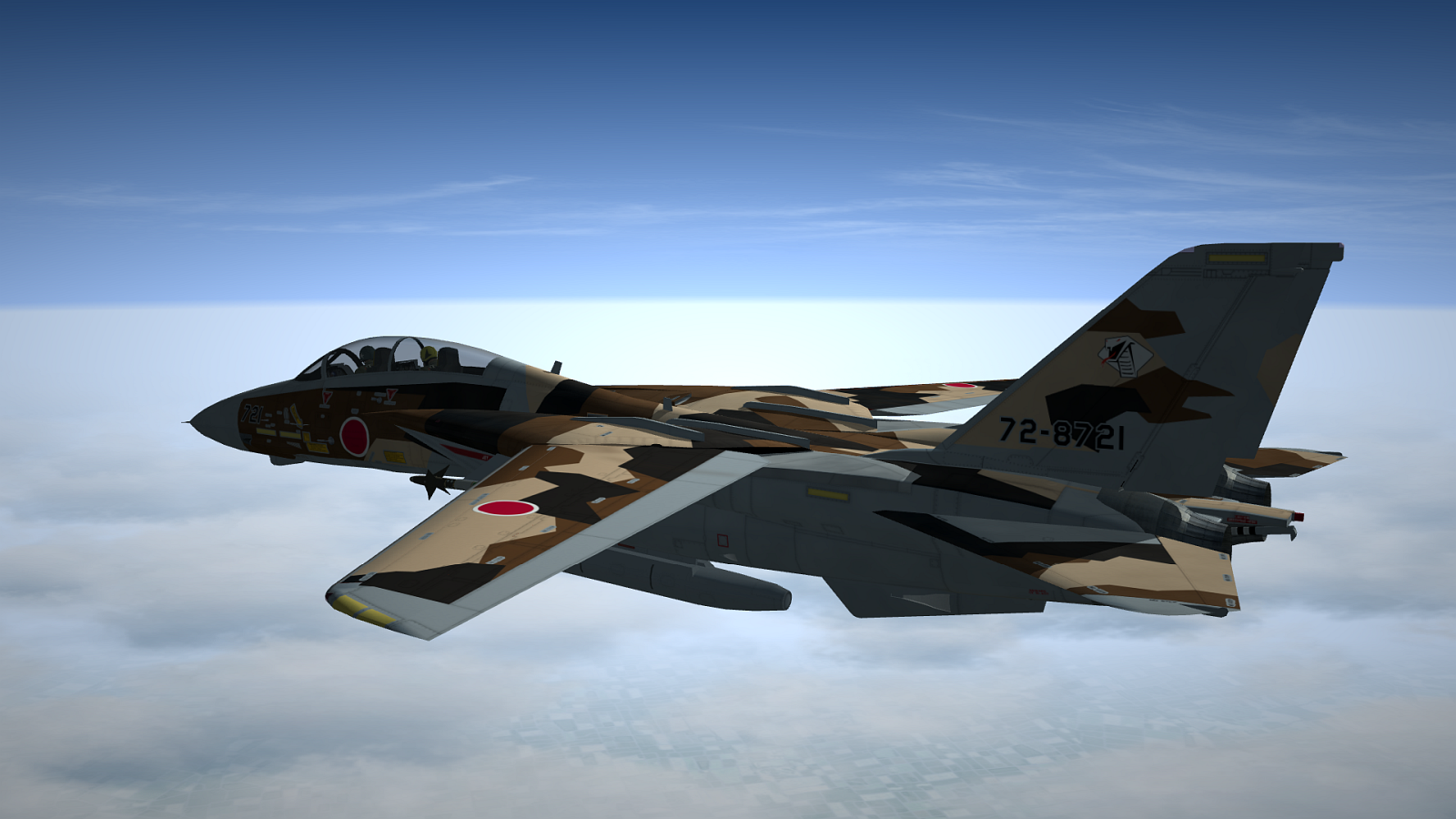
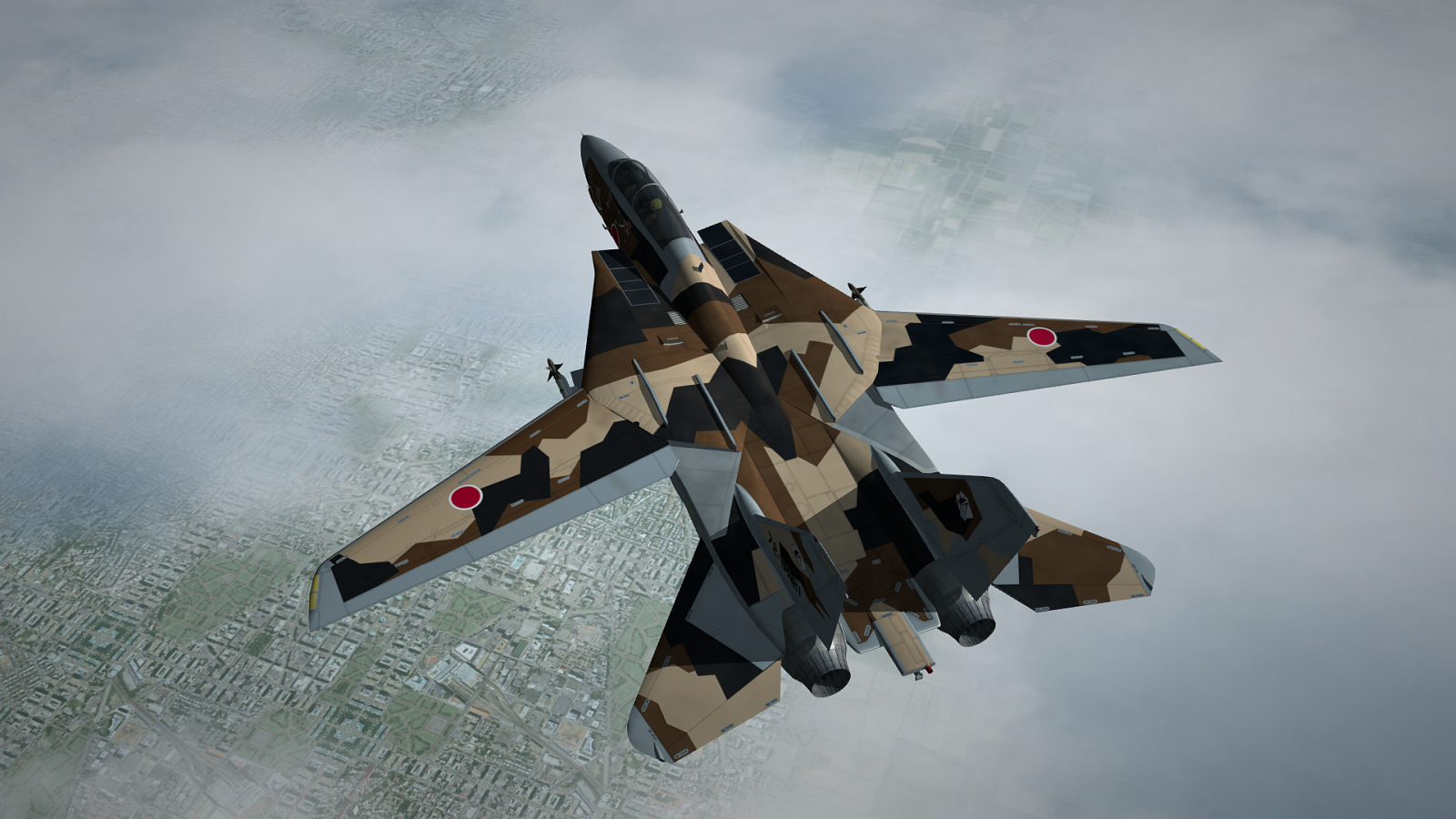
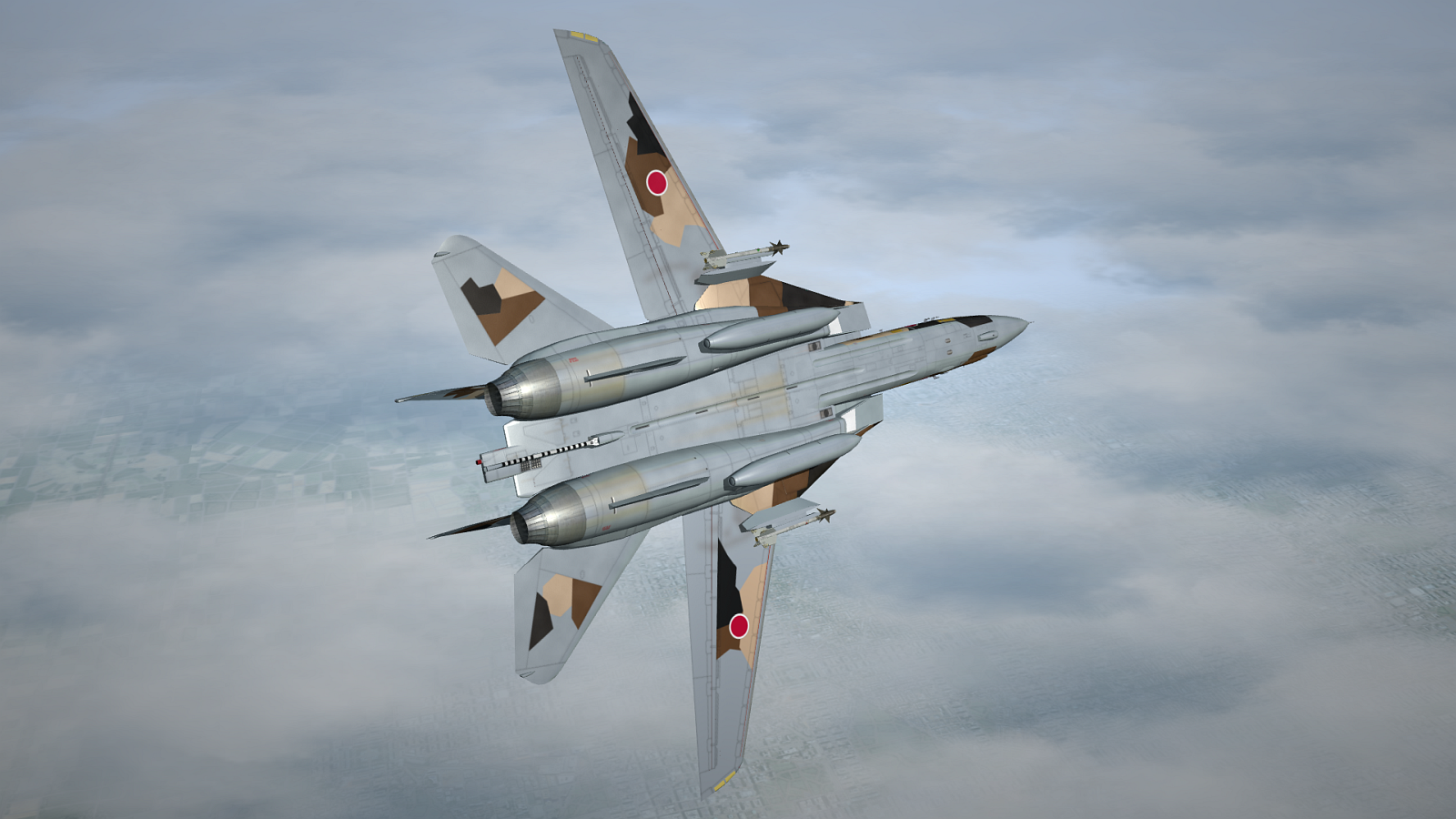
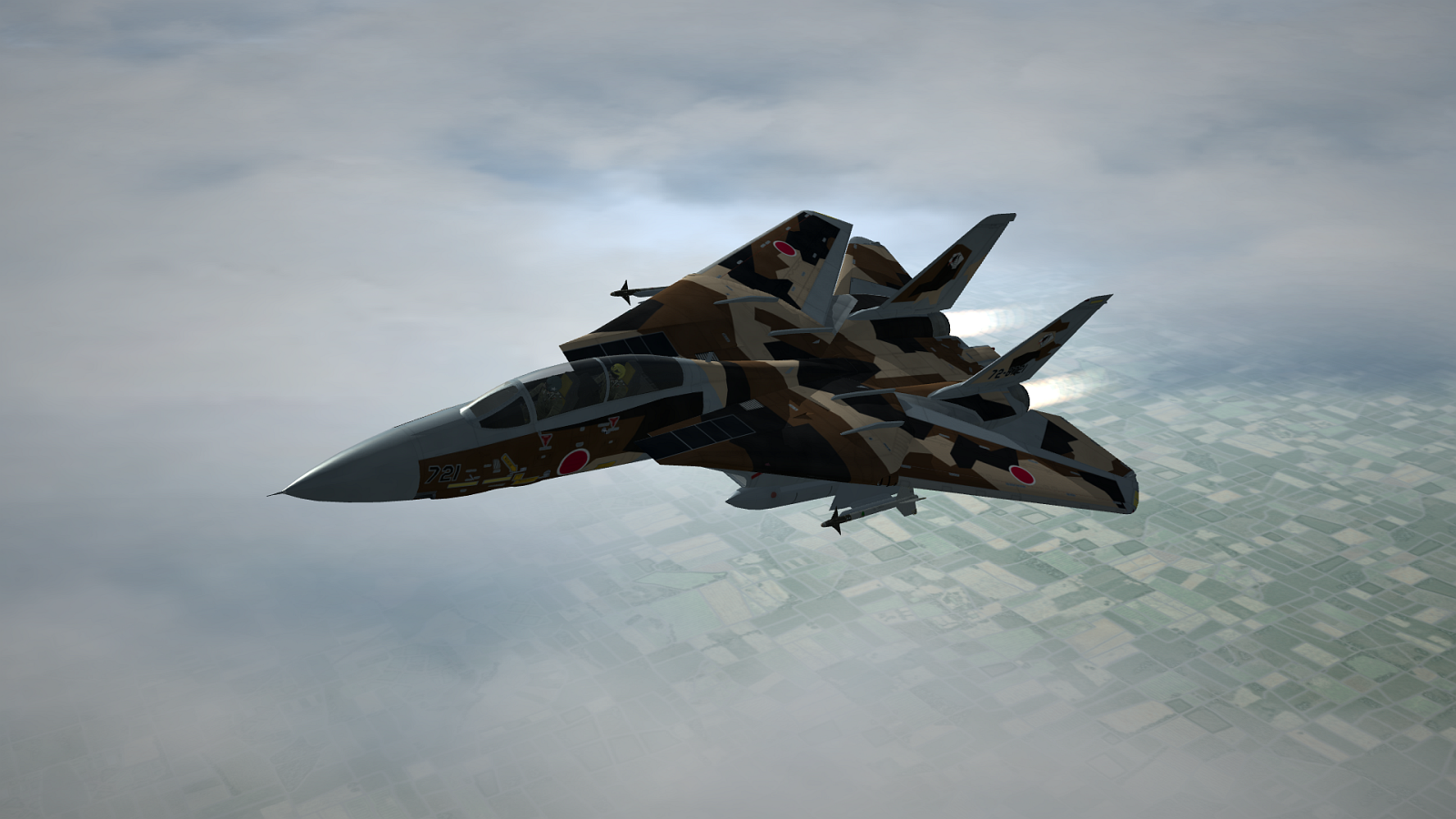
The JASDF reactivated one of the mothballed F-14J for their Aggressor Squadron...
-
13
-
-
[Fictional] JASDF Cold War Mirage Pack
YOU'LL NEED TO HAVE A MERGED INSTALL OF ALL GAMES AND THE MIRAGE IIIOA DLC TO GET ALL THE PLANES WORKING!
Pack consisting of six different aircraft representing fictional planes for the japanese air self defense force. The aircraft are the following:
- Mirage IIIJ (Mirage IIIC)
- Mirage IIIEJ (Mirage IIIOA)
- Mirage 5J (Mirage 5F)
- Mirage 2000CJ (Mirage 2000-C5)
- Mirage 4000J (Mirage 4000)
- Mirage 4000DJ (Mirage 4000B)
BACKGROUNDIn the aftermath of the diplomatic crisis with the US during the cuban missile crisis, Japan needed a new provider for weaponry and France was more than happy to step in, allowing the european country to set a foot in the far asian region.
As a first part of the signed contract for collaboration, Japan received the first tranche of Mirage IIIC (renamed into Mirage IIIJ) in 1965; directly integrating the aircraft into their fighter squadrons. The first squadrons to receive the model, which was later produced in Japan under license, were the 202nd to 204th. Though the country had an arms use ban imposed from the US government, they were allowed to use up the AIM-9Bs they still had in stock. This aided the JASDF to keep the aircraft on a high combat value, since the Matra Magic was not yet available until the middle 70s.
At the end of the 60s, Japan implemented the upgraded version of the aircraft, the Mirage IIIE(J), with better electronics and avionics. The JASDF used this aircraft for CAS, recon and striking missions, entering service in the 305th and 501st Hikotai. But only until the Mirage 5J became available. Being replaced by the more capable aircraft for A/G-missions, the IIIEJs got relocated to fighter squadrons for the interception task.
With the appearance of the Mirage 5J in 1972, it became the main aircraft for recon and A/G-tasks, fully replacing the IIIEJ in the 305th and 501st Hikotai.
Being fully satisfied with the capabilities of the Mirage planes, the JASDF ordered the F-1 for two squadrons for recon and maritime target destruction. The F-1 entered service in 1982 and kicked the 5J out of the 501st. The now free aircraft got relocated to different squadrons for different purposes (training, technical practices, weapon testing).
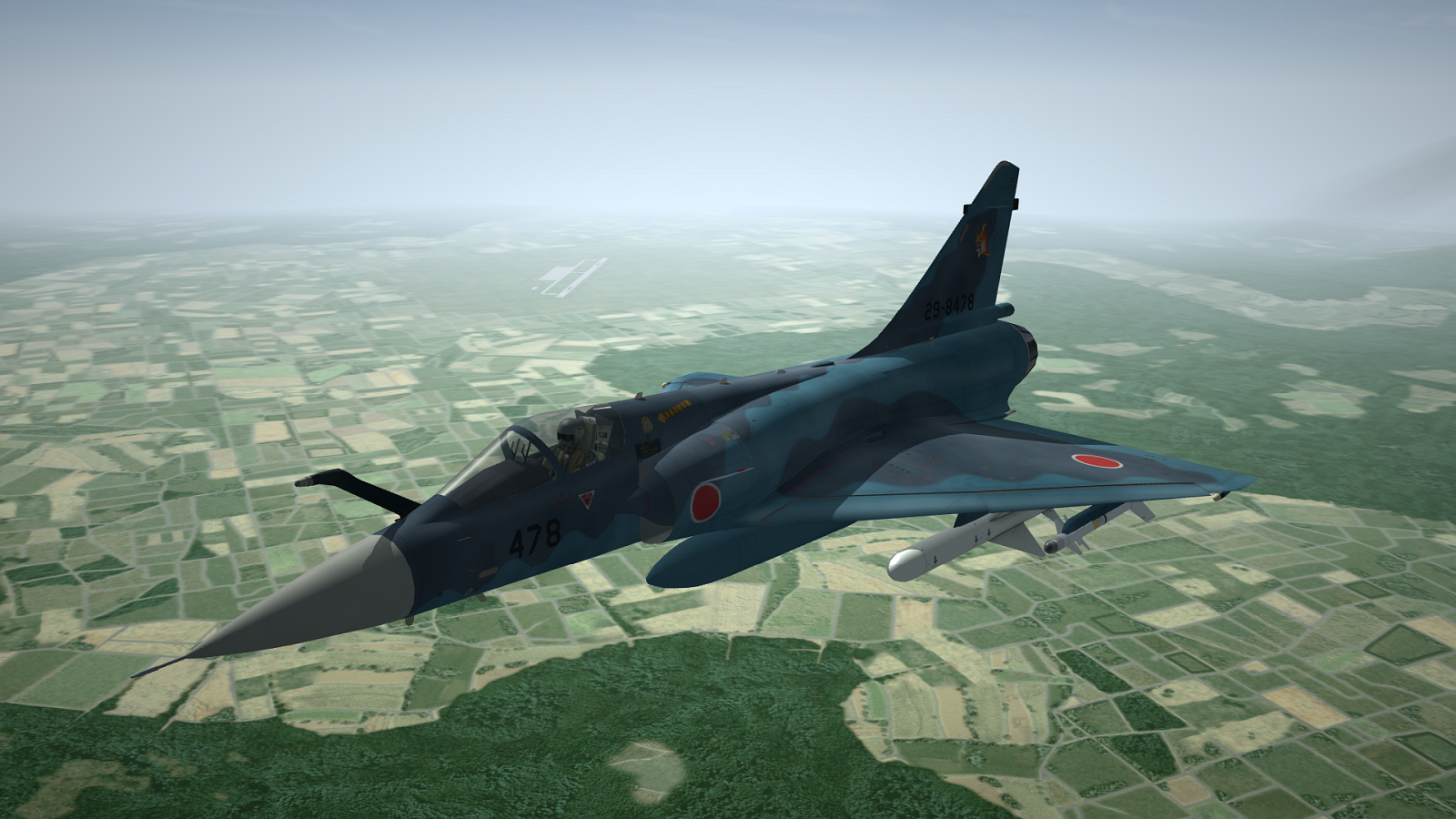
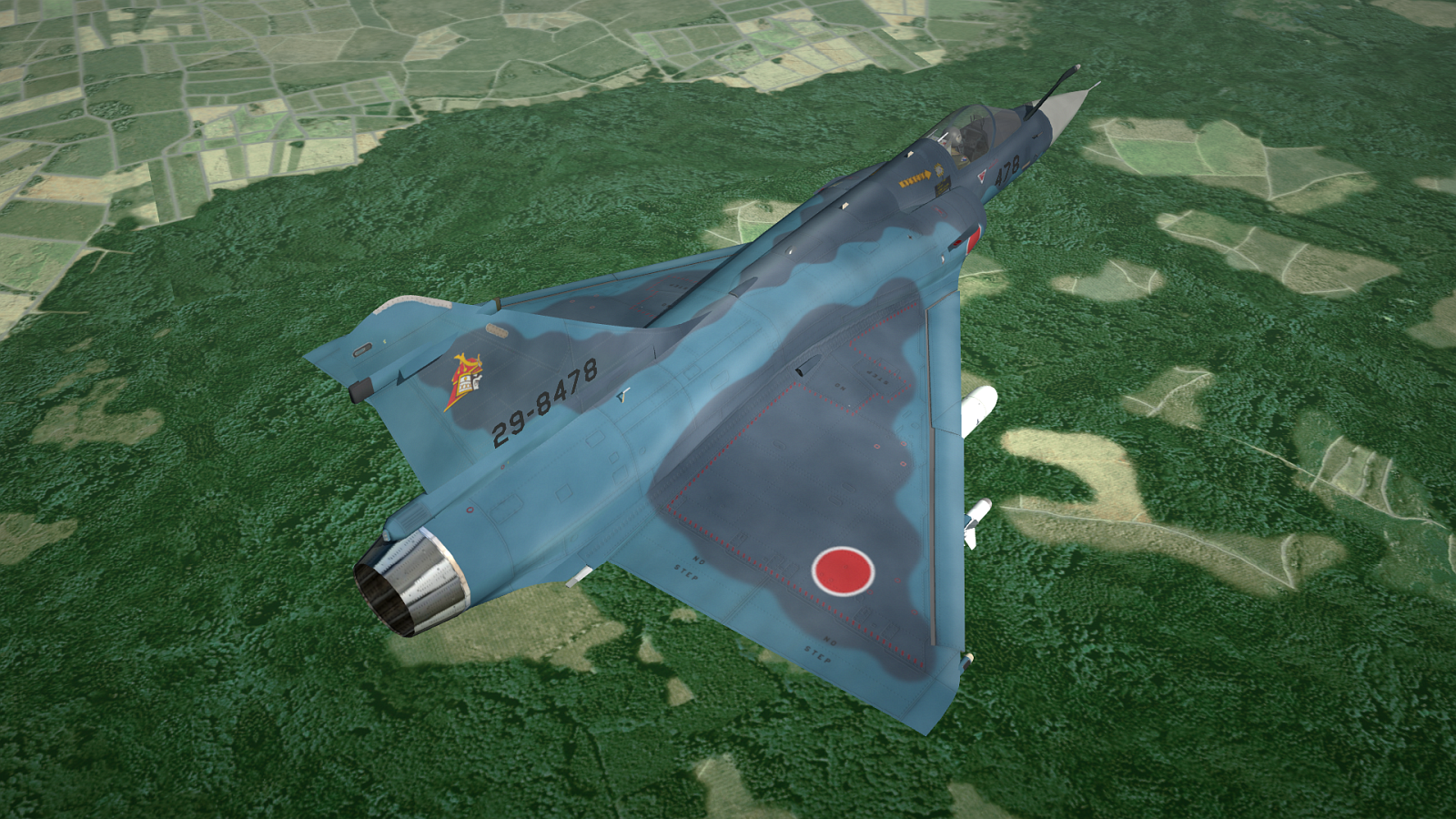
The IIIJ and IIIEJs, though being very popular among the pilots, were technically not considered not to be on par with current models of other countries in the middle of the 80s. So the administation under Nakasone Kasuhiro placed a contract for 60 aircraft of the current Mirage 2000C model, purchasing 54 single- and 6 double-seaters with the aim of replacing the aged III-models. Apart from the squadrons, that already had the III or IIIEJ, the 302nd Hikotai was also among the squadrons to receive the 2000CJ. Being impressed by the technical possibilities of this model; specially thrust and speed, let the JASDF also introduce the plane into the 8th HIkotai for quick reaction and maritime interception.
The 4000 was a special case. Dassault wanted to stop the program because of cost matters and lacking interest among potential costumers. The JASDF showed great interest in this model and bought the license for production in Japan. Problems with frame stability and materials for the fuselage led to a serious delay of the maiden flight of both single- and double-seater. The first lift-off was intended to be at the end of 1996, but it was executed in early 1998.
After solving the problems and impressing the leading officers of the JASDF with the potential and capabilities of the plane, Mitsubishi received the order for 36 single-, but only 12 double-seaters (it was initially intended to buy 24 double-seaters). Reasons were the high-costs of procurement and maintenance.
The single-seated 4000J entered service in 2000 and replaced the Mirage 5J in the 305th Hikotai and got the prime model for the 6th Hikotai.
The double-seated aircraft got allocated primarily to the aggressor squadron Hiko Kyodogun, where 8 of the 12 aircraft found a new home. The remaining four entered service in the 501st, finally taking the remaining 5Js out of service.
INSTRUCTIONS1. Drop the folders into your Mod folder. If asked to overwrite, click yes.
2. The 2000 uses different fuel tanks for the blue camo. If the camo is selected,
switch to the ones with "JASDF Blue" in the Name.
CREDITSBig thanks to Thirdwire for the superb models.
To Spinners for some of the decals I used.
To Wrench for allowing me to release the Mirage 2000 as part of this pack.
Also thanks to Logan4 for allowing me to release both 4000 and 4000B in this pack.
And to Cliff76300 for the edited data.inis for the 4000s.
ORIGINAL CREDITS taken from TMF's Mirage 2000Mirage 2000 Armée de l'Air
For all Strike Fighter series fans
By The Mirage Factory
In memory of Olivier Anguille "BPAo"
ORIGINAL CREDITS taken from Logan4's Mirage 4000P & PBThis aircraft mod represents Dassault's what-if Mirage 4000P fighter and its trainer PB variant in the Portugese Air Force service.
This package comes with 1 skin set for each variant, with decals for P (14 planes), and for PB (6 planes).
Also it is dedicated to our friend Cocas who put his work and time to bring us many of the rare or experimental aircraft in this game series and originally created the base model for this plane.This model is meant for SF2 games only, SF1 variants will be uploaded at the SF1 section.
Install is the regular dropping the contents in their respective places. In case you have the prototype or French A and B variants you can skip the overwrite prompt of weapons as those 6 items are identical.
Please note: The model can be quite heavy on FPS in large formations on weaker machines, so if required, either resize skin files or use lower lods(_nd,001,002,003) as lod1.
The model uses the general french and NATO weapons, either as part of weapon packs or the Mirage 2000 family.
Important: The PB variant comes with 2 types of cockpit, the basic setup will use a simple pit that has only the pilots cabin instrumented. The other is a fully modeled front and rear compartment, in which you want to fly you should activate the proper line in the AC's.ini file.
CockpitDataFile=Mirage4000PB_Cockpit.ini <---- basic setup
;CockpitDataFile=Mirage4000PB_Cockpit_full1.ini <------ front seat
;CockpitDataFile=Mirage4000PB_Cockpit_full2.ini <------ rear seatBe aware - the piloting seat position can not be changed during/in game, so chose wisely!
Make sure to read the manual included with the package.
----------------------
Creators of these Aircraft mods as members of CombatAce site:
Original 3D work: Cocas
Aircraft 3d update and additional changes: Logan4
Cockpit 3d work: Logan4
Aircraft FM: Cliff7600
Aircraft avionics: Loborojo, Cliff7600, logan4
Skin files and decals: Flogger23, Cliff7600, logan4, loborojo
Cockpit files: Logan4, Cliff7600Thanks to Crusader for additional brochure files
Big thanks to members of CombatAce for helping and answering our questions and in sorting out some of the issues we got while creating this mod.
Modding and distribution of files are allowed and limited according to the CombatAce Freeware Licensing agreement.
In case I forgot anybody please contact me and I fix it ASAP.Happy flying!
ValAstur
-
Submitter
-
Submitted05/30/2026
-
Category
-
1
-
-
That's great news, Volker.
Take your time. SF can wait. Your health is the most important thing.
Wishing you all the best for a quick recovery.
Du schaffst das!

-
2
-
 1
1
-
-
-
This thread is a follow-up to this one here:
https://combatace.com/forums/topic/101086-marcels-needle-nosed-bird-in-nihon/
In the aftermath of the diplomatic crisis with the US during the cuban missile crisis, Japan needed a new provider for weaponry and France was more than happy to step in, allowing the european country to set a foot in the far asian region.
As a first part of the signed contract for collaboration, Japan received the first tranche of Mirage IIIC (renamed into Mirage IIIJ) in 1965; directly integrating the aircraft into their fighter squadrons. The first squadrons to receive the model, which was later produced in Japan under license, were the 202nd to 204th. Though the country had an arms use ban imposed from the US government, they were allowed to use up the AIM-9Bs they still had in stock. This aided the JASDF to keep the aircraft on a high combat value, since the Matra Magic was not yet available until the middle 70s.
Mirage IIIJ, 202nd Hikotai, 1965
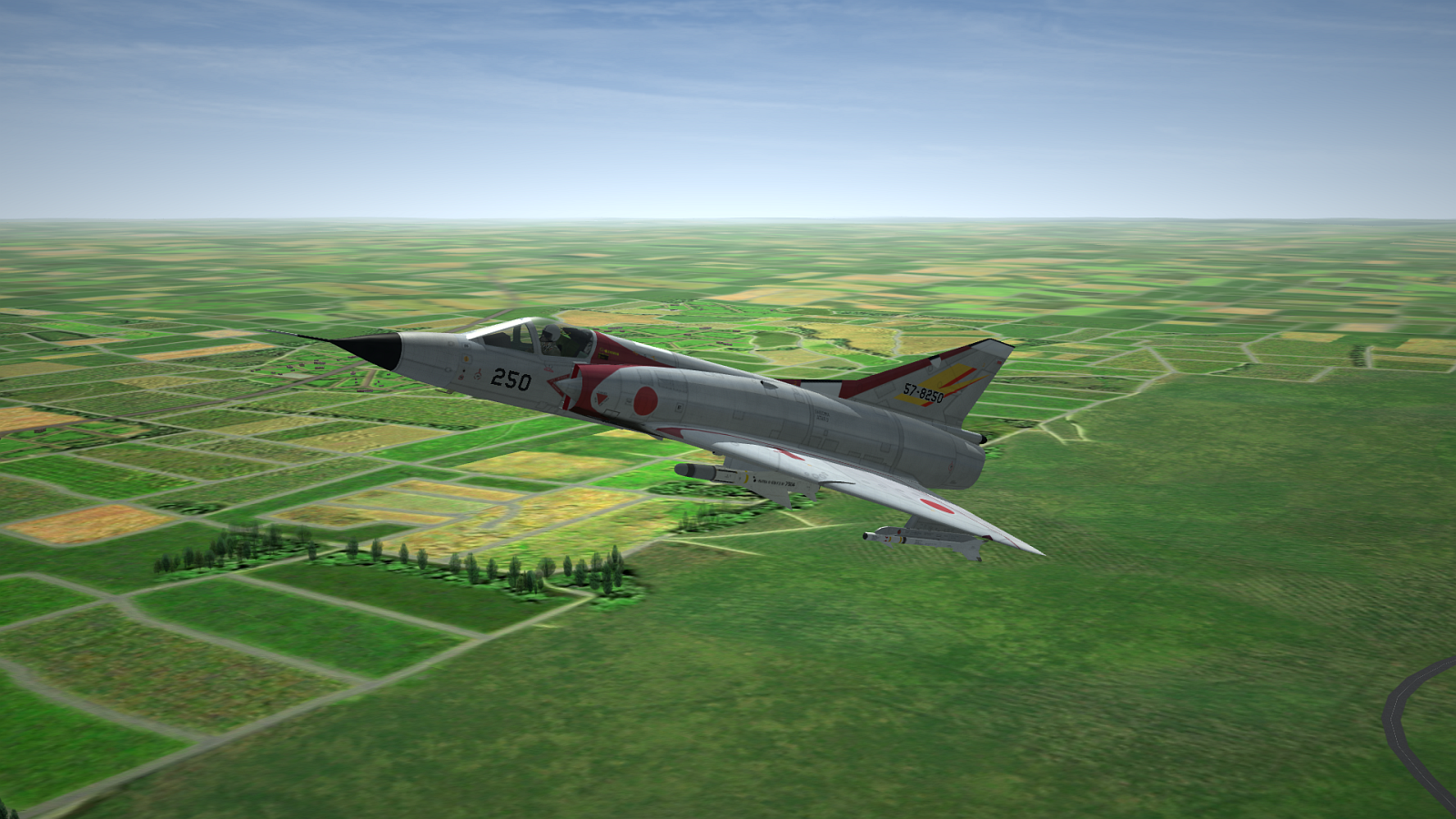
203rd Hikotai
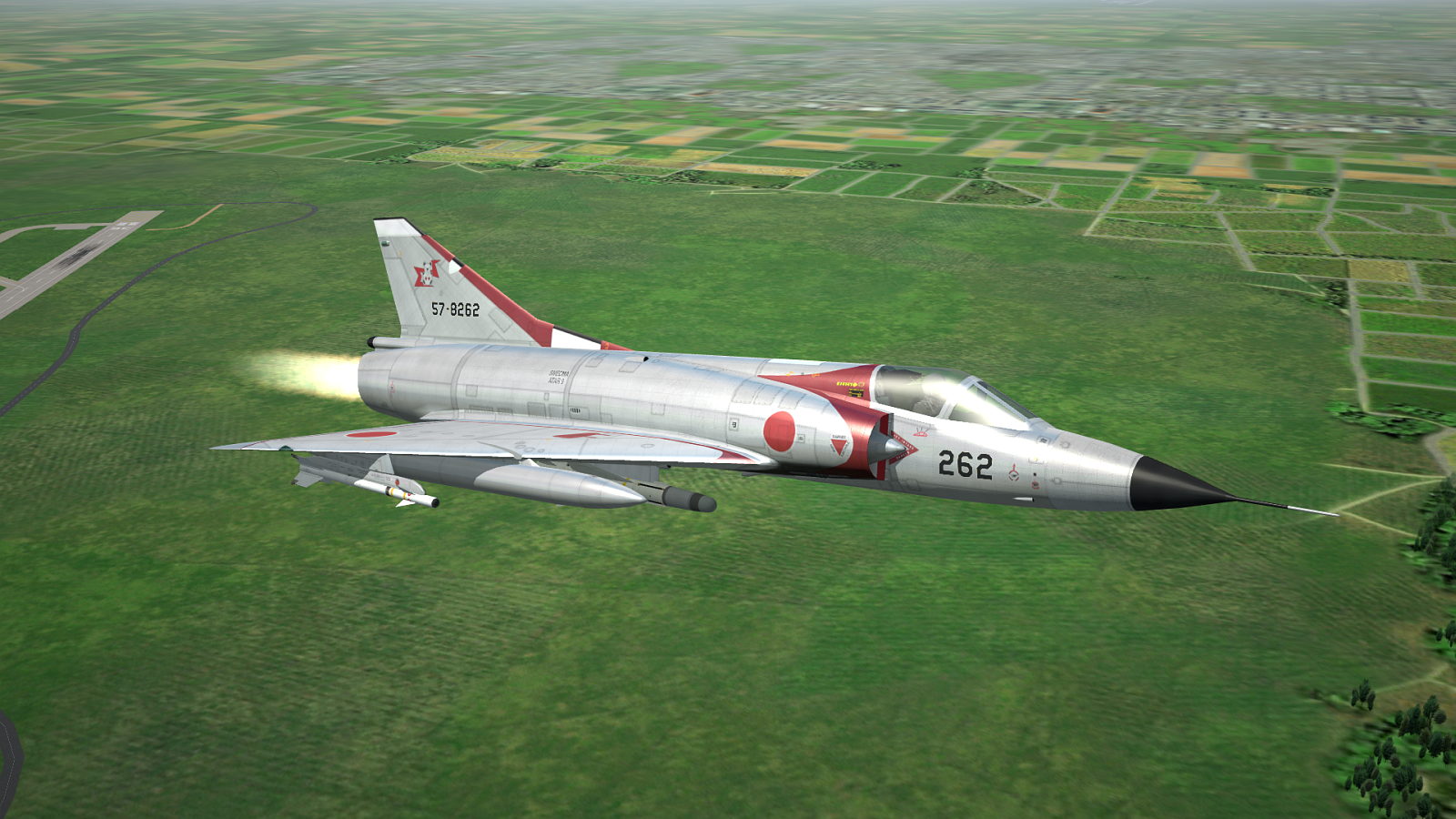
204th HIkotai
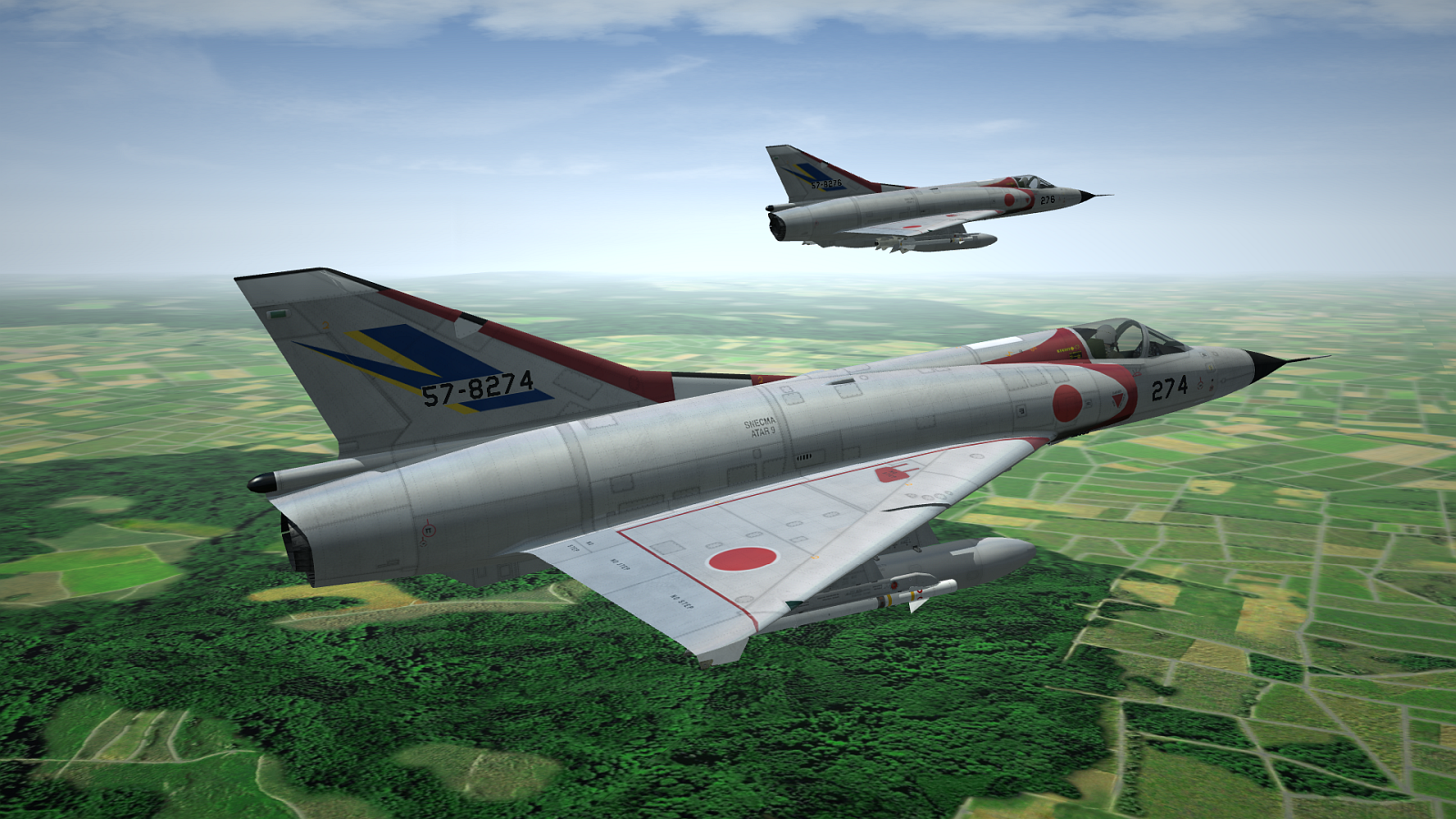
At the end of the 60s, Japan implemented the upgraded version of the aircraft, the Mirage IIIE(J), with better electronics and avionics. The JASDF used this aircraft for CAS, recon and striking missions, entering service in the 305th and 501st Hikotai. But only until the Mirage 5J became available. Being replaced by the more capable aircraft for A/G-missions, the IIIEJs got relocated to fighter squadrons for the interception task.
Mirage IIIEJ, 305th Hikotai, 1969
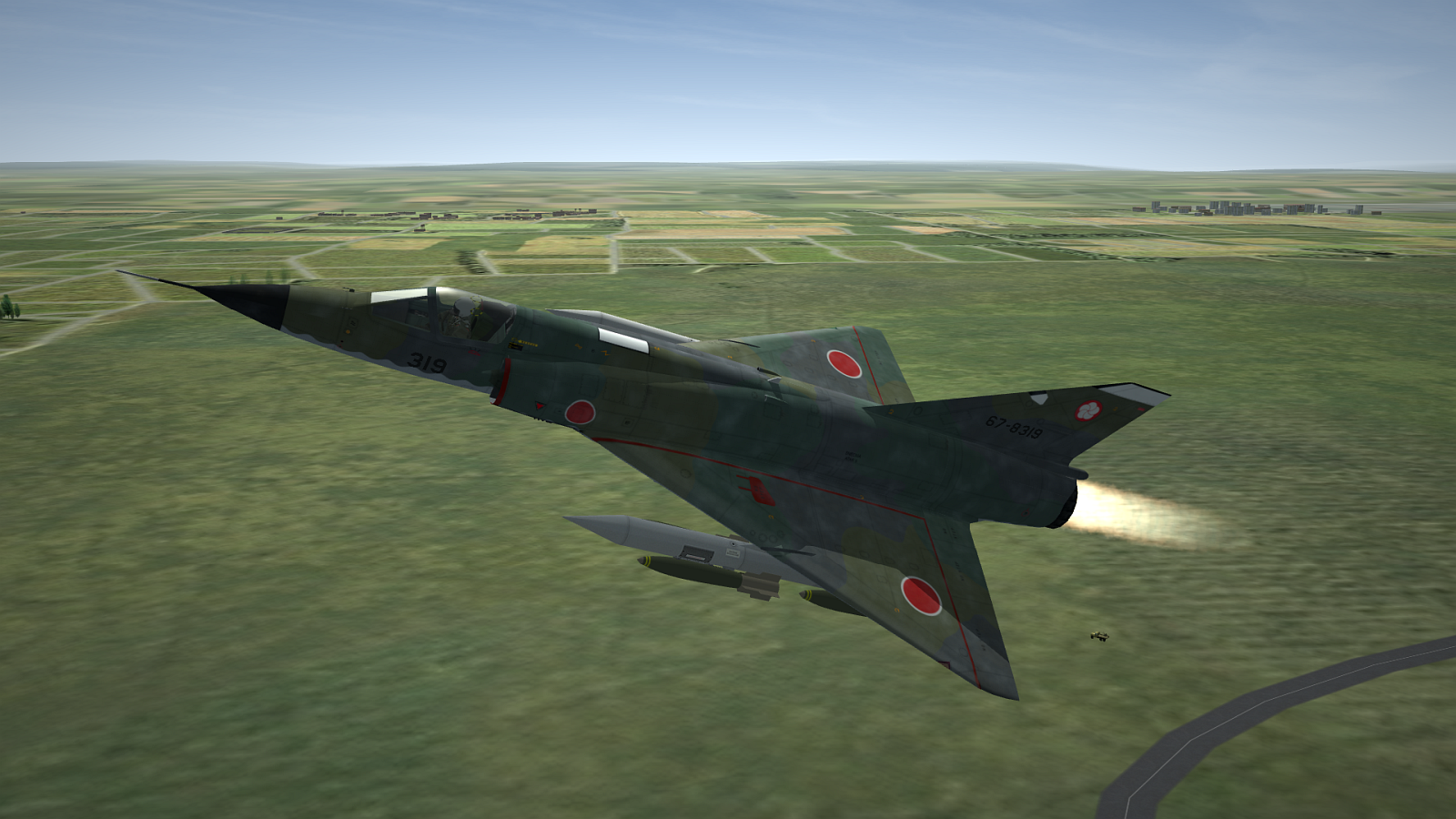
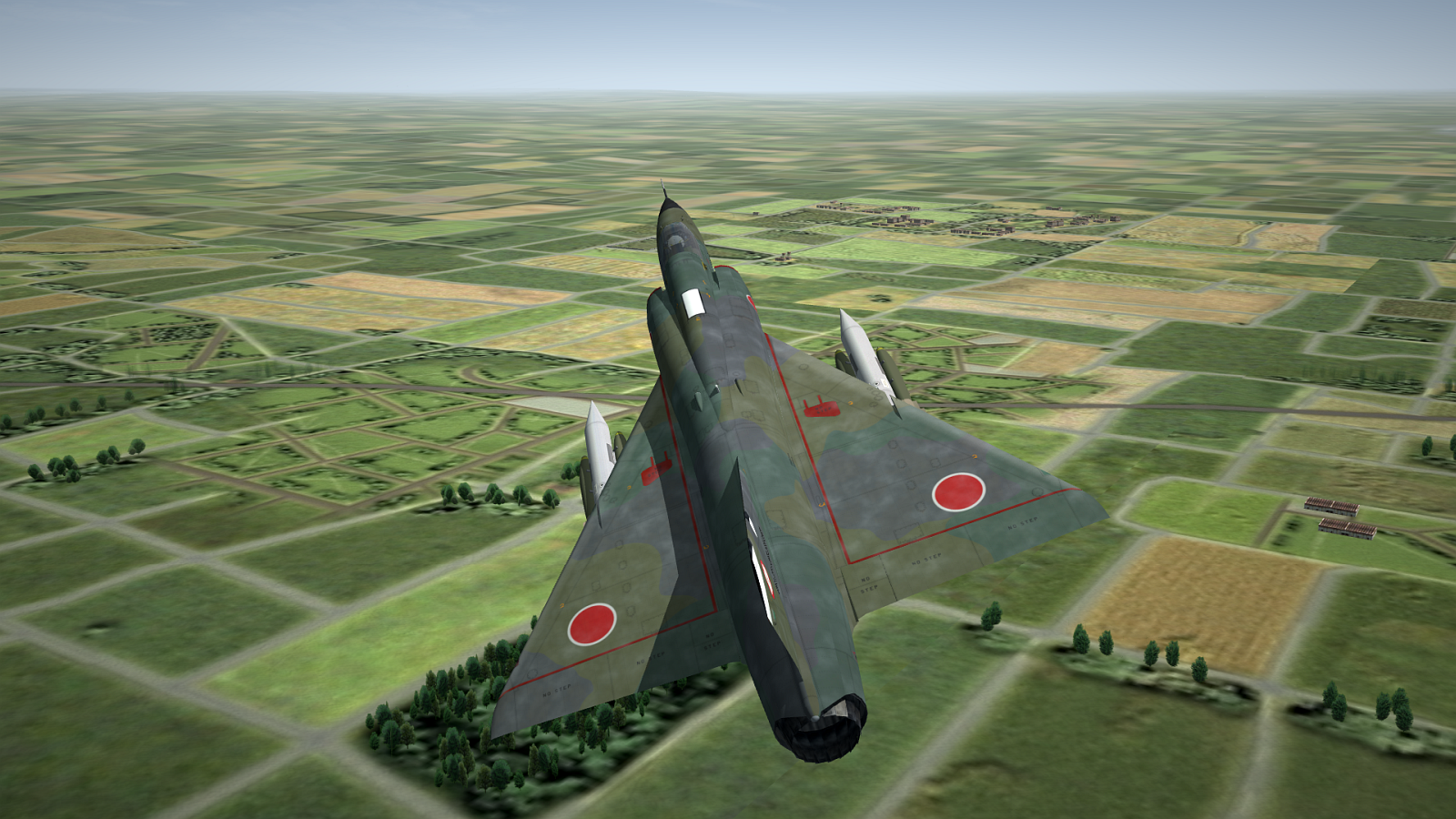
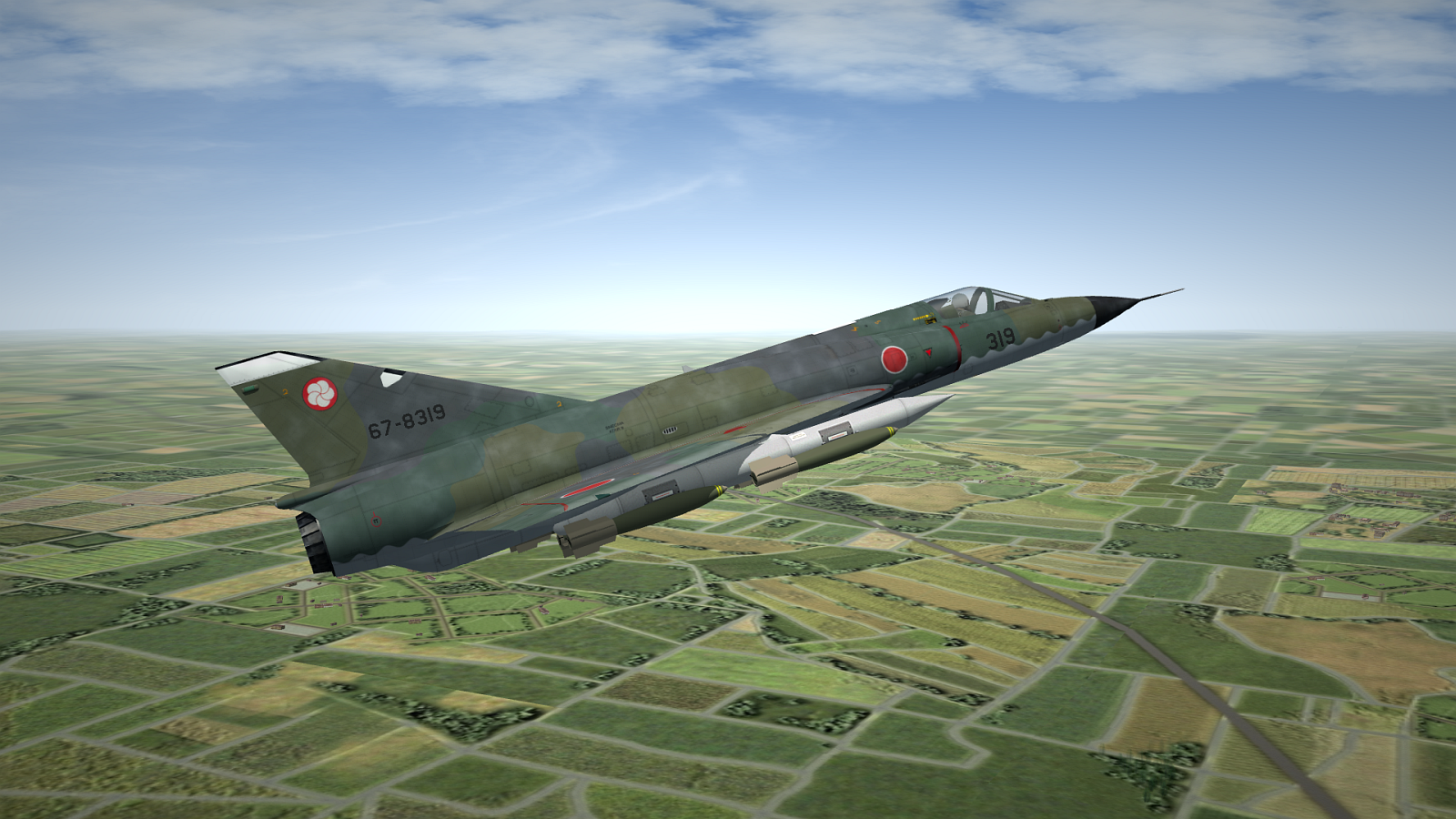
501st Hikotai
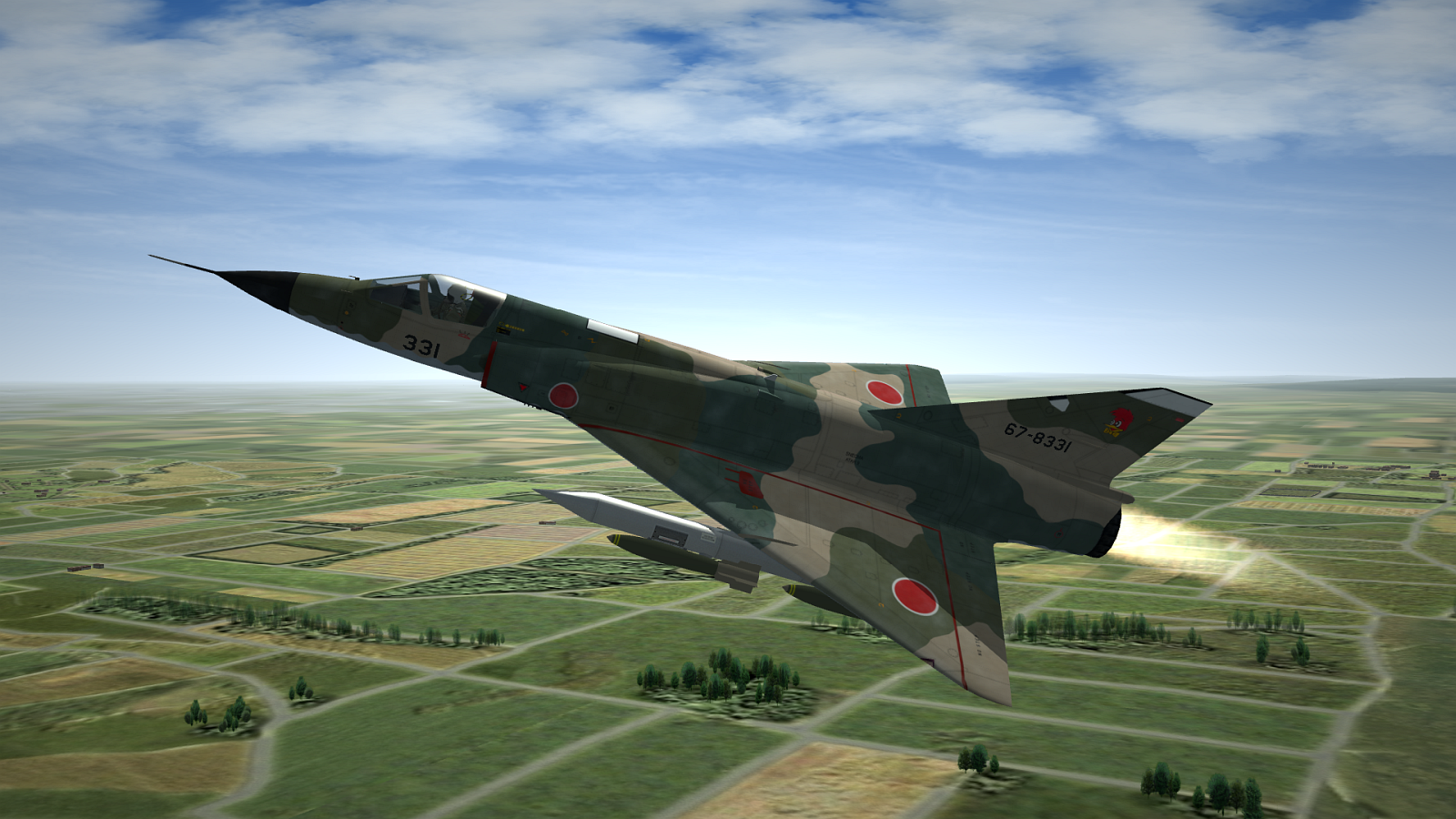
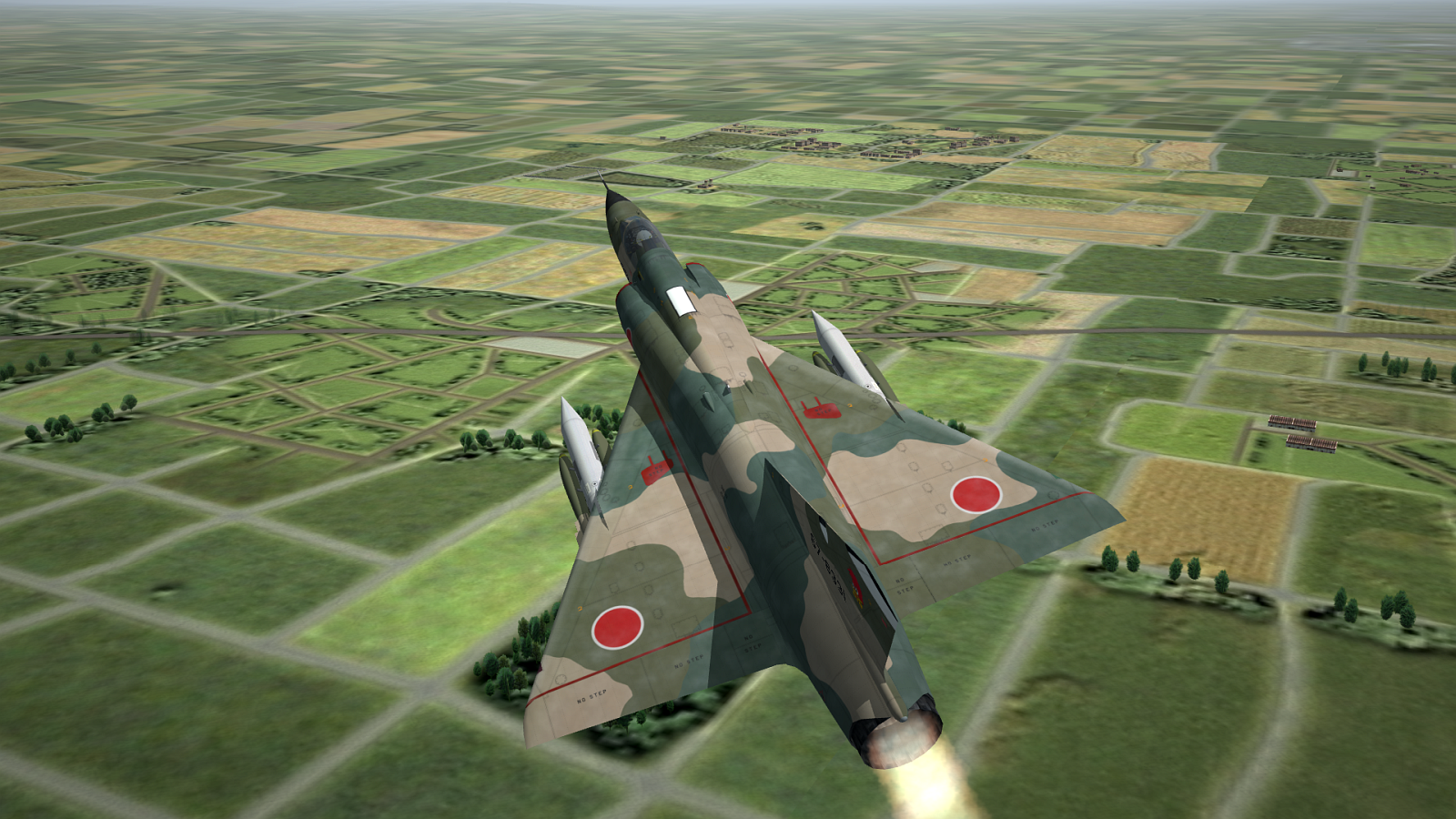
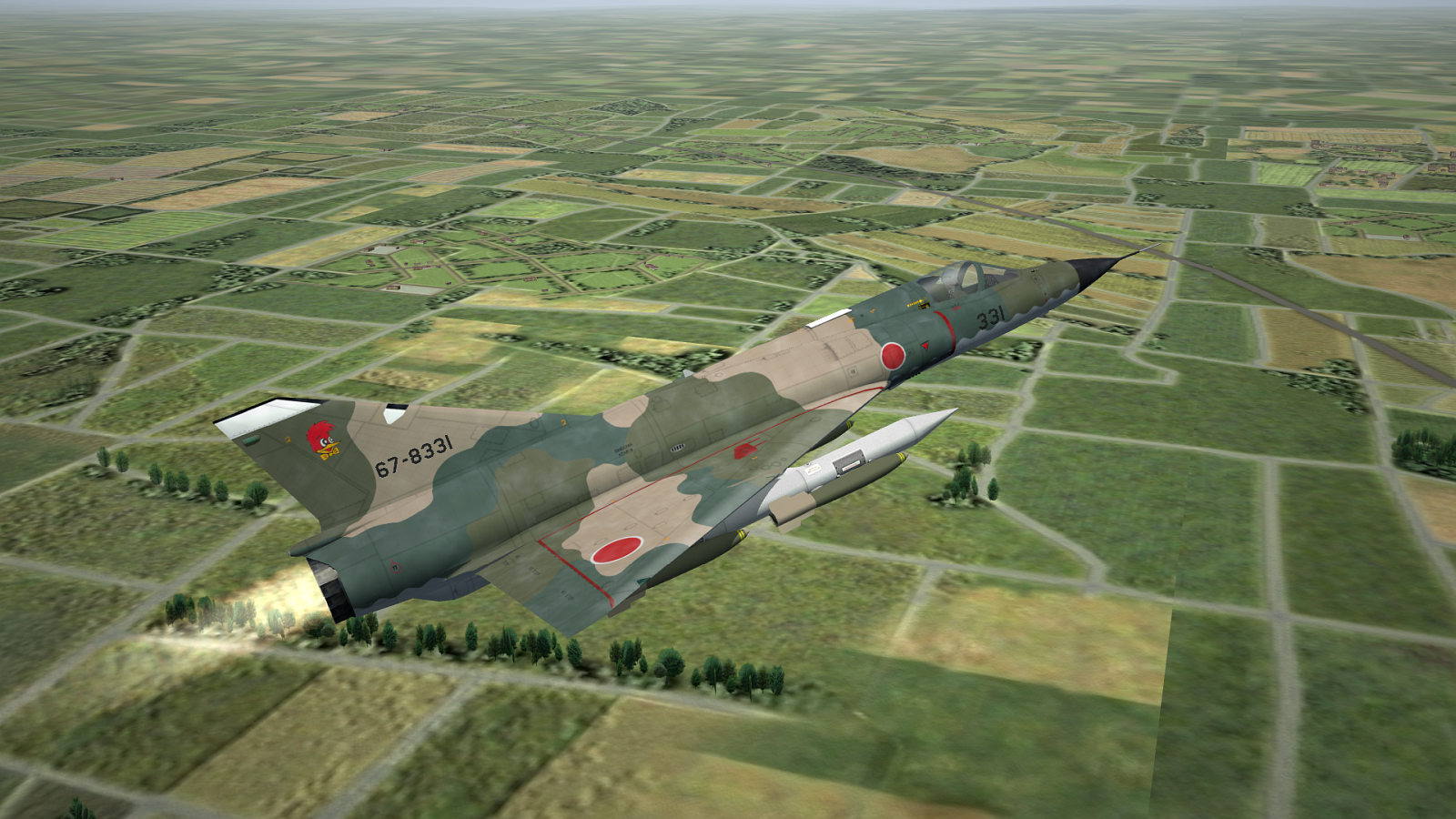
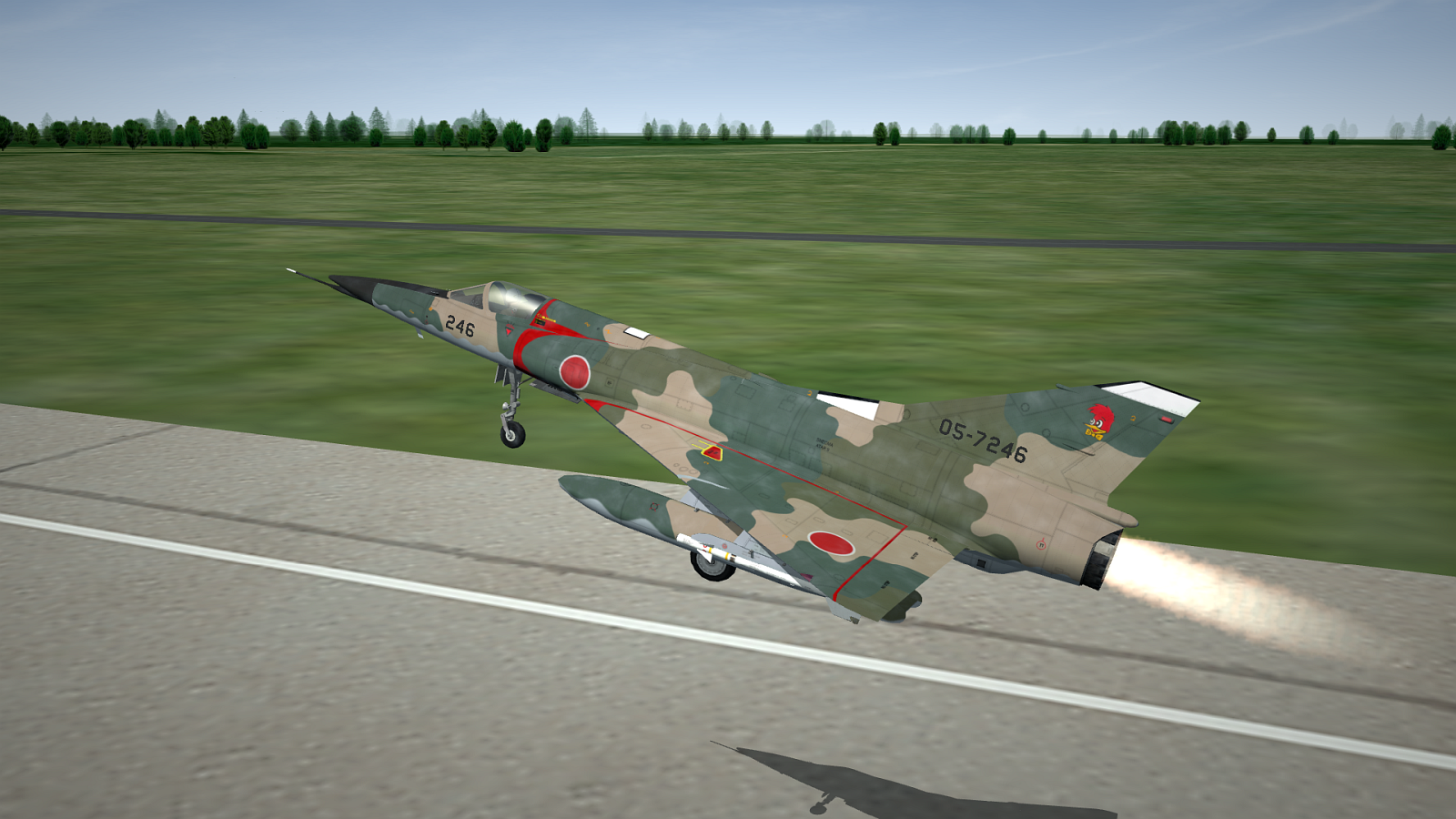
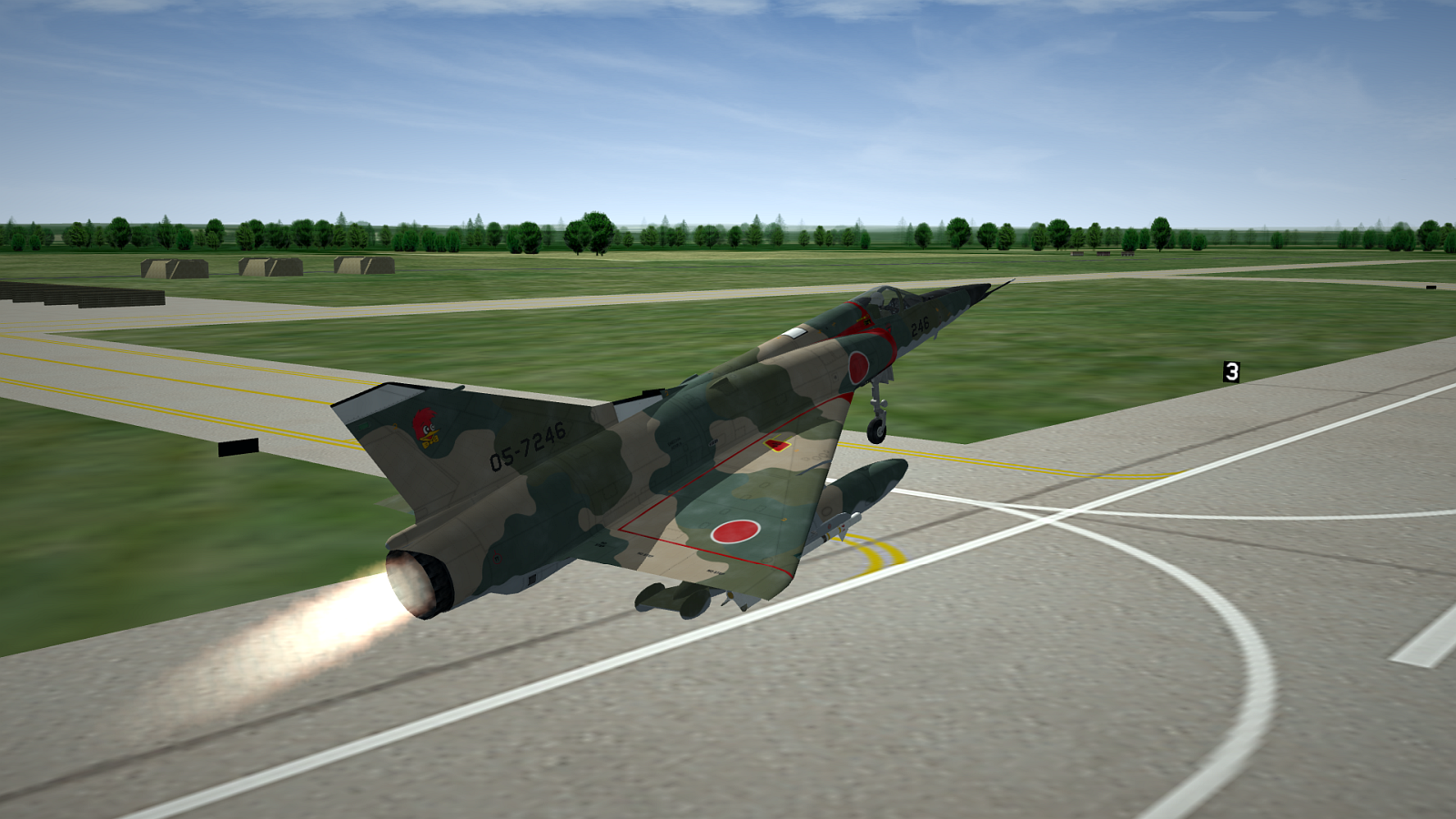
With the appearance of the Mirage 5J in 1972, it became the main aircraft for recon and A/G-tasks, fully replacing the IIIEJ in the 305th and 501st Hikotai.
Mirage 5J, 305th Hikotai, 1972
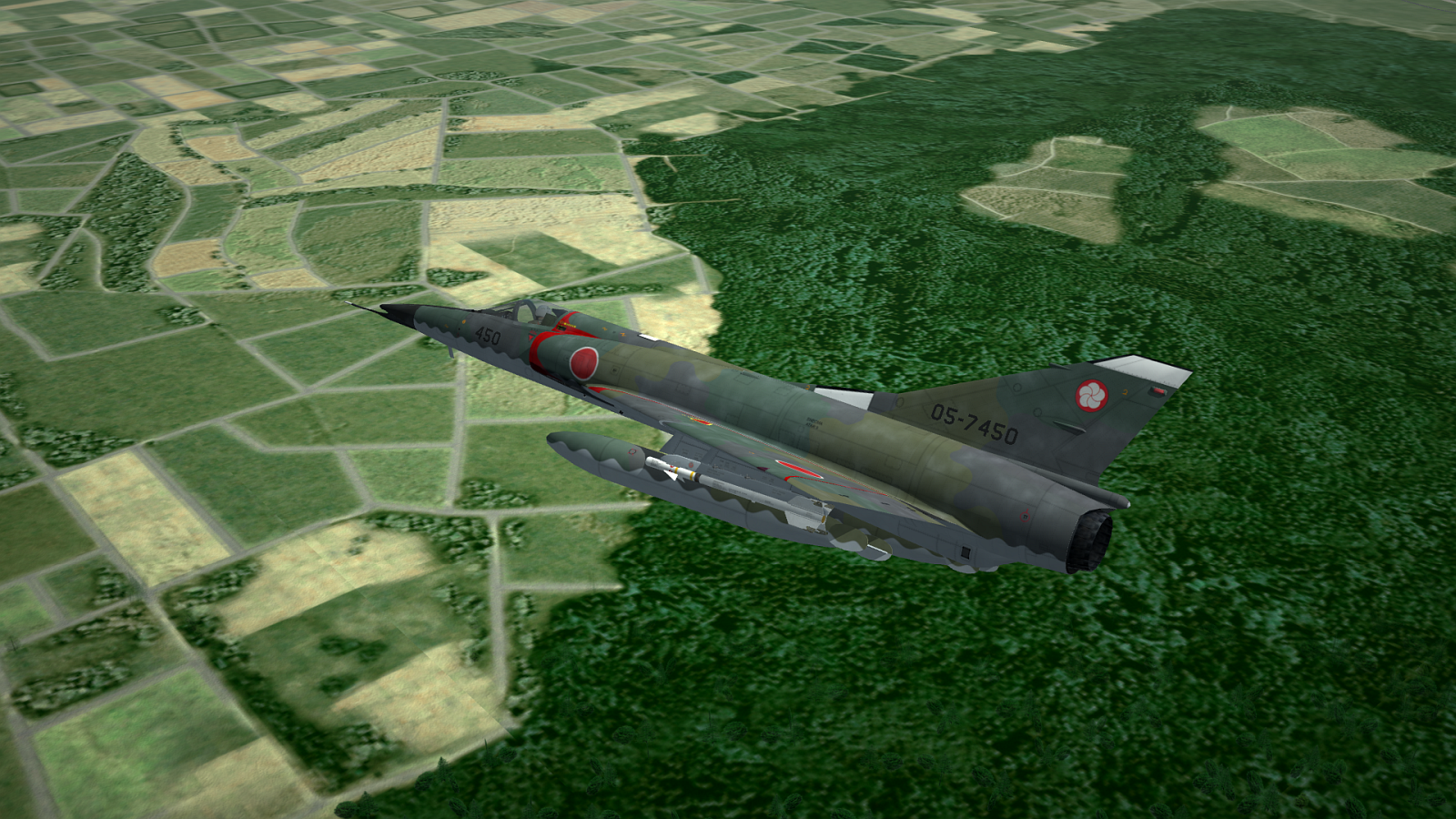
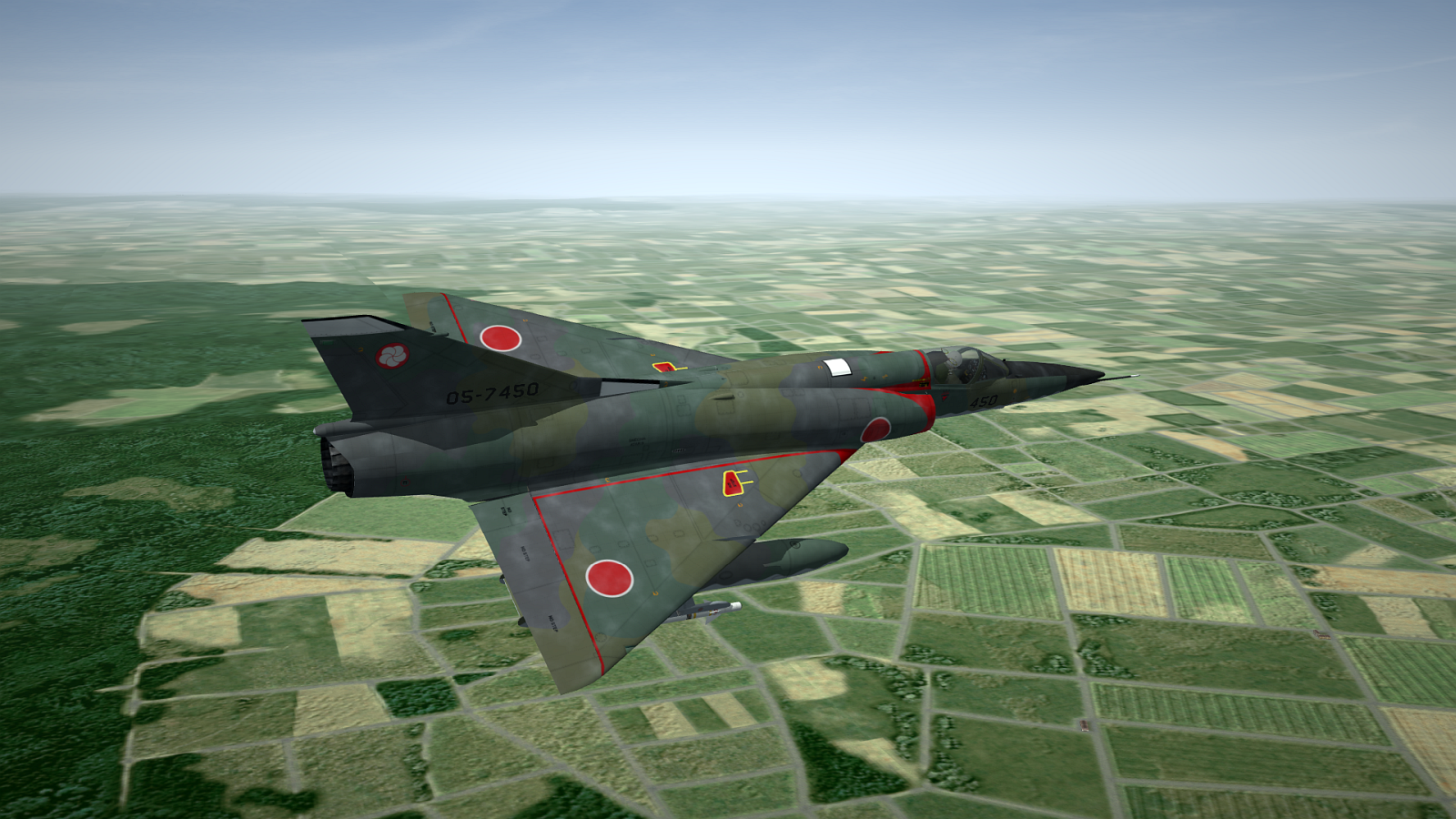
501st Hikotai
Being fully satisfied with the capabilities of the Mirage planes, the JASDF ordered the F-1 for two squadrons for recon and maritime target destruction. The F-1 entered service in 1982 and kicked the 5J out of the 501st. The now free aircraft got relocated to different squadrons for different purposes (training, technical practices, weapon testing).
The IIIJ and IIIEJs, though being very popular among the pilots, were technically not considered not to be on par with current models of other countries in the middle of the 80s. So the administation under Nakasone Kasuhiro placed a contract for 60 aircraft of the current Mirage 2000C model, purchasing 54 single- and 6 double-seaters with the aim of replacing the aged III-models. Apart from the squadrons, that already had the III or IIIEJ, the 302nd Hikotai was also among the squadrons to receive the 2000CJ. Being impressed by the technical possibilities of this model; specially thrust and speed, let the JASDF also introduce the plane into the 8th HIkotai for quick reaction and maritime interception.
Mirage 2000CJ, 302nd Hikotai, 1989
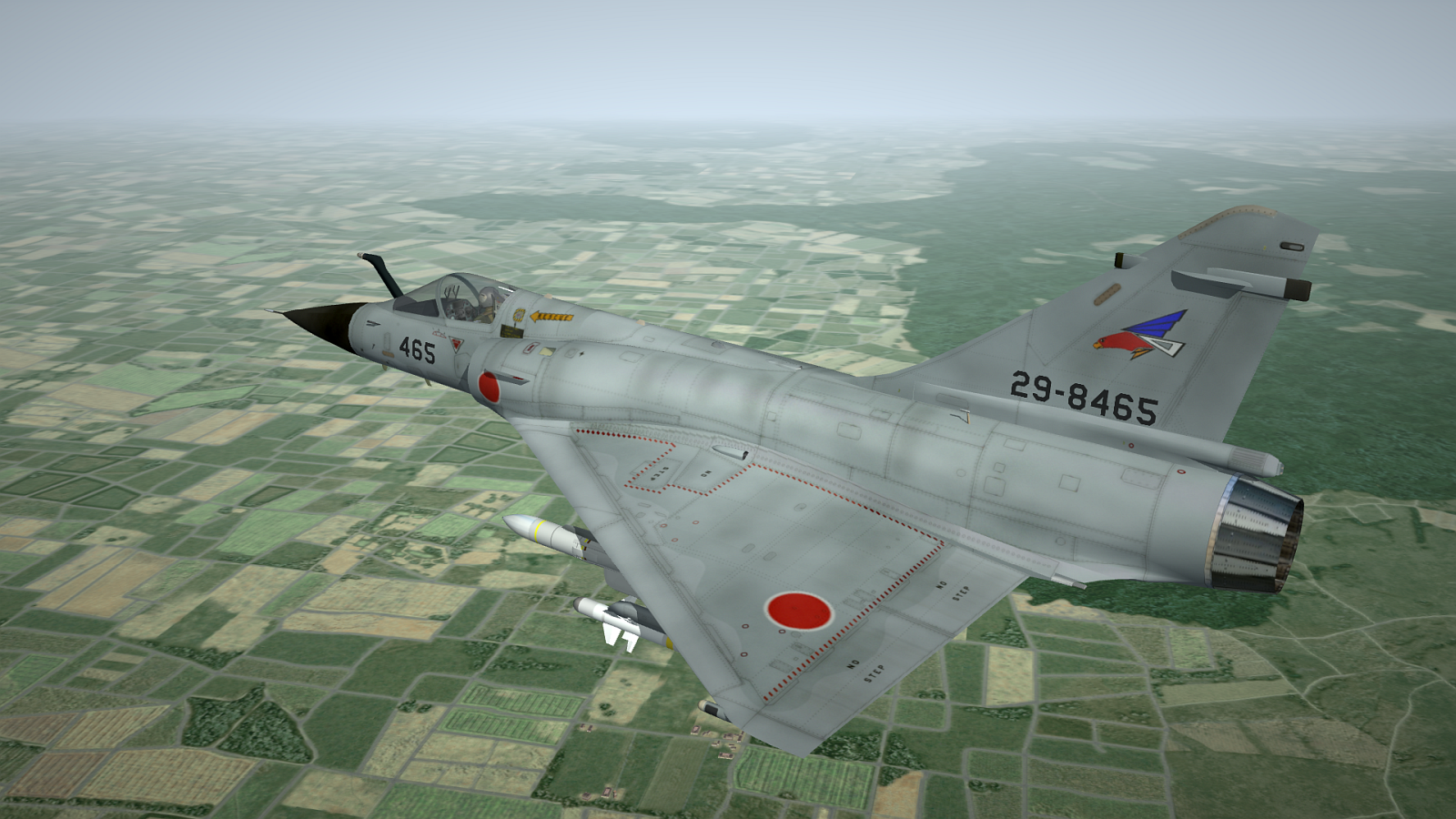
8th Hikotai
The 4000 was a special case. Dassault wanted to stop the program because of cost matters and lacking interest among potential costumers. The JASDF showed great interest in this model and bought the license for production in Japan. Problems with frame stability and materials for the fuselage led to a serious delay of the maiden flight of both single- and double-seater. The first lift-off was intended to be at the end of 1996, but it was executed in early 1998.
After solving the problems and impressing the leading officers of the JASDF with the potential and capabilities of the plane, Mitsubishi received the order for 36 single-, but only 12 double-seaters (it was initially intended to buy 24 double-seaters). Reasons were the high-costs of procurement and maintenance.
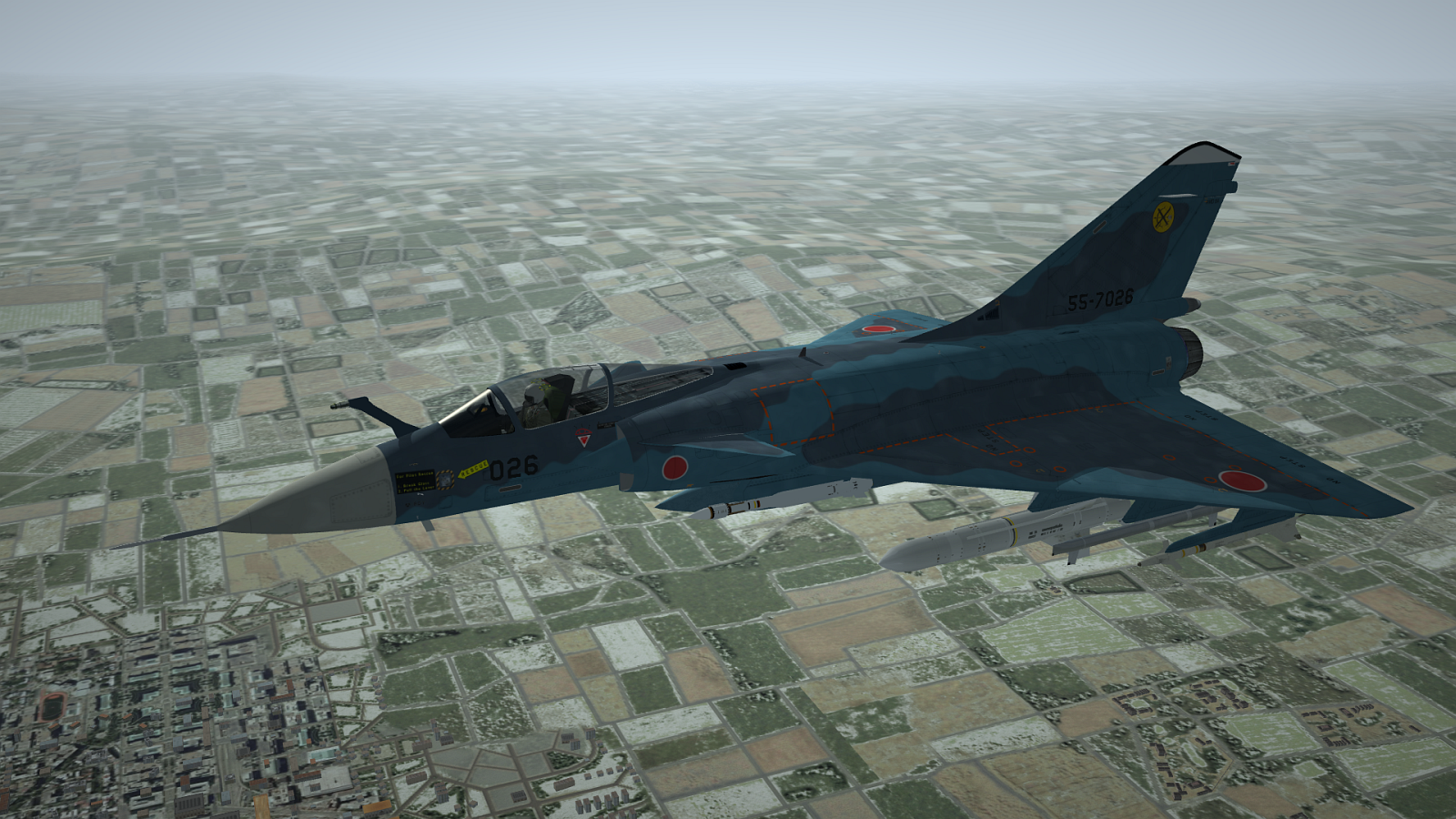
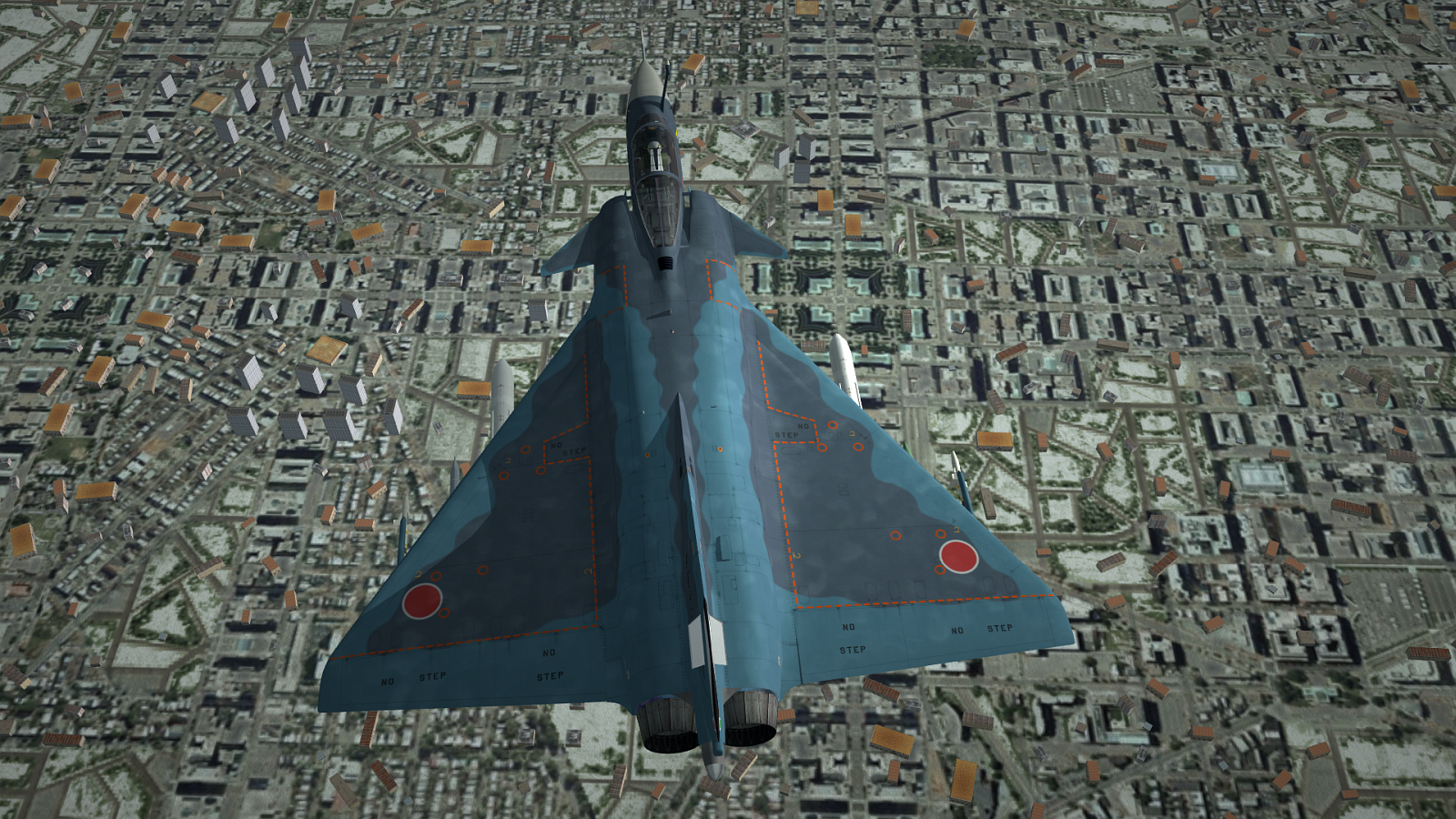
The single-seated 4000J entered service in 2000 and replaced the Mirage 5J in the 305th Hikotai and got the prime model for the 6th Hikotai.
Mirage 4000J, 6th Hikotai, 2000
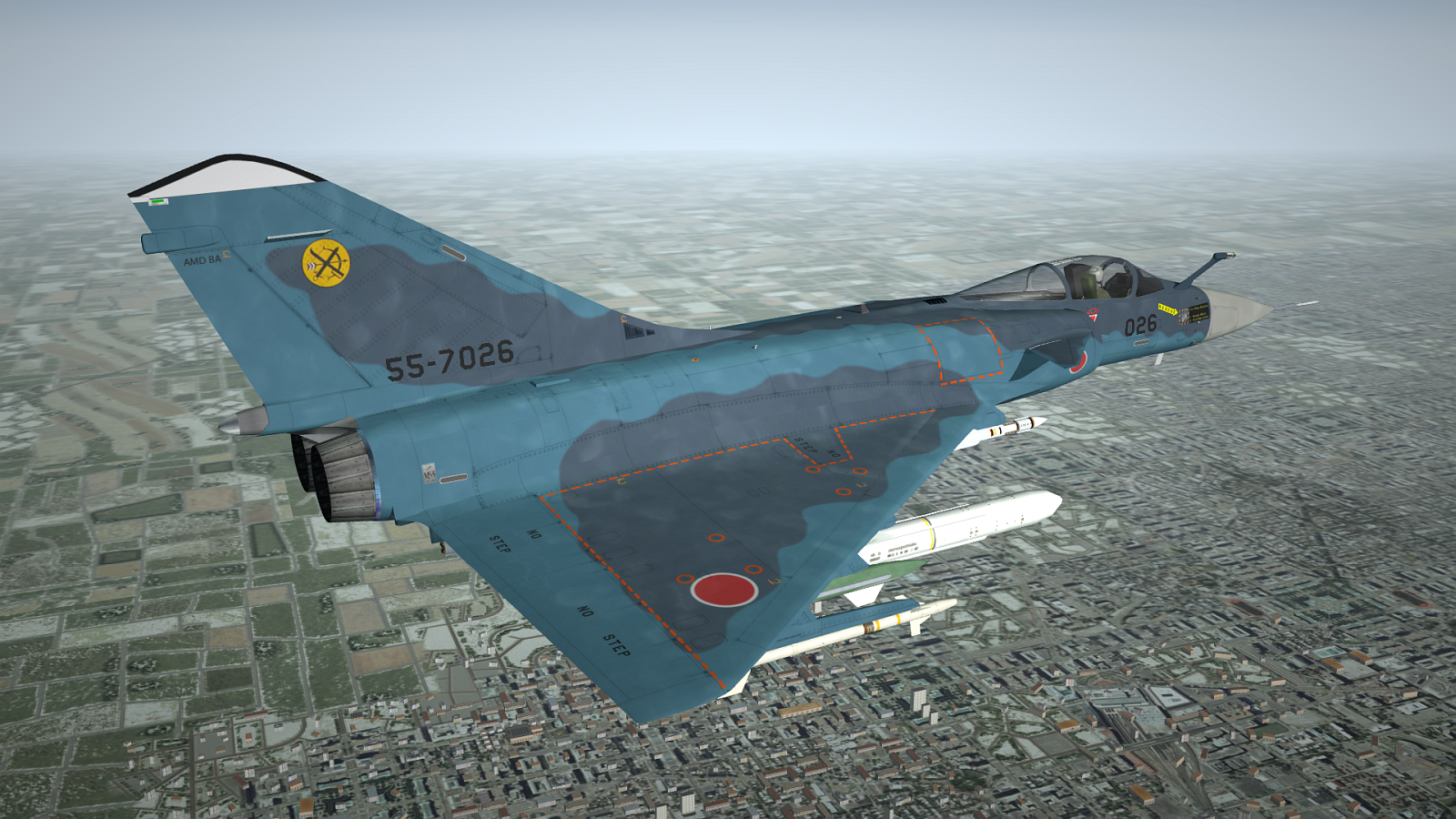
305th Hikotai
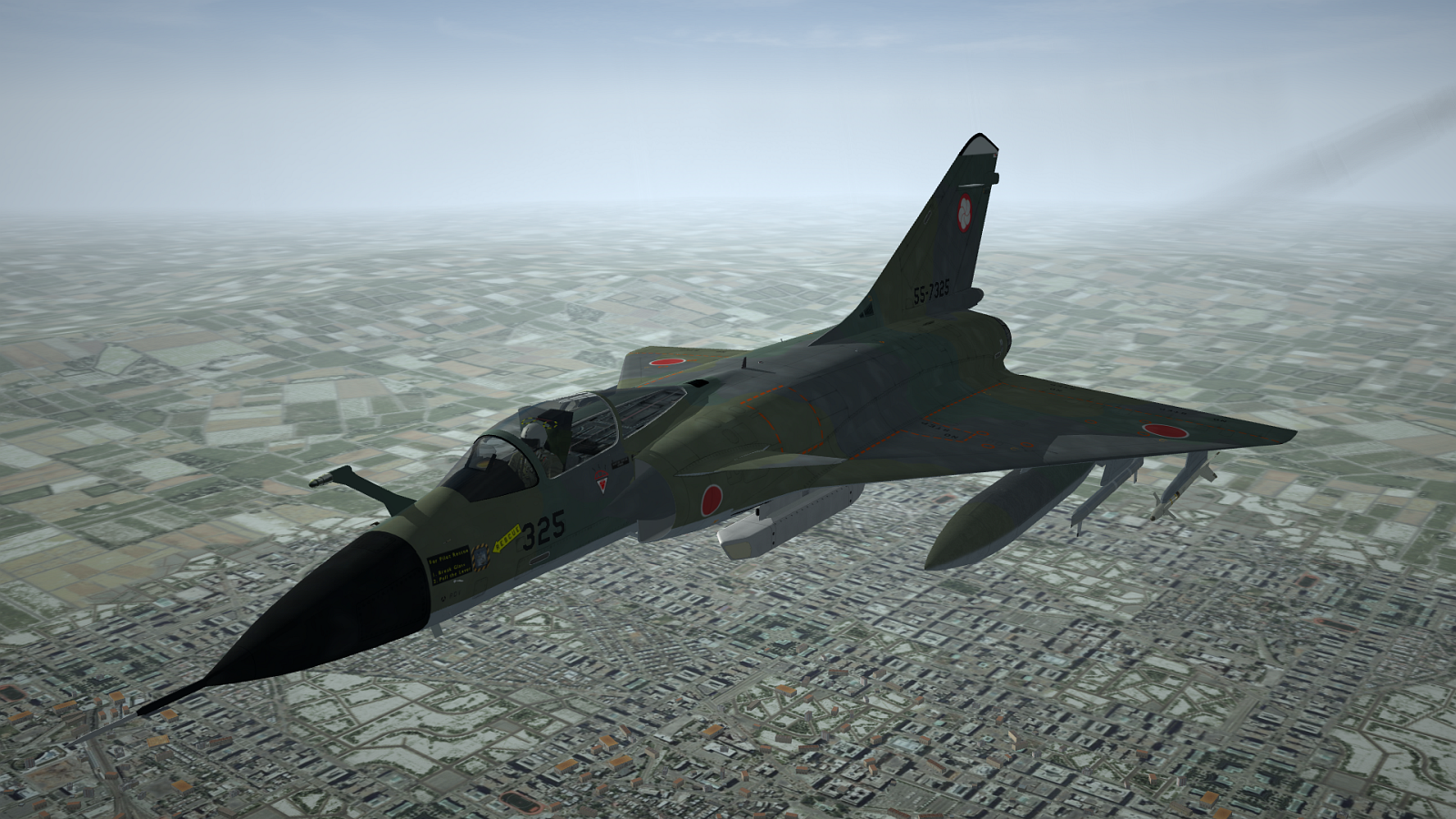
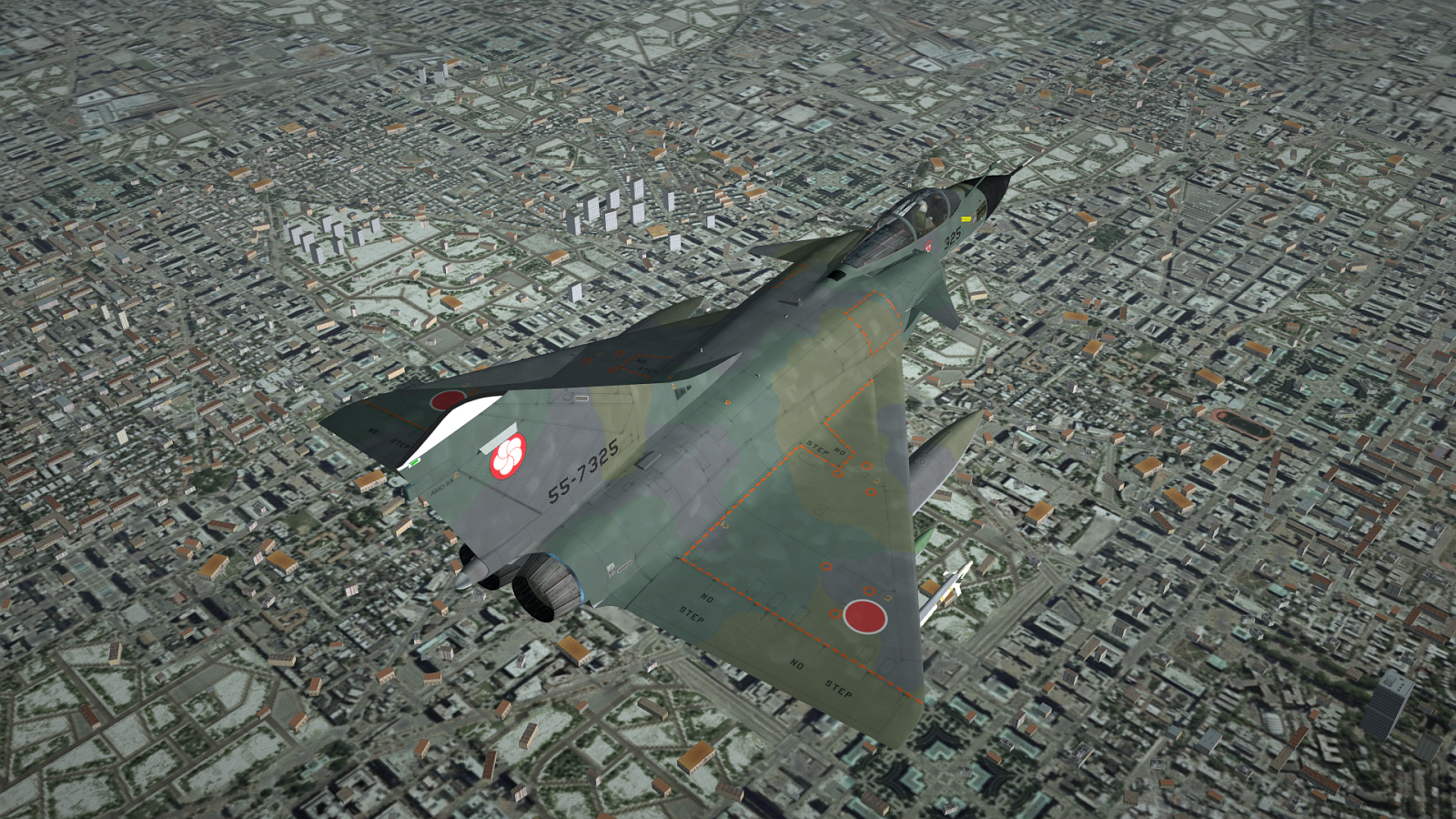
Tthe double-seated aircraft got allocated primarily to the aggressor squadron Hiko Kyodogun, where 8 of the 12 aircraft found a new home. The remaining four entered service in the 501st, finally taking the remaining 5Js out of service.
Mirage 4000DJ, 501st Hikotai, 2000
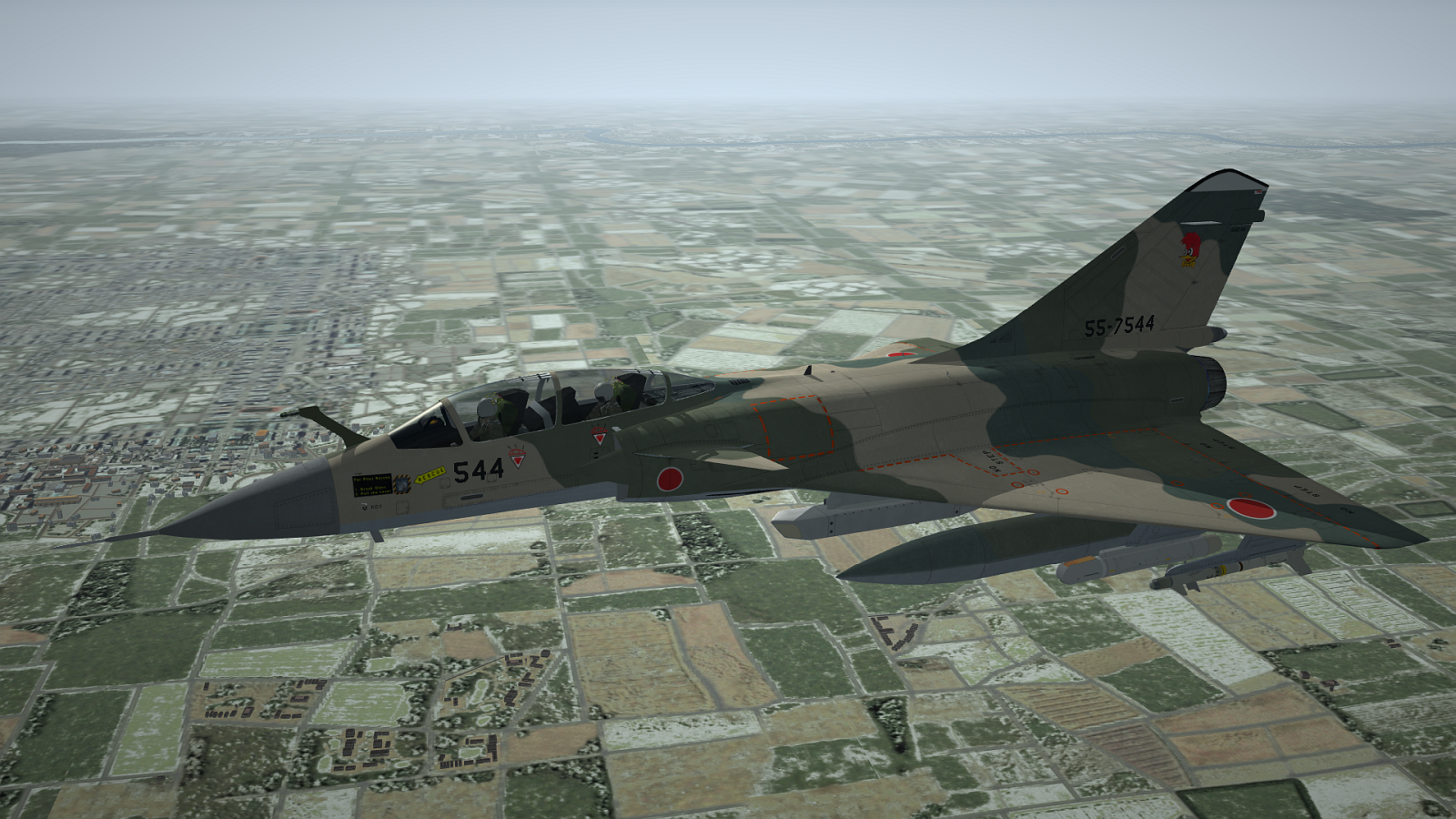
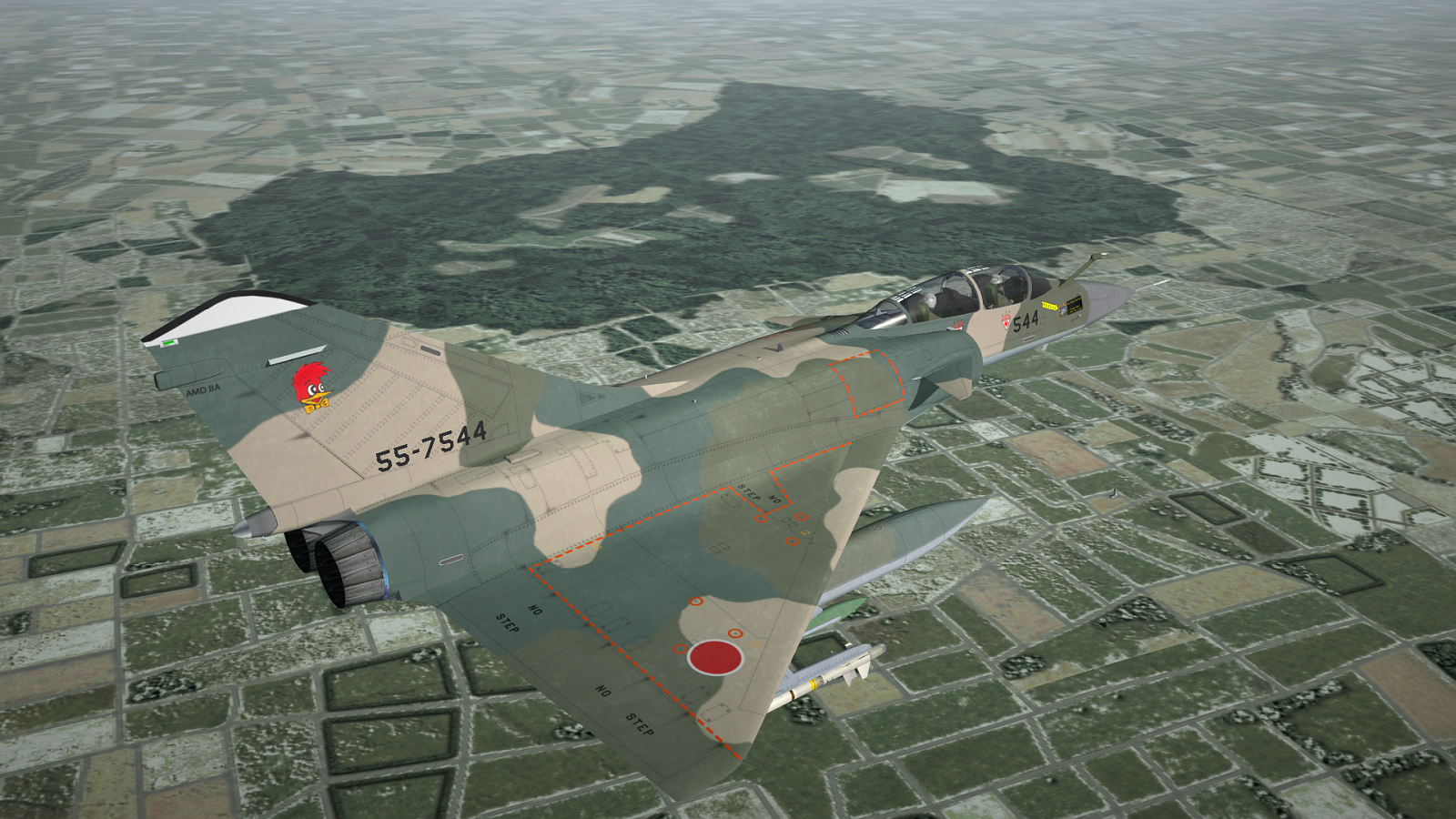
Serial 55-7742, Hiko Kyodogun, 2000
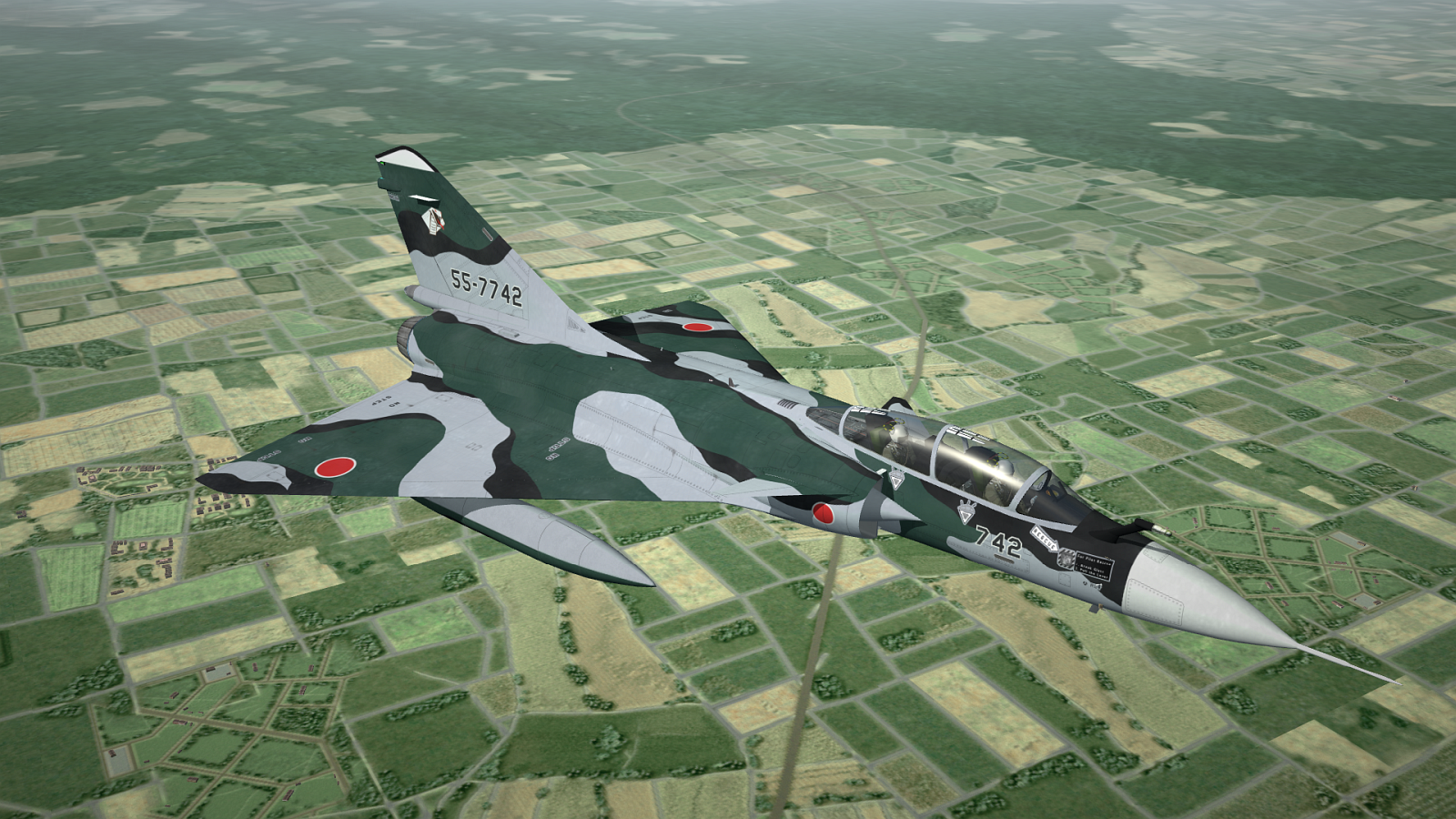
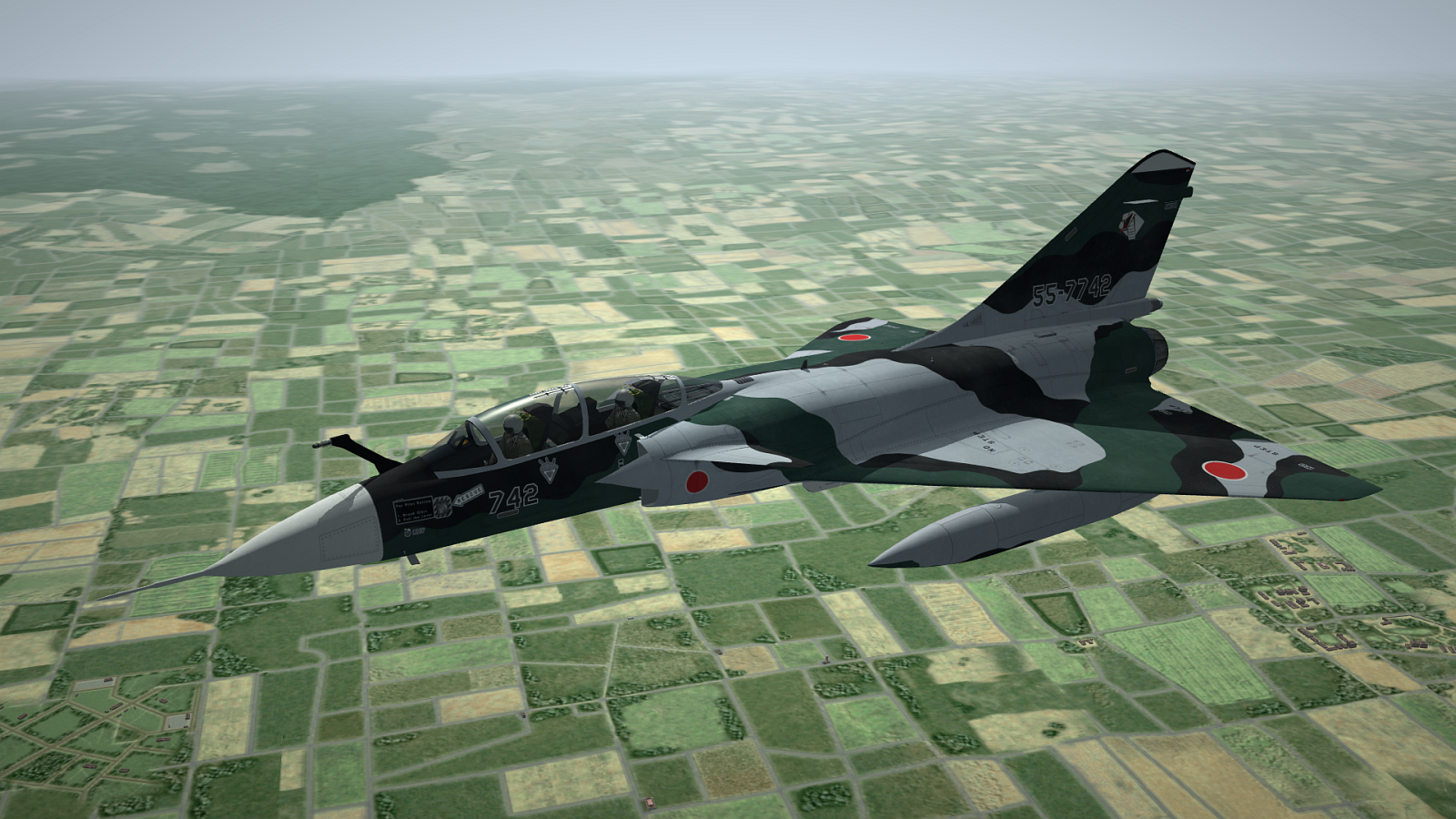
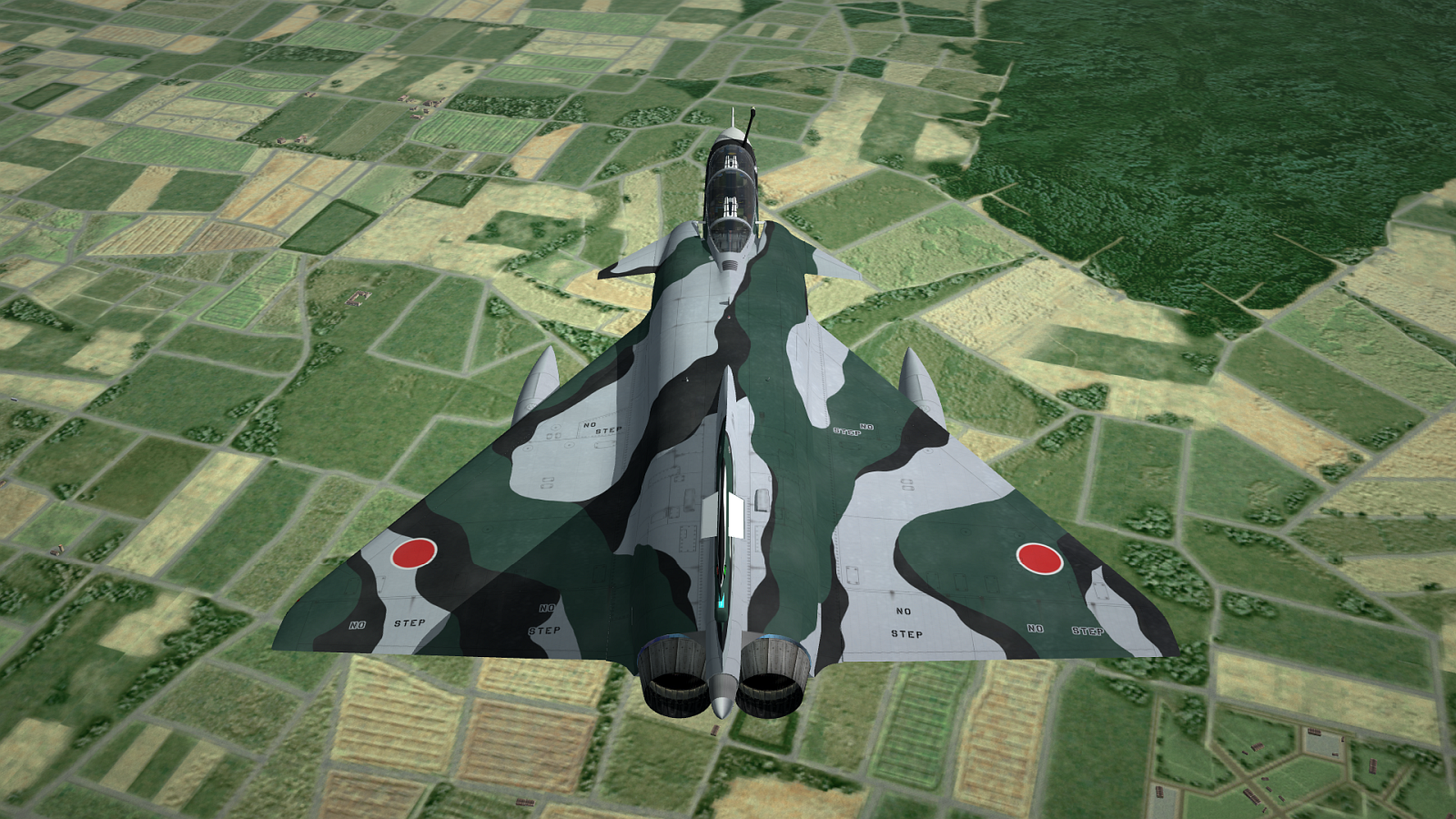
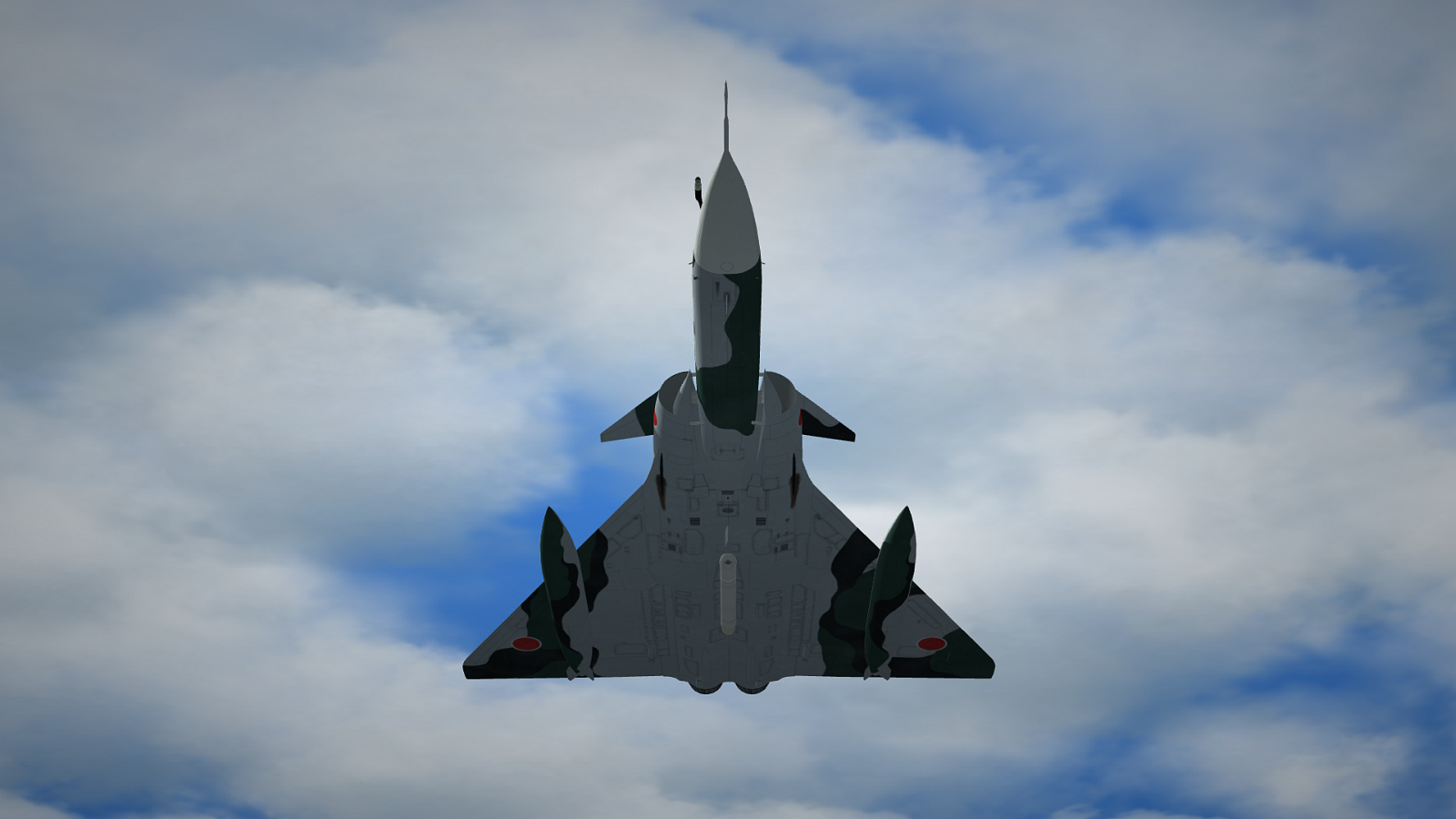
Serial 55-7743, Hiko Kyodogun, 2000
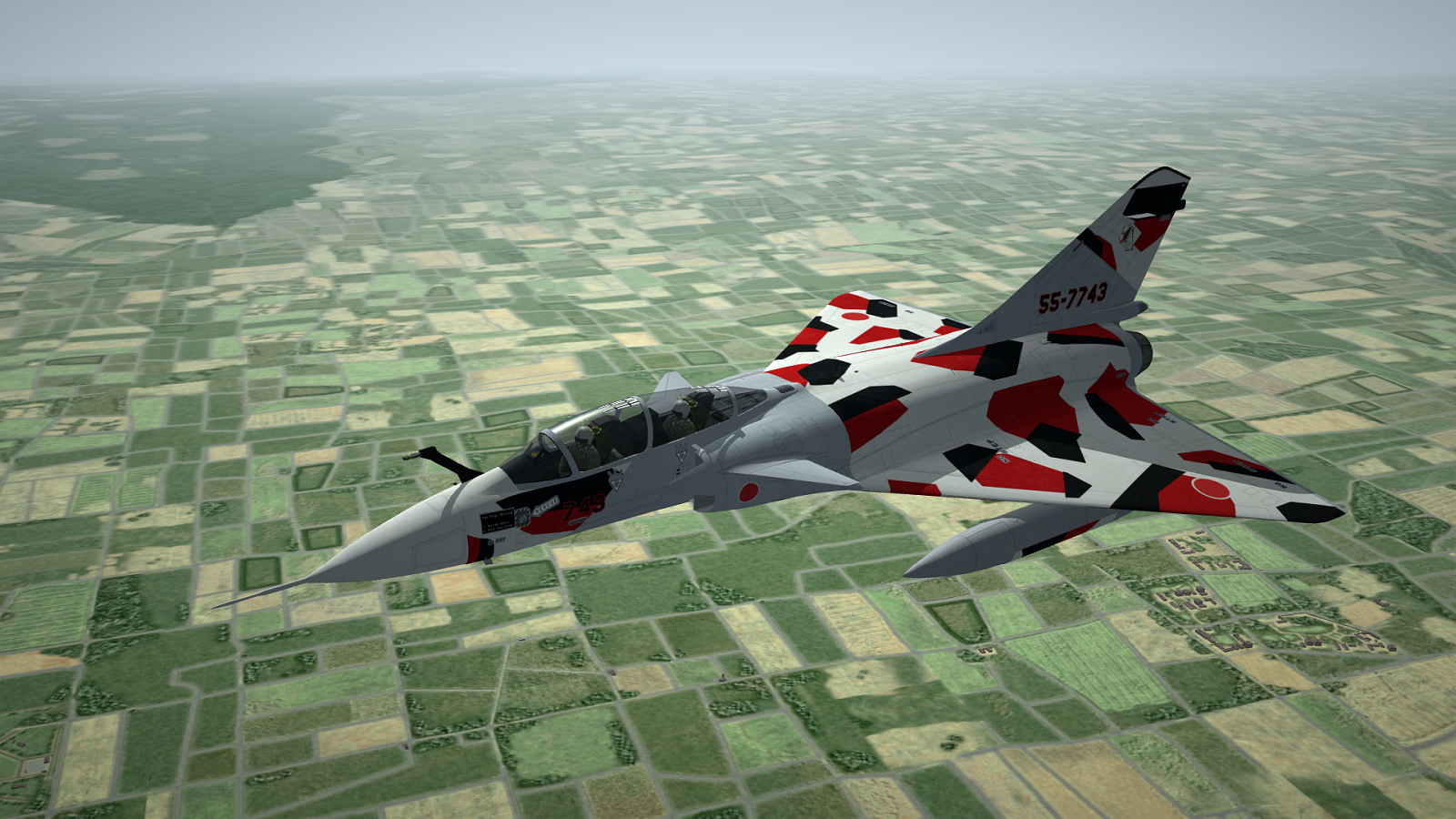
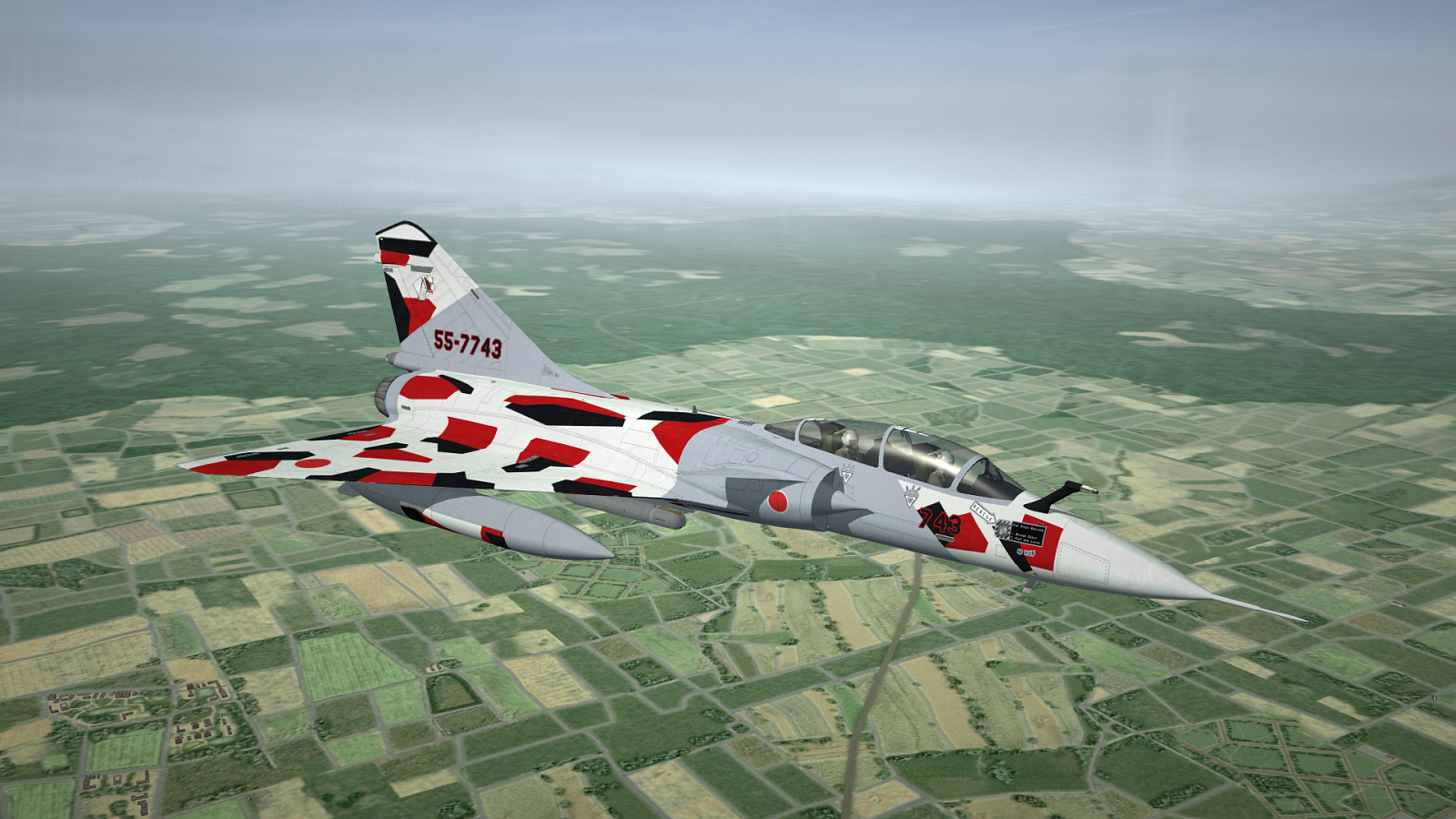
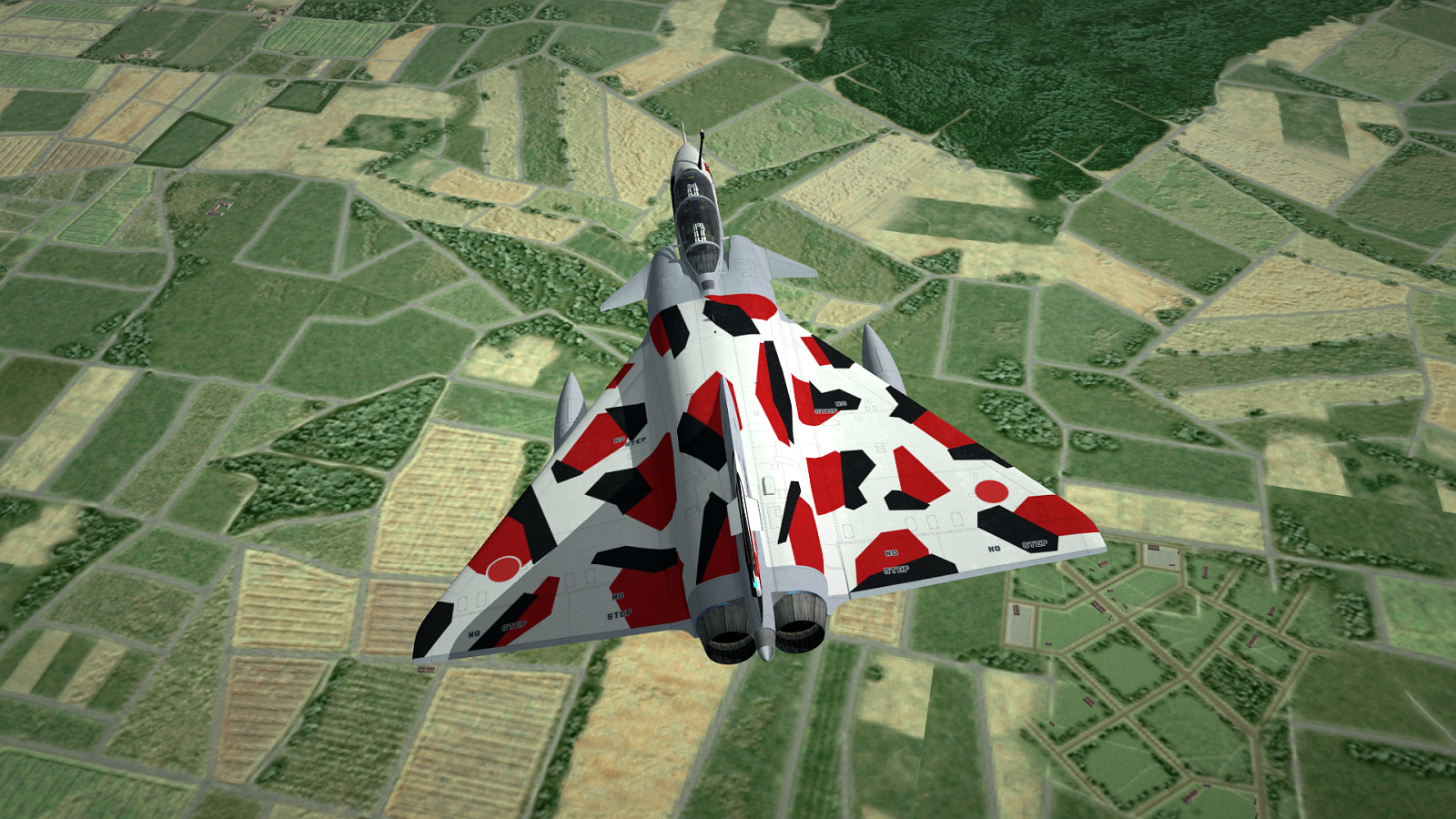
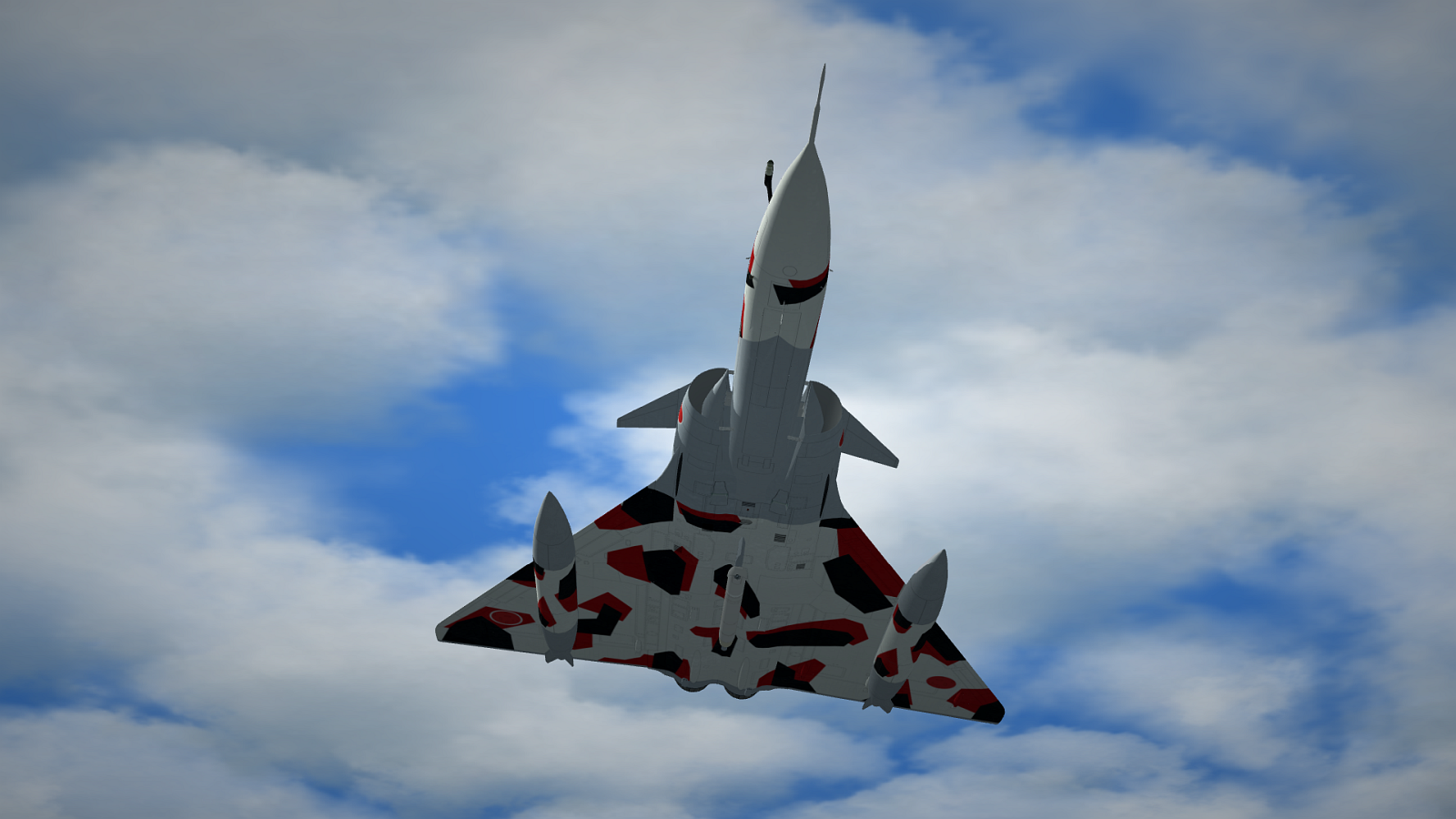
"Welcome fellow aviators...this is your captain speaking..."
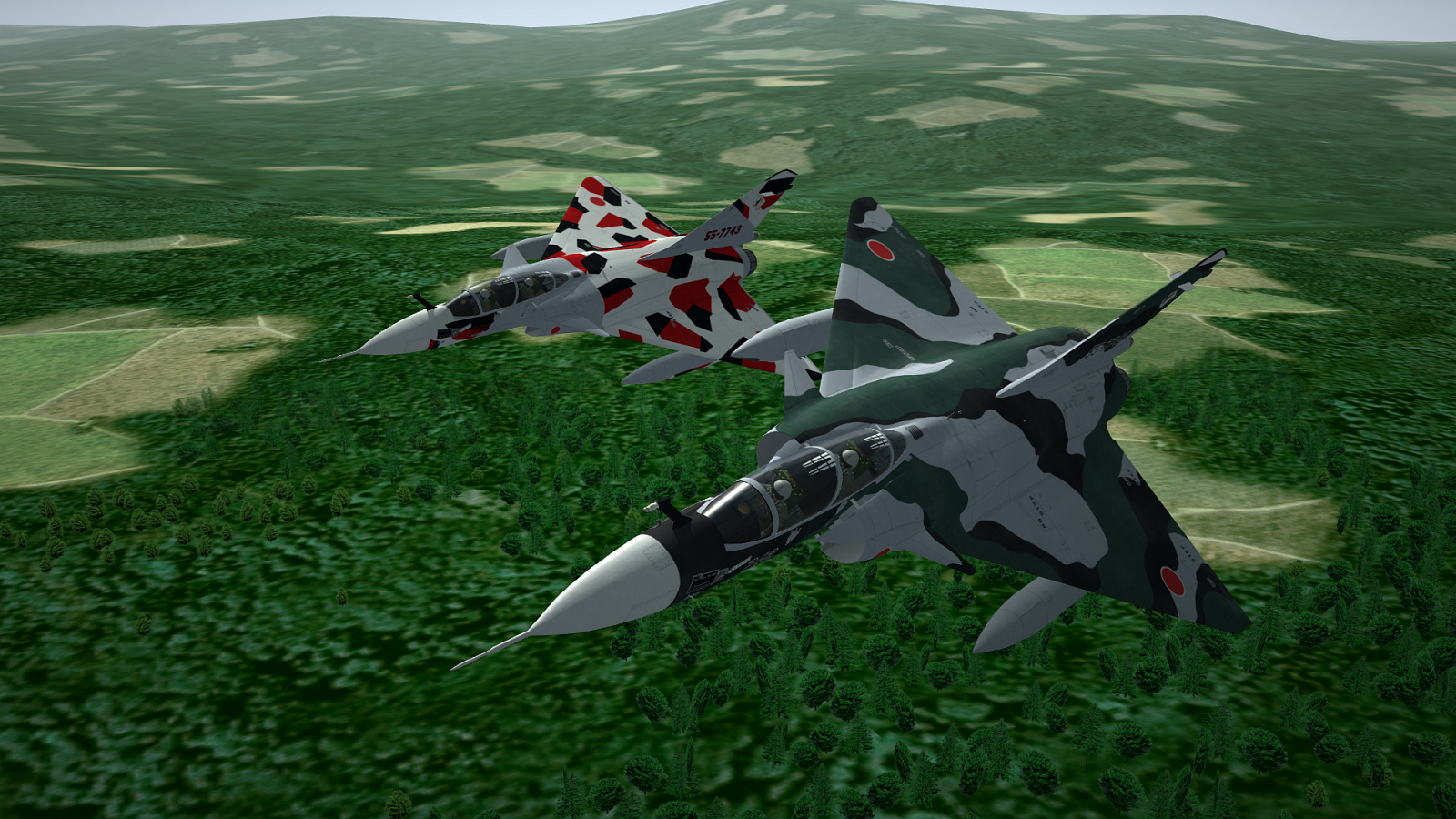
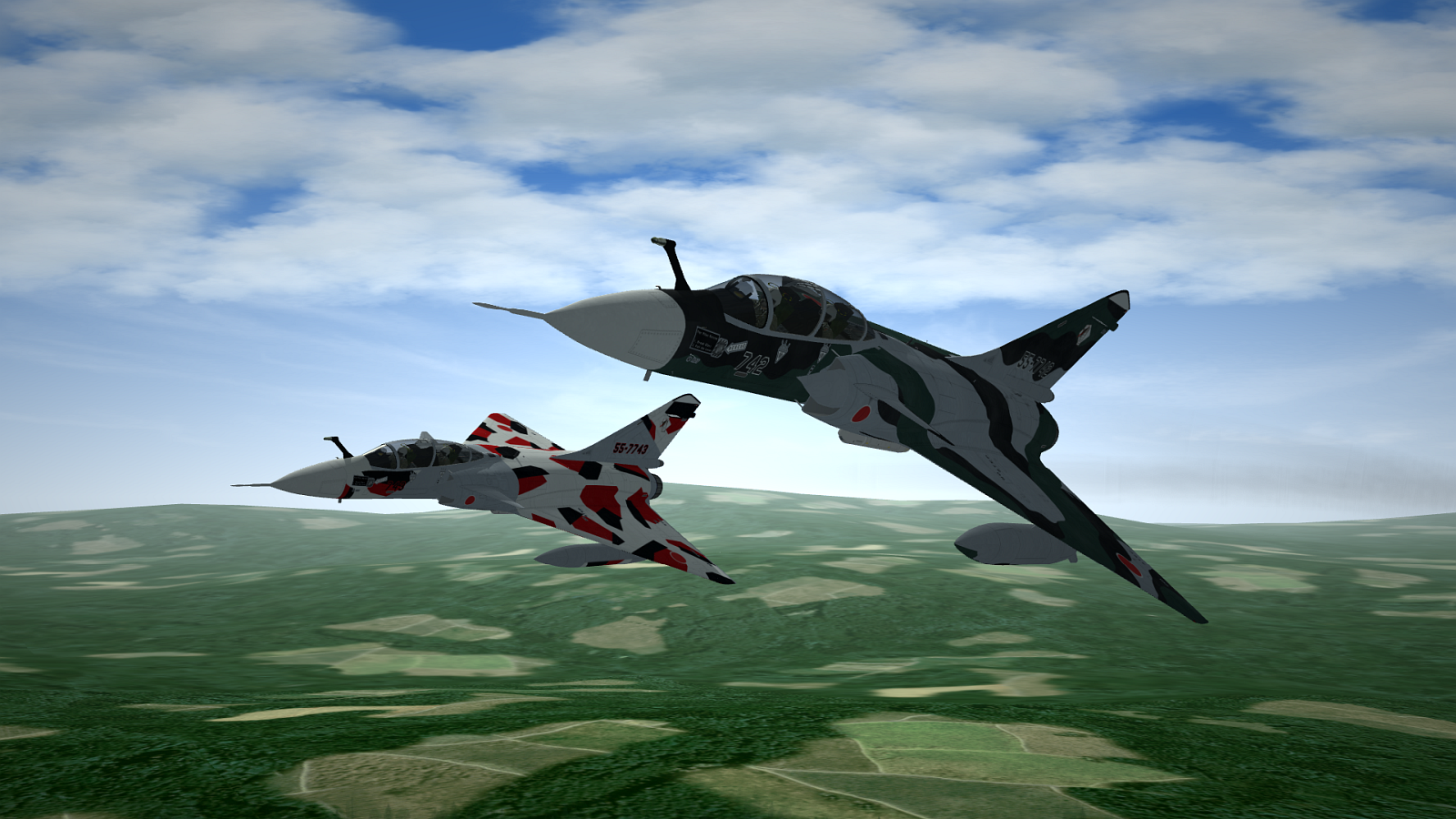
-
12
-
-
19 hours ago, Svetlin said:
In all honesty, they have had much uglier 2-seater designs. Take the MiG-25UB and Yak-38U for example... This one looks natural at least.
Follows the design of the SU-30, enabling a better front view of the WSO or training officer, depending on the use.
-
4 hours ago, snapper 21 said:
I think the radar is controlled by the HUDDATA in Flight folder. mine is set to not show.
[Display004]
DisplayType=RADAR
PosX=0.865
PosY=0.015
Width=0
Height=0
Alpha=0.60
InitTime=2.0Ah...thanks for the intel. Man...I'm still that green in this game

-
If I remember correctly... if the radar is displayed somewhere in the cockpit, it disappears in the corner, since the engine only can provide one radar.
-
1
-
-
Glad to hear that no one got hurt in that fire. Material loss is painful, but more is the personal.
Also glad that your house made it untouched. Sorry, for the neighbors though.
-
1
-
-
13 hours ago, ravenclaw_007 said:
im now in a rehbilitation center ( REHA ) and i feel a bit better now , still long way to go
before the stroke i tooke 4 pills at the morning now i take 13 and feel the whole day a little bit tipsy and tired but i have time to look for pictures and info material on the israeli and thurkish F-4E cockpits , what i still need are good pictures of the side panels especialy the right side panels if somebody can help me here would be create
other than this i do my daily routine and the exersice that i have do here and hope that i can have a speedy recovery

regards Volker
Take your time, Volker. Health is always first. I wish you all the best for a fast and complete recovery!

-
1
-
-
-
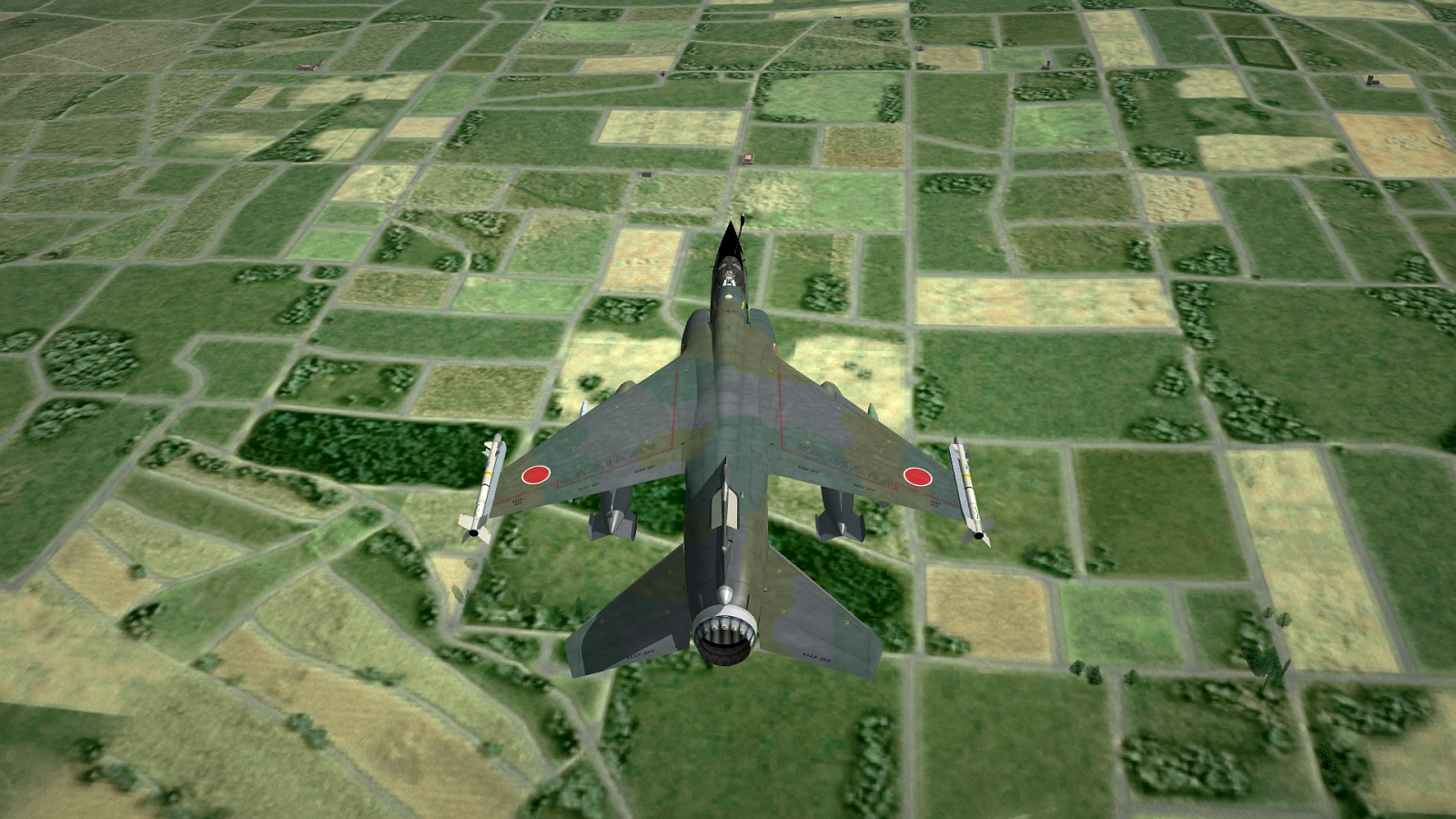
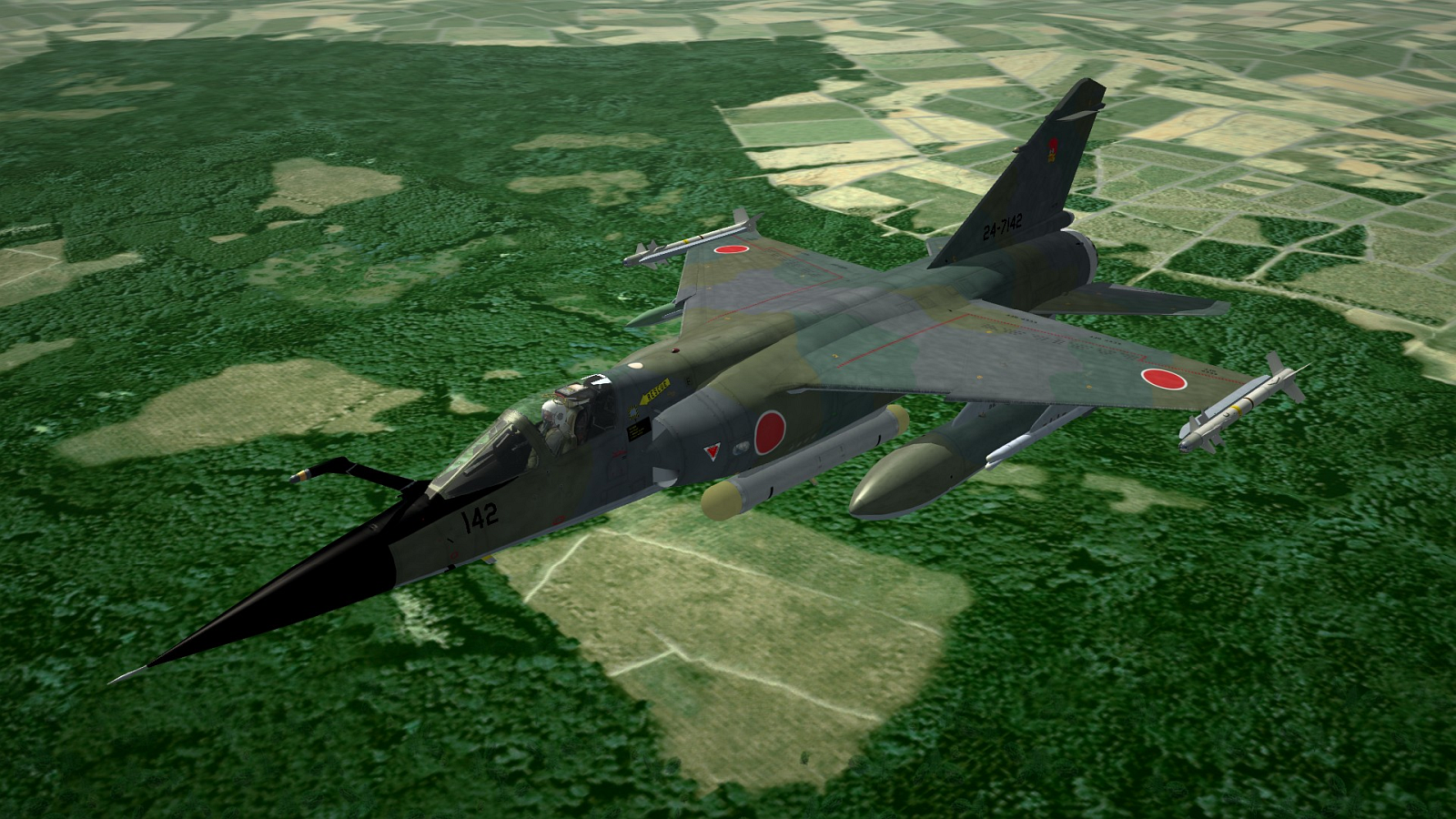
[Fictional] Dassault Mirage F-1CJ for STRIKE FIGHTERS 2
Mod of the superb Mirage F-1EE Early from the Mirage F-1 Team to make it look like a fictional fighter plane for the japanese air self Defence force.
BACKGROUND
During the Cuban Missile Crisis, a diplomatic crisis erupted between the US and Japan when the Kennedy administration pressured its Pacific ally to contribute to nuclear deterrence by allowing the US to deploy medium-range missiles on japanese soil. McNamara and Dean Rusk, in particular, pressured Hayato Ikeda, then Prime Minister of Japan. After he yielded to American pressure, protests, some of them violent, erupted in Japan, especially in Tokyo and Osaka, by opponents of this decision. The people feared a Soviet retaliation that could lead to a drastic escalation.
Due to internal pressure, including from the Emperor, who did not want to see his people die in another war, Ikeda ultimately rejected the American demands. Surprised by the Japanese withdrawal, the US again attempted to exert pressure, threatening a massive weakening of alliance agreements, which would leave Japan militarily severely weakened. The threat of a military conflict with China and the Soviet Union loomed. Due to the US's anti-communist doctrine, they would have continued to support Japan in such a scenario, but wanted to force a return to a more conciliatory stance.
However, Japan's refusal to yield to US pressure had diplomatic and military consequences. The Americans reduced trade with Japan, which also impacted technology exchange in the military sector. In addition, the Americans largely withdrew their military presence from Japan, leaving only a reconnaissance unit tasked with monitoring of the neighboring communist countries.
Japan now needed a new source of military equipment, as the American withdrawal also drastically hampered its ability to purchase military supplies. Japan approached Britain and France, as these two countries, after the United States, were the leading military powers in the Western world. Sweden had also been considered, but the kingdom had reservations. The British were also hesitant. De Gaulle, seeing an opportunity to expand France's sphere of influence, sent diplomats Maurice Couve de Murville and Michel Debré to Tokyo to conduct the initial negotiations.
Marcel Dassault accompanied them to Japan, as the country intended to purchase a large number of aircraft for combat and transport missions.
Due to the current global security situation, Japan sought a swift conclusion to the negotiations. Within a few days, the talks were largely completed. This was made possible, in part, by the congruence of the respective demands. While the French side hoped to benefit from the booming Japanese electronics industry, Japan wanted to quickly equip its military with French equipment in order to reduce the massively increased costs of maintaining its American equipment.
The contracts were signed in Paris, where Charles de Gaulle, together with his counterpart (and successor to Ikeda) Eisaku Sato, celebrated the beginning of a new friendship in December 1964. De Gaulle referred to Japan in this context as the "third force."
The first Mirage IIIC aircraft were delivered to the Japanese armed forces in the spring of 1965. The Japanese immediately integrated them into active units and sold the released Starfighters to other countries (with the approval of the United States).
The agreement between France and Japan also stipulated that the aircraft could optionally be built under license by Mitsubishi. While the first aircraft were modified for Japanese operational conditions, Japan began producing the IIIC as the IIICJ itself in 1966. The same principle was then adopted for the Mirage V.
In 1980, the JASDF ordered 54 Mirage F-1s from Dassault, including eight two-seaters. These were built in France, but without most of the electronics, which were subsequently retrofitted by Mitsubishi. The aircraft were originally intended as an interim solution until the 2000J and 4000J were available in sufficient numbers. The F-1CJs, delivered from 1982 onward, were primarily used for anti-ship warfare and reconnaissance; however, they could also easily provide close air support. They were deployed in the 8th Hikotai and the 501st Hikotai. Their service ended in 2002 with the introduction of the new fighter variants.
INSTRUCTIONS1. Drop the folders into your Objects folder. If asked to overwrite, click yes.
CREDITSBig Thanks to the Mirage F-1 team for the creation of this superb mod.
Also thanks to Ludo for allowing me to release it.
ORIGINAL CREDITS- Aircraft : BPAO, Flying Toaster and Denissoliveira.
- Cockpit : BPAO, Brain32, Centurion-1, Denissoliveira and Pvince.
- Skins : Ludo.m54.
- Decals : Ludo.m54.
- Templates : Brain32, ACE888 and Ludo.m54.
- Avionics and data tweaks : Pvince and Crusader.
- FM : Baffmeister.
- Interception light : Coupi
- Weapons : Ravenclaw_007, Denissoliveira and Ludo.m54.
- Seats : Ravenclaw from the Buccaner Pack.
- Pilots : GKABS (3D models) and Ludo.m54 (texture).
- Hangars et loading screens : Coupi.In case I forgot someone, pls tell me and I fix it ASAP.
Kindest regards
ValAstur
-
Submitter
-
Submitted04/14/2026
-
Category
-
-
@ludo.m54 Are you fine with me releasing this one?
I used the F-1EE as a base for this mod.
-
During the Cuban Missile Crisis, a diplomatic crisis erupted between the US and Japan when the Kennedy administration pressured its Pacific ally to contribute to nuclear deterrence by allowing the US to deploy medium-range missiles on japanese soil. McNamara and Dean Rusk, in particular, pressured Hayato Ikeda, then Prime Minister of Japan. After he yielded to American pressure, protests, some of them violent, erupted in Japan, especially in Tokyo and Osaka, by opponents of this decision. The people feared a Soviet retaliation that could lead to a drastic escalation.
Due to internal pressure, including from the Emperor, who did not want to see his people die in another war, Ikeda ultimately rejected the American demands. Surprised by the Japanese withdrawal, the US again attempted to exert pressure, threatening a massive weakening of alliance agreements, which would leave Japan militarily severely weakened. The threat of a military conflict with China and the Soviet Union loomed. Due to the US's anti-communist doctrine, they would have continued to support Japan in such a scenario, but wanted to force a return to a more conciliatory stance.
However, Japan's refusal to yield to US pressure had diplomatic and military consequences. The Americans reduced trade with Japan, which also impacted technology exchange in the military sector. In addition, the Americans largely withdrew their military presence from Japan, leaving only a reconnaissance unit tasked with monitoring of the neighboring communist countries.
Japan now needed a new source of military equipment, as the American withdrawal also drastically hampered its ability to purchase military supplies. Japan approached Britain and France, as these two countries, after the United States, were the leading military powers in the Western world. Sweden had also been considered, but the kingdom had reservations. The British were also hesitant. De Gaulle, seeing an opportunity to expand France's sphere of influence, sent diplomats Maurice Couve de Murville and Michel Debré to Tokyo to conduct the initial negotiations.
Marcel Dassault accompanied them to Japan, as the country intended to purchase a large number of aircraft for combat and transport missions.
Due to the current global security situation, Japan sought a swift conclusion to the negotiations. Within a few days, the talks were largely completed. This was made possible, in part, by the congruence of the respective demands. While the French side hoped to benefit from the booming Japanese electronics industry, Japan wanted to quickly equip its military with French equipment in order to reduce the massively increased costs of maintaining its American equipment.
The contracts were signed in Paris, where Charles de Gaulle, together with his counterpart (and successor to Ikeda) Eisaku Sato, celebrated the beginning of a new friendship in December 1964. De Gaulle referred to Japan in this context as the "third force."
The first Mirage IIIC aircraft were delivered to the Japanese armed forces in the spring of 1965. The Japanese immediately integrated them into active units and sold the released Starfighters to other countries (with the approval of the United States).
The agreement between France and Japan also stipulated that the aircraft could optionally be built under license by Mitsubishi. While the first aircraft were modified for Japanese operational conditions, Japan began producing the IIIC as the IIICJ itself in 1966. The same principle was then adopted for the Mirage V.
In 1980, the JASDF ordered 54 Mirage F-1s from Dassault, including eight two-seaters. These were built in France, but without most of the electronics, which were subsequently retrofitted by Mitsubishi. The aircraft were originally intended as an interim solution until the 2000J and 4000J were available in sufficient numbers. The F-1CJs, delivered from 1982 onward, were primarily used for anti-ship warfare and reconnaissance; however, they could also easily provide close air support. They were deployed in the 8th Hikotai and the 501st Hikotai. Their service ended in 2002 with the introduction of the new fighter variants.
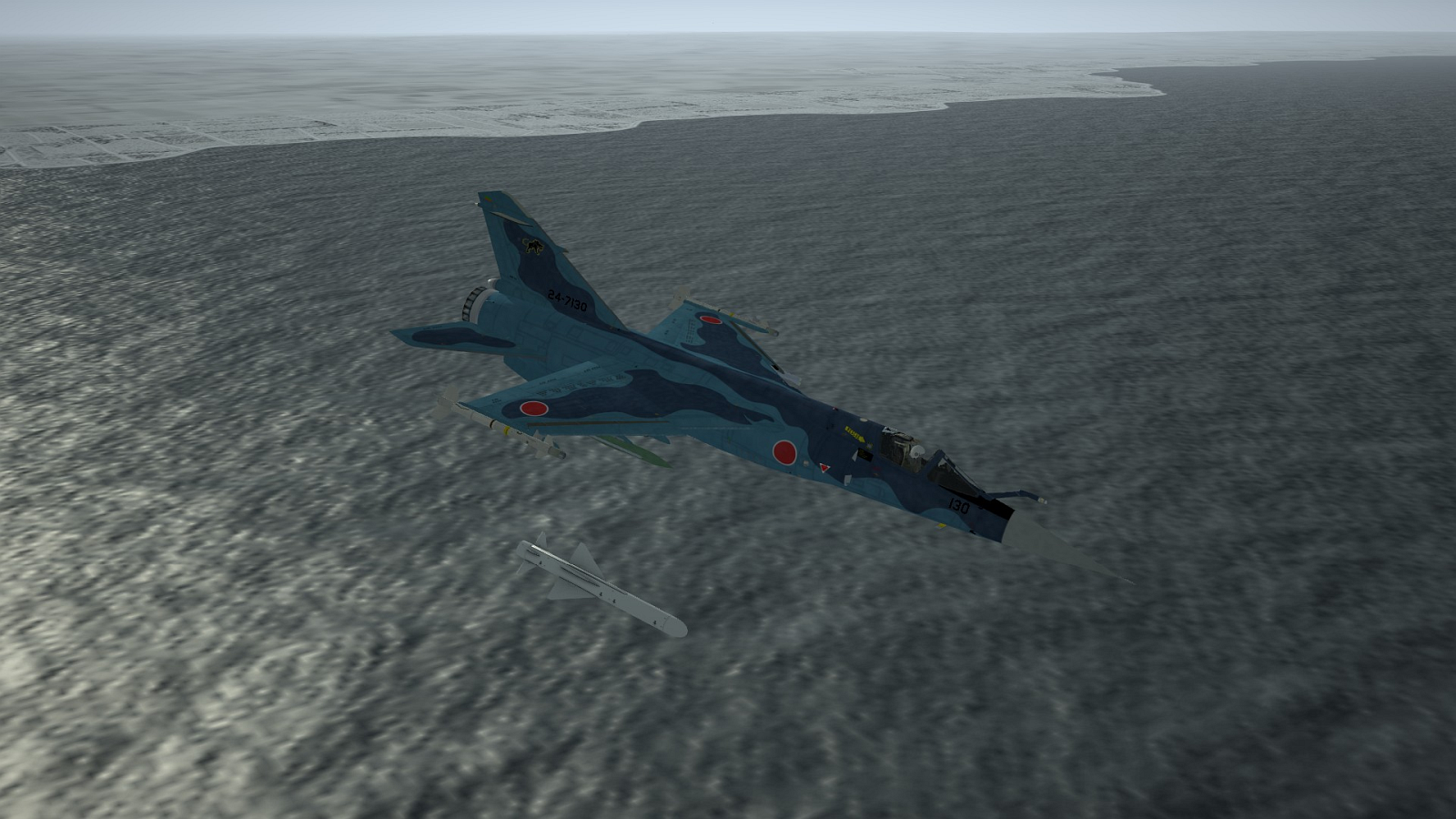
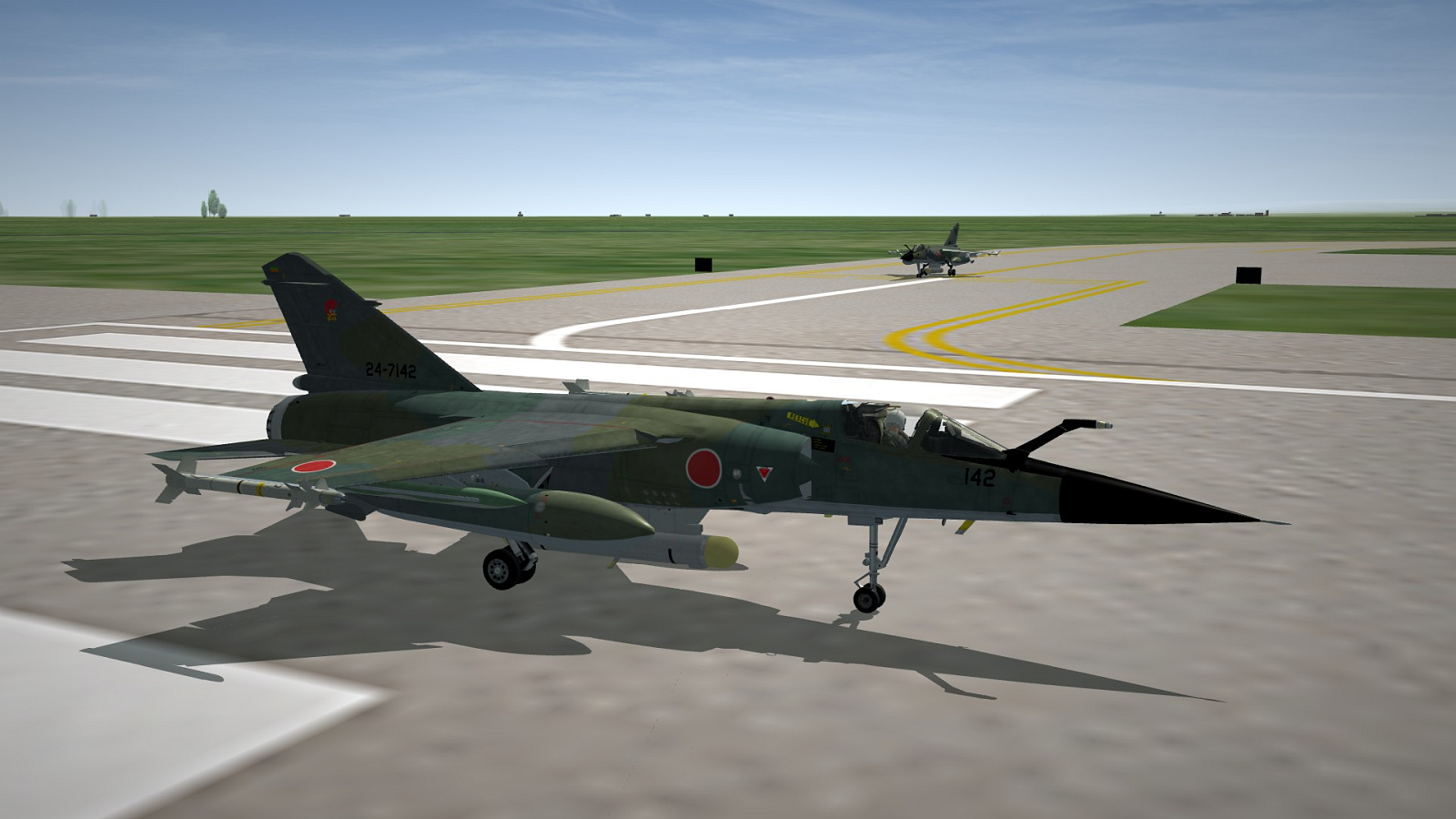
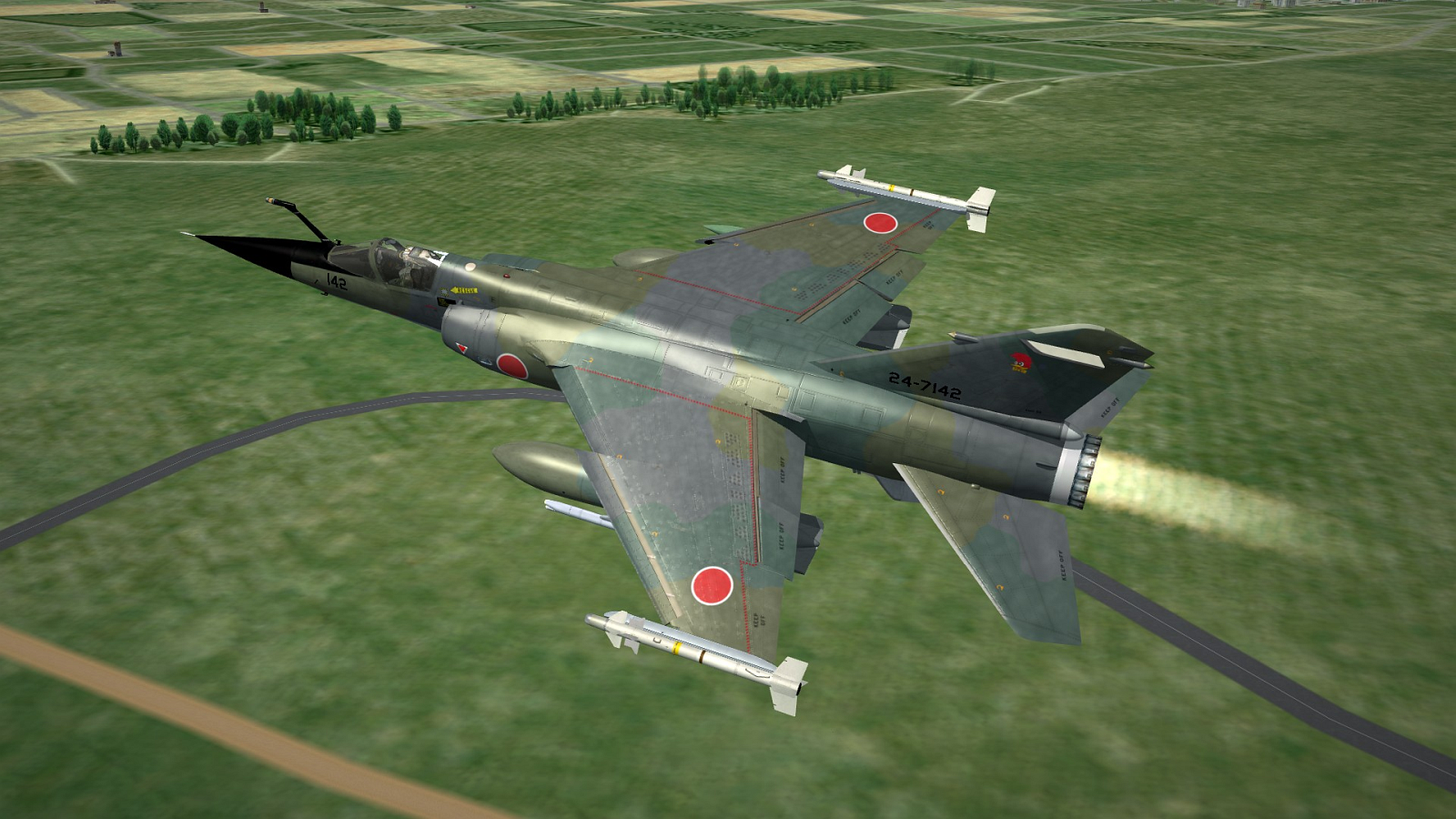
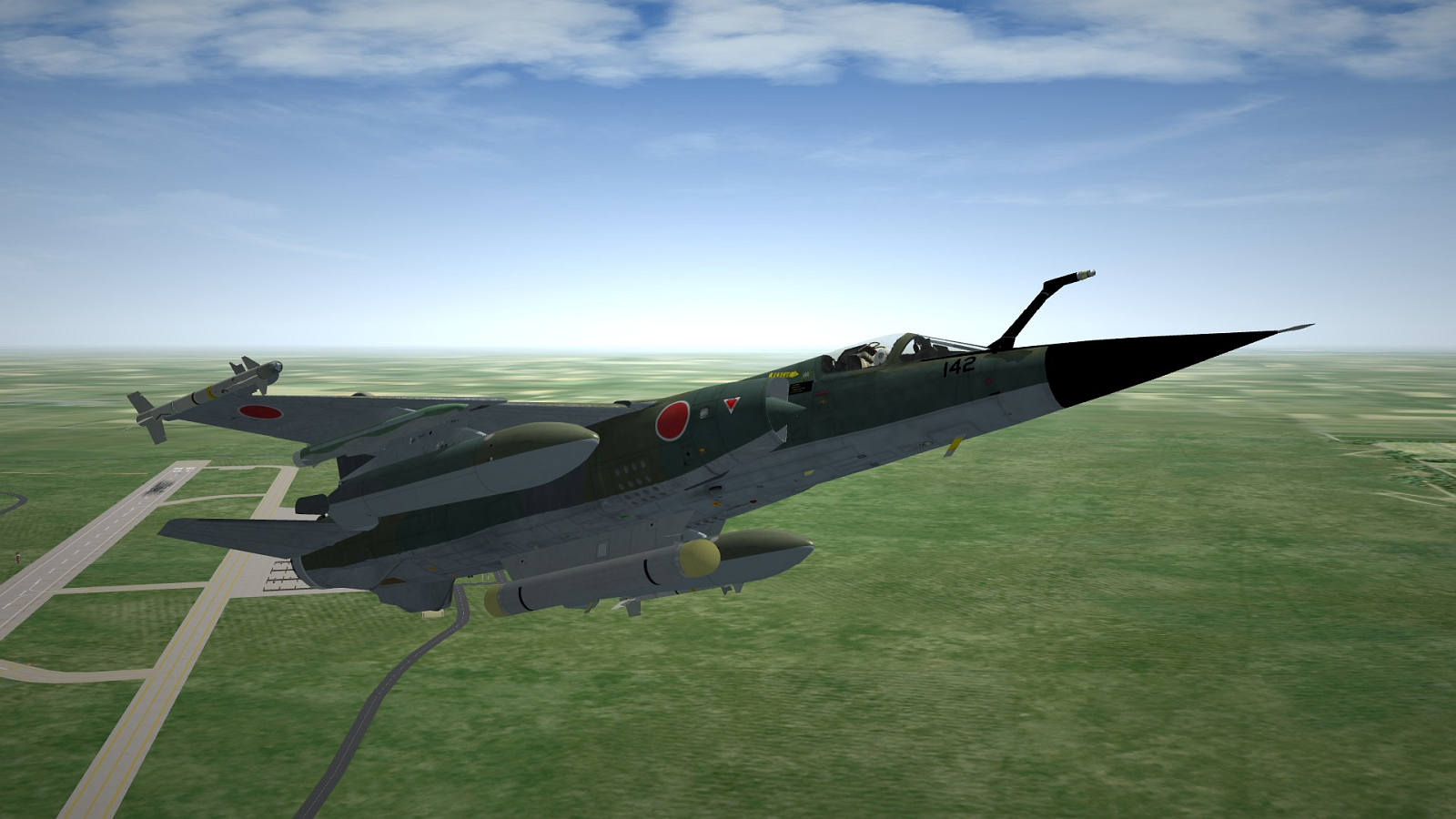
Mirage/Mitsubishi F-1CJ, 8 HIkotai, 1982
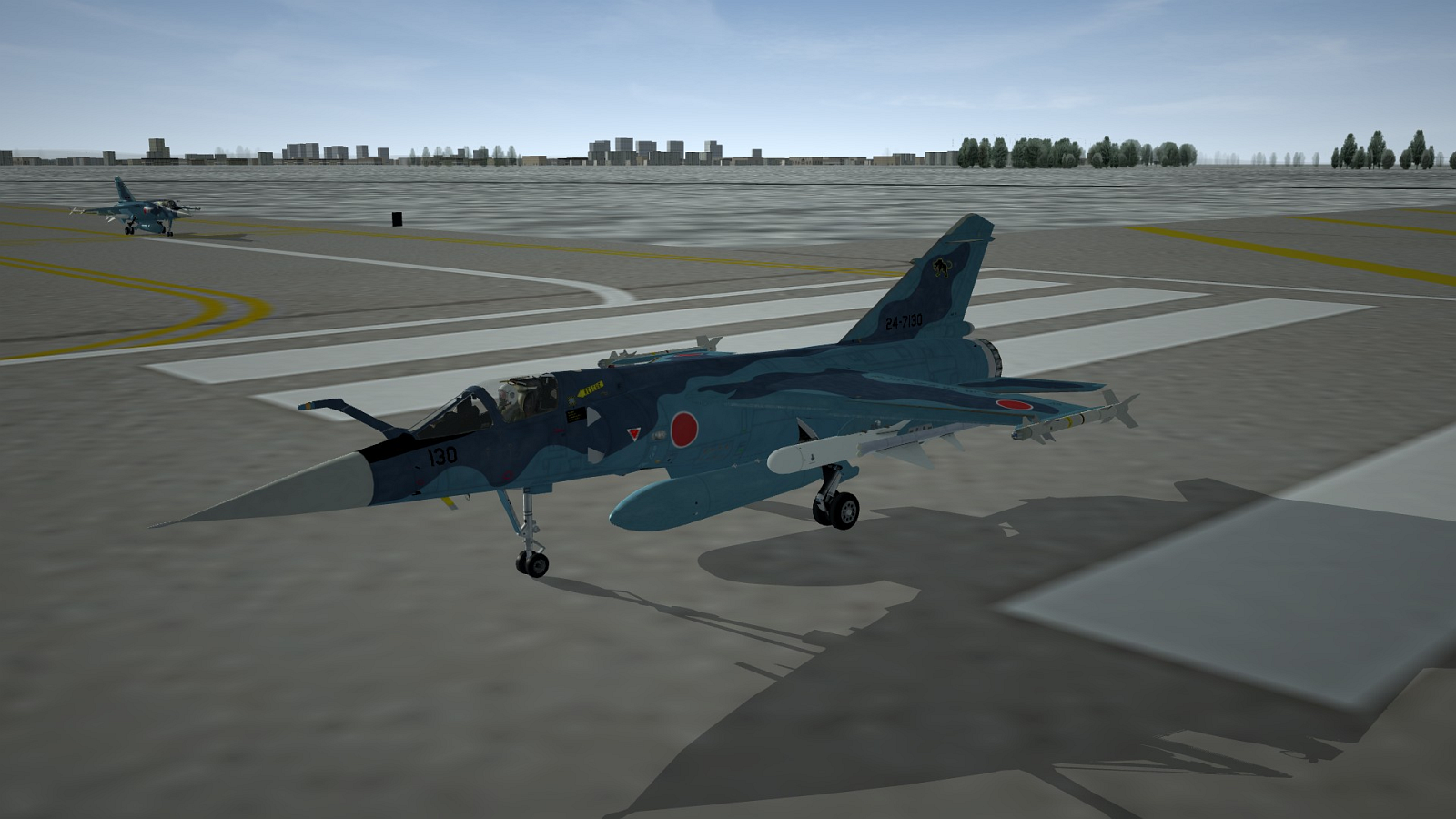
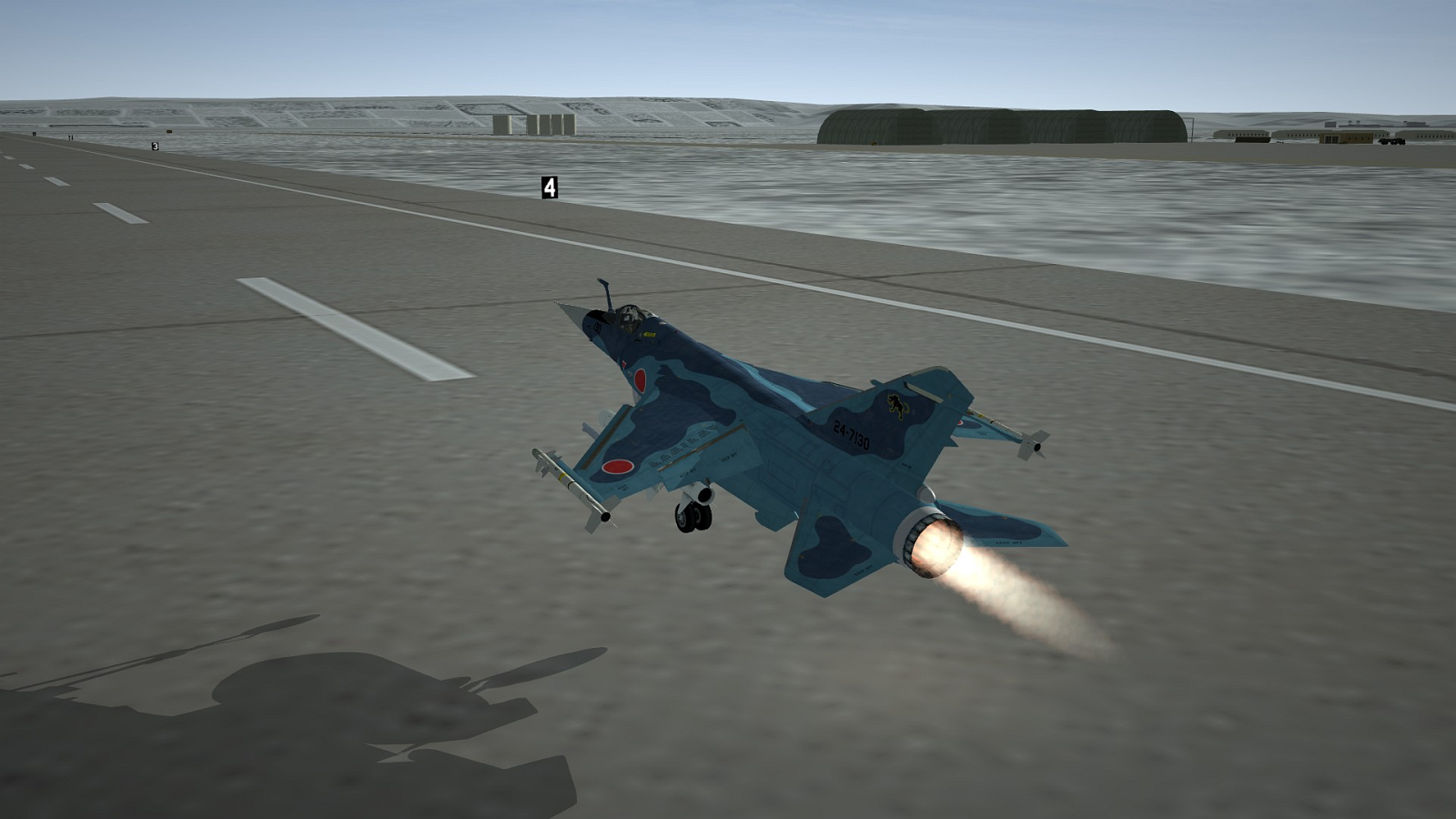
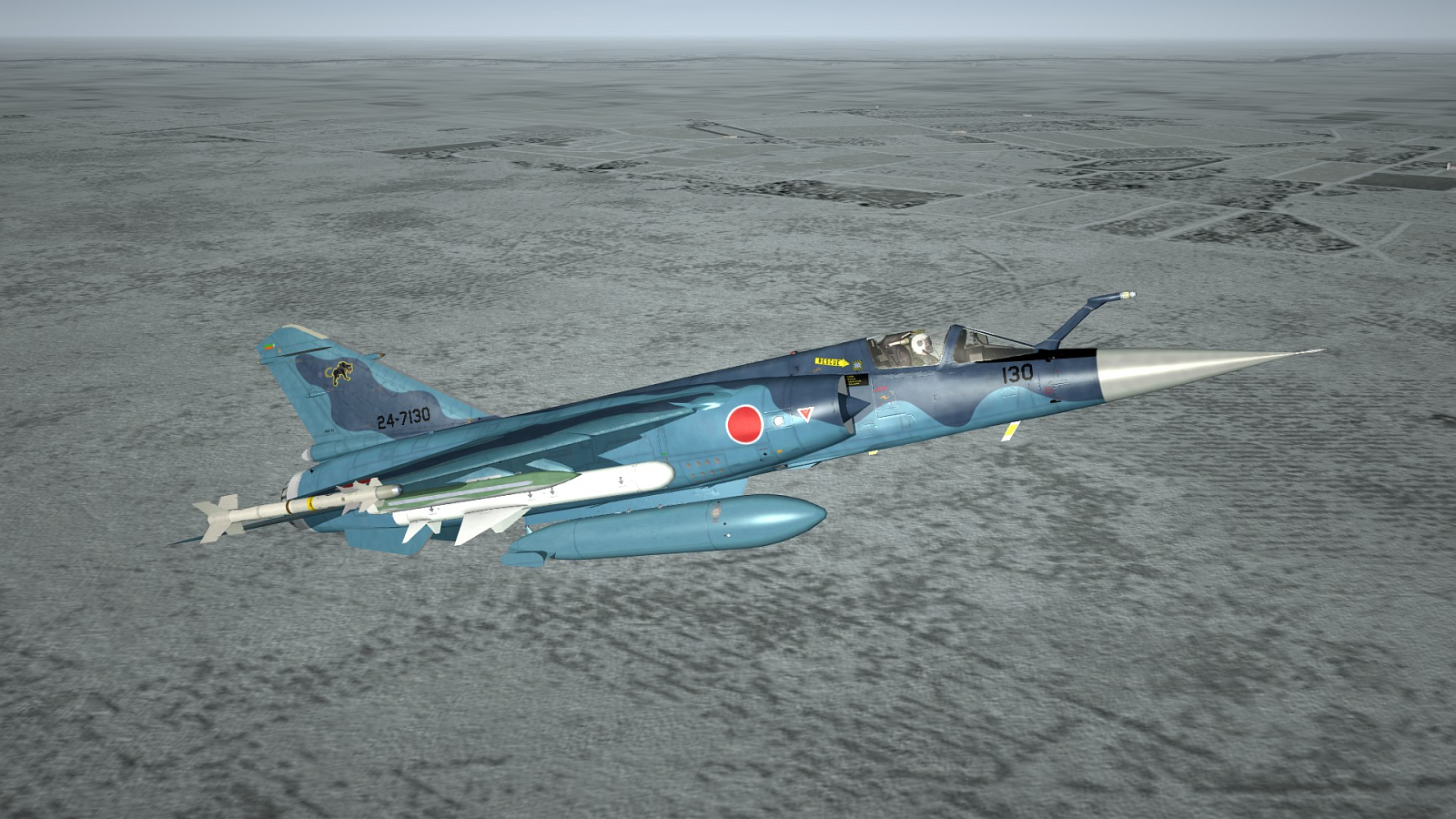
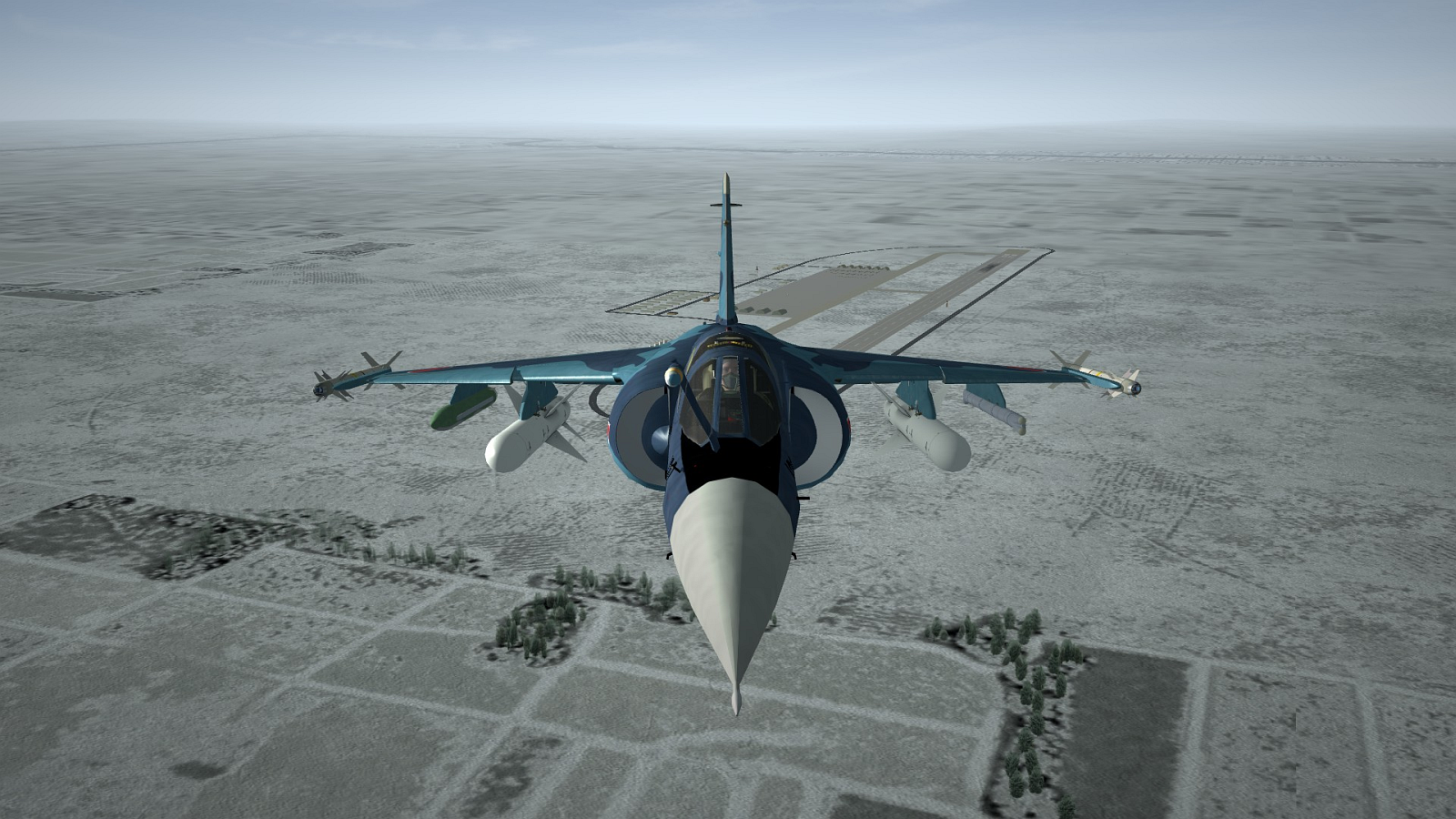


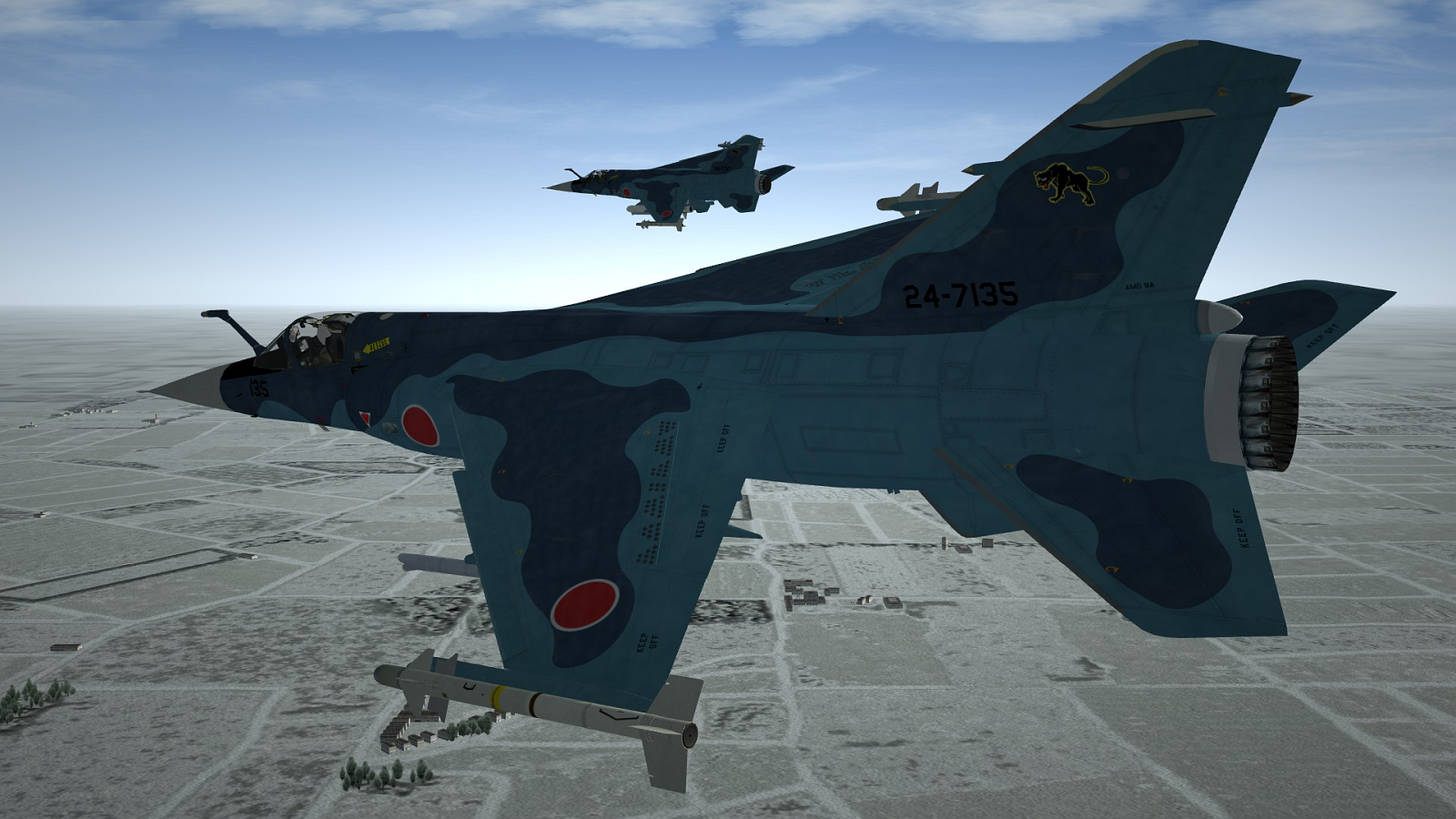
501 Hikotai
-
11
-
-
Have you tried any compatibility settings?
If possible, better pick FE 2. It should work on a Win11 PC. At least SF2 does it for me.
-
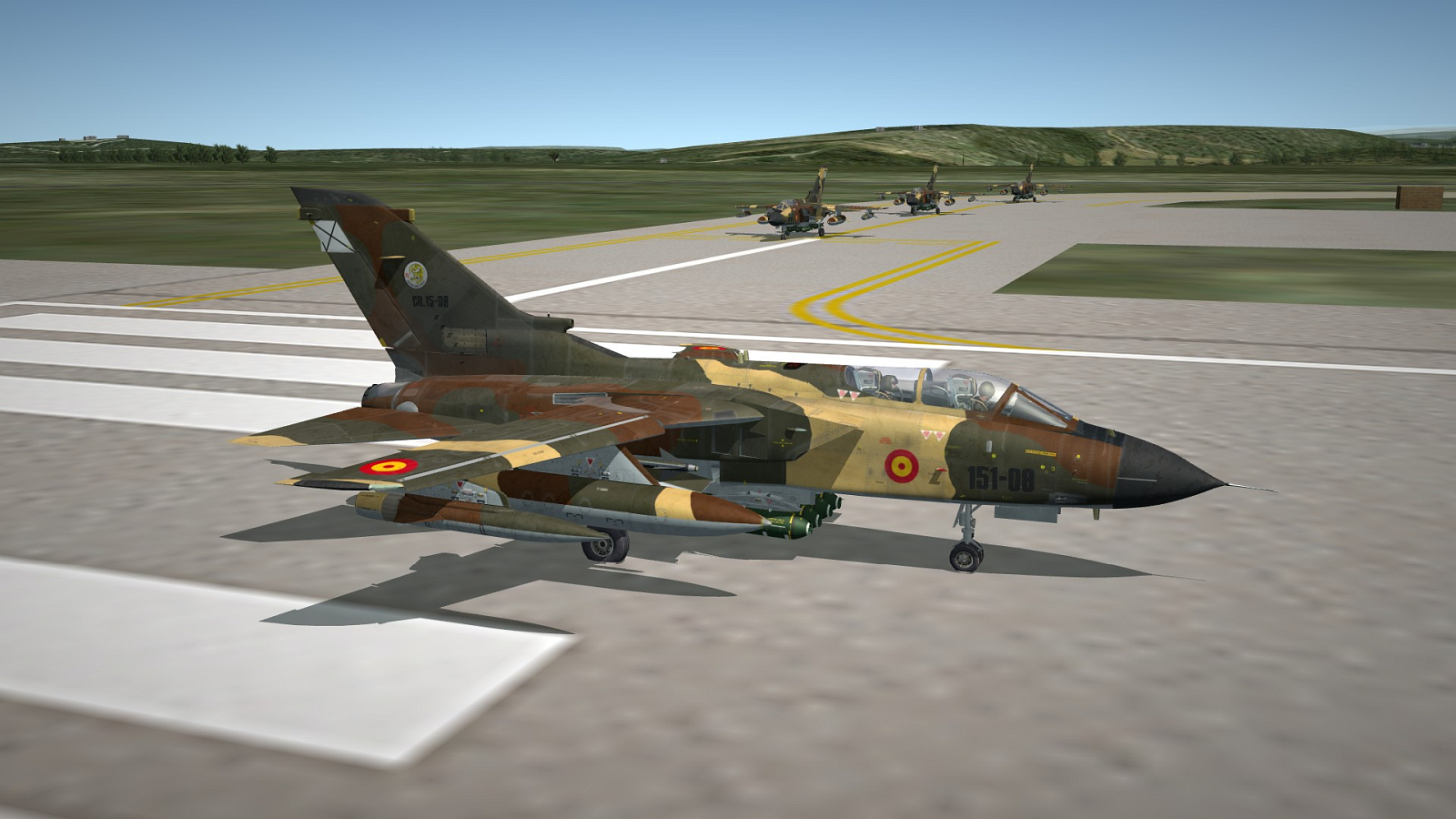
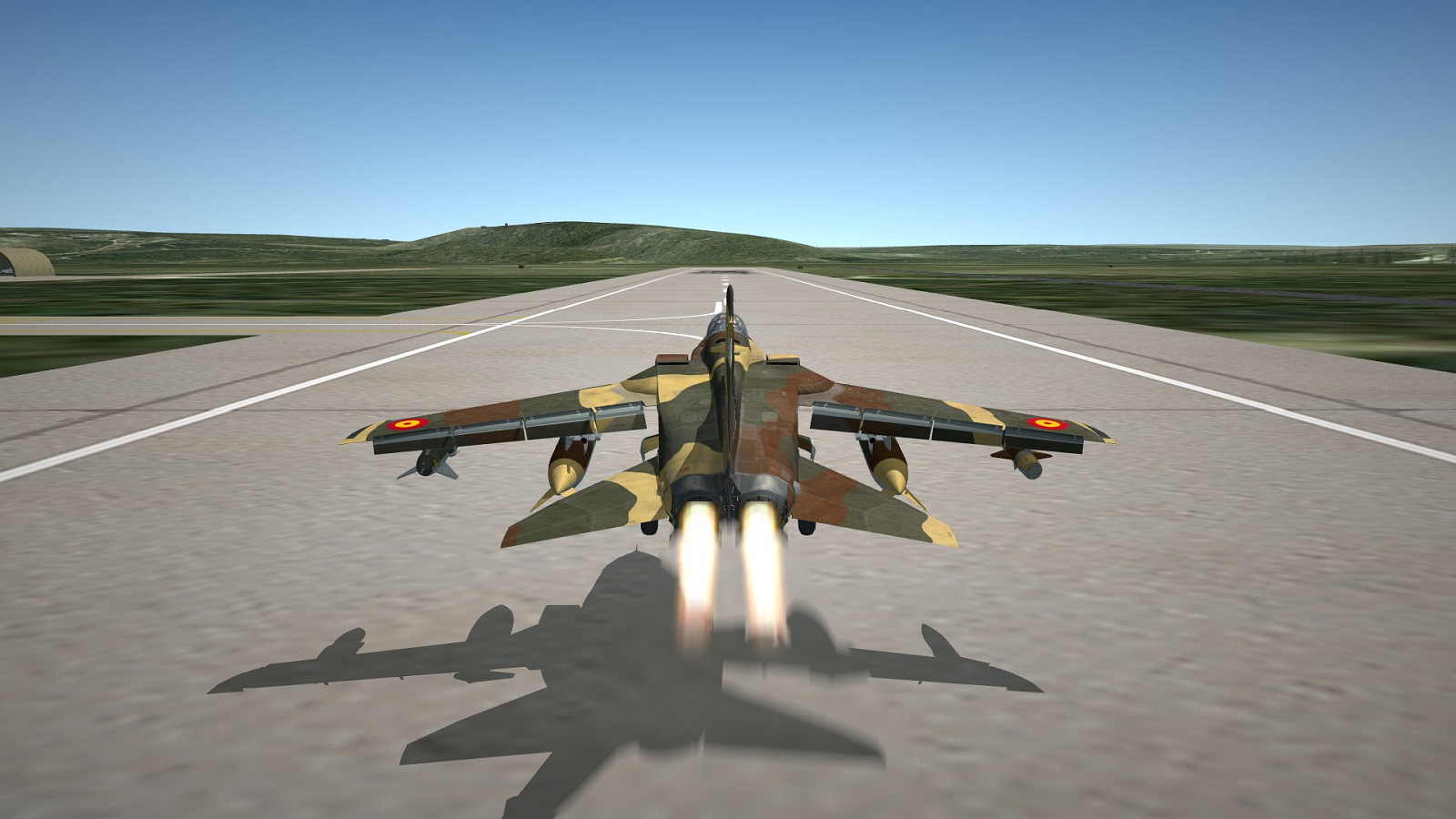
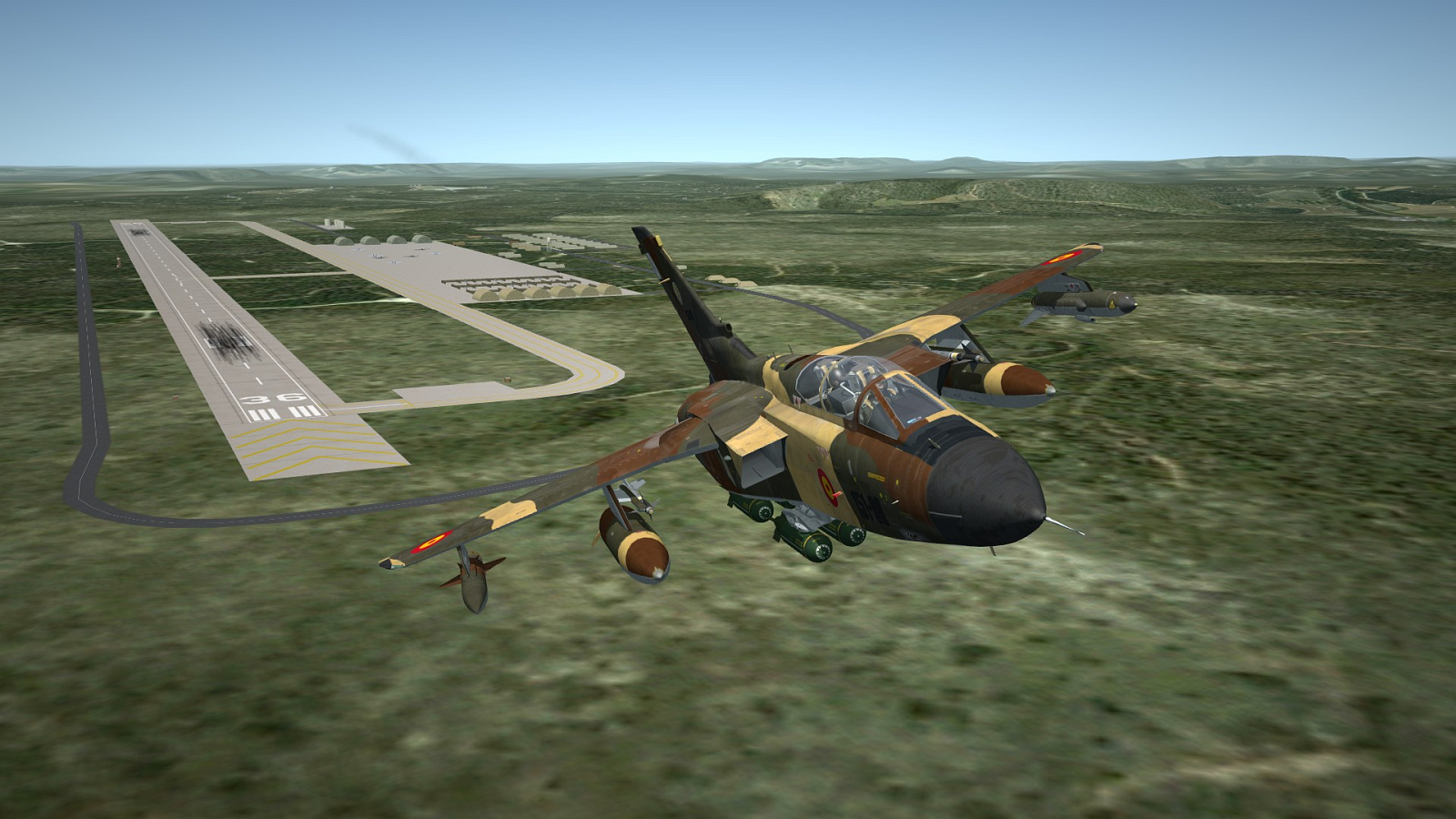
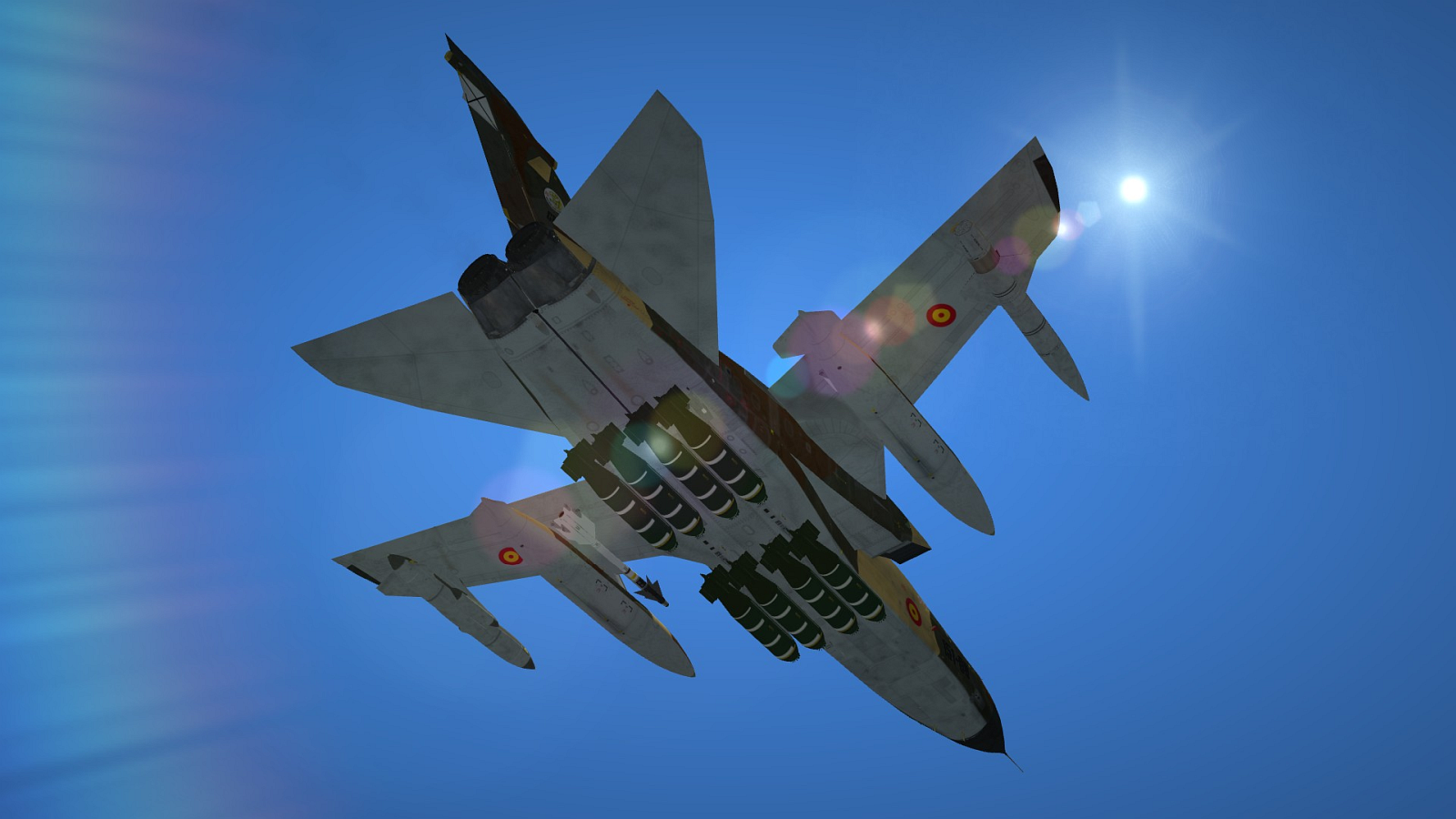
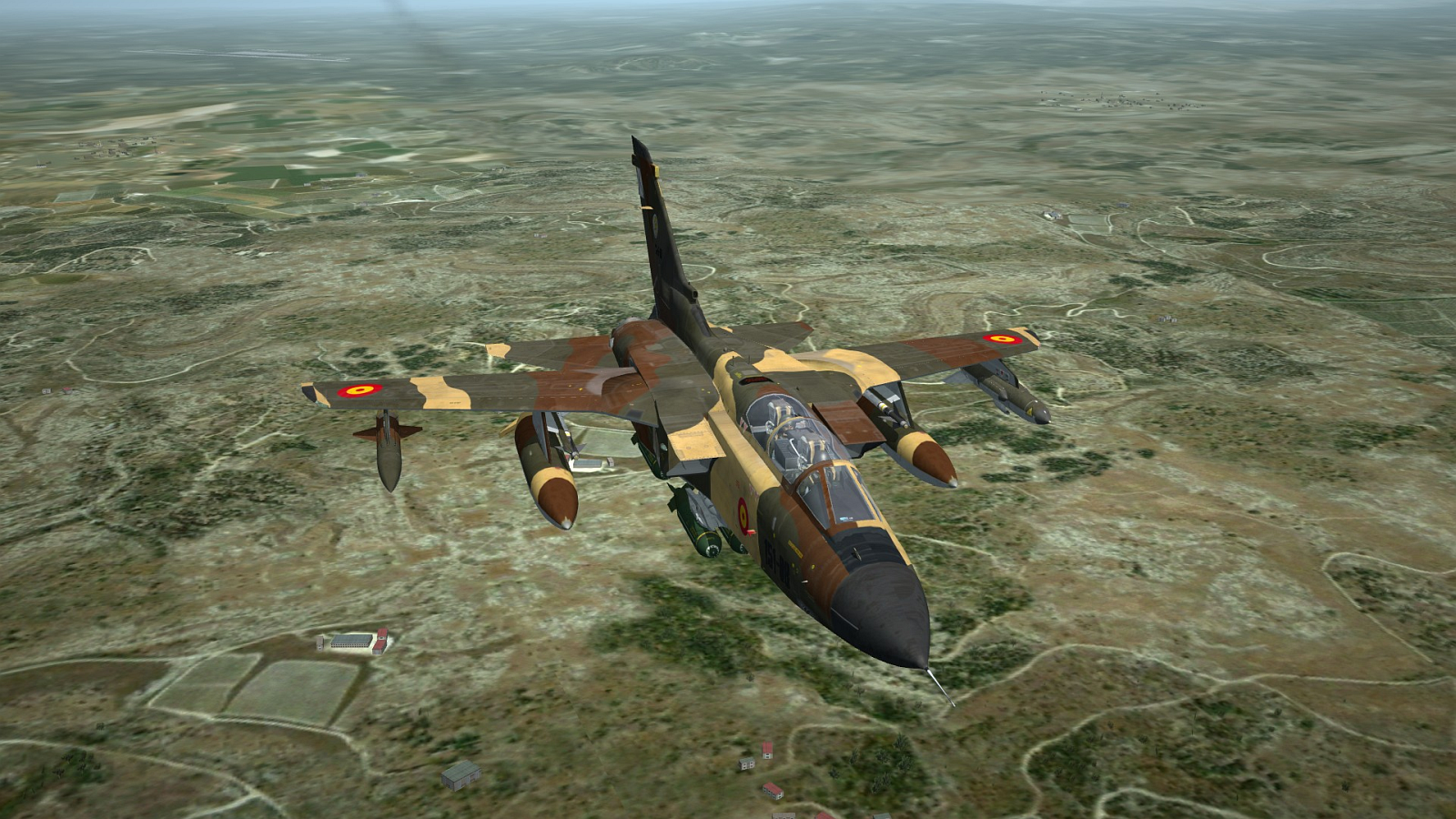
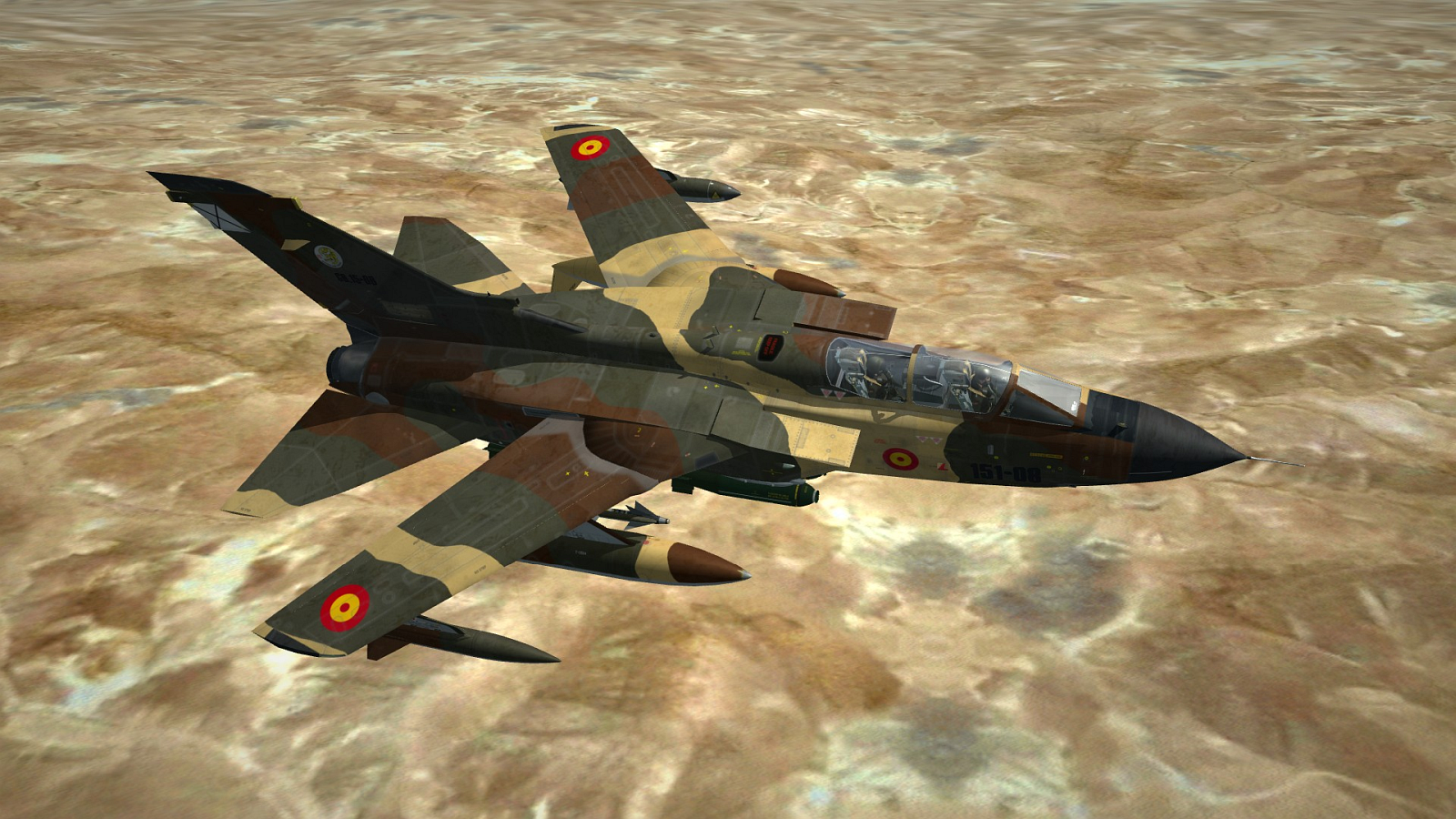
[Fictional] Panavia Tornado GR.1E (CB.15) for STRIKE FIGHTERS 2
Mod of guuruu's great Tornado GR.1 to make it look like a fictional fighter-bomber plane for the spanish air force.
YOU NEED TO HAVE GUURUUS TORNADO GR.1 INSTALLED FOR THE LODS, WEAPONS etc.
OTHERWISE THE PLANE WON'T WORK SINCE THIS RELEASE COMES W/O LODS AND OTHER CONTENT FROM THE ORIGINAL RELEASE.BACKGROUND STORY
When, at the end of 1975, following Franco's death, Spain's transition to a monarchical democracy was initiated, it quickly became clear to the other European NATO countries and the USA that Spain, due to its geostrategically important location on the Strait of Gibraltar, which provides the only sea access to the Mediterranean from the Atlantic, had to join the alliance. Spain, together with the British enclave of Gibraltar, was to form a bulwark against Soviet expansion. There were concerns that, after the end of the dictatorship, Spain, which had been neutral in World War II and had received extensive support from the Soviet Union on the Republican side during its Civil War, would now politically side with the Soviets.
A communist outpost on the southwestern edge of NATO was something everyone wanted to prevent. The Spanish Social Democrats under Felipe González initially intended to keep Spain out of NATO. Much to the dismay of the PSOE, the Spanish Social Democrats, a large majority of the population supported joining. The Western Allies, very pleased with this decision, made military concessions to Spain to ensure the country's continued membership. One of these concessions was the transfer of 32 Tornado GR.1 aircraft under a favorable Lend-Lease agreement, which were delivered to the Spanish Air Force in 1982, shortly after Spain's accession to NATO. The agreement was to run until 2002.
The primary mission of the Spanish Tornados was ground attack against potential enemy forces on Spanish territory and anti-ship warfare in support of the Armada. During NATO operations, the CB.15 (Caza-Bombardero 15, Spanish designation) also performed reconnaissance and aerial refueling missions.
After the collapse of the Soviet Union, following protracted negotiations with the British state and the Panavia consortium, the aircraft were returned to the RAF in 1999 and the resulting gaps in air and ground defense were filled by the EF-18A and B.
INSTRUCTIONS
1. Drop the content of the "to MODS folder" into your mod folder. If asked to overwrite, click yes.
2. Copy the LODs from guruu's GR.1 into the GR.1E plane folderCREDITS
Big Thanks to all the people involved (see original credits) in the creation of this superb mod.
Also thanks to guuruu for allowing me to release it.
For ORIGINAL CREDITS see the R E A D M E.txt
Happy flying!
ValAstur
-
Submitter
-
Submitted04/04/2026
-
Category
-
-
16 hours ago, warthog64 said:
Beautiful color scheme.
15 hours ago, Wrench said:I was gonna say that!!! hahahahaha
12 hours ago, daddyairplanes said:that is gorgeous work. between the paint scheme similar to the Herks to the weathering its just awesome
 12 hours ago, Flanker562 said:
Agreed, beautiful work!
11 hours ago, Hans Topp said:Amazing work, always have a nice idea to play SF2 again
Thanks everybody! Always nice to see that the work is appreciated.
@dsawan Package is uploaded and awating approval. The download rules are the same as for the Korean Tonkas.
-
1
-
-
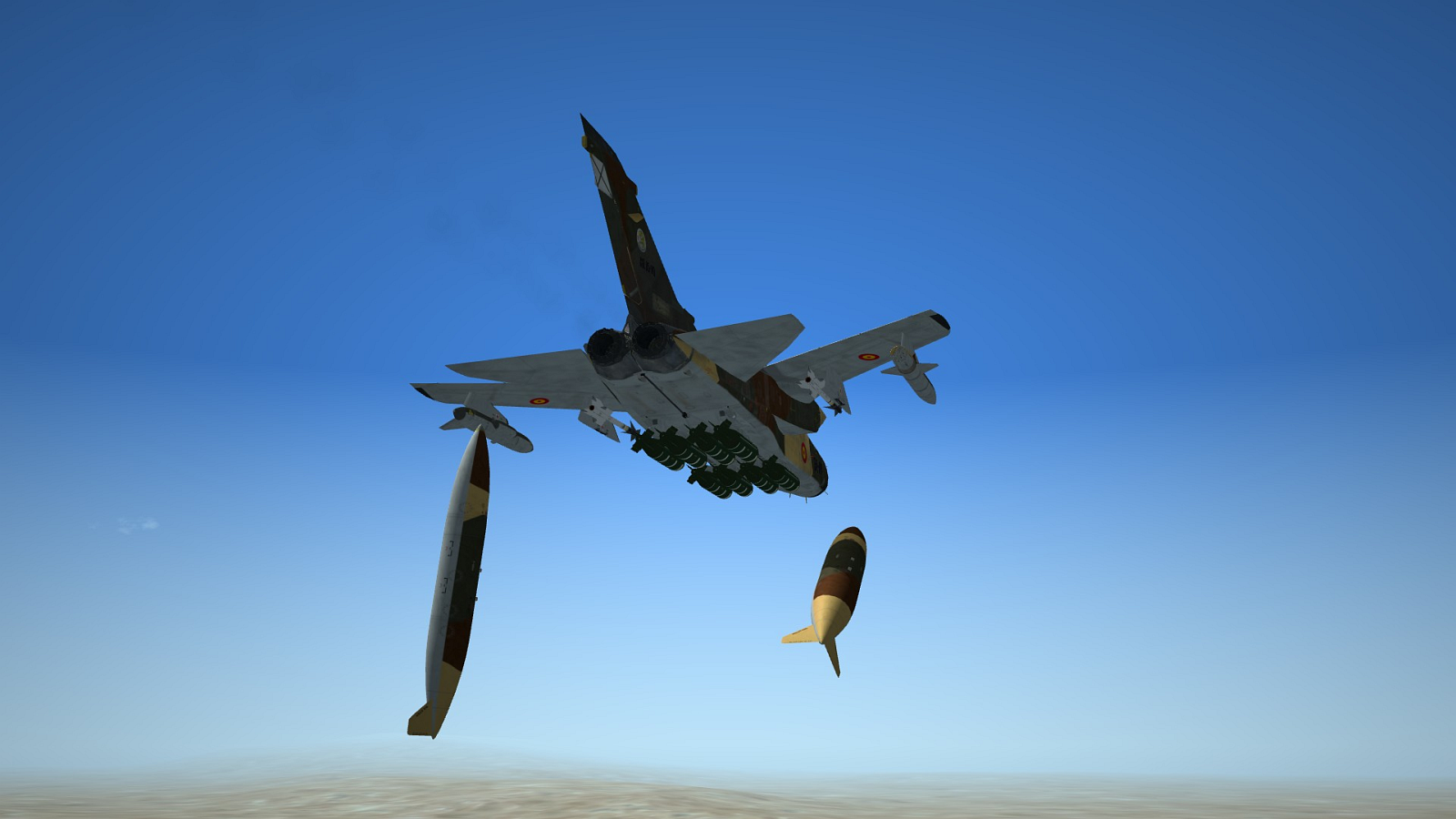
When, at the end of 1975, following Franco's death, Spain's transition to a monarchical democracy was initiated, it quickly became clear to the other European NATO countries and the USA that Spain, due to its geostrategically important location on the Strait of Gibraltar, which provides the only sea access to the Mediterranean from the Atlantic, had to join the alliance. Spain, together with the British enclave of Gibraltar, was to form a bulwark against Soviet expansion. There were concerns that, after the end of the dictatorship, Spain, which had been neutral in World War II and had received extensive support from the Soviet Union on the Republican side during its Civil War, would now politically side with the Soviets.
A communist outpost on the southwestern edge of NATO was something everyone wanted to prevent. The Spanish Social Democrats under Felipe González initially intended to keep Spain out of NATO. Much to the dismay of the PSOE, the Spanish Social Democrats, a large majority of the population supported joining. The Western Allies, very pleased with this decision, made military concessions to Spain to ensure the country's continued membership. One of these concessions was the transfer of 32 Tornado GR.1 aircraft under a favorable Lend-Lease agreement, which were delivered to the Spanish Air Force in 1982, shortly after Spain's accession to NATO. The agreement was to run until 2002.
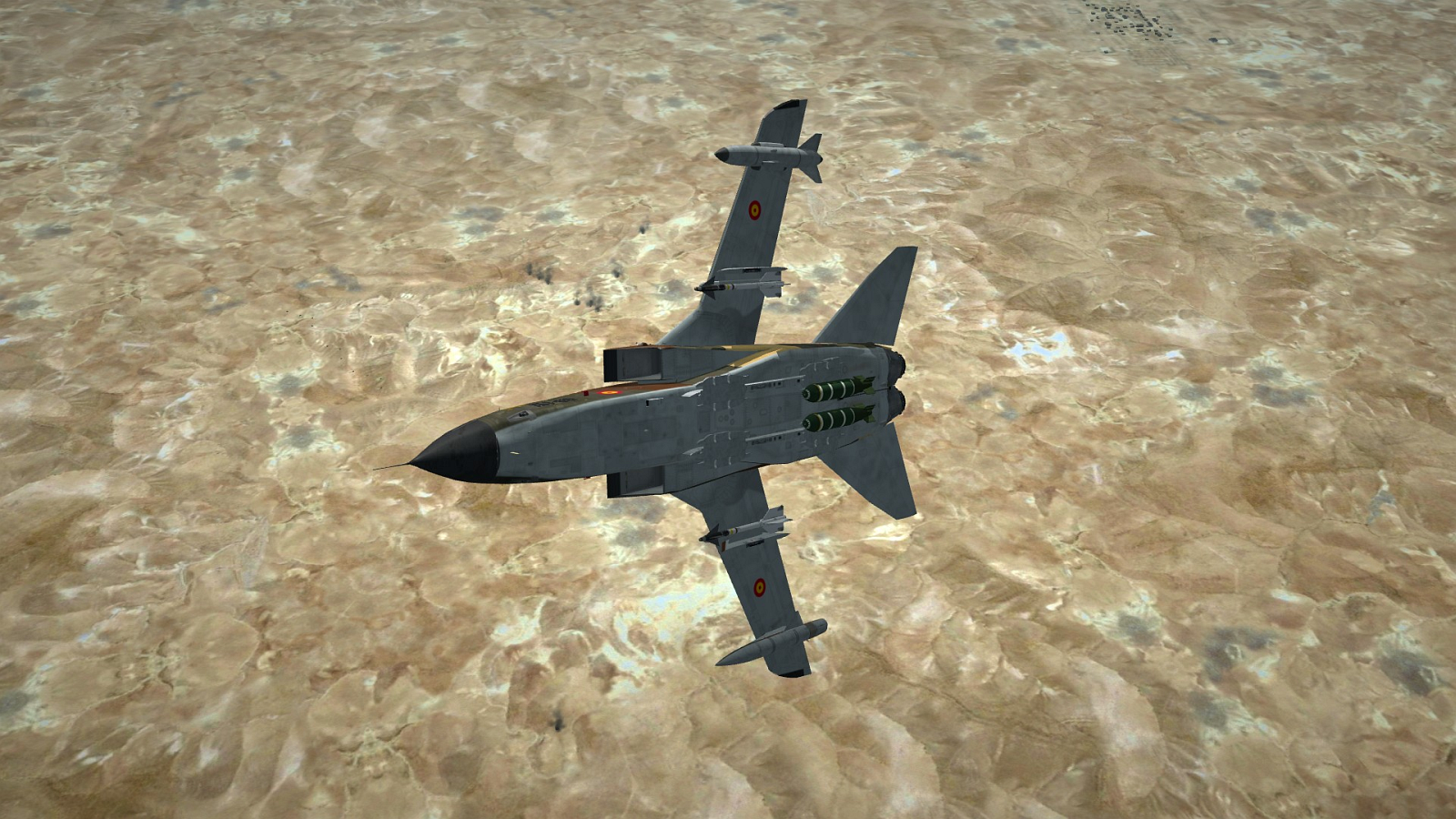
The primary mission of the Spanish Tornados was ground attack against potential enemy forces on home territory and anti-ship warfare in support of the Armada. During NATO operations, the CB.15 (Caza-Bombardero 15, Spanish designation) also performed reconnaissance and aerial refueling missions.
After the collapse of the Soviet Union, following protracted negotiations with the British state and the Panavia consortium, the aircraft were returned to the RAF in 1999 and the resulting gaps in air and ground defense were filled by the EF-18A and B.
Panavia Tornado GR.1E (CB.15), Ala 15, Escuadrón 151, 1983
-
12
-
-
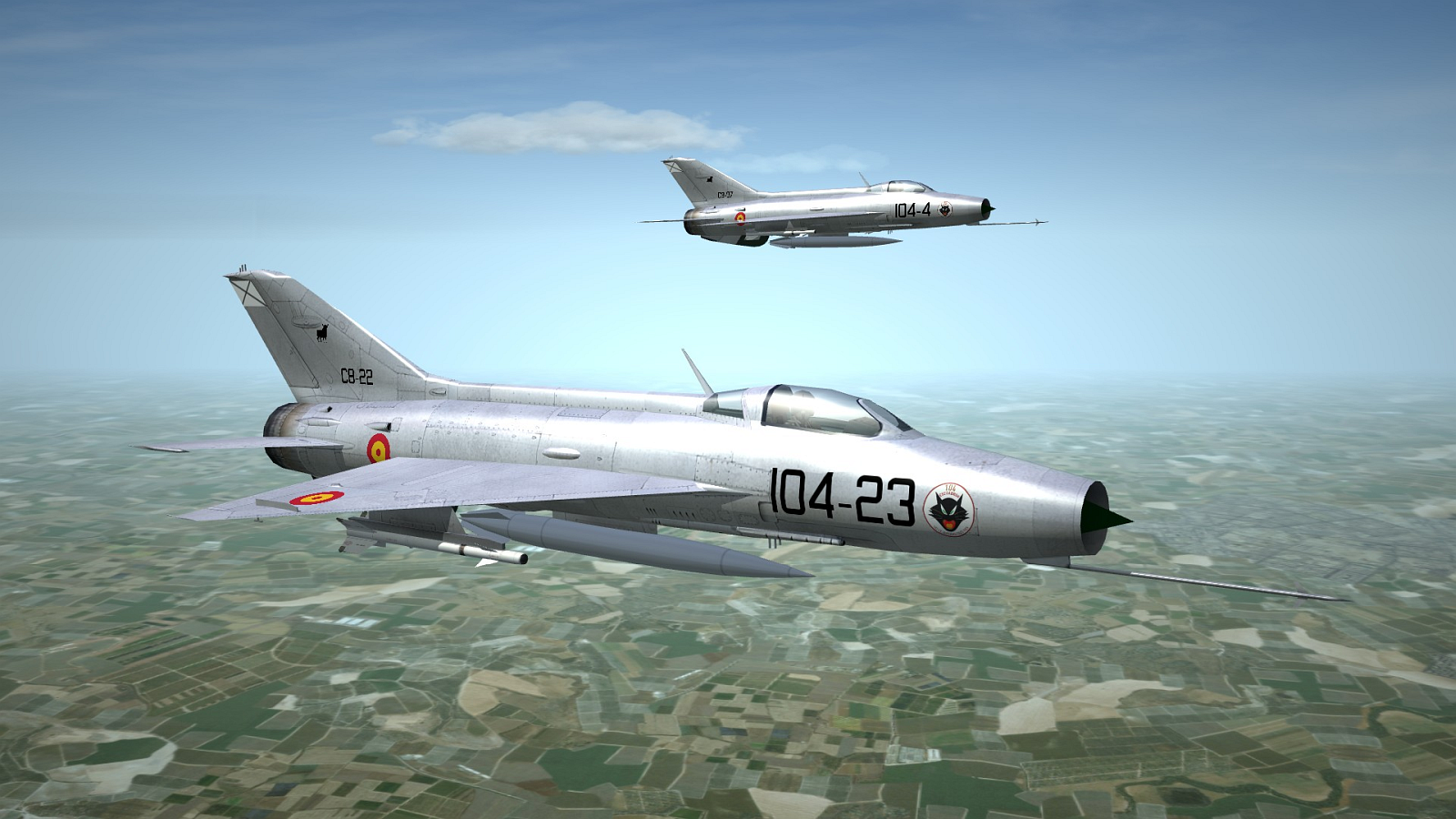
Spanish Full Metal Comrades
-
8
-
-
I'm very sorry to hear that, Volker

I wish you all the best for a fast and complete recovery!
Du packst das!
-
1
-
-
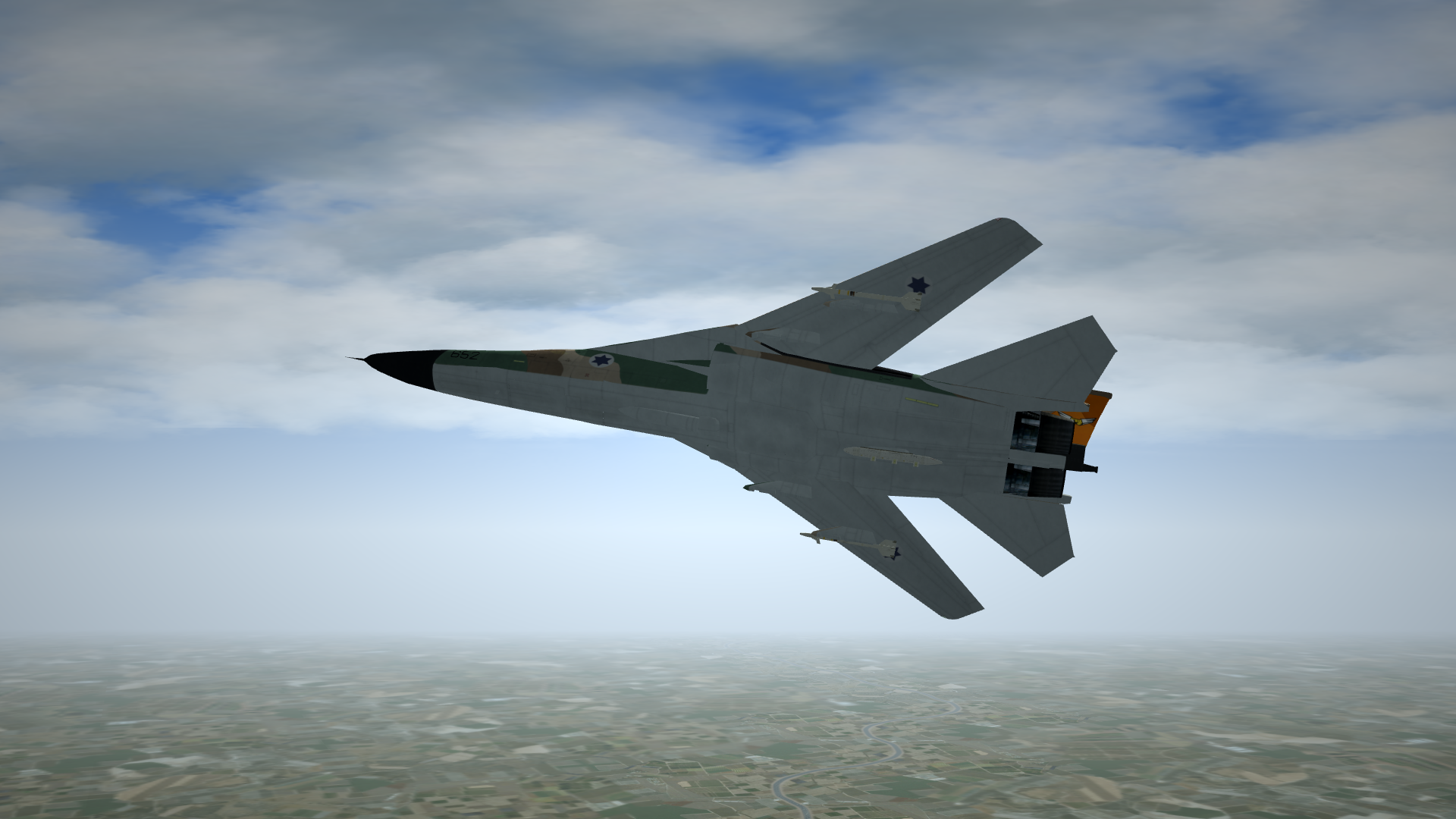
Before the F-15A Baz and the F-16A Netz entered service, the IDF relied on Mirages and the Kurnass in a fighter bomber role.
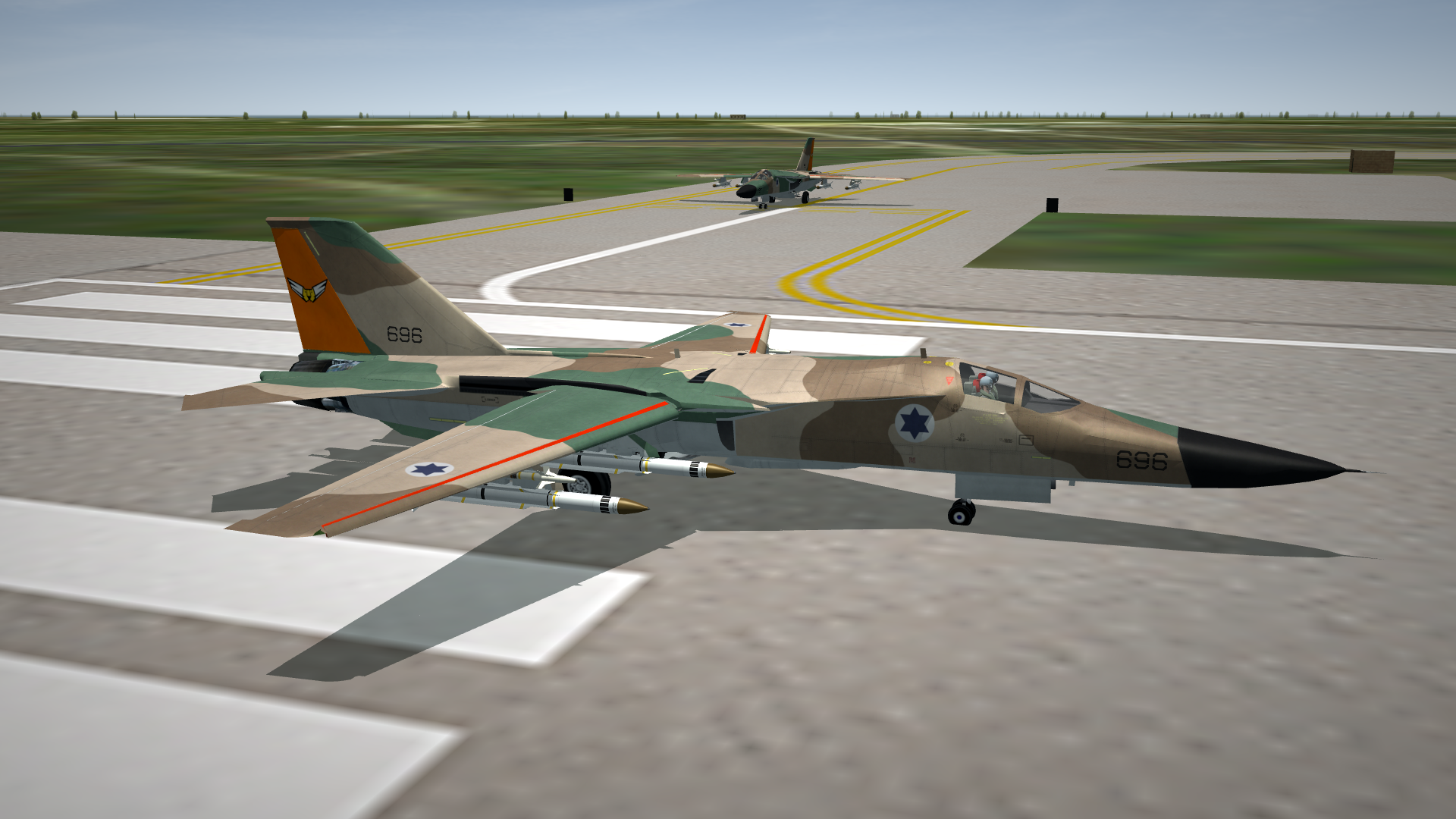
To reduce the workload on existing aircraft, the acquisition of the American F-111 was discussed in the Knesset. Based on the experiences of recent wars, an aircraft capable of carrying tactical nuclear weapons was needed. The F-111 was suitable for this purpose. At the end of the 1960s, the Knesset authorized the procurement of this model. The Israeli Air Force requested a prototype of the latest model from the US Air Force and tested the aircraft in various air-to-ground and air-to-air scenarios.
While the aircraft proved more than inadequate for Israeli air combat needs, it was entirely convincing in ground combat. Moshe Dayan, Israel's Minister of Defense at the end of the 1960s, then ordered 64 F-111Fs on behalf of his country, which were converted in Israel to current IDF-standards. The capability of loading nukes was retained, but not used during it's efective service time.
The plane was renamed Haremesh (Scythe). According to a rumor, the name is based on a statement by test pilot Tomer Ohayon, who is said to have remarked that the F-111 "sweeps across the landscape like a scythe when flying low."
General Dynamics/IAI F-111I Haremesh (Scythe), 107 Squadron "Knights of the orange Tail", 1972
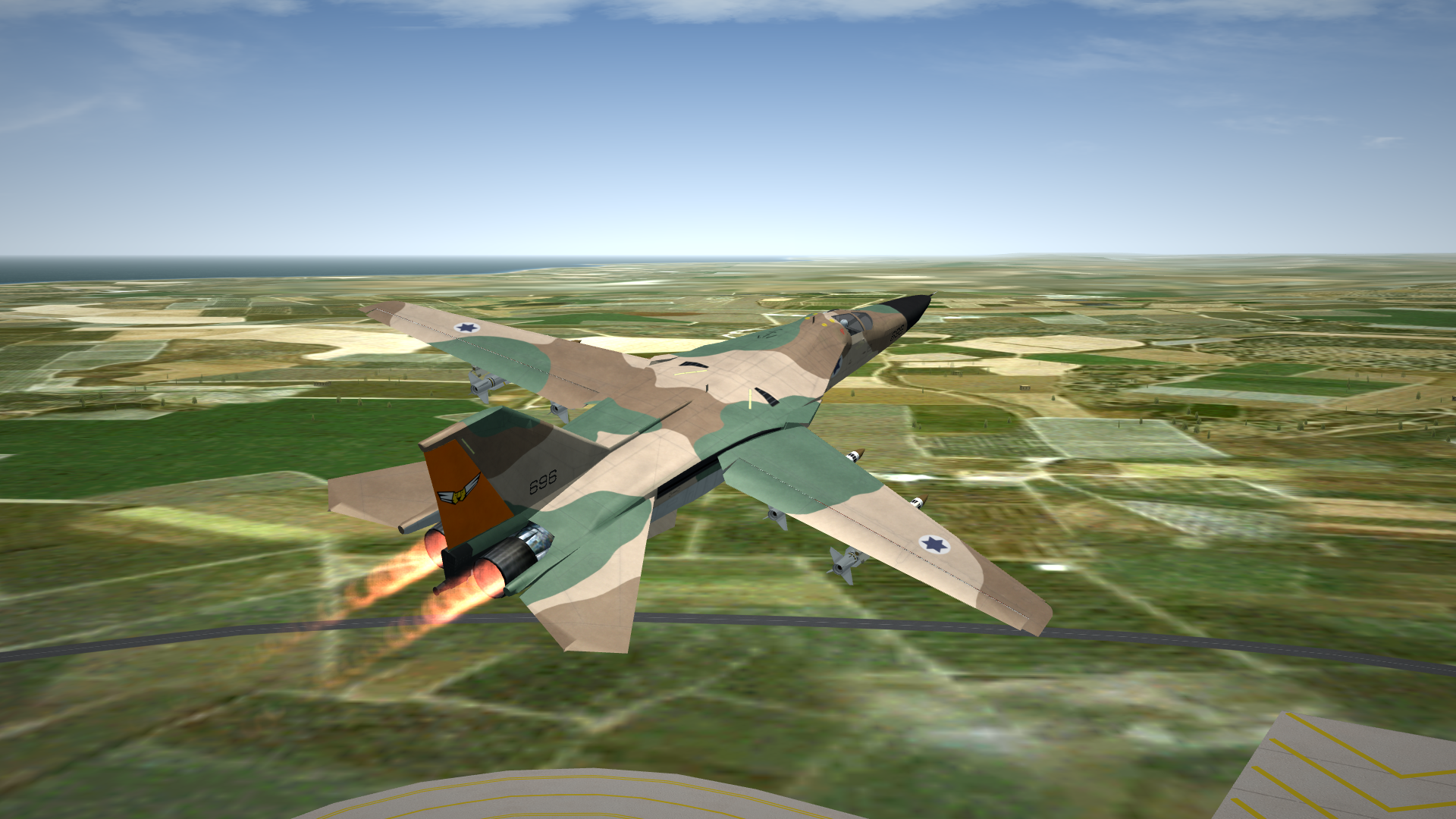
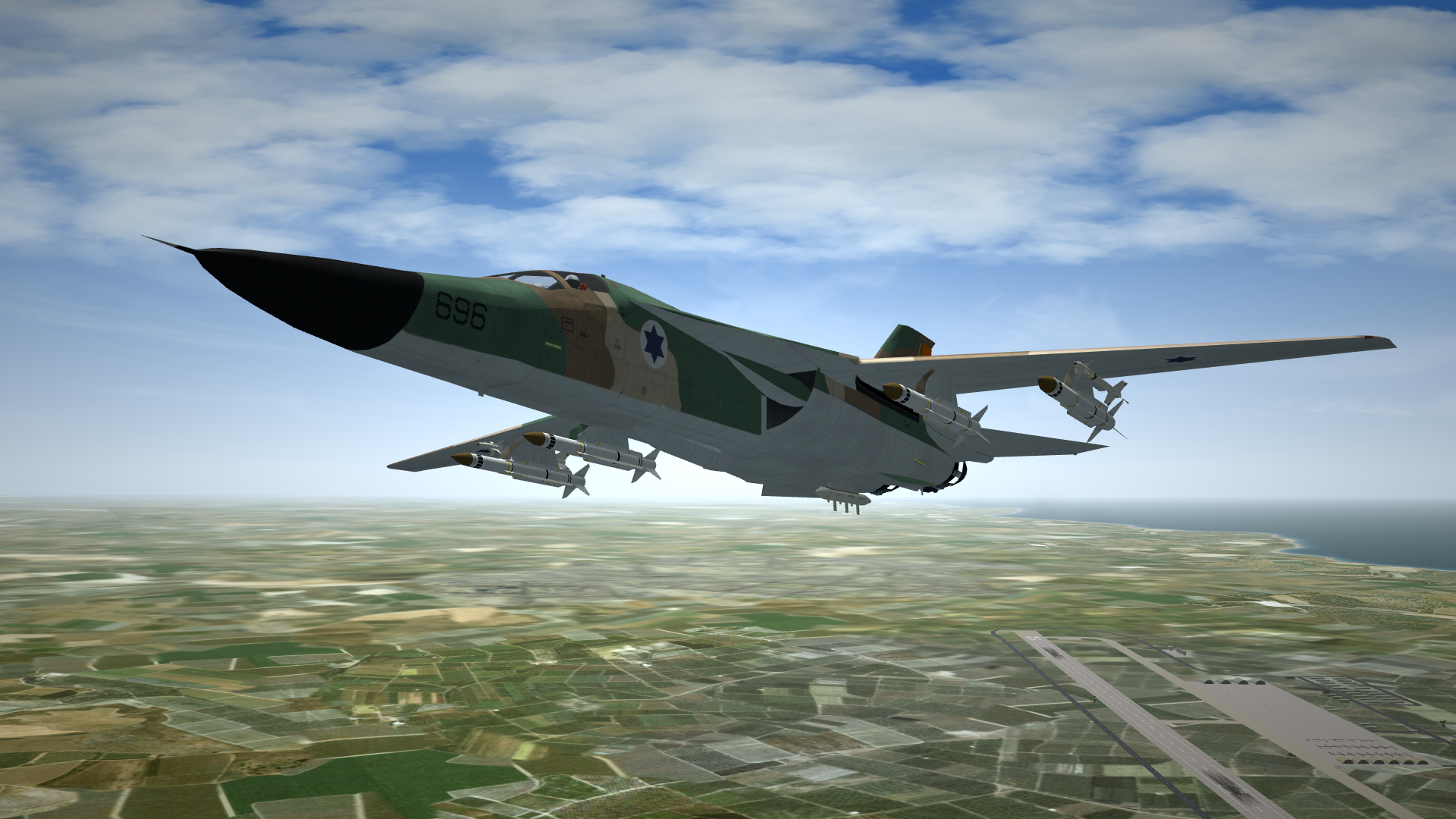
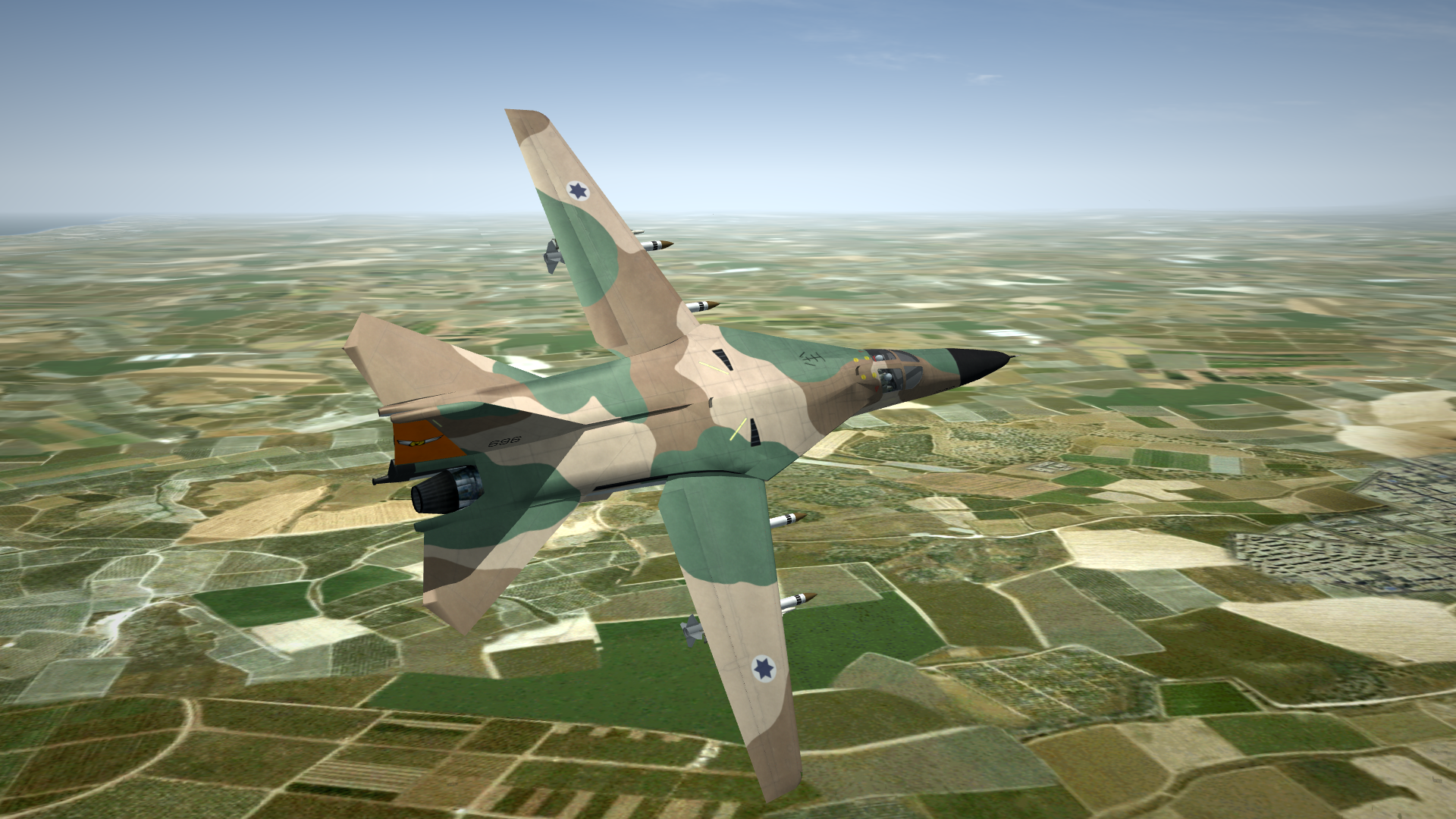
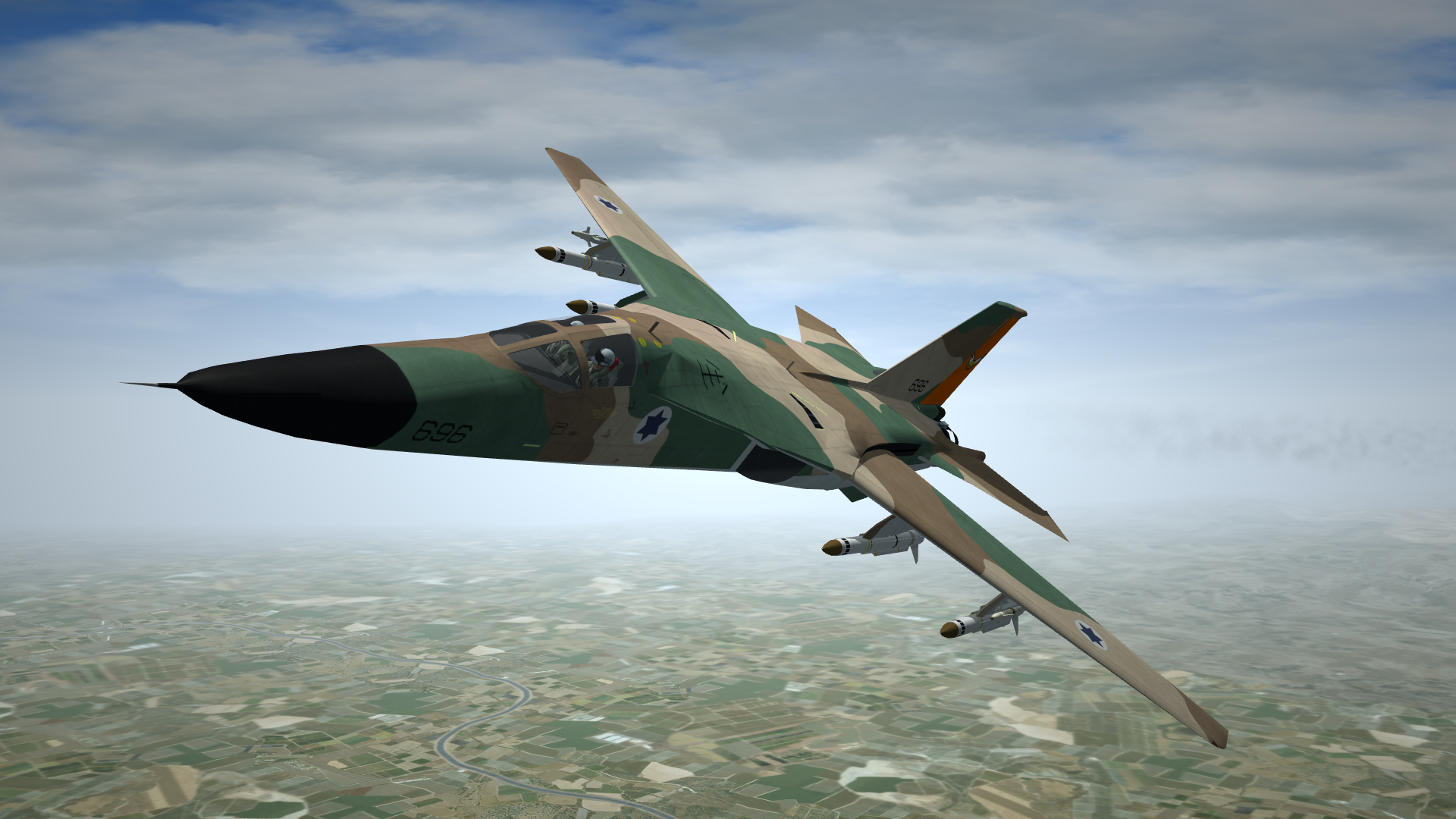
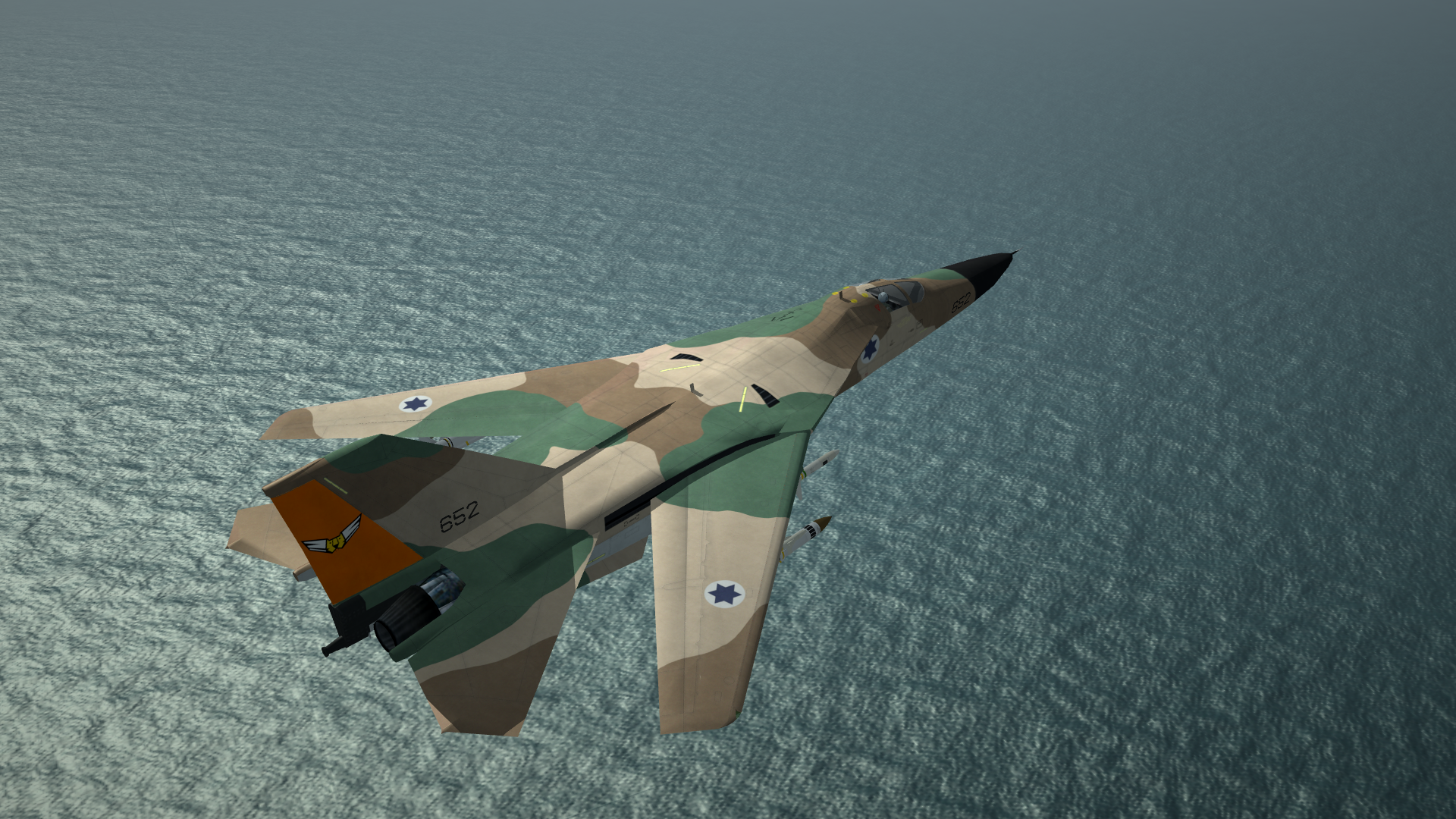
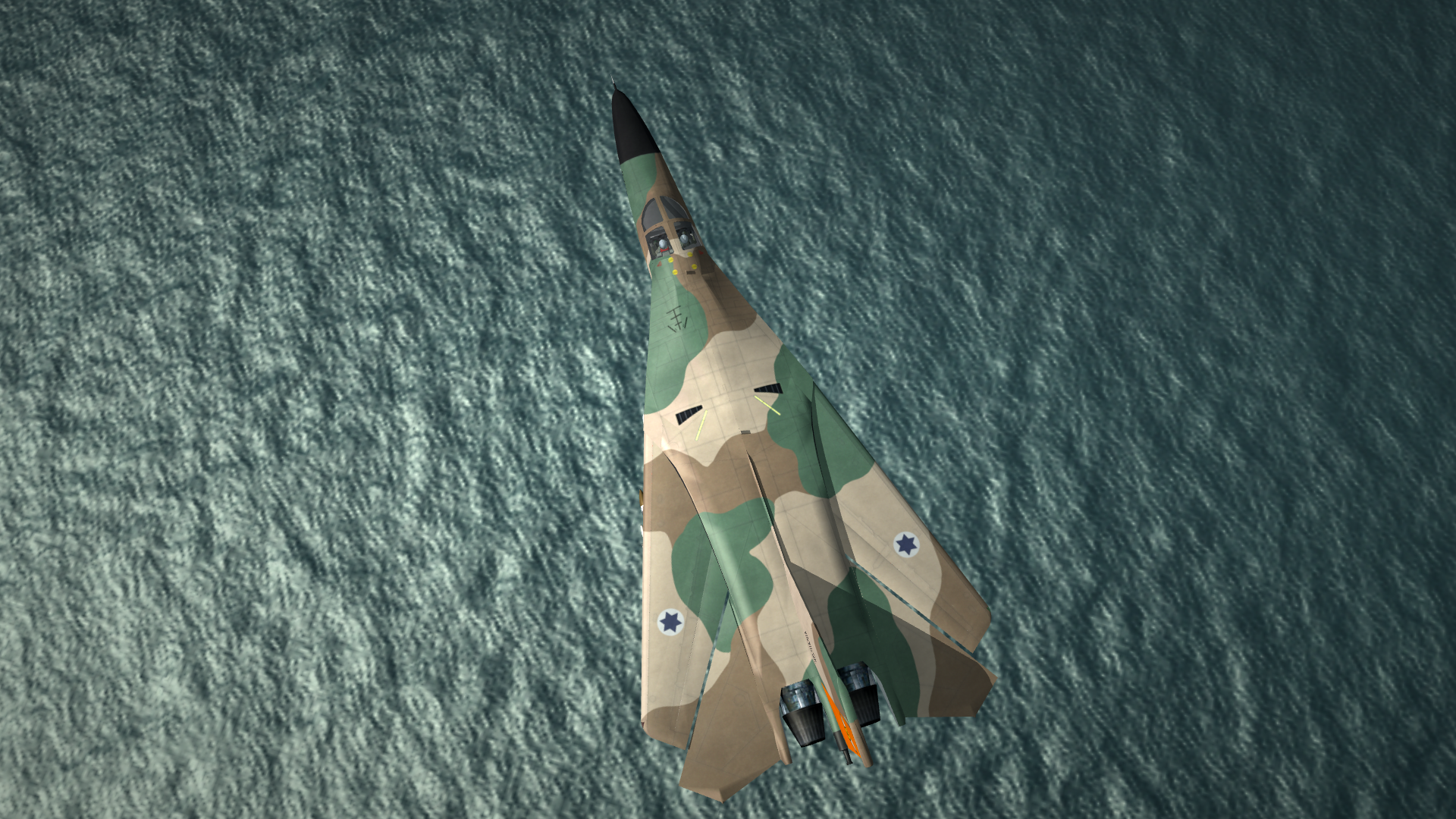
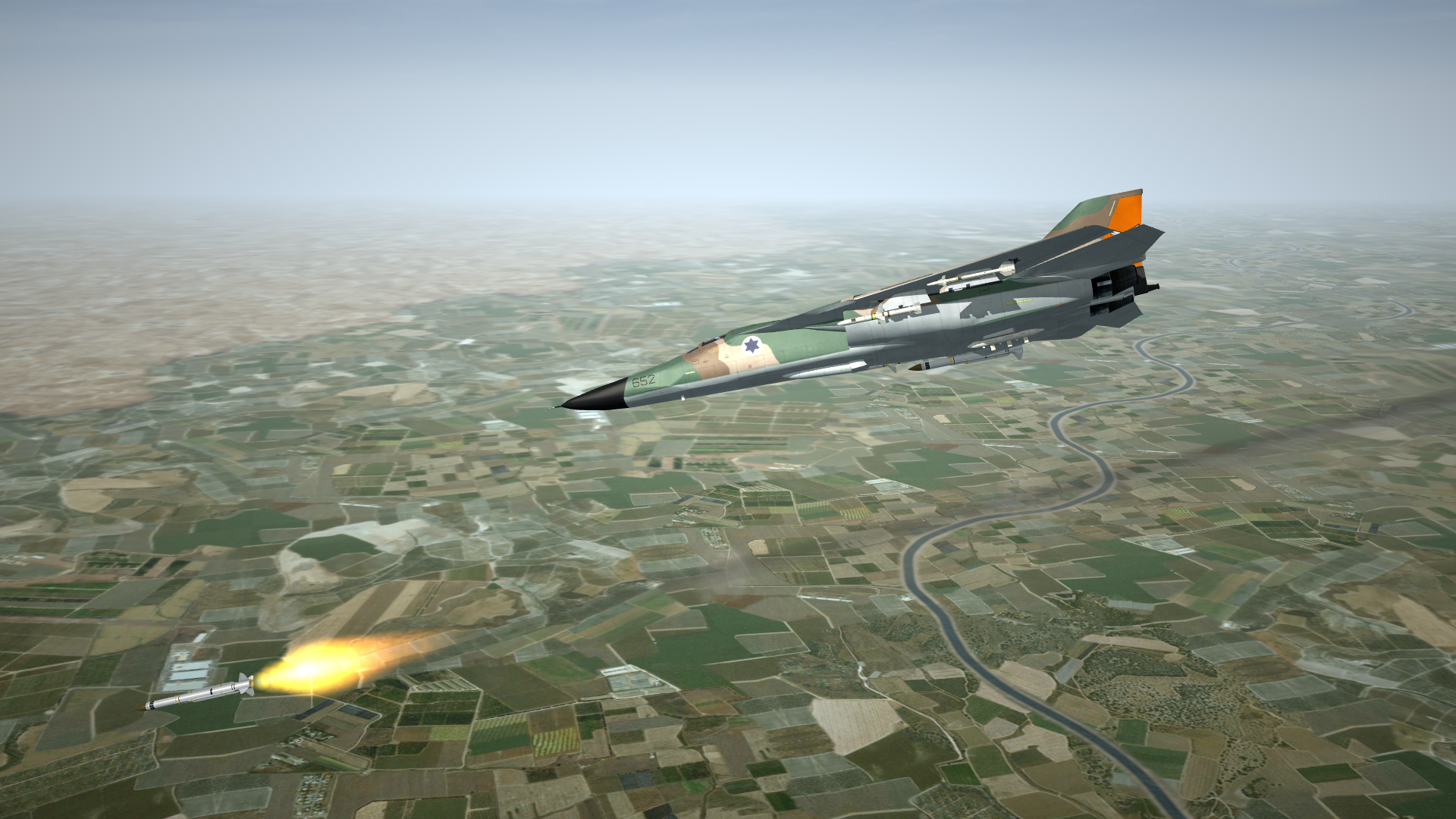
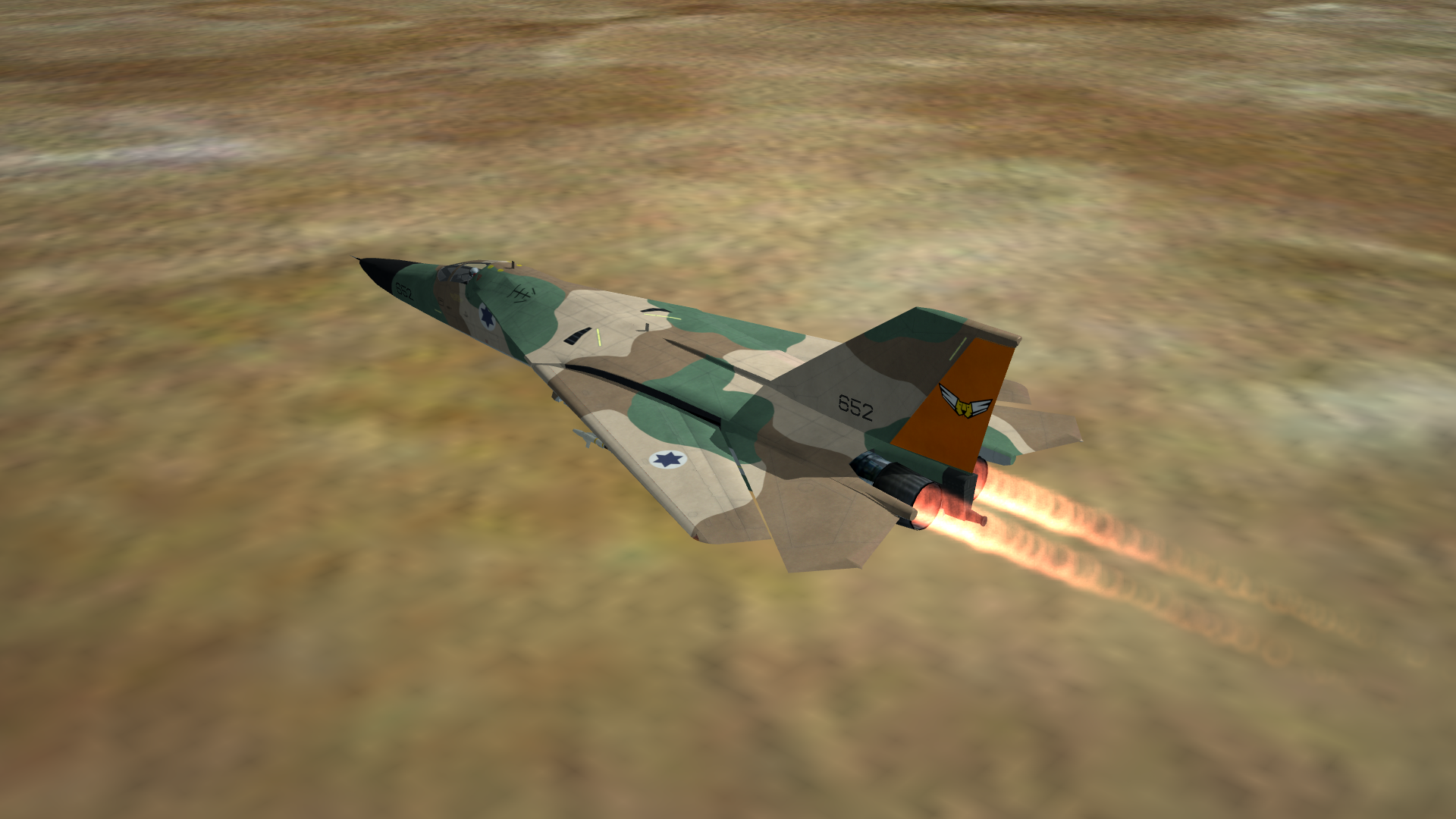
-
5
-
-
[Fictional] Lightning F.2A ROKAF for STRIKE FIGHTERS 2
Mod of the stock Lightning F.2A from Expansion Pack 2, creating a fictional fighter plane for the south korean air force.
INSTRUCTIONS1. Drop the folders "Aircraft" and "Decals" into your Objects folder. If asked to overwrite, click yes.
CREDITSBig Thanks to:
- Thirdwire for the games and the superb models they have.
Kindest regardsValAstur
-
Submitter
-
Submitted02/22/2026
-
Category
-
-
[Fictional] McDonnell Douglas F-15F for STRIKE FIGHTERS 2 (Israel or Quad-Merged)
Mod of the stock F-15A Baz, creating a fictional fighter plane for the german air force.
BACKGROUND
At the end of the 1970's, the german air force (Luftwaffe) became more and more worried about the capabilities of the soviet aircraft, with the MiG-21 and 23 already being very manouverable fighters, capable of beating the Phan in a dogfight. Since the Luftwaffe did not use BVR-armament, the focus lied on manouverable and capable aircraft for air superiority achievement. The Tornado was not suitable for this task. The appearance of the MiG-29, though being in a prototype state of development, shocked the western allies. Germany, being the first line of defense in Europe, asked for the possibility of acquiring the F-15A for the primary role of air defense with a secondary focus on ground attack.After ten months of negotiations with SecDef Harold Brown of the Carter Administration, the Luftwaffe received the first aircraft in 1978. The Sparrow stations at the belly got reworked by Dornier (with the permission of MDD), enabling the possibility of using them with lighter bombs for a higher tactical field value. The adaptable clamp system, developed and outfitted by Dornier, made it possible to load several bomb types incl. LGB. For security reasons, top speed and G-Load had to be reduced as long as the weapons were attached to the fuselage. This measure had to be adopted after an accident, where a modified Eagle lost a GBU-12B during a High-G-Turn on a test flight. The impacting LGB was not armed and did not cause major damage since it went down in a landscape with dense forest, but showed the limits of the modification.
The F-15A got handed over to the Luftwaffe after modification in 1979, renamed F-15F.
ADDENDUM
I decided to add a folder called "optional Settings", containing two more folders, which include two ini-files each, allowing to choose the way you want to fly the Eagle:
- "A-A only" lets you fly the Eagle only with gun, fueltanks and AIM-9s.
- "A-G" enables the plane to use a broad spectrum of A2G-weaponryIt's up to you how you want to fly it.
INSTRUCTIONS1. Drop the folders "Aircraft" and "Decals" into your Objects folder. If asked to overwrite, click yes.
CREDITSBig Thanks to:
- Thirdwire for the games and the superb models they have.
- Geary for the template I used and ravenclaw for some of the stencils I used on the skinIf I missed somebody, contact me and I fix it ASAP.
Kindest regards
ValAstur
-
Submitter
-
Submitted02/21/2026
-
Category
-
![[Fictional] JASDF Cold War Mirage Pack](https://combatace.com/applications/downloads/interface/legacy/screenshot.php?path=/monthly_2026_05/img00032.PNG.4e8ab27210fe69ffca5b356405dbb55c.PNG)
![[Fictional] Dassault Mirage F-1CJ for STRIKE FIGHTERS 2](https://combatace.com/applications/downloads/interface/legacy/screenshot.php?path=/monthly_2026_04/img00013.png.6953a81ac841163aa47f51e8d93217bd.png)
![[Fictional] Panavia Tornado GR.1E (CB.15) for STRIKE FIGHTERS 2](https://combatace.com/applications/downloads/interface/legacy/screenshot.php?path=/monthly_2026_04/img00006.JPG.fe72621acb1e40627ac0817f20eb927d.JPG)
![[Fictional] Lightning F.2A ROKAF for STRIKE FIGHTERS 2](https://combatace.com/applications/downloads/interface/legacy/screenshot.php?path=/monthly_2026_02/img00013.PNG.f9dc1321dc9891475f590ee2472b1882.PNG)
![[Fictional] McDonnell Douglas F-15F for STRIKE FIGHTERS 2 (Israel or Quad-Merged)](https://combatace.com/applications/downloads/interface/legacy/screenshot.php?path=/monthly_2026_02/img00003.PNG.6d88bb18bda066b1f4d24759c3714b35.PNG)
We have been warned about this ...
in General Discussion
Posted
This is what Gemini said about me:
I also asked chatgpt, what he say about me: