

dtmdragon
-
Posts
2,123 -
Joined
-
Last visited
-
Days Won
28
Content Type
Profiles
Forums
Gallery
Downloads
Store
Everything posted by dtmdragon
-
Just got back from it an wow! They did it justice! Wide open for a sequel to...
-
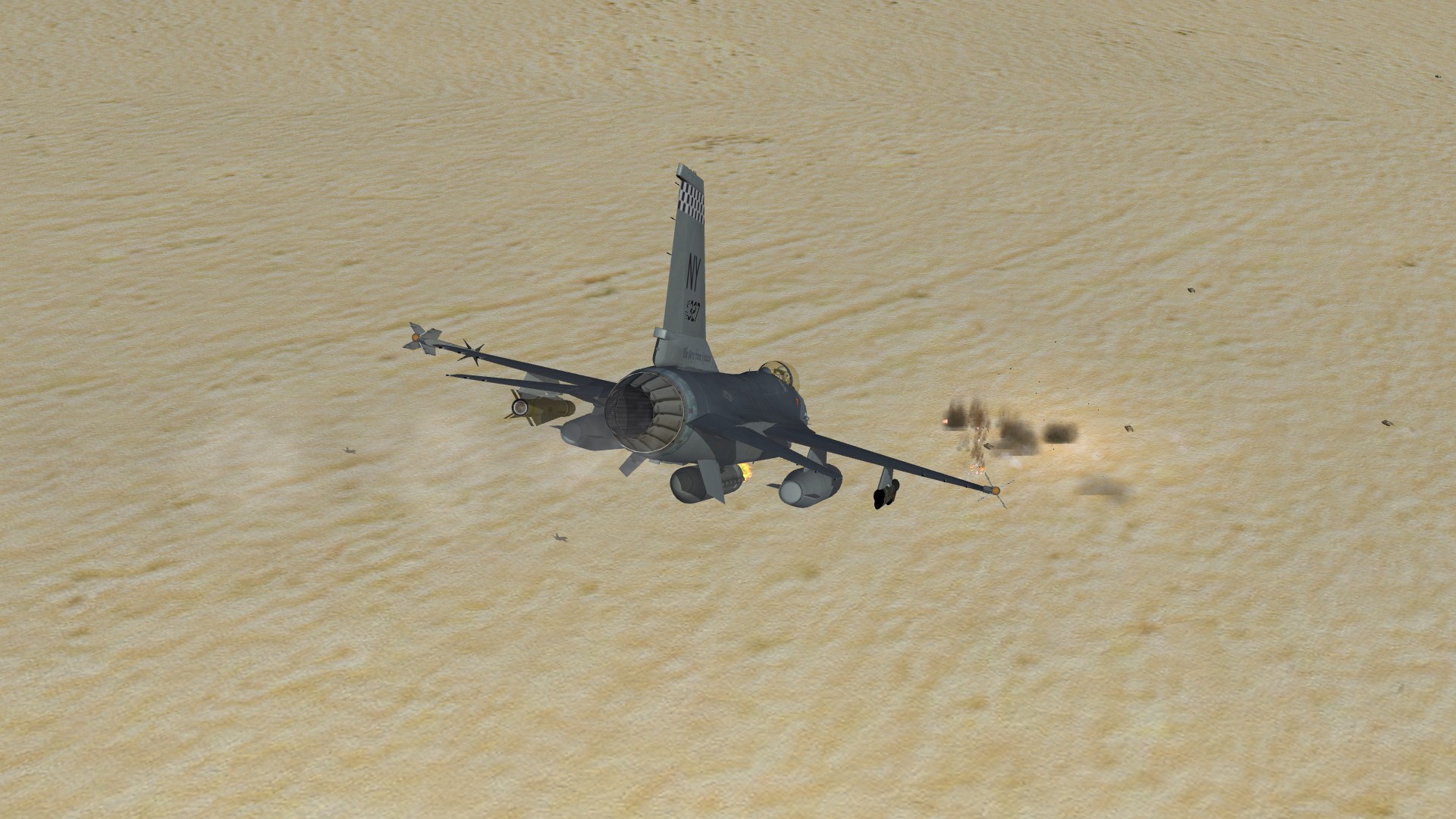
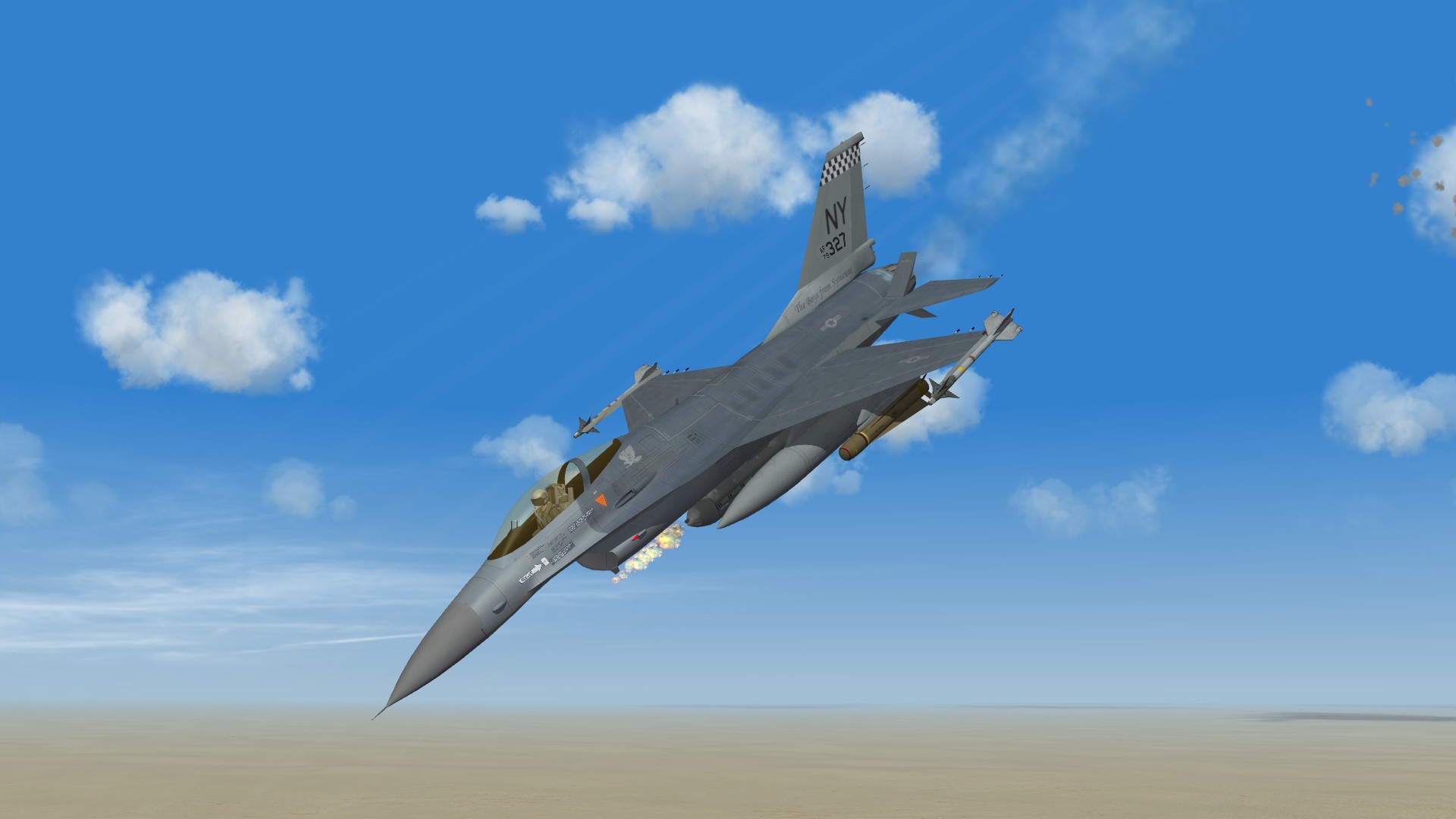
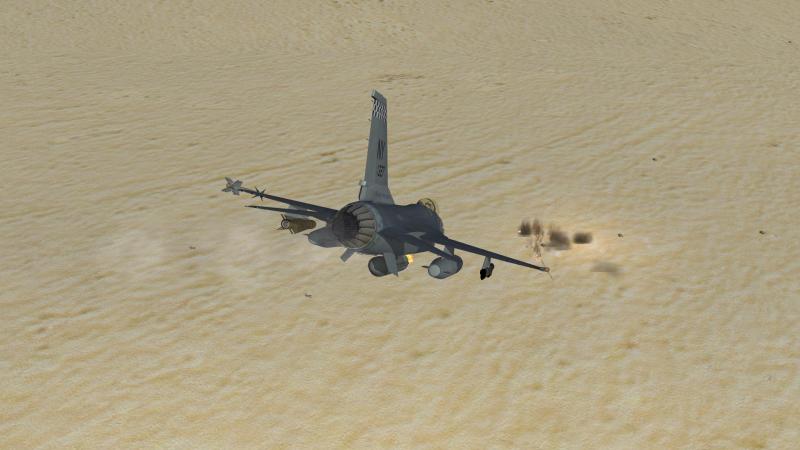
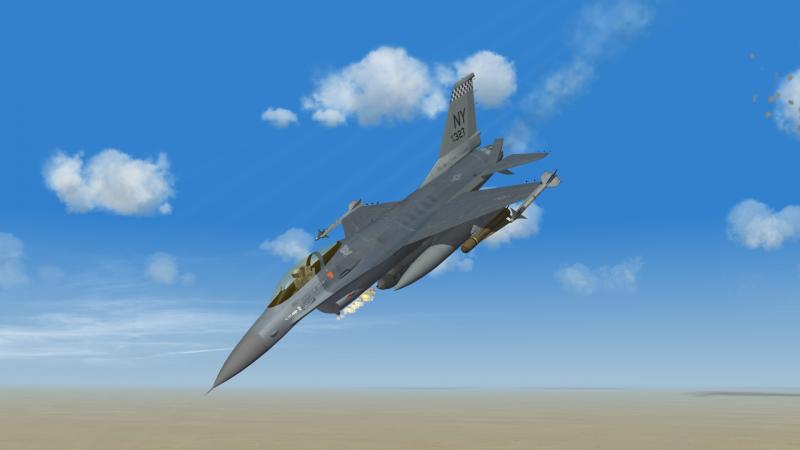
The 'Boys from Syracuse' nailing Iraqi armour with their trial 30mm GPU-5/A Pave Claw pods during the opening days of Desert Storm.
-
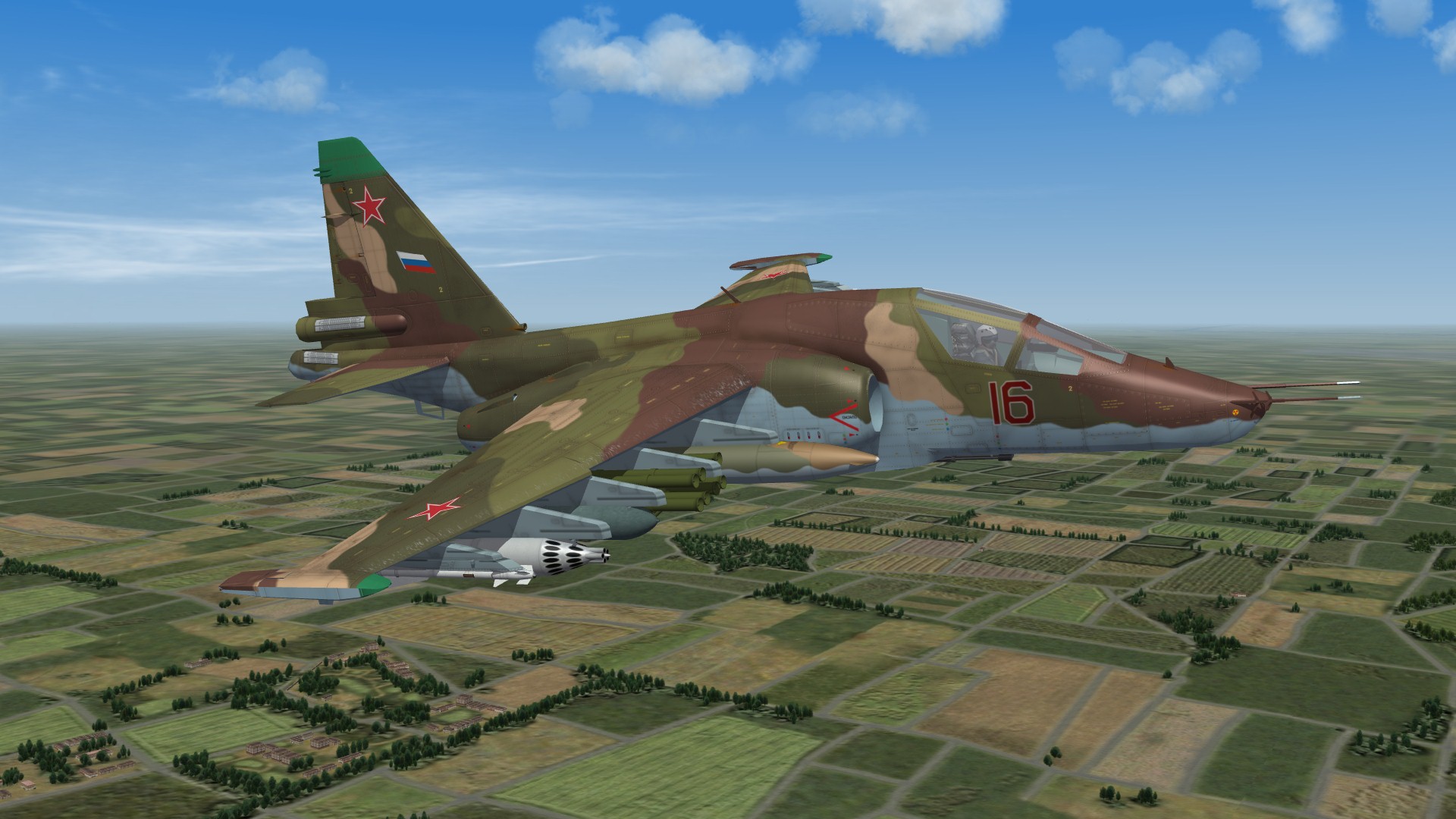
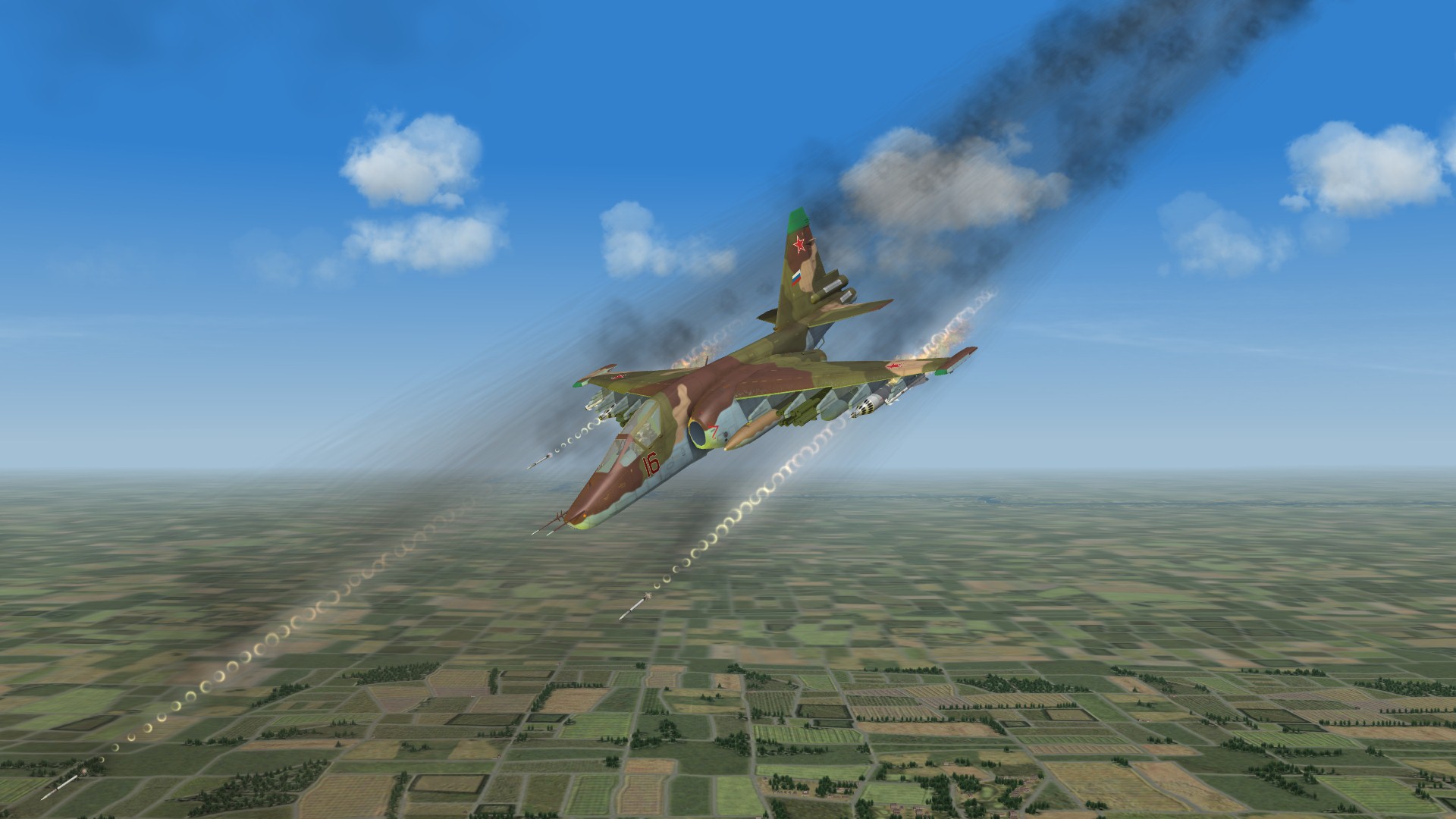
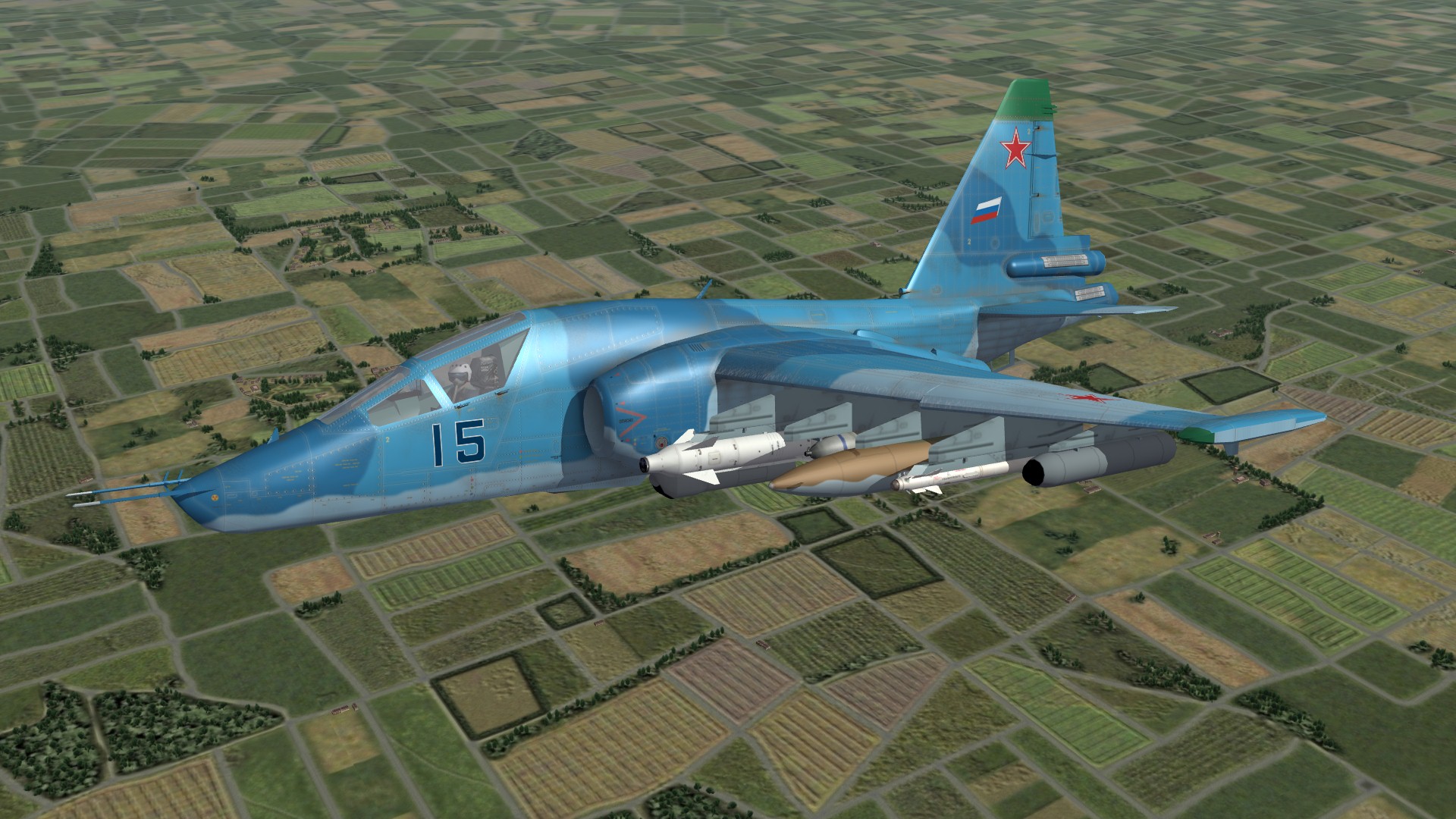
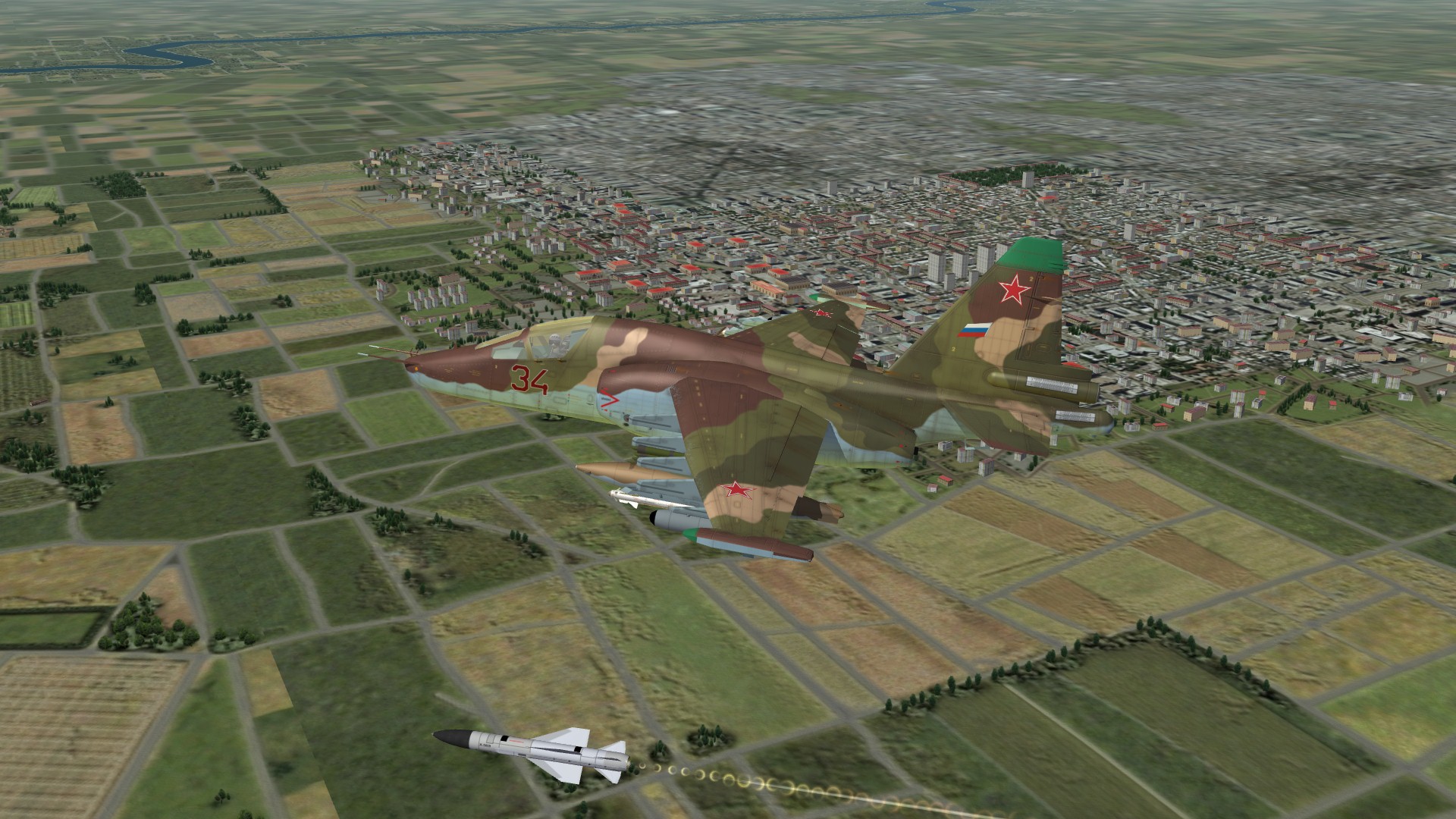
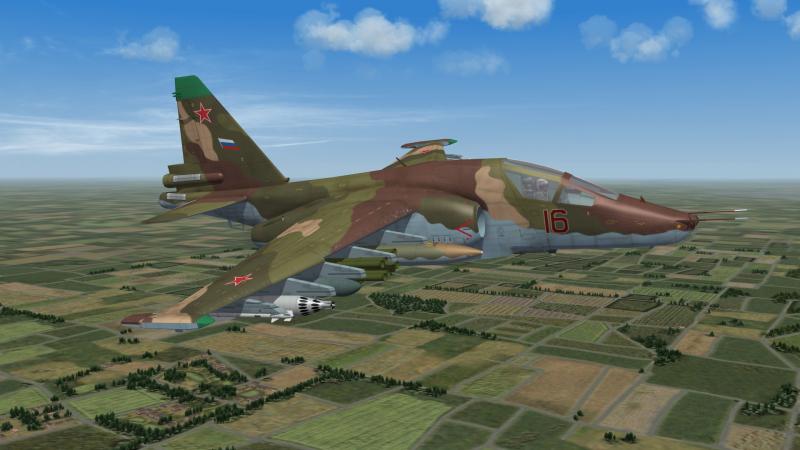
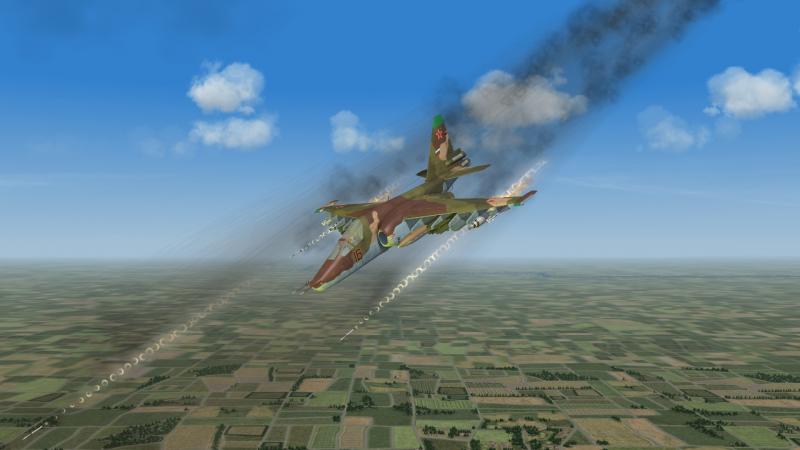
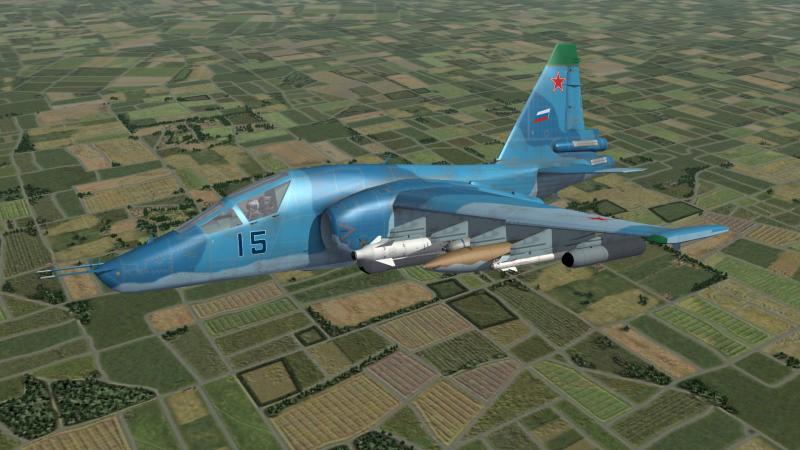
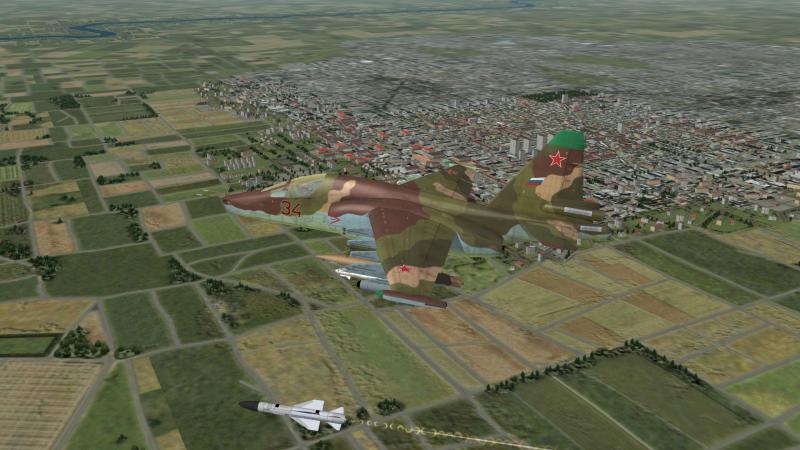
Conversion of the SF2 Su-39 in to the earlier Su-25T Tankovy which the Su-39 (aka Su-25TM) was derived from. The Su-25T is a dedicated anti-tank version of the Su-25. It was combat tested and proven in Chechnya. The tube launched Vikhr laser guided anti-tank rocket is its main weapon which it could self designate with its nose mounted Prichal system. I also made the Mercury LLTV Pod for night time operations and the MPS-410 ECM Pod for it. MPS-410 ECM pods are also used on the Russian AF upgraded Su-25SM. Along side the usual cluster bombs and rockets etc it could also use the Kh-29L, KAB-500KR, Kh-25ML/MP, Kh-58U and Vympel R-73. I have integrated it into the 1986 Nato Fighters 5 campaign and it makes a potent anti-tank platform.
- 21 replies
-
- 12
-

-
Taking my son for his 8th birthday (25th of December!) first thing next week.
-
Amazing!
-
Aircraft rotating on the ground phenomenon
dtmdragon replied to dtmdragon's topic in General Discussion
Su-39 and F-35A. Su-39 is the worst and is the one I am trying to fix to make a Su-25T. I have checked the engine thrust co-ordinates but they are symmetrical. All the landing gear statements except the rolling radius I have changed match the SF2 Su-25. I will now check the wing data etc. -
I have noticed the the odd add on aircraft that will slowly rotate left or right in one direction when stationary on the runway before takeoff. It will do this with no throttle applied. When you try and take off there will be an initial pull in that discretion. The pull is more pronounced if you let auto pilot take off. Any ideas why? I have pored over the data.ini to figure out why to no avail.
-
Cheers guys, don't think we're going to get a hard and fast answer on this one lol
-
Nice, doing 'what ifs' is one of the best aspects of SF2 I reakon
-
It's the Alamo E but it is externally identical to the R-27ER Alamo C as it simply had the R-77 seaker head in place of the SAHM Alamo C head.
-
From what I can find on Google the active homing version of the R-27 AA-10 Alamo was never actually produced and put into service. But I was watching a recent RT video clip on you tube about the SU-34 now being armed with air-to-air ordnance over Syria which suggests otherwise. The reporter does a brief speal on each missile and when he talks about the R-27 he states is a fire and forget missile or something to that effect. So for a R-27 to be fire and forget it must be the active homing variety (R-27EA) and not the SAHM R-27ER? What do you guys think?
-
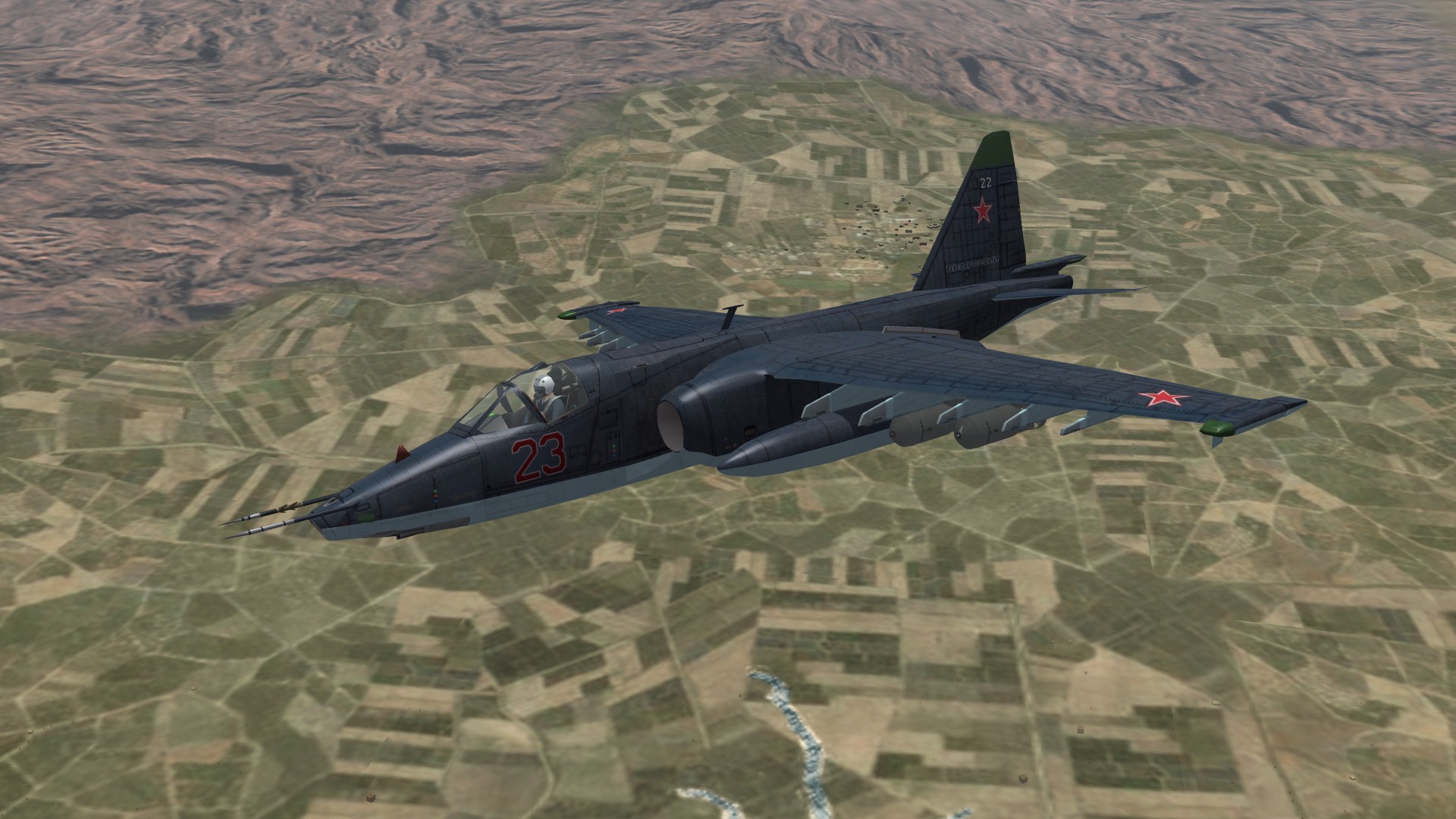
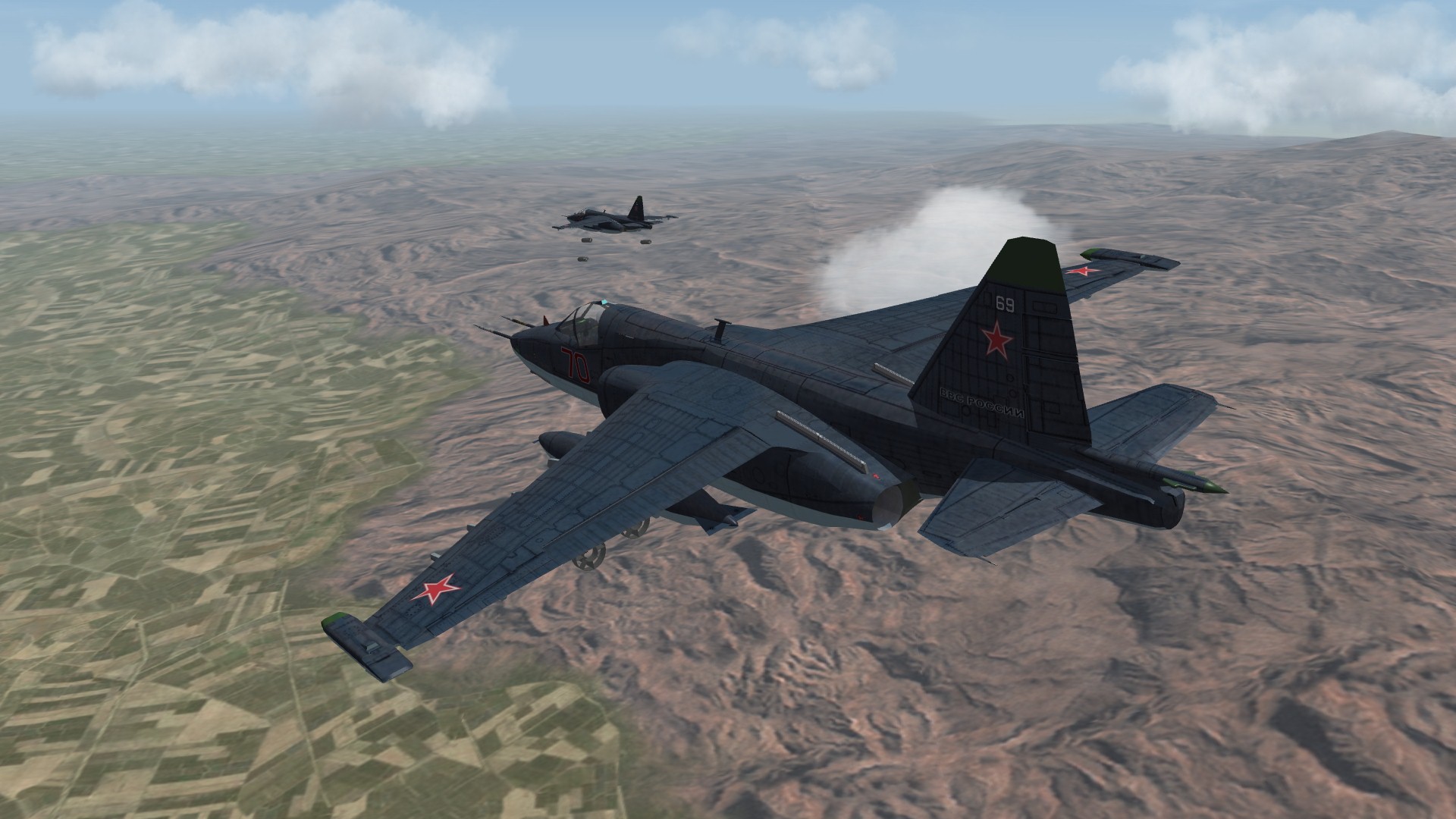
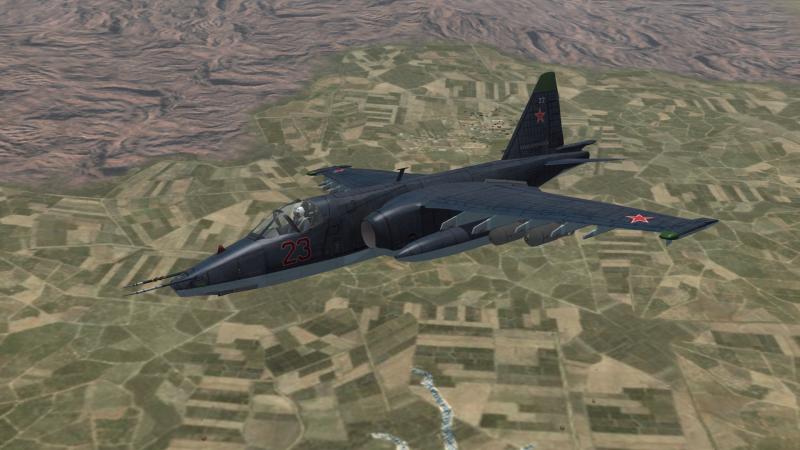
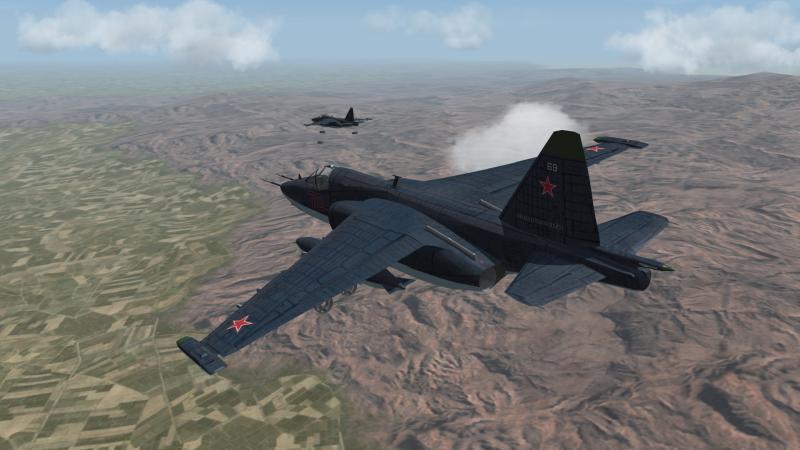
ВВС РОССИИ SU-25SM somewhere over Syria...
-
suggestion for Green TV filter BMP's going forward
dtmdragon replied to Spudknocker's topic in General Discussion
Nice find! -
Russian AF writing on tail fins
dtmdragon replied to dtmdragon's topic in Mods & Skinning Discussion
That's the it, VVS RUSSIA in Cyrillic. Thanks will download tonight after work -
Russian AF writing on tail fins
dtmdragon replied to dtmdragon's topic in Mods & Skinning Discussion
Yes cheers mate -
Does anyone have a decal or template with the Russian Air force writing that seems to be on all the tail fins of todays Russian fighters?
-
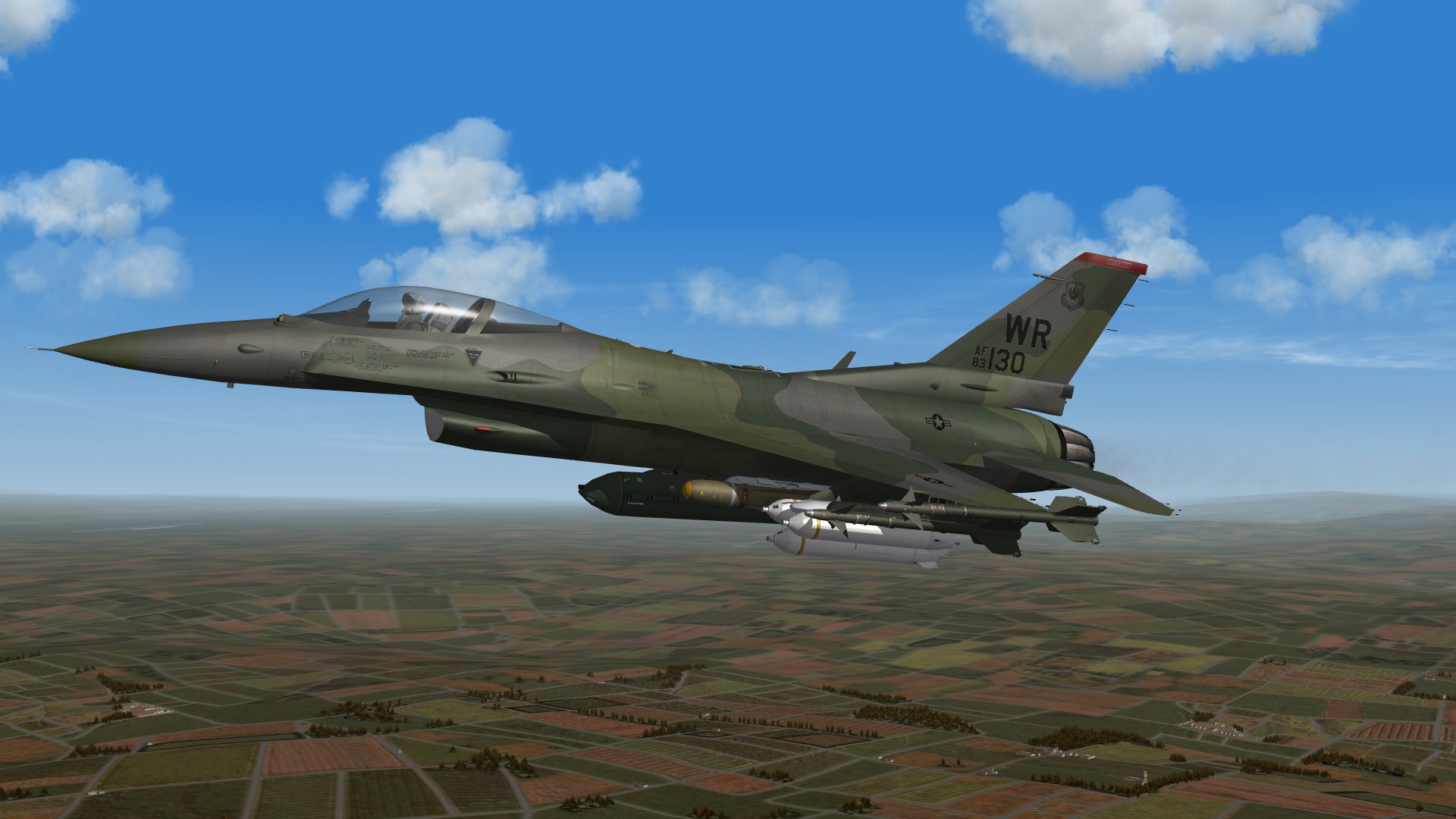
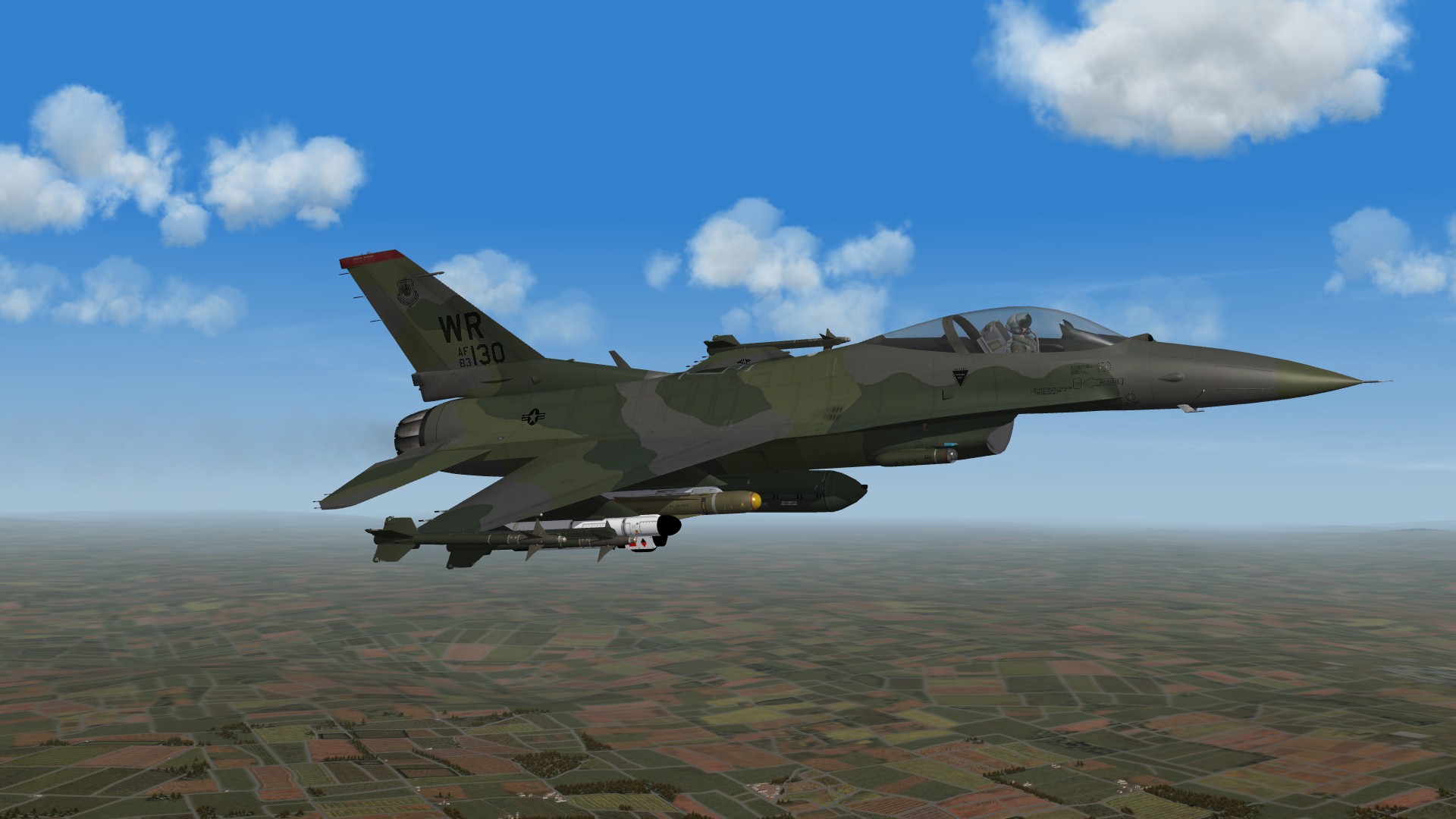
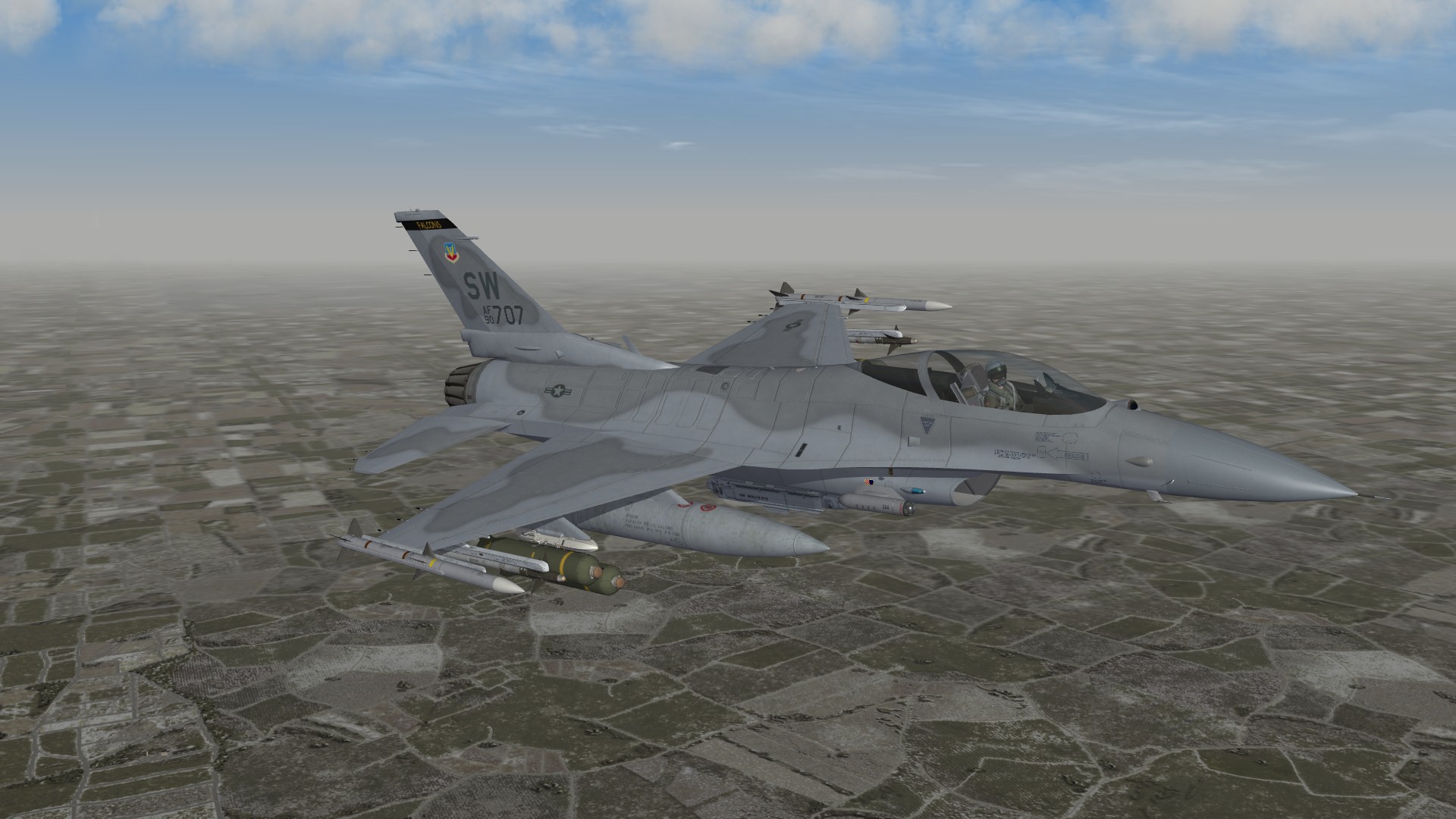
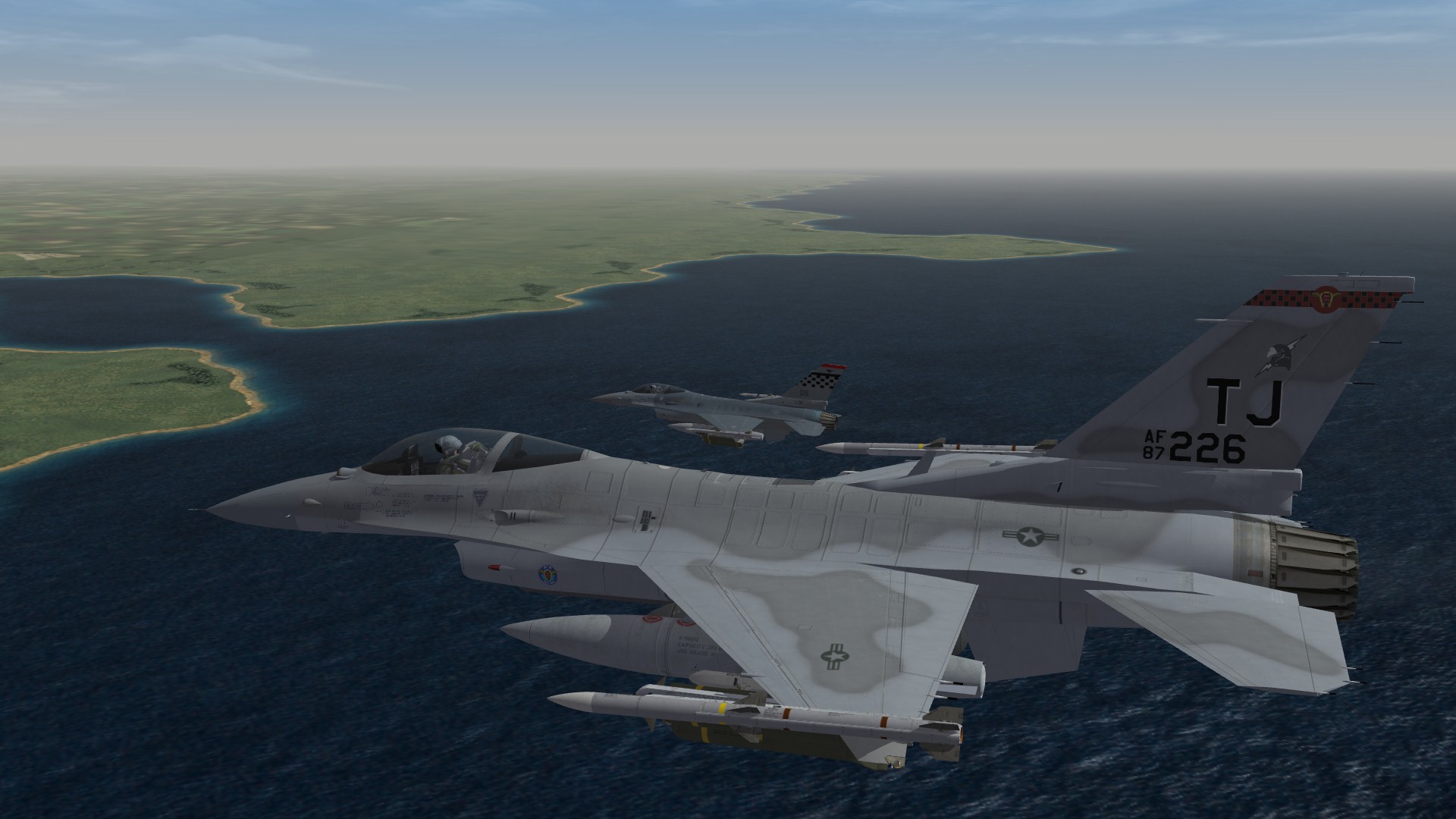
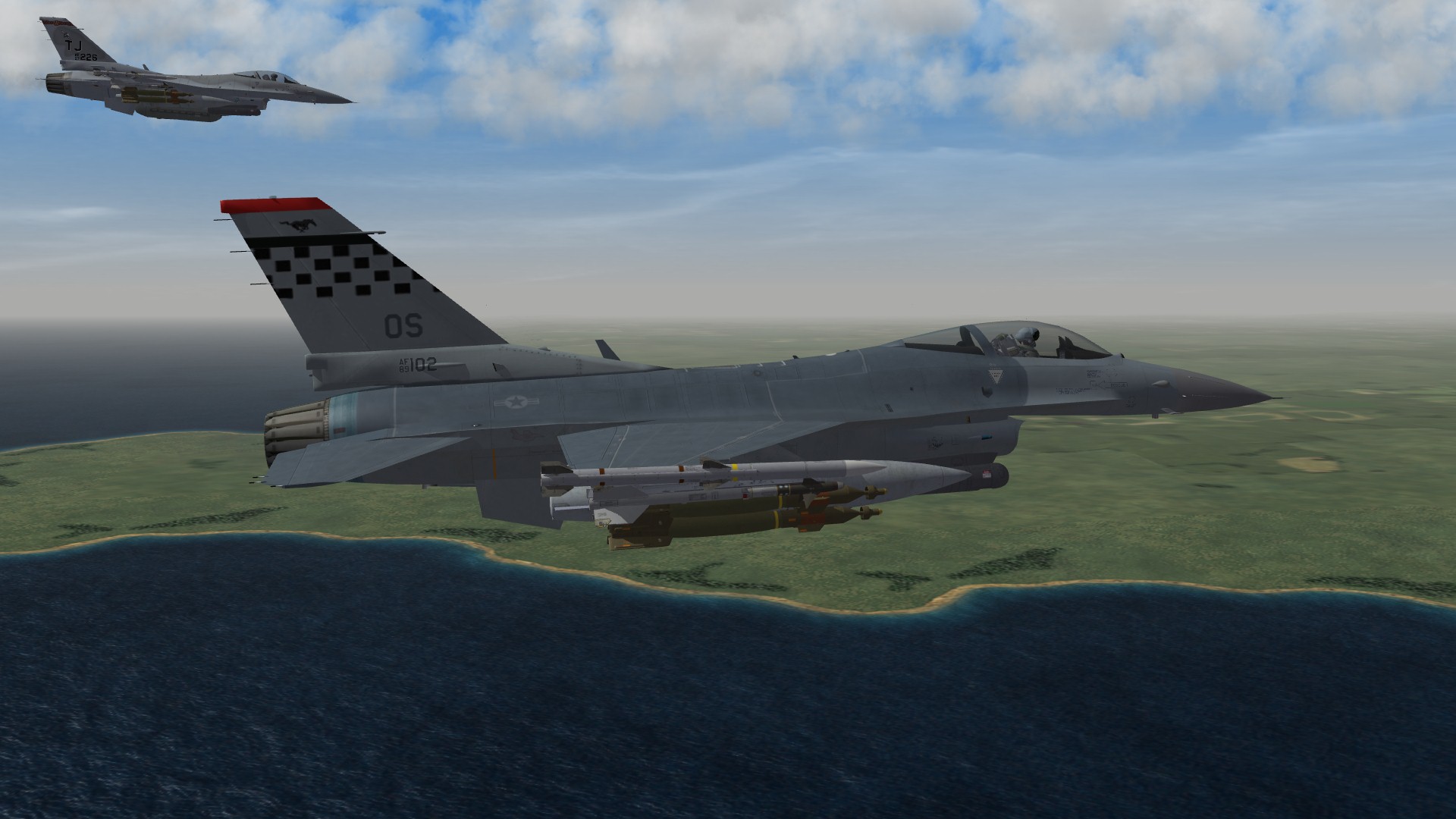
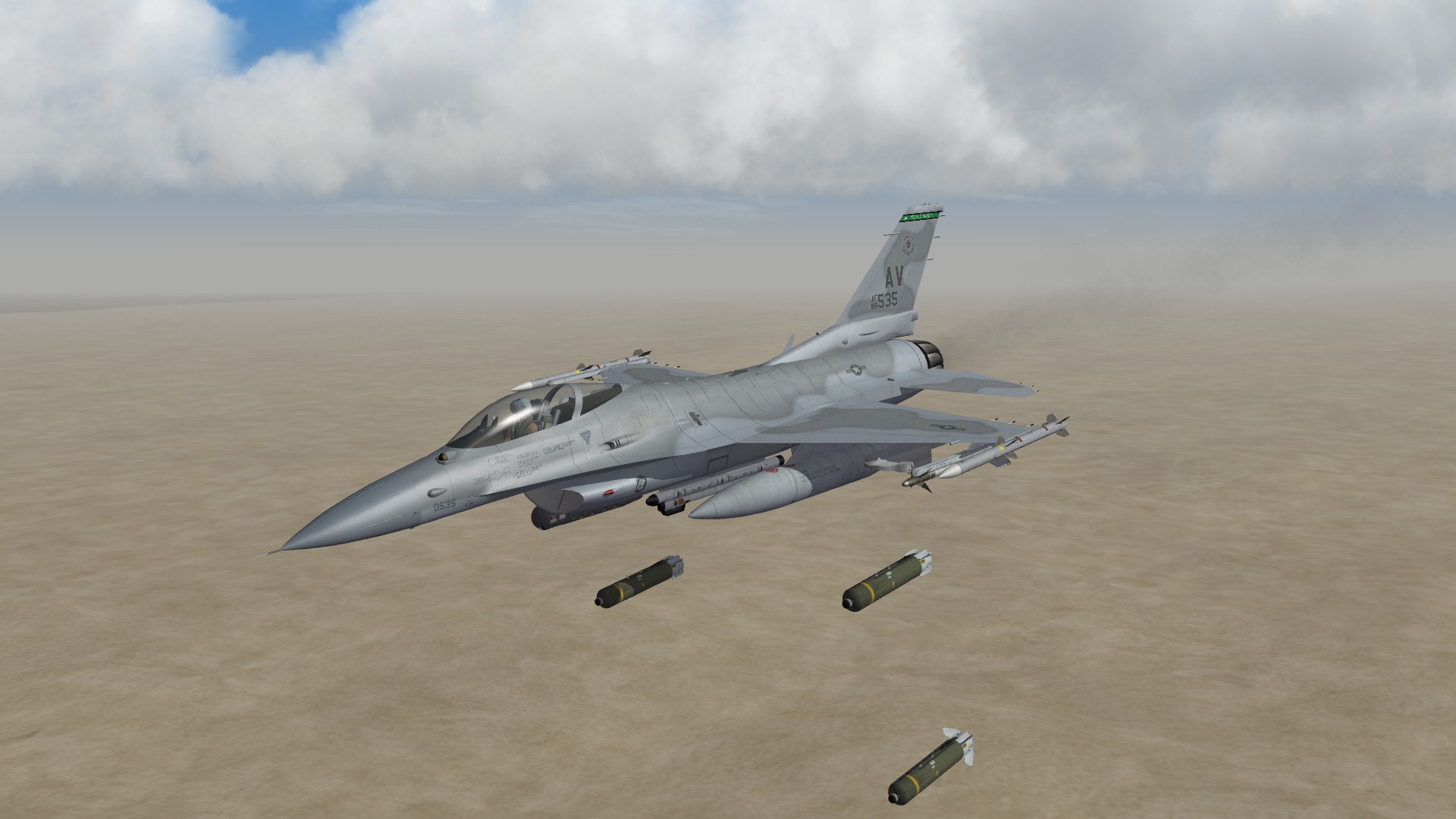
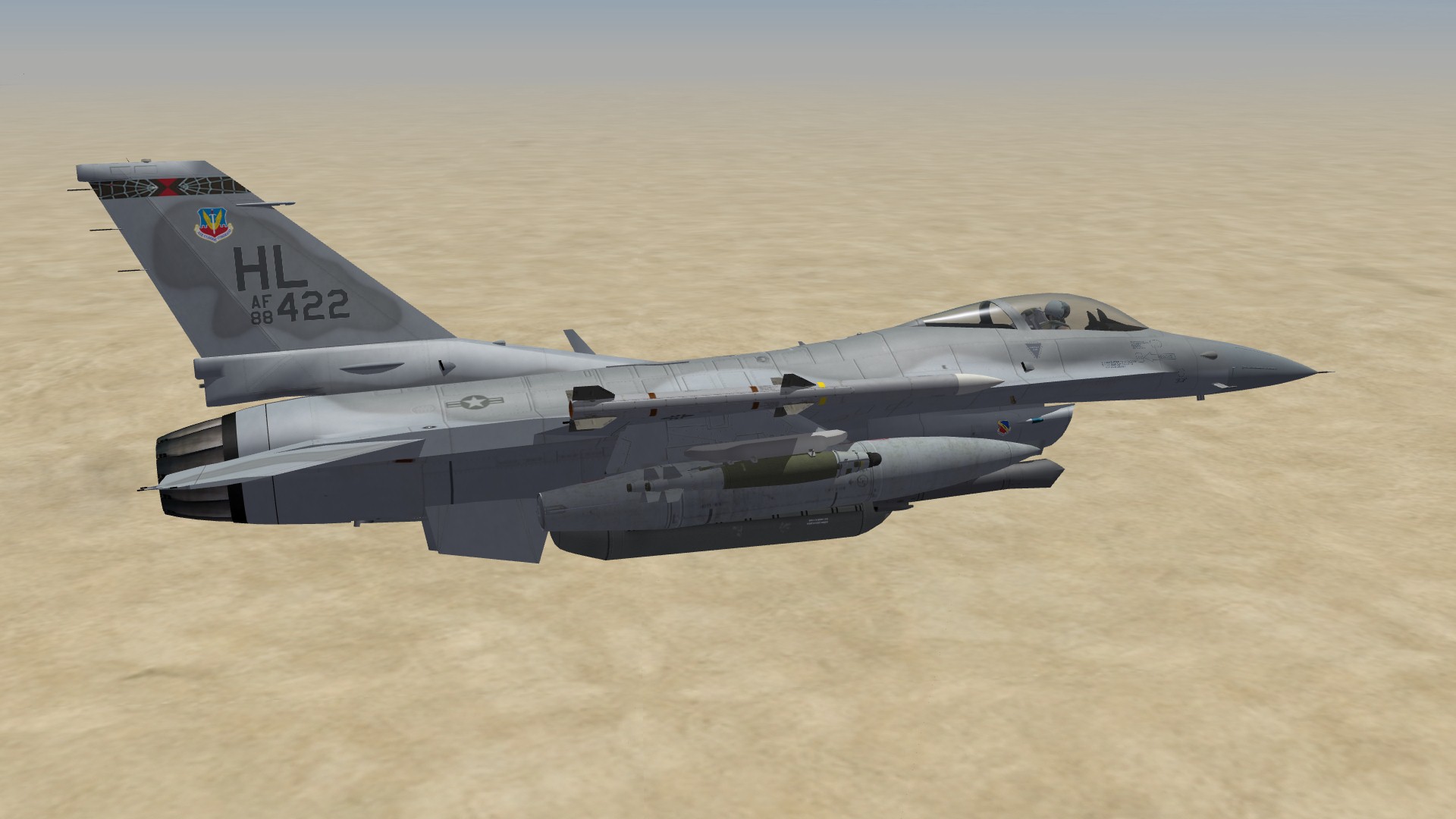
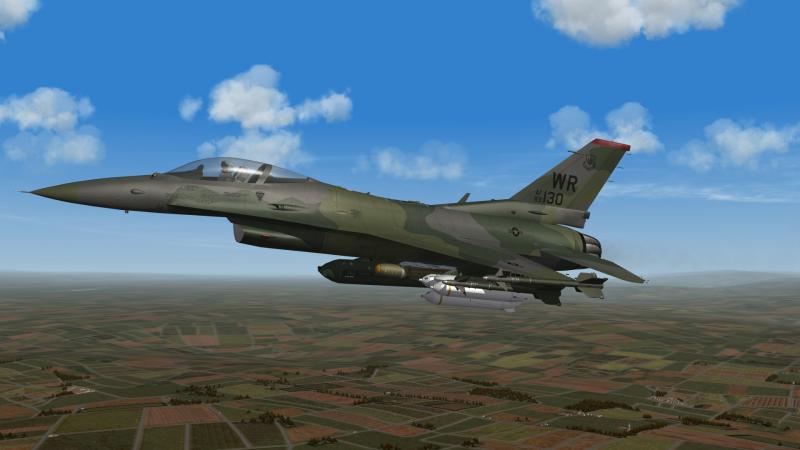
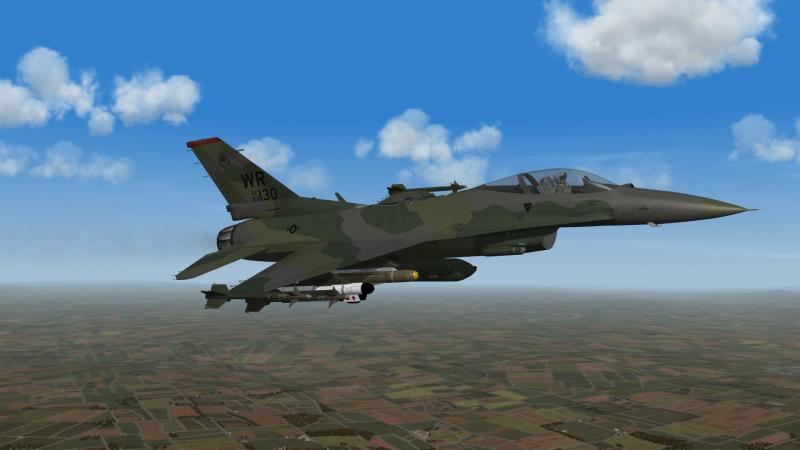
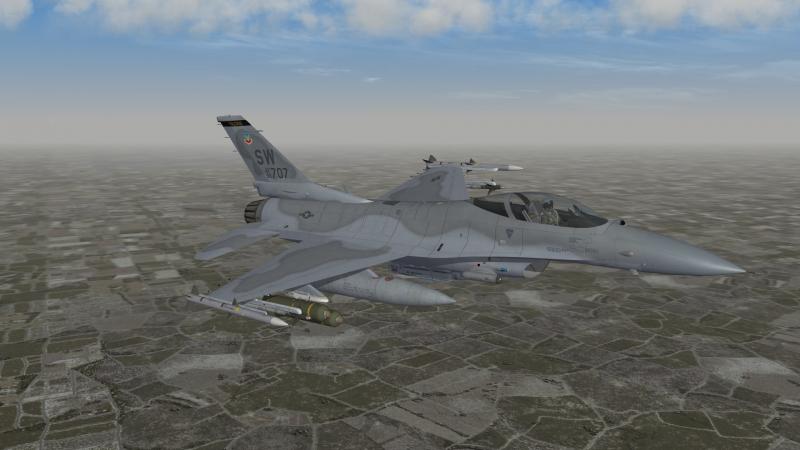
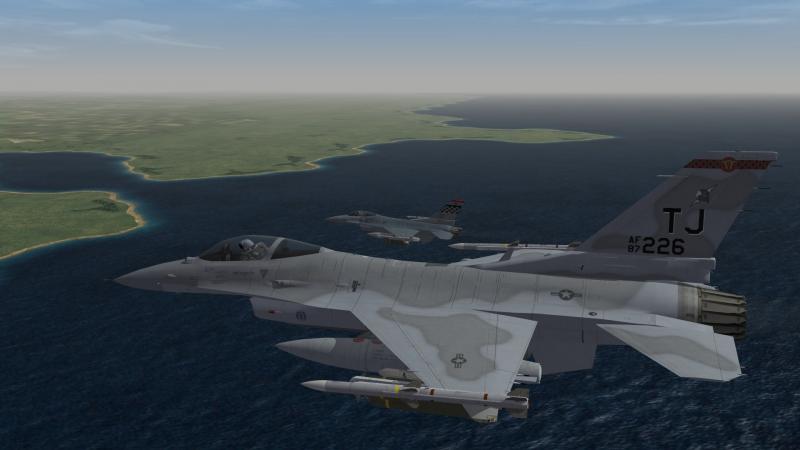
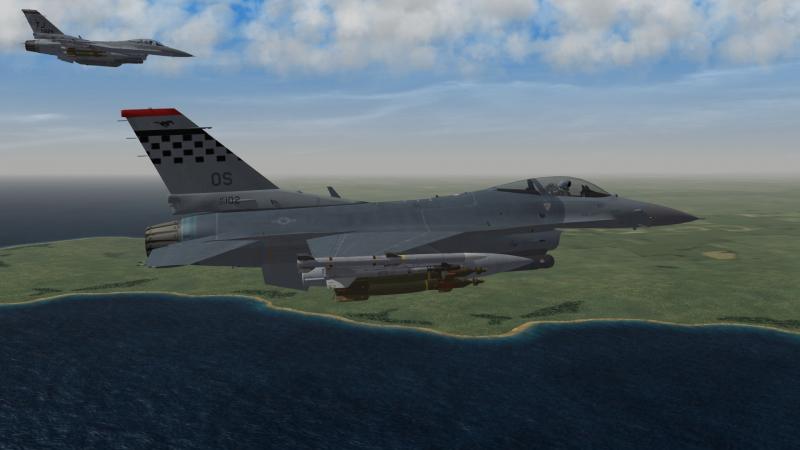
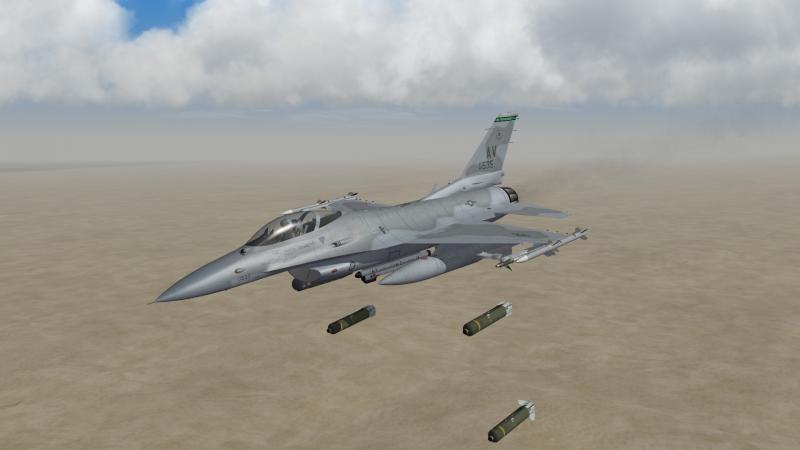
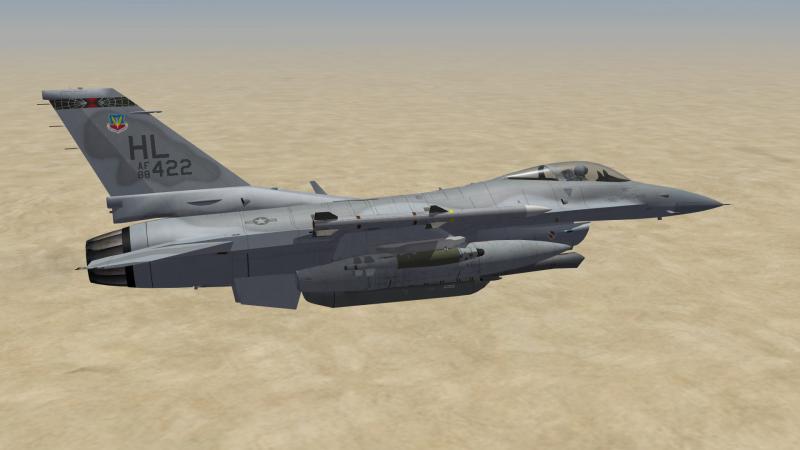
F/A-16C Block 30 CAS Viper F/A-16C Block 32 CAS Viper F/A-16CM Block 30 CAS Viper
-
View File 'What if' F/A-16C Blk 30/32 CAS Vipers 'What if' F/A-16C Blk 30/32 CAS Vipers Background: In the 1980's, the USAF started setting aside F-16s for the planned A-16 modification, a dedicated CAS version. In 1989, the designation block 60 was reserved for the A-16. The A-16 Block 60 was to be equipped with a 30 mm cannon. This project failed because the 30 mm gun would heat up and singe the inner components of the left fuselage. The Block 60 did not go into production and the A-16 became wrapped up in the debate about close CAS. The supporters of the A-16 project wanted the USAF to replace its A-10A Thunderbolt with A-16's, arguing that the A-10 was too slow to survive above a high-tech battlefield. Detractors argued that the A-16 had insufficient range and load-carrying capability to make an effective attack aircraft, and, in addition, it would be too vulnerable to enemy anti-aircraft fire. However the USAF was ordered to retain two wings of A-10 aircraft for the CAS mission. No order for the A-16 was ever placed. When the USAF was forced to opt for the A-10 instead of the A-16, the decision was made to retrofit up to 400 existing Block30/32 F-16C/D's with new equipment to perform the CAS and BAI (Battlefield Air Interdiction) missions, effectively killing the A-16 program. Modifications would include a GPS, Digital Terrain System, system hardening, modular mission computer, and an Automatic Target Handoff System. A prototype Block 30 was based at Shaw AFB and went through numerous physical adjustments. Official designation, was to be F/A-16. In January 1992, this plan too was abandoned in favor of using LANTIRN Block40/42 F-16C/D's. The USAF was reluctant to let the idea of a dedicated CAS F-16 go, and planned to replace its A-10's with F-16s fitted with a version of the Warthog's Avenger cannon. In November 1988, the 174th TFW New York ANG transited from the A-10A to the F-16A/B block 10, becoming the first unit to operate the F-16 in a CAS support role. During Desert Storm, their F-16A/B aircraft were equipped with the GPU-5/A Pave Claw pod on the centerline station. If the tests were successful, there were plans for a fleet of F/A-16C's with the same armament. To demonstrate the concept, the AF installed Pave Penny avionics, 30mm gun pods and European One paint jobs on 7 F-16C's. A single F-16D was given similar treatment with a Falcon Eye system as well. These aircraft flew from Nellis with the 'WA' tailcode. The F-16s from the 174th were deployed to the Persian Gulf during Desert Storm, but the project proved to be a miserable failure. Precision aiming was impossible for several reasons: • The pylon mount isn't as steady as the A-10's rigid mounting; • The F-16 flies much faster than an A-10, giving the pilots too little time approaching the target; • Firing the gun shook the aircraft harshly and made it impossible to control; • Essential CCIP (continuously computed impact point) software was unavailable. Pilots ended up using the gun as an area effect weapon, spraying multiple targets with ammunition, producing an effect rather like a cluster bomb. It took only a couple of days of this before they gave up, unbolted the gun pods, and went back to dropping cluster bombs. And so the F/A-16C plan was quietly forgotten.... BUT...... What if the project was a success? And so I give you the F/A-16C Blk 30/32 CAS Viper: 3 separate aircraft: - F/A-16C Block 30 1986- 1993 (1986 Service date makes it NATO Fighters 5 compatible, 1991 would be more realistic.) - F/A-16C Block 32 1993- 2003 - F/A-16CM Block 30 2003+ Unique CAS loadouts including the Pave Claw 30mm gun pods. There are heaps of extra loadouts if you have a look with the mission editor. All F/A-16C have the Falcon Eye FLIR pod on the nose in front of the canopy. It was slaved to the pilot’s helmet which had a helmet mounted display. Basically anywhere the pilot looked at night he would see the world in infrared. It was also the West’s first HMD with targeting information, weapons cueing, navigation and terrain avoidance ques. There are Euro-one style skins for the early F/A-16C, the latter blocks two have a mix of normal F-16 camo skins and a lighter ghost grey style like on the A-10. To install: Drop into your C:\Users\xxxxxx\Saved Games\ThirdWire\StrikeFighters XXXXX Included in the folder 'NATO Fighters 5' is a modified 1986 Red Storm NATO Fighters campaign that includes the F/A-16. It will show up as an extra campaign and not affect any of the NATO Fighters 5 campaigns. Credits: - The Viper Team for their stunning viper packs. - Ravenclaw_007 for his new weapon packs. - Migbuster fot the F-16C skin templates. - Nato Fighters Team. Enjoy, Dan (dtmdragon) Combat Ace fair use agreement applies. Submitter dtmdragon Submitted 12/01/2015 Category What If Hangar
-
- 3
-
-
Version 1.0
387 downloads
'What if' F/A-16C Blk 30/32 CAS Vipers Background: In the 1980's, the USAF started setting aside F-16s for the planned A-16 modification, a dedicated CAS version. In 1989, the designation block 60 was reserved for the A-16. The A-16 Block 60 was to be equipped with a 30 mm cannon. This project failed because the 30 mm gun would heat up and singe the inner components of the left fuselage. The Block 60 did not go into production and the A-16 became wrapped up in the debate about close CAS. The supporters of the A-16 project wanted the USAF to replace its A-10A Thunderbolt with A-16's, arguing that the A-10 was too slow to survive above a high-tech battlefield. Detractors argued that the A-16 had insufficient range and load-carrying capability to make an effective attack aircraft, and, in addition, it would be too vulnerable to enemy anti-aircraft fire. However the USAF was ordered to retain two wings of A-10 aircraft for the CAS mission. No order for the A-16 was ever placed. When the USAF was forced to opt for the A-10 instead of the A-16, the decision was made to retrofit up to 400 existing Block30/32 F-16C/D's with new equipment to perform the CAS and BAI (Battlefield Air Interdiction) missions, effectively killing the A-16 program. Modifications would include a GPS, Digital Terrain System, system hardening, modular mission computer, and an Automatic Target Handoff System. A prototype Block 30 was based at Shaw AFB and went through numerous physical adjustments. Official designation, was to be F/A-16. In January 1992, this plan too was abandoned in favor of using LANTIRN Block40/42 F-16C/D's. The USAF was reluctant to let the idea of a dedicated CAS F-16 go, and planned to replace its A-10's with F-16s fitted with a version of the Warthog's Avenger cannon. In November 1988, the 174th TFW New York ANG transited from the A-10A to the F-16A/B block 10, becoming the first unit to operate the F-16 in a CAS support role. During Desert Storm, their F-16A/B aircraft were equipped with the GPU-5/A Pave Claw pod on the centerline station. If the tests were successful, there were plans for a fleet of F/A-16C's with the same armament. To demonstrate the concept, the AF installed Pave Penny avionics, 30mm gun pods and European One paint jobs on 7 F-16C's. A single F-16D was given similar treatment with a Falcon Eye system as well. These aircraft flew from Nellis with the 'WA' tailcode. The F-16s from the 174th were deployed to the Persian Gulf during Desert Storm, but the project proved to be a miserable failure. Precision aiming was impossible for several reasons: • The pylon mount isn't as steady as the A-10's rigid mounting; • The F-16 flies much faster than an A-10, giving the pilots too little time approaching the target; • Firing the gun shook the aircraft harshly and made it impossible to control; • Essential CCIP (continuously computed impact point) software was unavailable. Pilots ended up using the gun as an area effect weapon, spraying multiple targets with ammunition, producing an effect rather like a cluster bomb. It took only a couple of days of this before they gave up, unbolted the gun pods, and went back to dropping cluster bombs. And so the F/A-16C plan was quietly forgotten.... BUT...... What if the project was a success? And so I give you the F/A-16C Blk 30/32 CAS Viper: 3 separate aircraft: - F/A-16C Block 30 1986- 1993 (1986 Service date makes it NATO Fighters 5 compatible, 1991 would be more realistic.) - F/A-16C Block 32 1993- 2003 - F/A-16CM Block 30 2003+ Unique CAS loadouts including the Pave Claw 30mm gun pods. There are heaps of extra loadouts if you have a look with the mission editor. All F/A-16C have the Falcon Eye FLIR pod on the nose in front of the canopy. It was slaved to the pilot’s helmet which had a helmet mounted display. Basically anywhere the pilot looked at night he would see the world in infrared. It was also the West’s first HMD with targeting information, weapons cueing, navigation and terrain avoidance ques. There are Euro-one style skins for the early F/A-16C, the latter blocks two have a mix of normal F-16 camo skins and a lighter ghost grey style like on the A-10. To install: Drop into your C:\Users\xxxxxx\Saved Games\ThirdWire\StrikeFighters XXXXX Included in the folder 'NATO Fighters 5' is a modified 1986 Red Storm NATO Fighters campaign that includes the F/A-16. It will show up as an extra campaign and not affect any of the NATO Fighters 5 campaigns. Credits: - The Viper Team for their stunning viper packs. - Ravenclaw_007 for his new weapon packs. - Migbuster fot the F-16C skin templates. - Nato Fighters Team. Enjoy, Dan (dtmdragon) Combat Ace fair use agreement applies. -
Uploading now.....
-
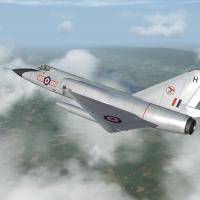
View File 'What if' Delta Dart F.1 (F-106A) Royal Air Force Skin pack 'What if' Delta Dart F.1 (F-106A) Royal Air Force Skin pack Decal are all stock TW Lightning decals so you can change the squadron to any RAF Lightning Squadron and the correct markings should show. - 1 Polished Silver Skin - 1 All Over Green Skin - 1 Two Tone Air Defense Grey You MUST have the SF2 F-106A pack installed: http://combatace.com/files/file/14246-f-106a-delta-dart-for-sf2/ You MUST have a SF2 Title installed with a Lighning e.g. SF2 Expansion Pack 2 Credits: - Pasko and his team that did the F-106A above. - Geary for the F-106A templates. Enjoy! Dan (Dtmdragon) Submitter dtmdragon Submitted 12/01/2015 Category What If Skins
-
- 2
-
-
Version 1.0
39 downloads
'What if' Delta Dart F.1 (F-106A) Royal Air Force Skin pack Decal are all stock TW Lightning decals so you can change the squadron to any RAF Lightning Squadron and the correct markings should show. - 1 Polished Silver Skin - 1 All Over Green Skin - 1 Two Tone Air Defense Grey You MUST have the SF2 F-106A pack installed: http://combatace.com/files/file/14246-f-106a-delta-dart-for-sf2/ You MUST have a SF2 Title installed with a Lighning e.g. SF2 Expansion Pack 2 Credits: - Pasko and his team that did the F-106A above. - Geary for the F-106A templates. Enjoy! Dan (Dtmdragon) -
Uploading now
-
I reckon! Amazing that Falcon eye HMD was developed in the late 80's but a HMD aka JHMCS wasn't in widespread use on western fighters till the 2000's. The mission terrain map stored in the A-16 mission computer was so accurate that air-to-ground weapons could be deployed with the radar off with no slant range information etc and the CEP was only about 5-10 meters larger!
-
It was called 'falcon eye' It was an infrared camera slaved to the pilots helmet which had a helmet mounted display. Basically anywhere the pilot looked at night he would see the world in infrared. It was developed in the late 80's. The CAS A-16 also had a digital terrain system that provided a terrain following capability with the mission terrain map stored in the aircraft mission computer which tracked the aircraft's location via GPS and INS. Forward air controllers could also automatically hand off targets to the A-16 mission computer via data link. Targets, weapon delivery information, way points and terrain warnings would all be displayed in the falcon eye HMD. Its sitting on my computer I just have to put it all together to upload when I get some time. I added it to the NATO Fighters 5 1986 campaign which has been a lot of fun to fly in. It could be added as a 'what if' to the Desert Storm mod to...