


HvitiVikingurrin
-
Posts
84 -
Joined
-
Last visited
Content Type
Profiles
Forums
Gallery
Downloads
Store
Everything posted by HvitiVikingurrin
-
Your problem can be solved quite easily. But you’ll need the Mue's Lodviewer to find out the name of the pilot’s legs in the cockpit. Open the COCKPIT.INI file in Notepad. In the [CockpitSeat001] section, add the following line, replacing XXX with the sequential number in the instrument list: Instrument[XXX]=Move1 Then scroll down through the file and add the following lines at the end: Move1 Tupe=INACTIVE NodeName= <----- Enter the node name of the pilot's legs here, as shown by the LodViewer. Save the file. This should help. Enjoy!
-
Exactly. That’s the Be2A Quirk by Capun from the DAT site. There were also variants C and D, but they had absolutely hideous gunners in the front and rear cockpits, respectively.
-
I don't think that would solve the problem of the pilot's accuracy. Rockets themselves had been known in China and India for a very long time - probably even in da Vinci's day. But before the invention of the electric fuse, firing rockets would have been impossible for a "flyer". His hands are busy controlling the aircraft, and he would have had to reach for a tinderbox, strike a spark with a steel flint against flint to make the tinder smolder and ignite the shavings (all while in the wind!). Then he’d have to bring the smoldering tinder to the rocket’s fuse and, in the few seconds while the fuse was burning, put away the tinderbox, regain control of the vehicle, and aim the missile at the target. And miss with almost 100% certainty! After all, the rocket would have flown anywhere but toward the target. Even Colonel Congreve’s rockets (mentioned in the U.S. National Anthem) were notoriously inaccurate - that was the early 19th century, not the 15th or early 16th century. And the Le Prieur rockets weren’t exactly models of accuracy either. Although, if we give our imaginations free rein, why not?
-
In conclusion, here are a couple of very simple improvements to the base Fokker model. The aileron control levers (horns) and cables can be made slightly smaller (shorter). Or at least just the cables. The position of the elevator control cables needs to be changed. If this isn’t done, future 4K skin modders will run into problems.


-
Yeah, that happens. It seems like the pilot’s shoulders are a bit too broad and he sits a little too high. The latter can be fixed in the data.ini file. But with shoulders like that, I don’t think he’ll fit properly in every cockpit. But that’s just how it is... But in closing, I have to admit what a blind fool I was. While I was noticing all sorts of minor details, I missed what was right in front of my eyes! I’m talking about the aileron control cables that come out of the sides of the cockpit and run into the wing near the rear struts. They’re just wires. In our case, there’s no need to make them stretchable or movable. For a master like Stephen, it should be a piece of cake - just add these two (or four) thin rods to the model.


-
Perhaps a shotgun would have done a better job! As for “air-to-ground” operations, given the level of grenade technology at the time, such a “flyer” - much like a pigeon - could only have defecated insultingly on the heads of the poor landsknechts. And here, by the way, is the answer to the question of why we need highly detailed models (which in other cases can slow down the game). They’re needed for free flight - for the sheer pleasure of it and to admire the external views - as well as for creating great screenshots or videos.

-
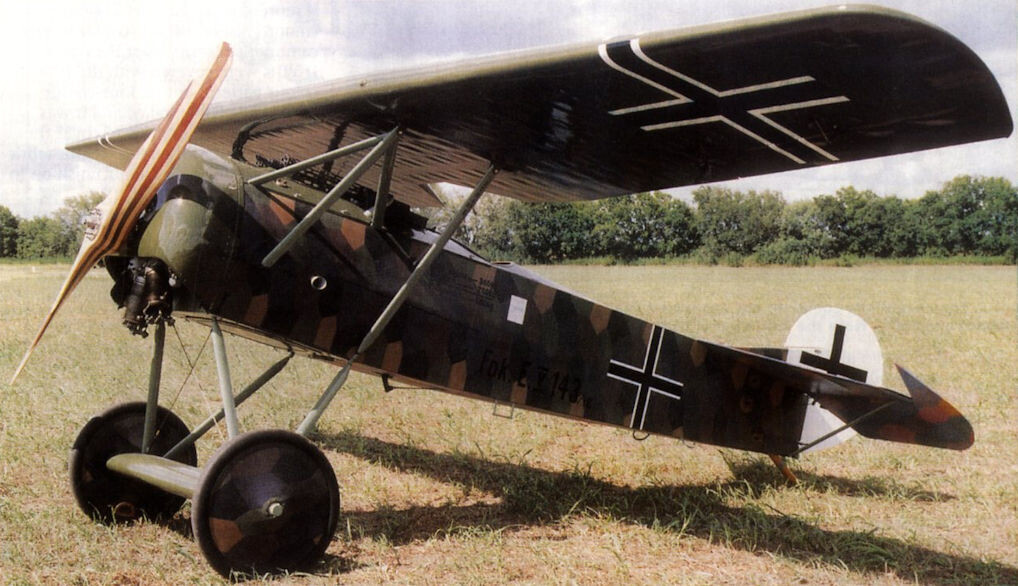
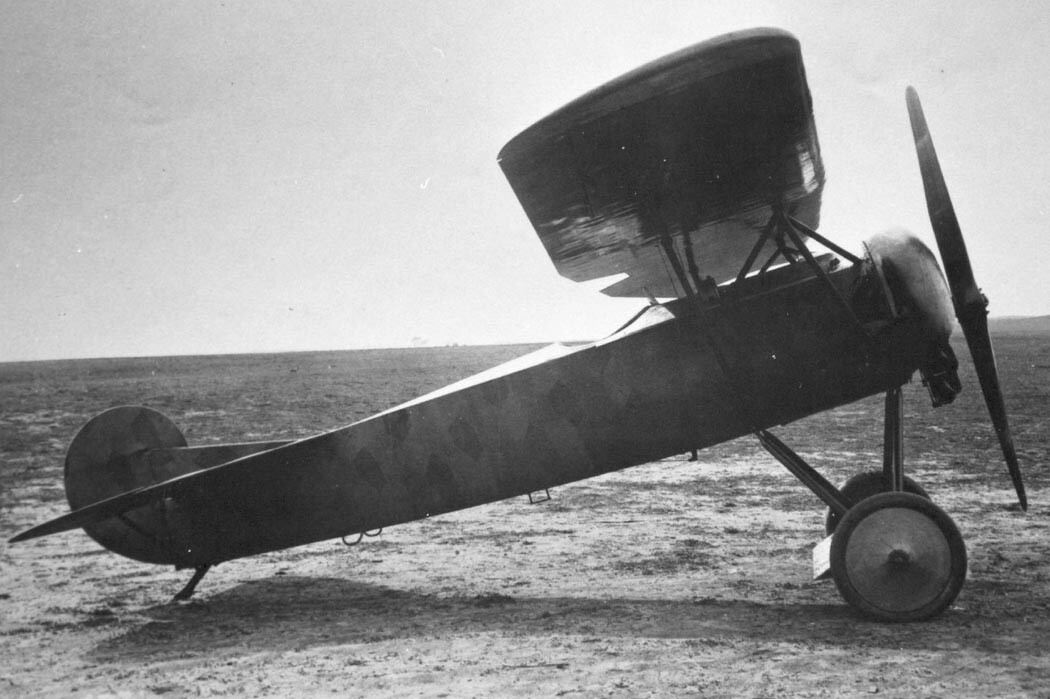
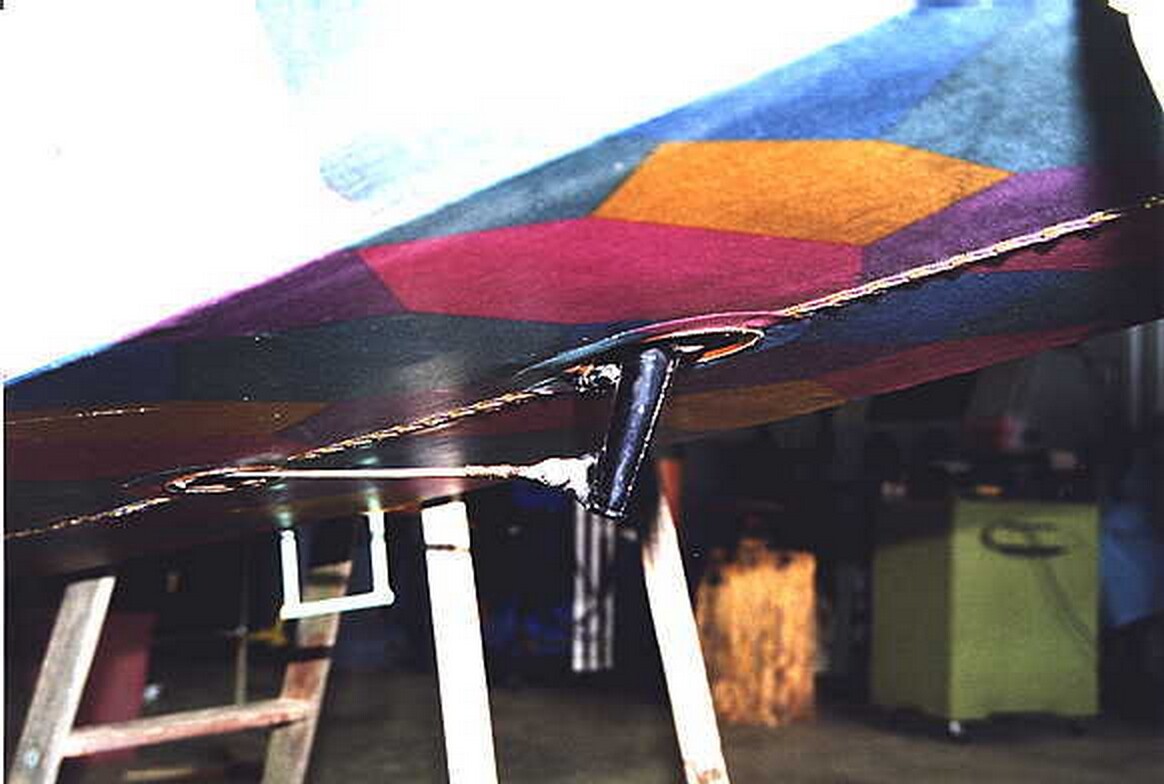
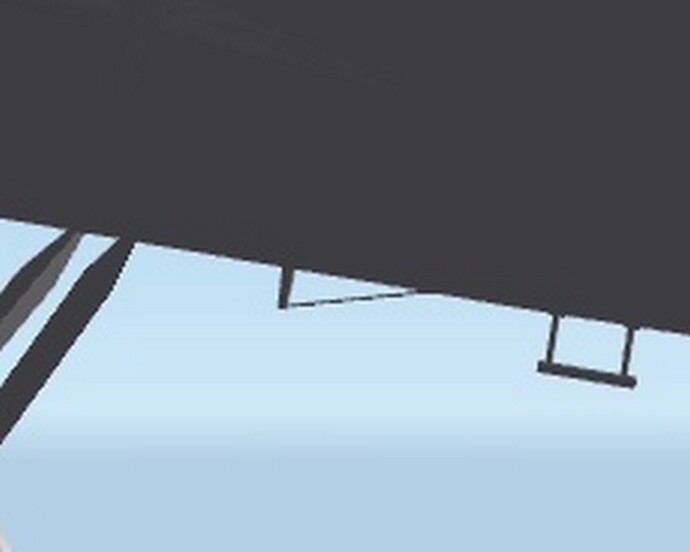
Hello again! In the meantime, I’ll continue counting the rivets, if you don’t mind. So, another improvement for the Fokker D8 model would be to add the end of the control stick and the cable to the bottom of its fuselage - these were definitely there. This detail is shown in all the diagrams, and you can see it clearly here in the photo. It’s just an L-shaped rod and a piece of wiring - nothing complicated. In my humble experience, this is exactly how a highly detailed model is created: the basic framework is gradually built up with small details. The result should be a real treat for the eyes. For some reason, the last two photos didn't make it into the previous post, so I'll add them here. I don't want them to go to waste!
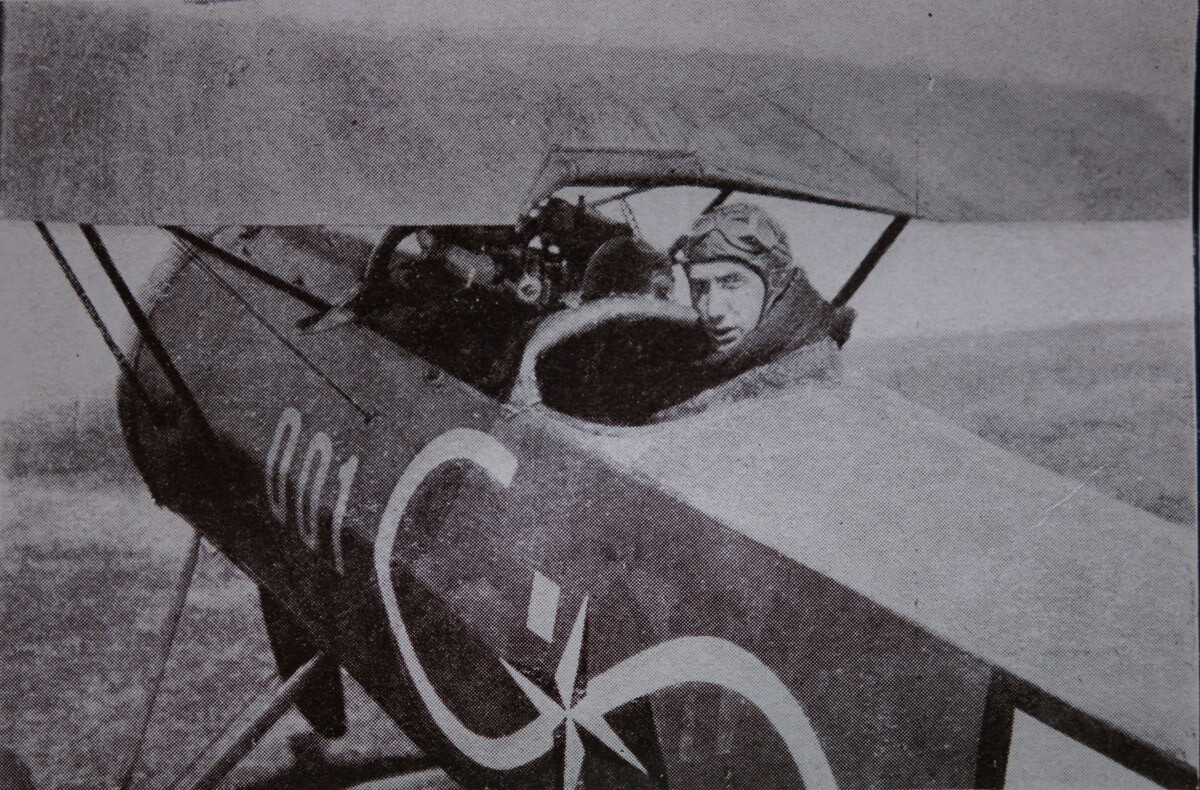
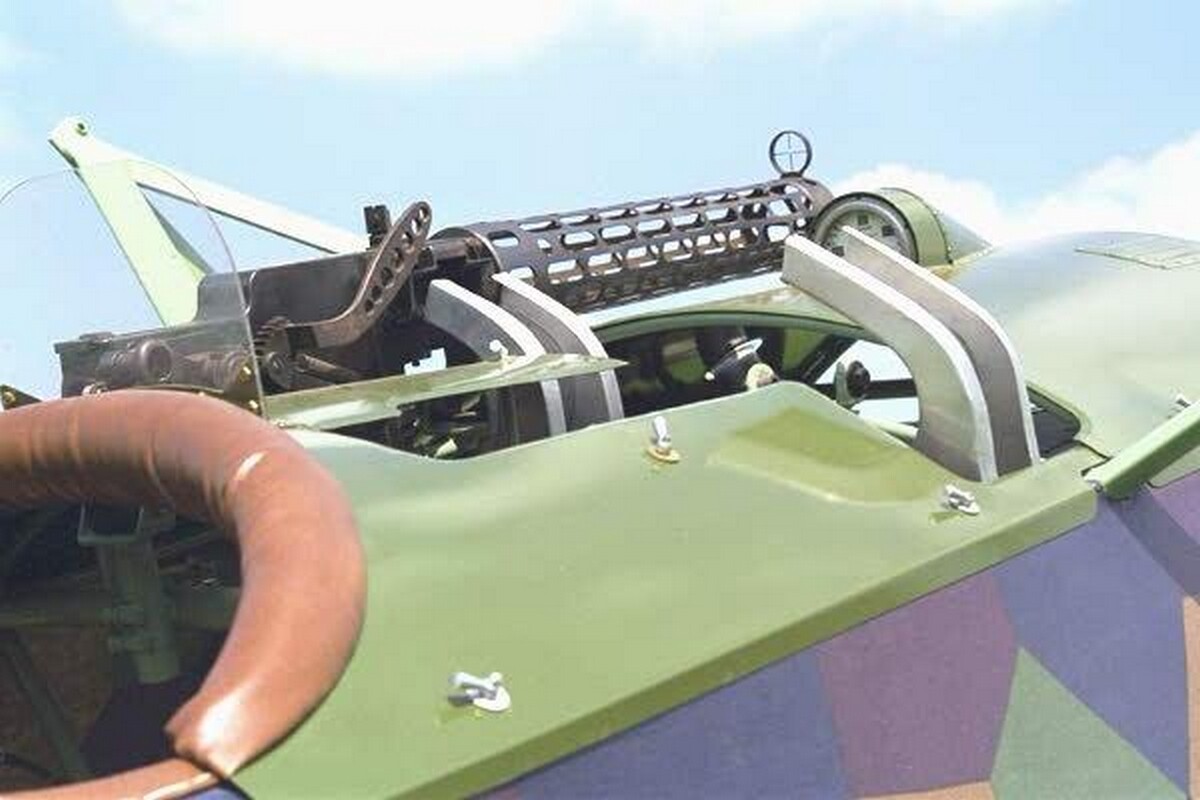
-
And this is just another replica of the Fokker monoplane. Especially for skinners - here’s an example of the stencils on the rudder. I love these stencils! :))
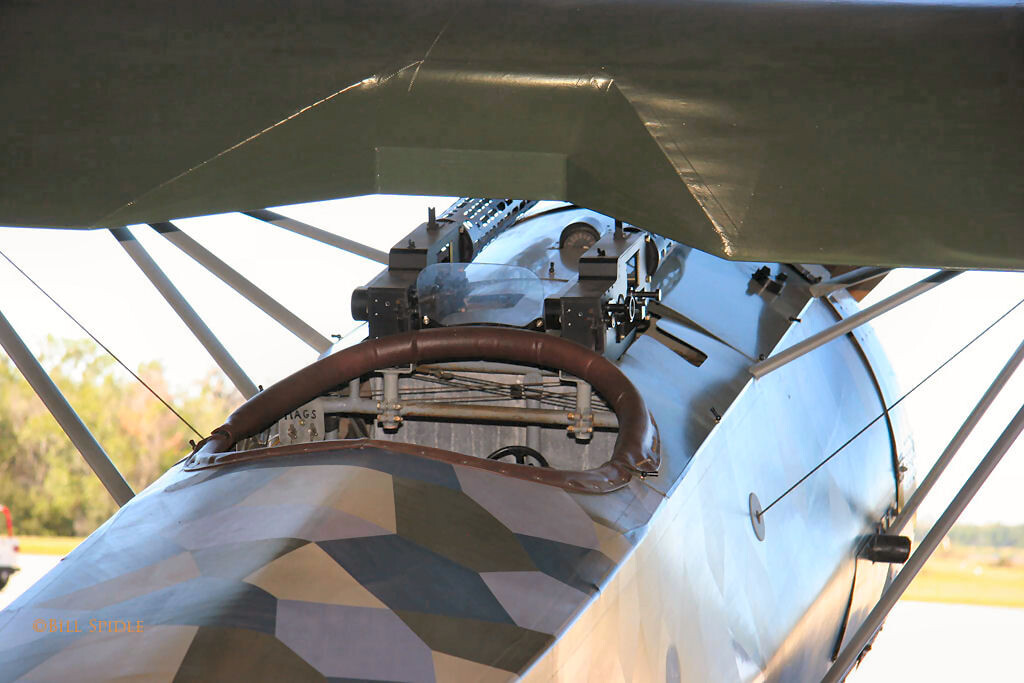
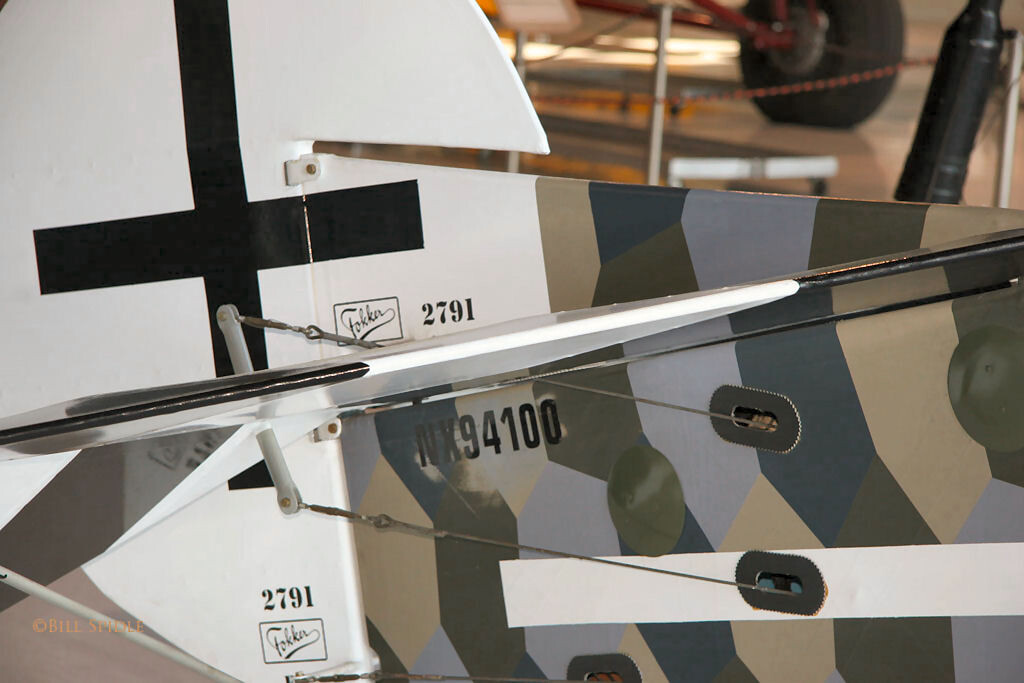
-
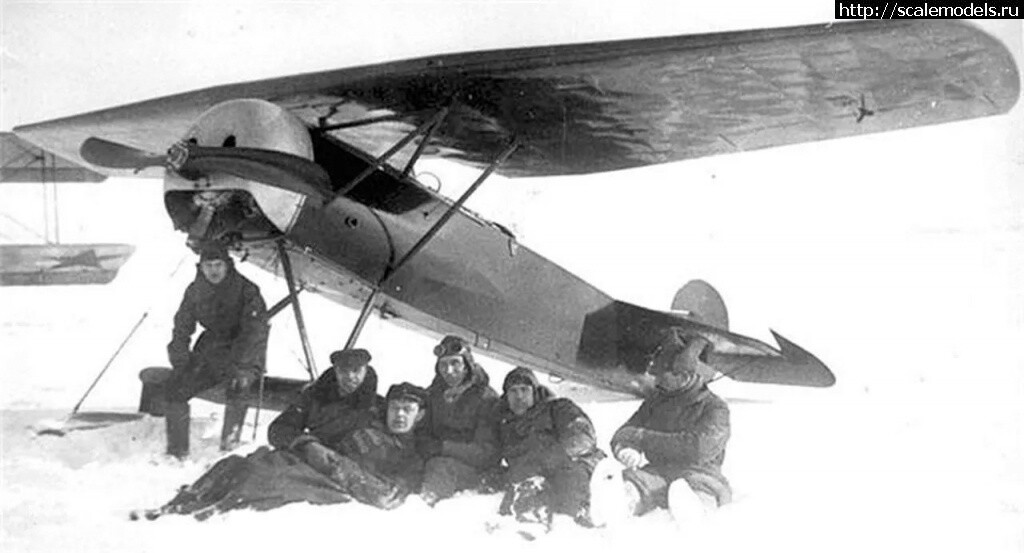
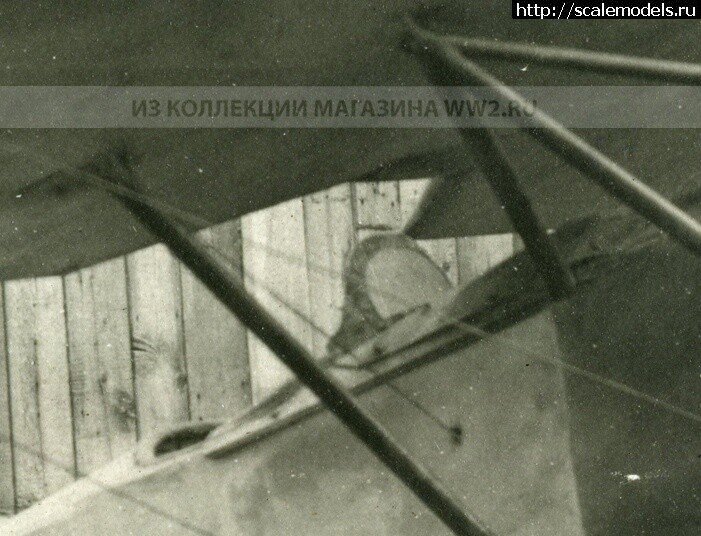
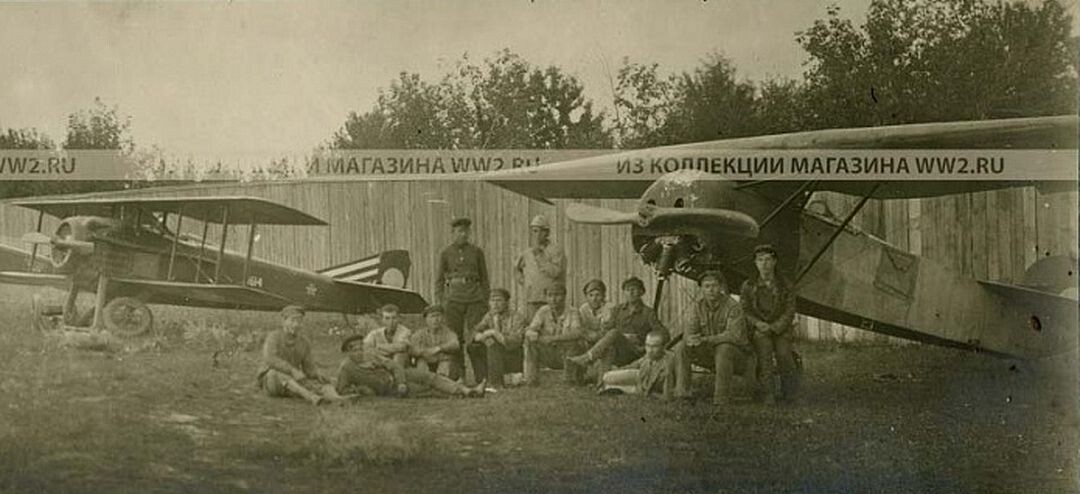
By the way, here’s an example of just such a modification to the Fokker D8. This is a Soviet trophy (a former Polish aircraft) to which the Russians added a large windscreen with a frame. In the photo, where the plane still bears Polish markings, the windscreen is the same as the one on Stetc's plane. Perhaps it was broken or seemed insufficient (ineffective). As far as I recall, in Russia they even fitted a large framed windscreen to a captured Sopwith Triplane. It’s cold to fly in the winter! :) As for monoplanes, the situation is unclear. On the one hand, there are reports of two captured aircraft, but according to the archives, only one can be traced. The fate of the second remains a mystery...
-
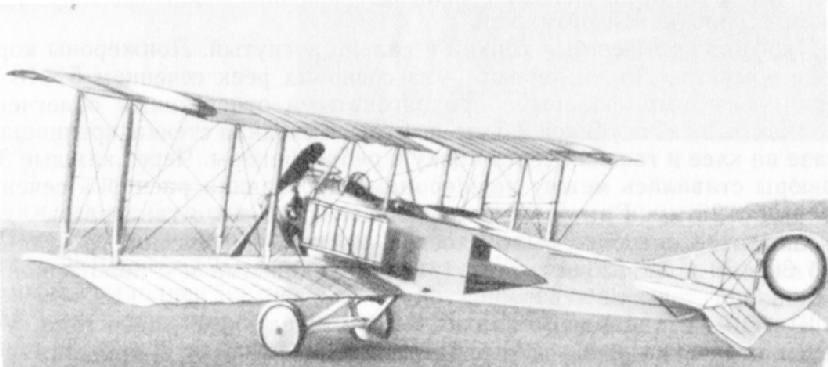
Yes, it was even possible to paint the side radiators on the early Albatross models and their clones onto the texture. However, it seems to me that these days, simply painting the fuel caps onto the skin is too easy! This method was fine back in Laton’s day, but now, the more small details a model has, the cooler it undoubtedly looks. Especially since the modification isn’t very complicated. In any case, as always— it’s my suggestion, and it’s your right to decline. Don’t even doubt it! It wasn’t glass, but a material called cellulose. An early plastic technology, developed as far back as the late 19th century for the manufacture of photographic film and cinema film. This material was light and flexible, and was widely used in aviation. Here are some examples from old photographs. Pictured are Ernst Udet and one of the first Polish pilots, who shares your name. However, in addition to its advantages for that time, cellulose also had significant drawbacks. The fact is that when exposed to the sun or frost, this material would quickly become cloudy and brittle, losing its original transparency and flexibility. (To be fair, airplanes back then didn’t last much longer anyway...) And it’s no wonder that the unforgettable Geezer, on his Halb D5, wittily depicted this visor as cracked. Then again, you can ignore my ramblings here too, because there are examples of Fokkers without a windscreen. But then the view from the cockpit becomes completely boring and unremarkable...
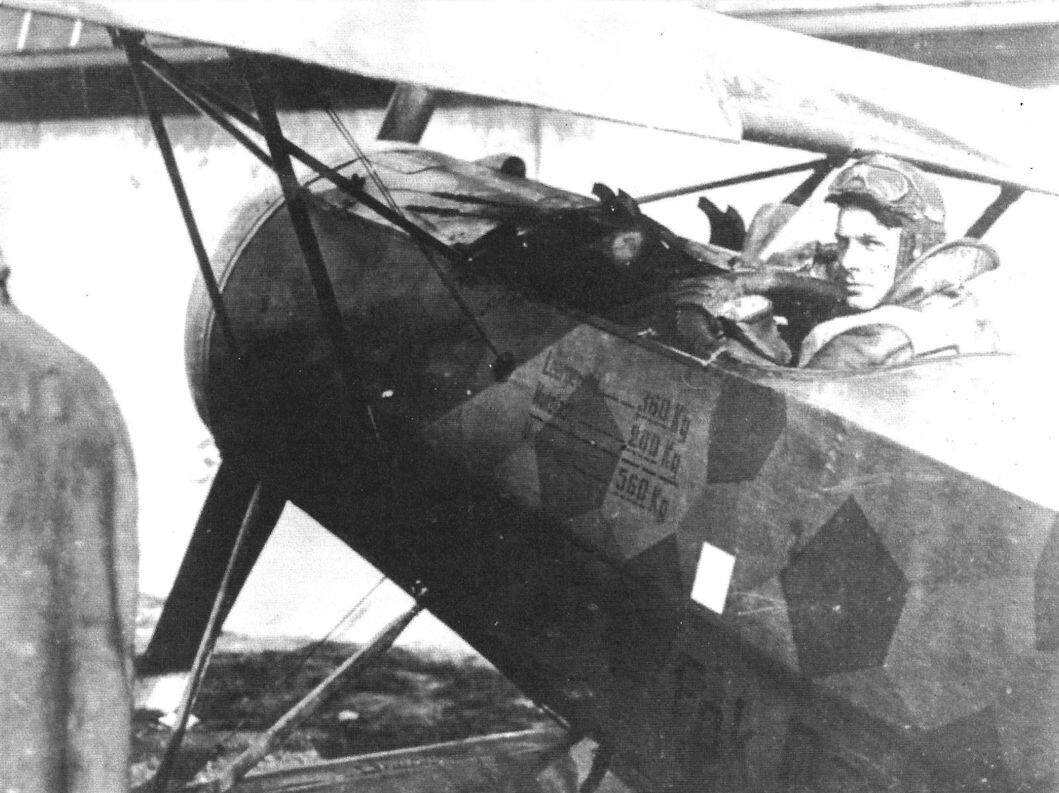
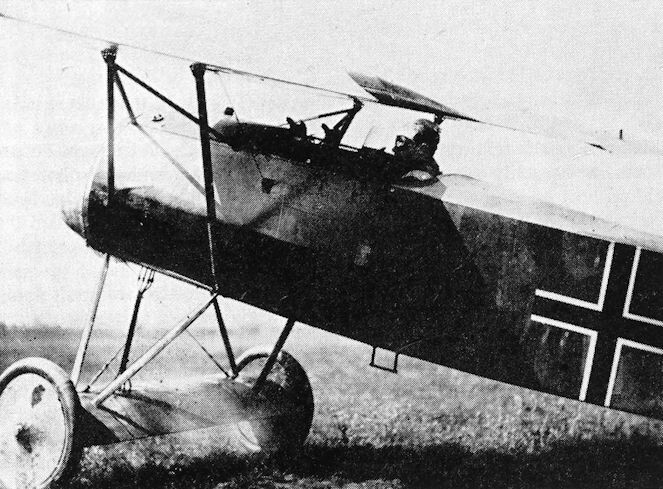
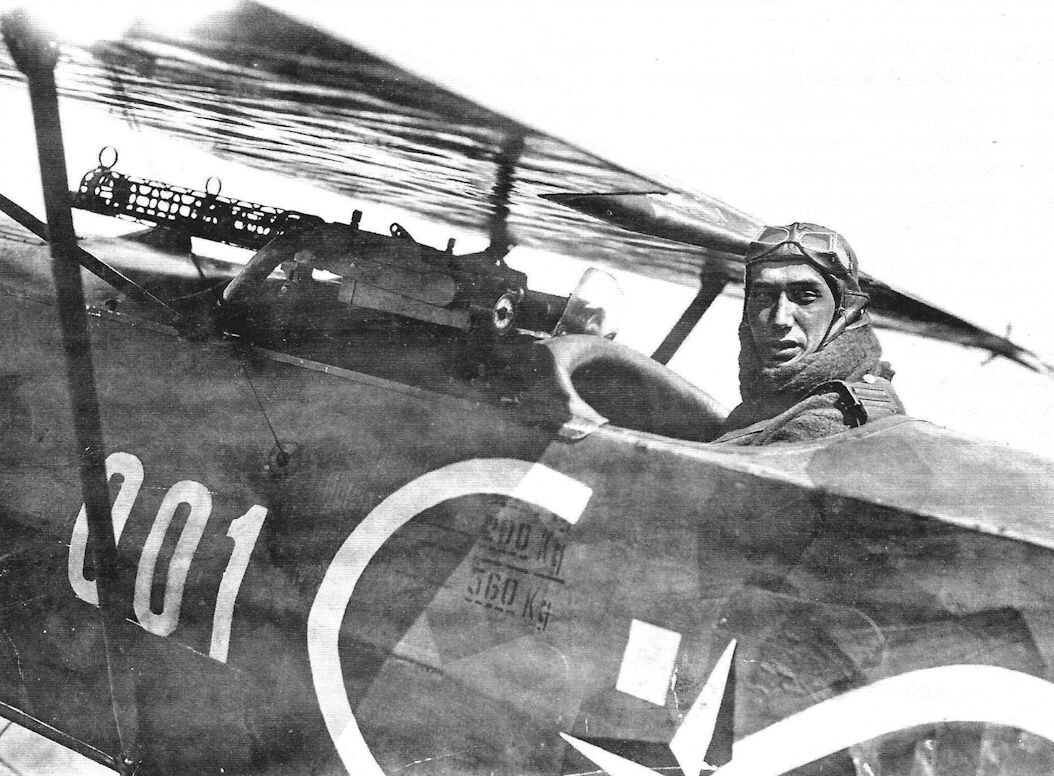
-
The windshield could vary in shape or even be missing entirely. But in old photographs, it’s present in most cases. The same goes for the fuel gauge cover... You might be interested in these simple ways to improve the appearance of your 3D Fokker model and the view from the cockpit.


-
And just a little bit more )


-
And a few more photos...


-
Since this isn’t related to the topic of working in Blender, I decided to start counting the rivets here. I did a little research and found that the Fokker does indeed have fuel tank caps. But they’re not directly in front of the pilot’s eyes—they’re on the sides of the cowling. This detail is rarely shown in aircraft schematics, but it’s clearly visible in these photos. This is a restored aircraft, but it’s been reproduced very well. I think it would be great to add these details to your main model—such as cylinders protruding slightly above the cowling—and attach “ears” to them. What do you think of this idea? As for the direct view from the cockpit, instead of the large crosshairs of the sight, a fuel gauge behind the air fairing would look more historically accurate. And, of course, it would be nice to add a small windscreen, which really should be there.


-
Looks interesting. Let's see how it goes. Good luck!
-
AI knows at least two ways to fix stretched screens in this game series. Well, as a matter of fact, I cited a few examples above of aircraft that were never released for FE. There are also many airplanes, that were released by modders a long time ago and are now outdated. You have plenty of options to choose from.
-
Thank you—it’s been a long time since I’ve seen such magnificent work. It seems to me that this model is as close to perfection as the SF2 game engine allows.
-
Yes, that’s exactly right. It’s exactly as you said. But judging by the fact that modders are releasing heavy models with 4K textures, and users are happy to download them, not everyone is concerned about system performance. Except us, of course. And how’s your work coming along? Tell me – just between us – are you planning to just fine-tune these two planes? Or perhaps you’re thinking of creating a few more flying machines for FE?
-
 Thank you! I’m absolutely delighted with this work!
-
 This is something amazing! Thanks a bunch!
- 4 comments
-
- 1
-

-
- harrier ii
- tav-8b
- (and 1 more)
-
 Thank you for your work!
-
I got you, comrade, at least thanks to an online translator!
-
Yes, you are absolutely right about that! Some amazing models (Geezer's, for example) fall short precisely because their control surfaces move separately from the fixed wires. Although it doesn’t affect gameplay at all, it’s still really unpleasant to see. There’s a feeling of frustration: after all, it wouldn’t have been hard to perfect this, but some small detail ruins the whole effect! And yet, graphics rule nowadays. Otherwise, we’d still be flying in Red Baron 3D and be happy with it! Although, some old-timers still do. When I tried to create models of the Roland D.1 (I remember, I hoped to surpass your Roland D.2)) and the Sopwith Dolphin, where the pilot sits directly above the wings, it seemed like a very good idea to make the wings ribbed. Visually it would have been fantastic, but in practice, I never mastered this technique. :))
-
Yes, the struggle for frame rates is a constant problem. Especially on weak PCs, like mine, for example (I'm still on XP). My game setup particularly doesn't like 4K skins, but when they are reduced to 1024x1024, the game runs much smoother. When it comes to high-level planes (most modern models weigh 6-10 MB or even more), I have to lower the graphics quality so it doesn't look like a comic. Or even switch to LOD_02 as the main model (the game does this automatically when changing graphics settings, but there is a way to manually change the ini file of a specific plane). Another thing is that moderators often provide just one model — they are too lazy to make LODs with decreasing quality. It's implied that everyone has powerful gaming PCs that can handle everything...
-
I am also sure that the gas tank and oil tank caps should be visible from above the hood, but this needs to be checked. It probably looked the same as on earlier rotary-engined Fokkers.