

dtmdragon
-
Posts
2,123 -
Joined
-
Last visited
-
Days Won
28
Content Type
Profiles
Forums
Gallery
Downloads
Store
Everything posted by dtmdragon
-
 yes please
 -
Cheer but it doesn't have the pylon unfortunately.....
-
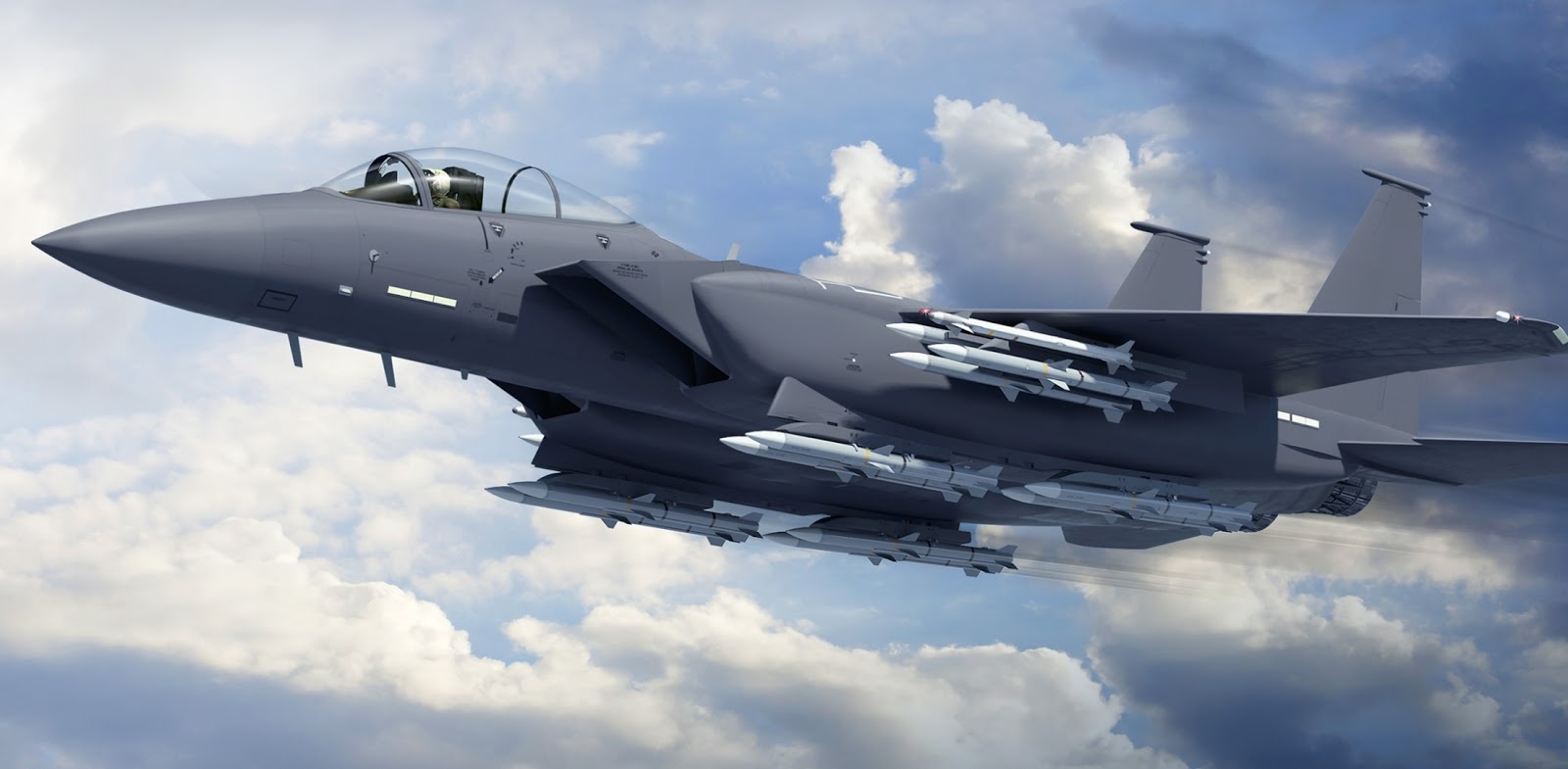
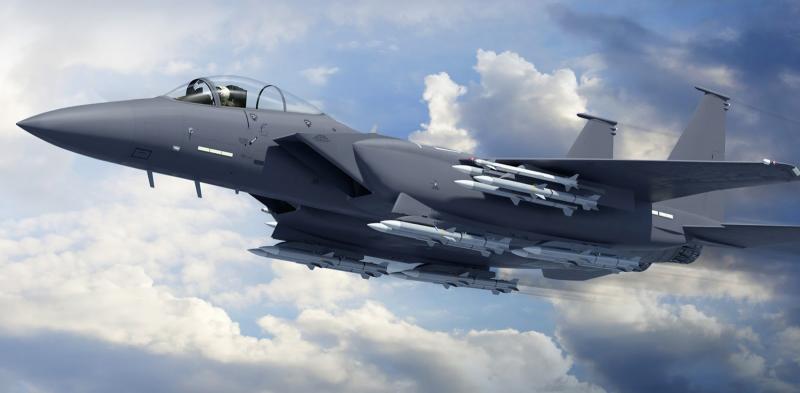
Maybe for SF1? Because I want to do this bad boy: But the CFT that is part of the F-15C model doesn't have the right pylon for the missile duel adapters to hang off. The F-15E series does.
-
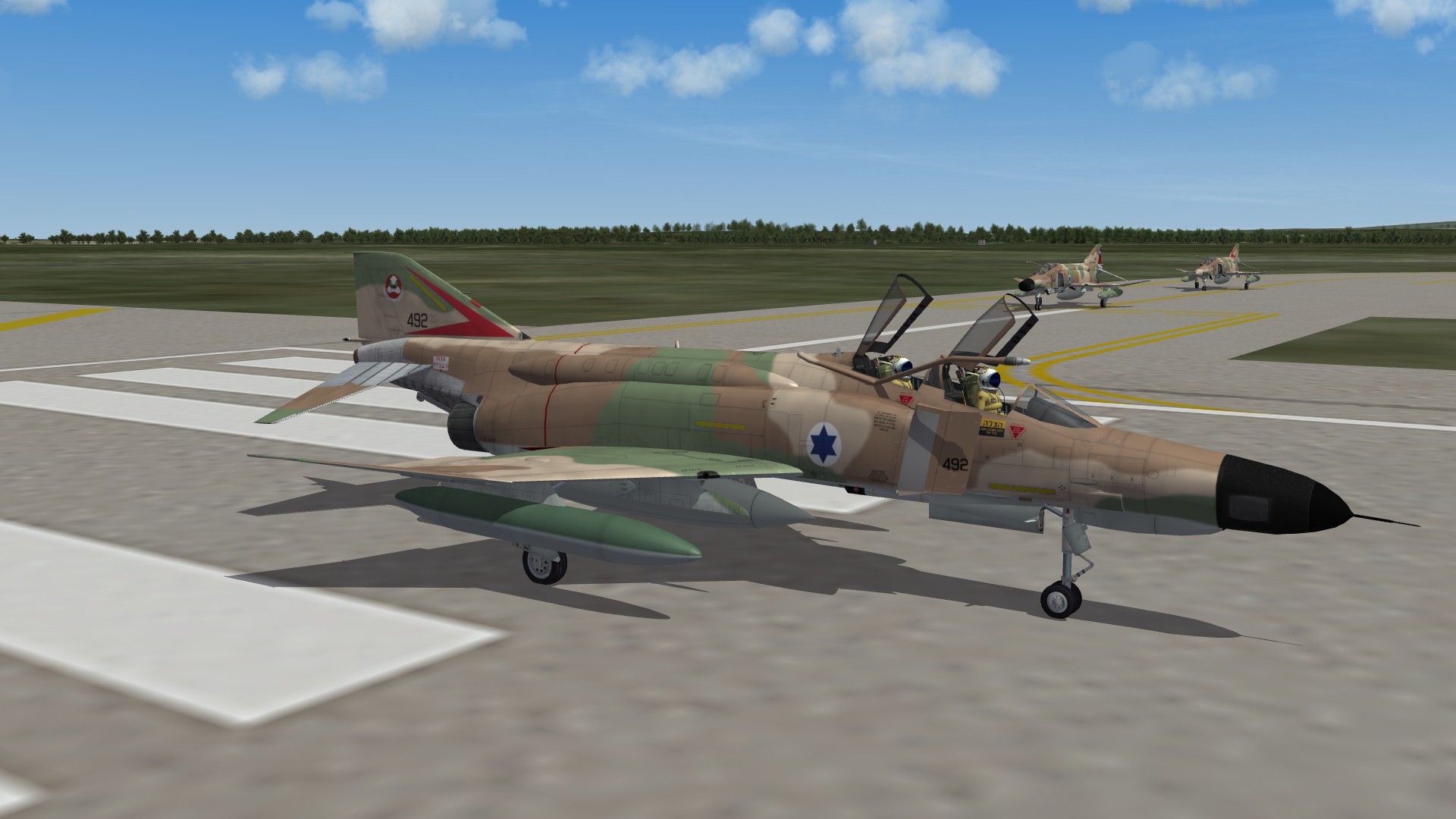
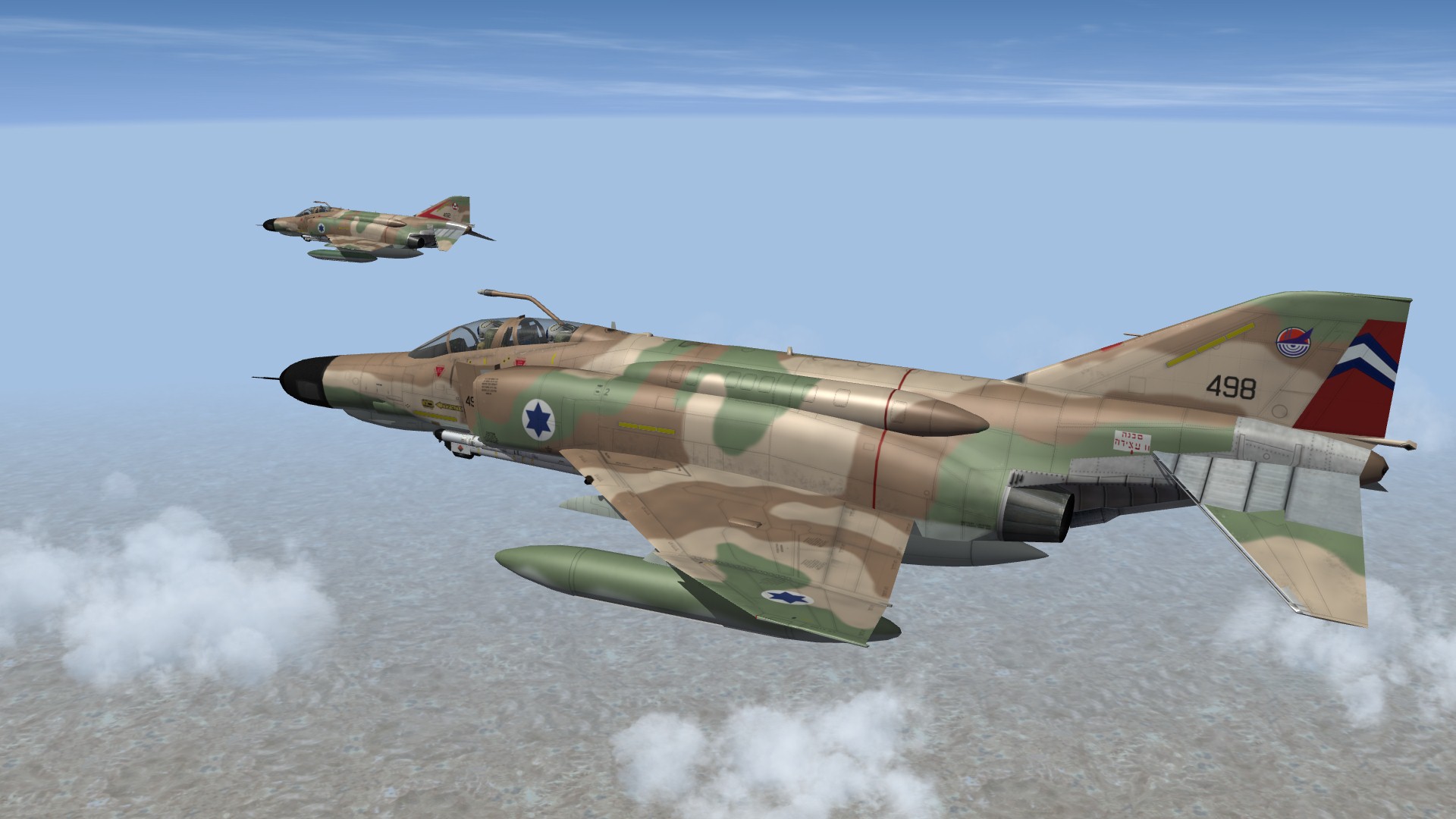
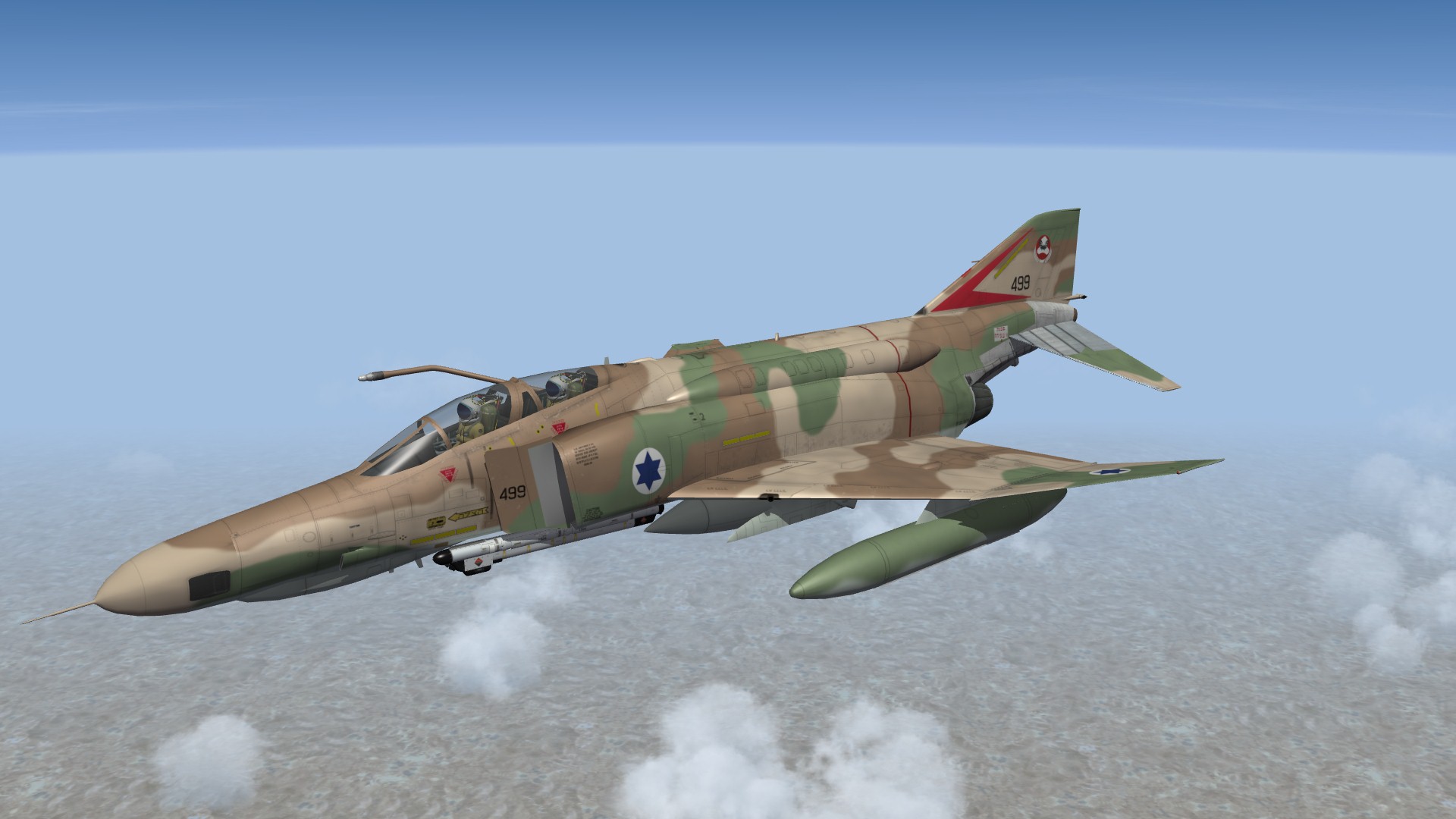
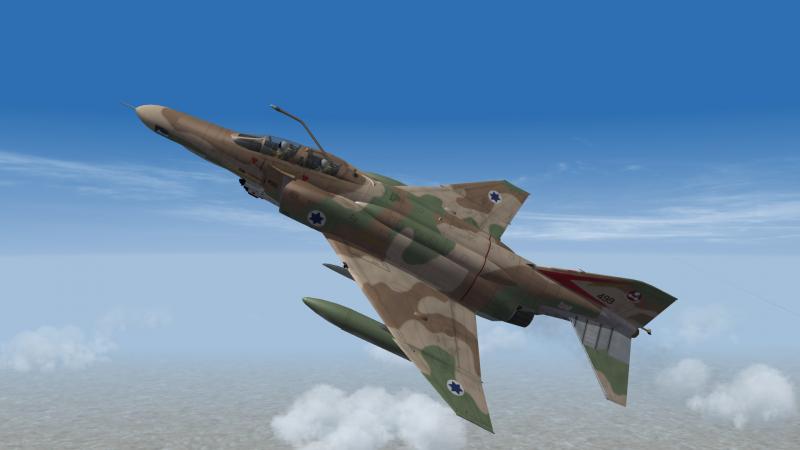
McDonnell RF-4X Phantom II UPDATED w download
dtmdragon replied to dtmdragon's topic in Sci-Fi/Anime/What If Forum
1, Download and install the Mirage Factory F-4E(s) Shablol Updated for SF2 1.0: http://combatace.com/files/file/13473-mirage-factory-f-4es-shablol-updated-for-sf2/ 2, Go into your mods folder, navigate to the aircraft folder and rename the F-4E(s) Shablol's main folder 'F-4E(S)' to 'RF-4X' 3, Download and unpack the 7z file attached to this post: objects.7z 4, Copy and paste the 'Aircraft' and 'Pilots' folder into the 'objects' folder in your mods folder, IMPORTANT: make SURE you merge and overwrite the files when you do. -
McDonnell RF-4X Phantom II UPDATED w download
dtmdragon posted a topic in Sci-Fi/Anime/What If Forum
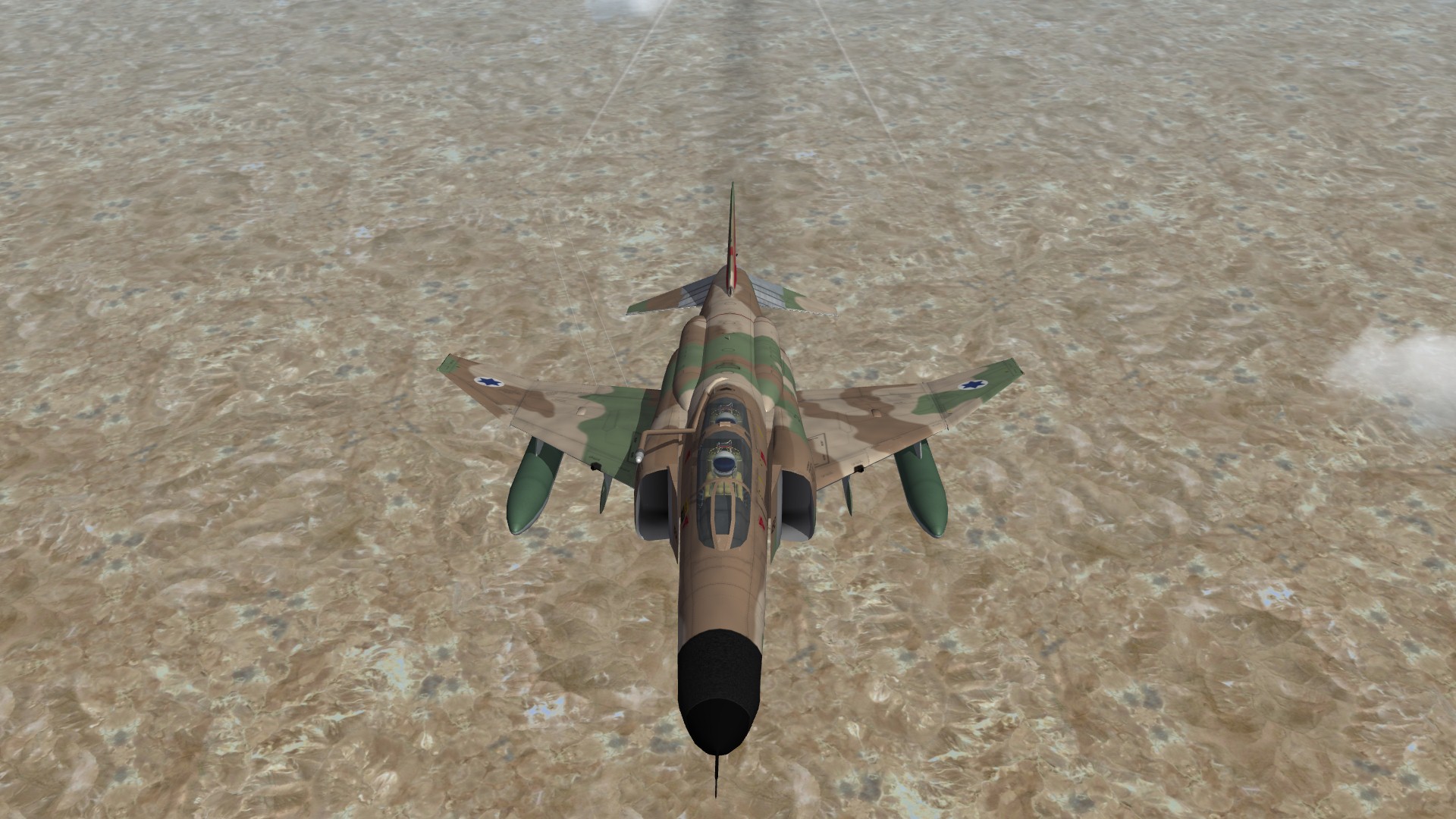
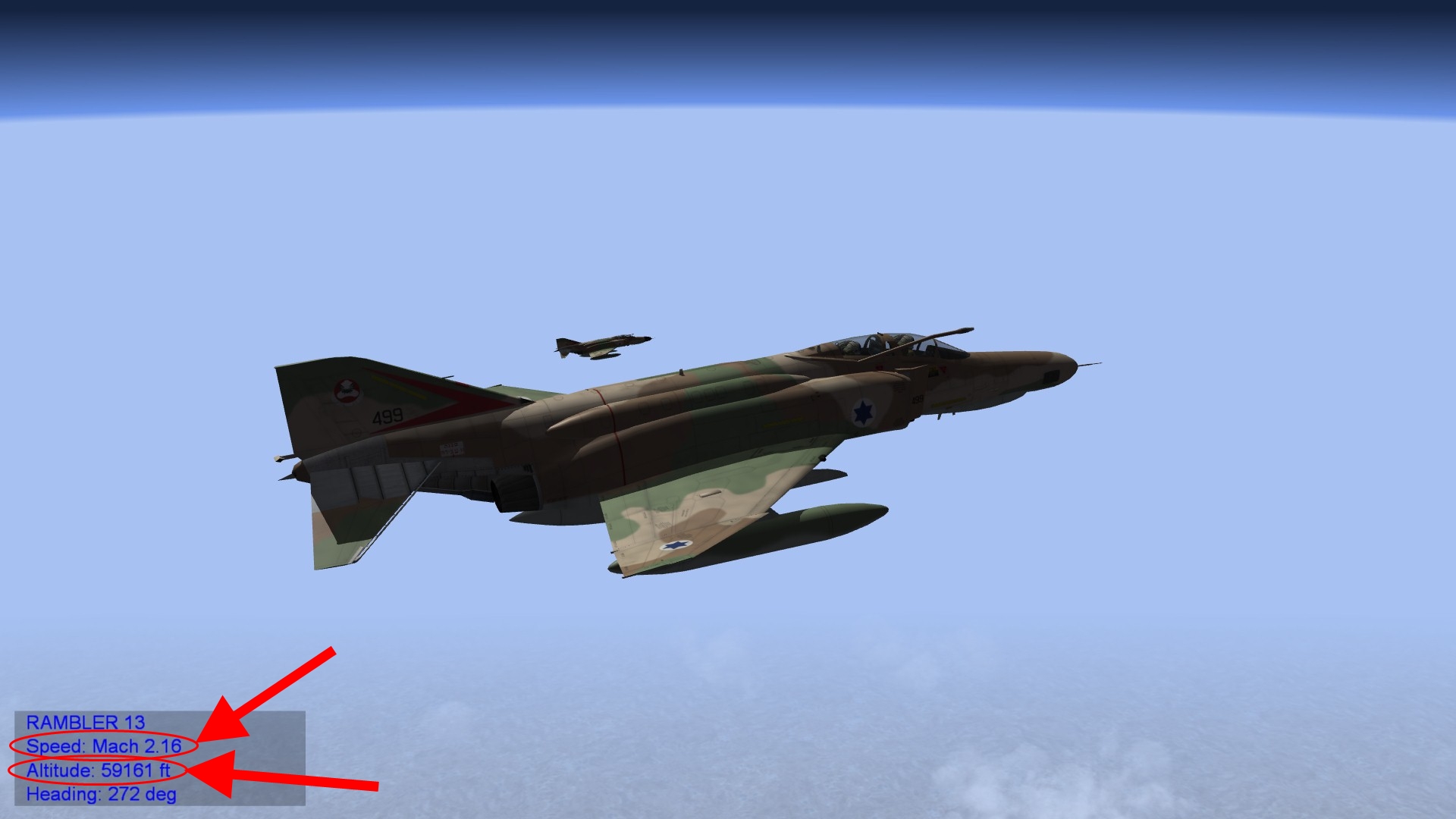
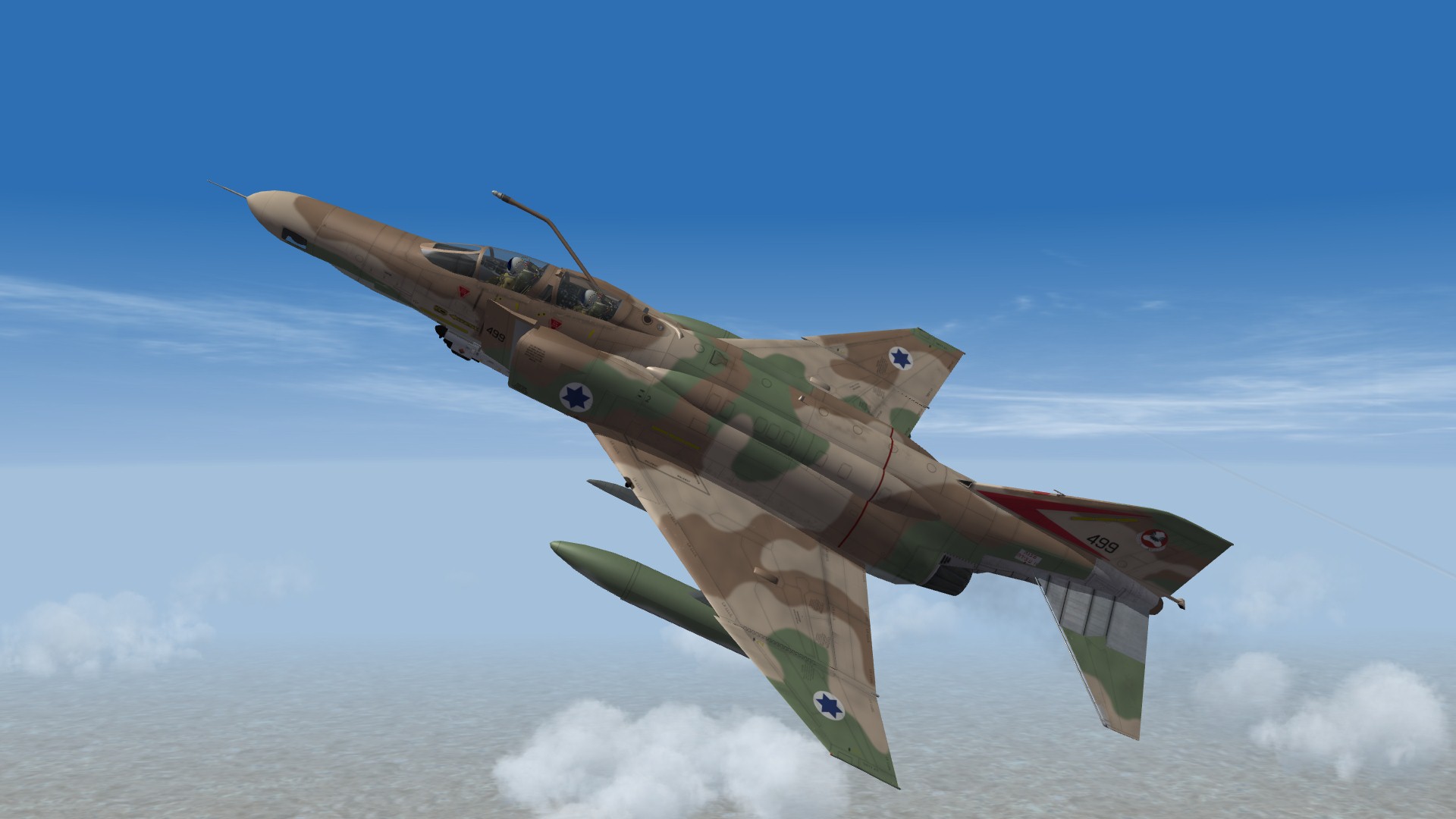
The F-4X and RF-4X were proposals for advanced F-4E derivatives designed by General Dynamics to carry the HIAC-1 long focal length camera as part of Project Peace Jack. This project was a joint Israel-USAF study for an advanced photo-reconnaissance aircraft capable of Mach 3+ performance. The HIAC-1 camera was an advanced high-altitude reconnaissance camera that had a focal length of 66 inches which offered unparalled resolution at extreme ranges The HIAC-1 camera was originally so large and heavy that it could only be carried by the Martin/General Dynamics RB-57F. However, later versions were sufficiently slimmed down so that they could potentially be carried by smaller aircraft such as the F-4 Phantom. Israel had always wanted the HIAC-1 camera for its own use in keeping track of its Arab neighbors, but its requests had always been turned down. However, in 1971, US attitudes towards export of the HIAC-1 camera changed and approval was given for the development of a pod (designated G-139) which could carry this camera on the belly of a Phantom. The prototype G-139 pod was over 22 feet long and weighed over 4000 pounds, and was first tested on an RF-4C in October of 1971. Unfortunately, the G-139 was still so large and bulky that the performance of the Phantom when it was carrying the pod was unacceptably poor. The Peace Jack project originated in an attempt to improve the performance of the Phantom when carrying this camera. Both the USAF and the government of Israel contributed funds for the project. Rather than trying to slim down the reconnaissance pod, the original goal of the General Dynamics team was to improve the performance of the Phantom that was carrying it. The improved performance was to be obtained by using water injection for pre-compressor cooling, which would provided increased engine thrust at high altitudes. A similar system had been used successfully in the past in various F-4 record attempts. The water was to be contained in a pair of gigantic 2500-gallon tanks which were to be attached conformally to the intersection joints of the fuselage spine and the engine nacelles. The water injection system promised to give a 150 percent increase in engine thrust at altitude. In order to accommodate the increased engine thrust that would now be available, new air intakes had to be designed. The area of the intakes was to be made much larger and they were to contain a sophisticated system of internal cowls, splitter plates, vortex generators and bleeds. With the new intakes and the water injection system, it was anticipated that maximum speeds of up to Mach 3.2 and cruising speeds of up to Mach 2.7 could be attained. The project came to be known as the F-4X, although this was not an official USAF designation. Israel was clearly very interested in the F-4X, as it promised a a performance which would approach that of the USAF's SR-71. This would enable it to fly unimpeded anywhere it wanted to. However, the advanced performance of the F-4X clearly made it a possible candidate for a new interceptor. Consequently, the US State Department became more than a little worried about the export of such advanced technology overseas, since it promised to give Israel a potential interceptor which was more capable than anything currently in the US arsenal, one which might one day pose a threat to the SR-71. In addition, the Air Force was itself rather nervous about the F-4X project, since it might threaten to divert support away from the F-15 program which was just then getting underway. As a result, the State Department decided to disallow export of this technology to Israel. This ordinarily would have been the end of the game. However, in the meantime, Israel had expressed concern about the amount of aerodynamic drag produced by the pod carrying the camera. In response to these concerns, General Dynamics decided to relocate the HIAC-1 camera to the nose, displacing the AN/APQ-120 radar. The project was redesignated RF-4X. The removal of the interceptor capability seems to have reassured the State Department, and Israel was once again allowed back into the Peace Jack program. An ex-IDFAF F-4E (USAF serial 69-7576) was delivered to General Dynamics in December of 1974 to act as a mockup for the RF-4X. The nose was recontoured on the starboard side only, and a paper-mache coolant tank was fitted to one side of the upper fuselage. New intakes with revised variable ramps were fitted. However, in the meantime, the Air Force began to have second thoughts about the project, still fearful of the impact of the RF-4X on the F-15 project and nervous about the safety and reliability of pre-compressor cooling. The USAF withdrew from the project shortly thereafter, forcing Israel to go it alone. By itself, Israel could not afford to continue the project, and the RF-4X program quietly died. The idea for the nose-mounted HIAC-1 camera was later revived to form the basis of the F-4E(S), which was first applied to F-4E 69-7576. The F-4E(S) pilot and systems officer wore full pressure suits from the David Clark Company which also made the pressure suits used by USAF U-2 and SR-71 crews as well as Space Shuttle crews. [MissionData] Ceiling=23800 [FlightControl] MaxSpeedSL=1097.6 MachLimit=3.2 MachLimitDry=2.4 [Fuselage] SystemName[027]=CFTR_fuel SystemName[028]=CFTL_fuel [Engine1] AltitudeTableNumData=40 AltitudeTableDeltaX=609.6 AltitudeTableStartX=0.0 AltitudeTableData=1.000,0.952,0.906,0.860,0.816,0.773,0.731,0.691,0.652,0.614,0.578,0.543,0.578,0.614,0.652,0.691,0.731,0.773,0.816,0.860,0.906,0.952,0.1000,1.100,1.200,1.300,1.400,1.500,1.500,1.500,1.500,1.500,1.500,1.500,1.500,1.500,1.500,1.500,1.500,0.000 [Engine2] AltitudeTableNumData=40 AltitudeTableDeltaX=609.6 AltitudeTableStartX=0.0 AltitudeTableData=1.000,0.952,0.906,0.860,0.816,0.773,0.731,0.691,0.652,0.614,0.578,0.543,0.578,0.614,0.652,0.691,0.731,0.773,0.816,0.860,0.906,0.952,0.1000,1.100,1.200,1.300,1.400,1.500,1.500,1.500,1.500,1.500,1.500,1.500,1.500,1.500,1.500,1.500,1.500,0.000 [CFTR_fuel] SystemType=FUEL_TANK FuelTankID=9 MaxFuelAmount=1133.98 SelfHealing=FALSE FireSuppression=TRUE MinExtentPosition= 3.98,-0.69, 0.25 MaxExtentPosition= 1.32, 2.12, 0.92 [CFTL_fuel] SystemType=FUEL_TANK FuelTankID=9 MaxFuelAmount=1133.98 SelfHealing=FALSE FireSuppression=TRUE MinExtentPosition=-3.98,-0.69, 0.25 MaxExtentPosition=-1.32, 2.12, 0.92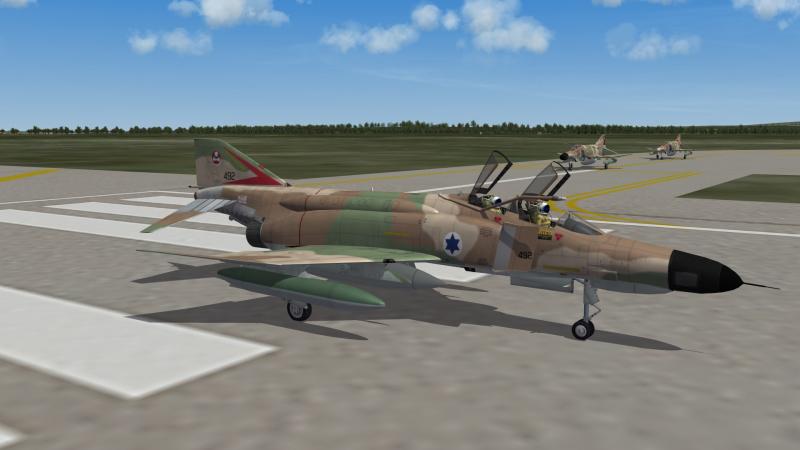
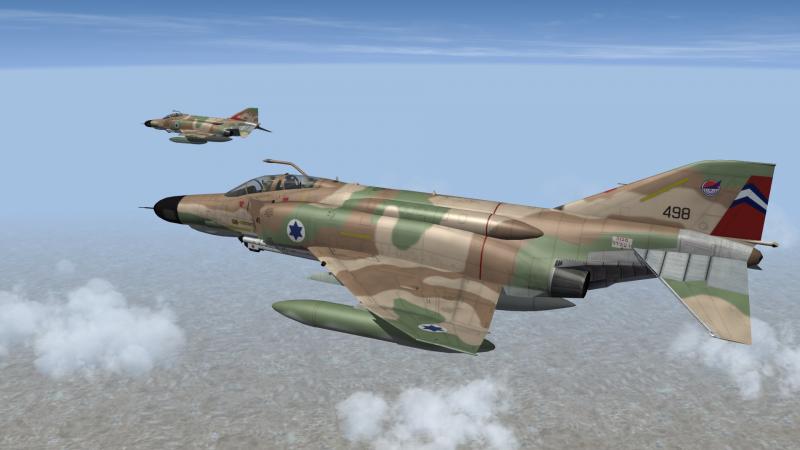
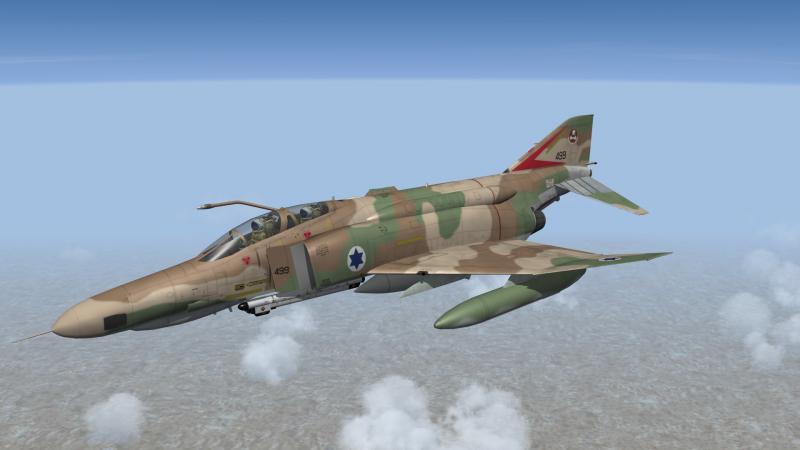
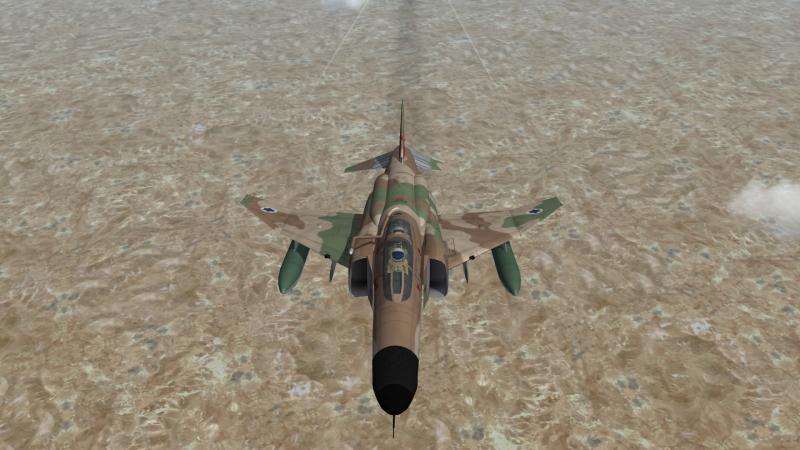
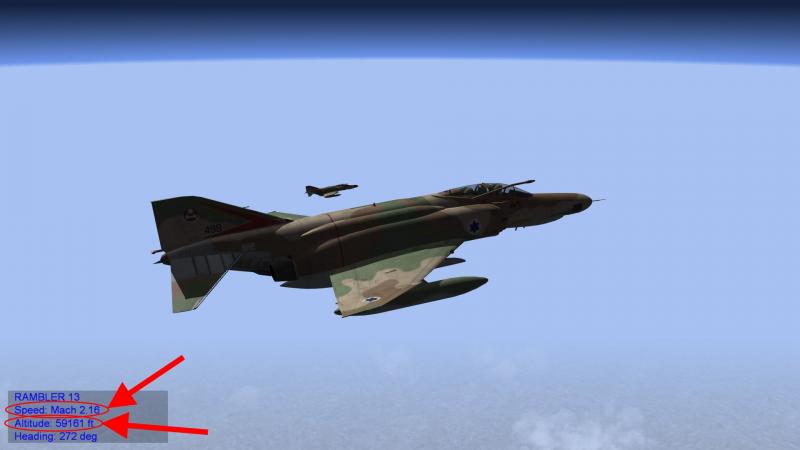
- 32 replies
-
- 13
-

-
Go for it!
-
What did you have in mind?
-
Looks good!
-
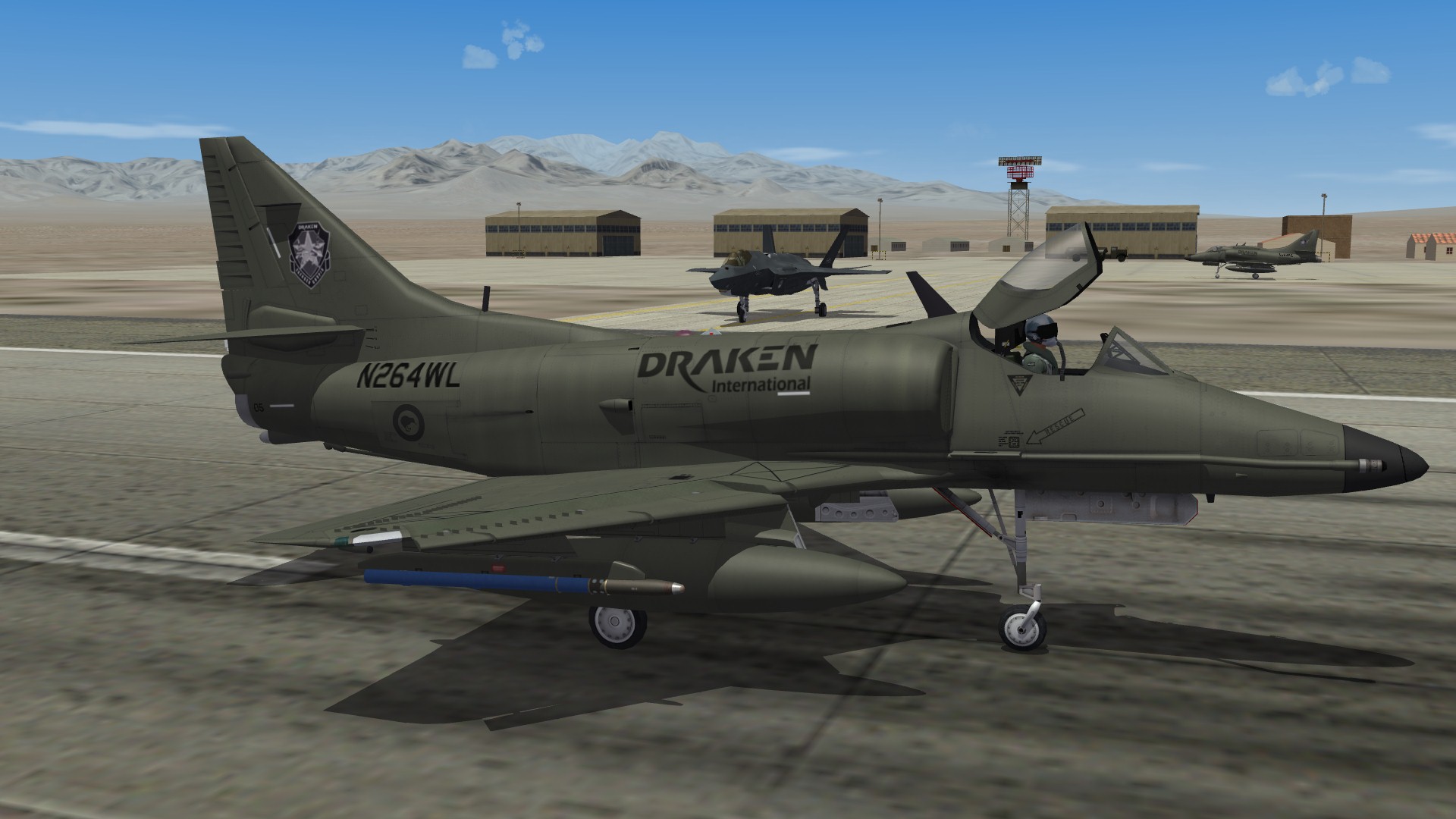
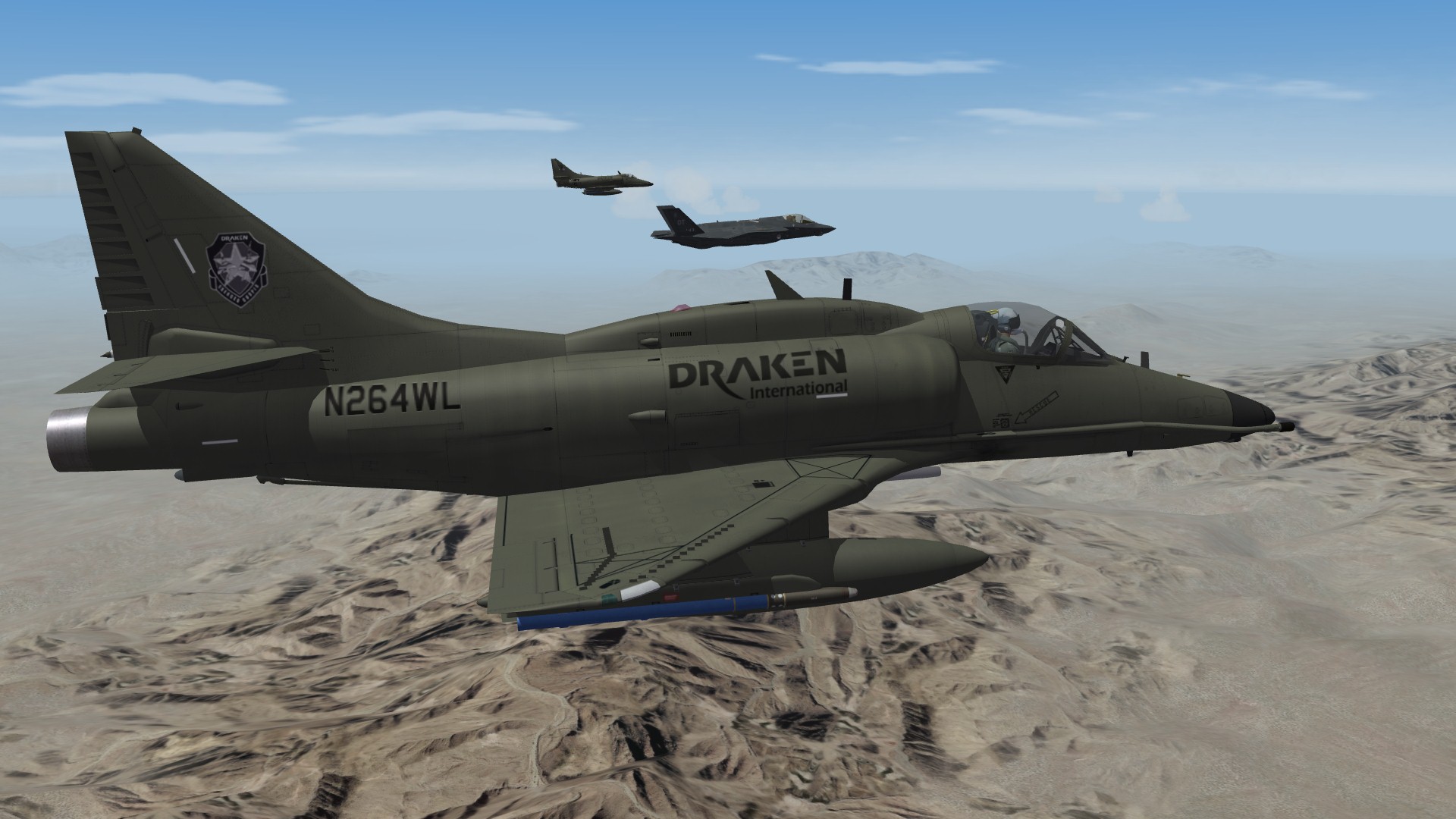
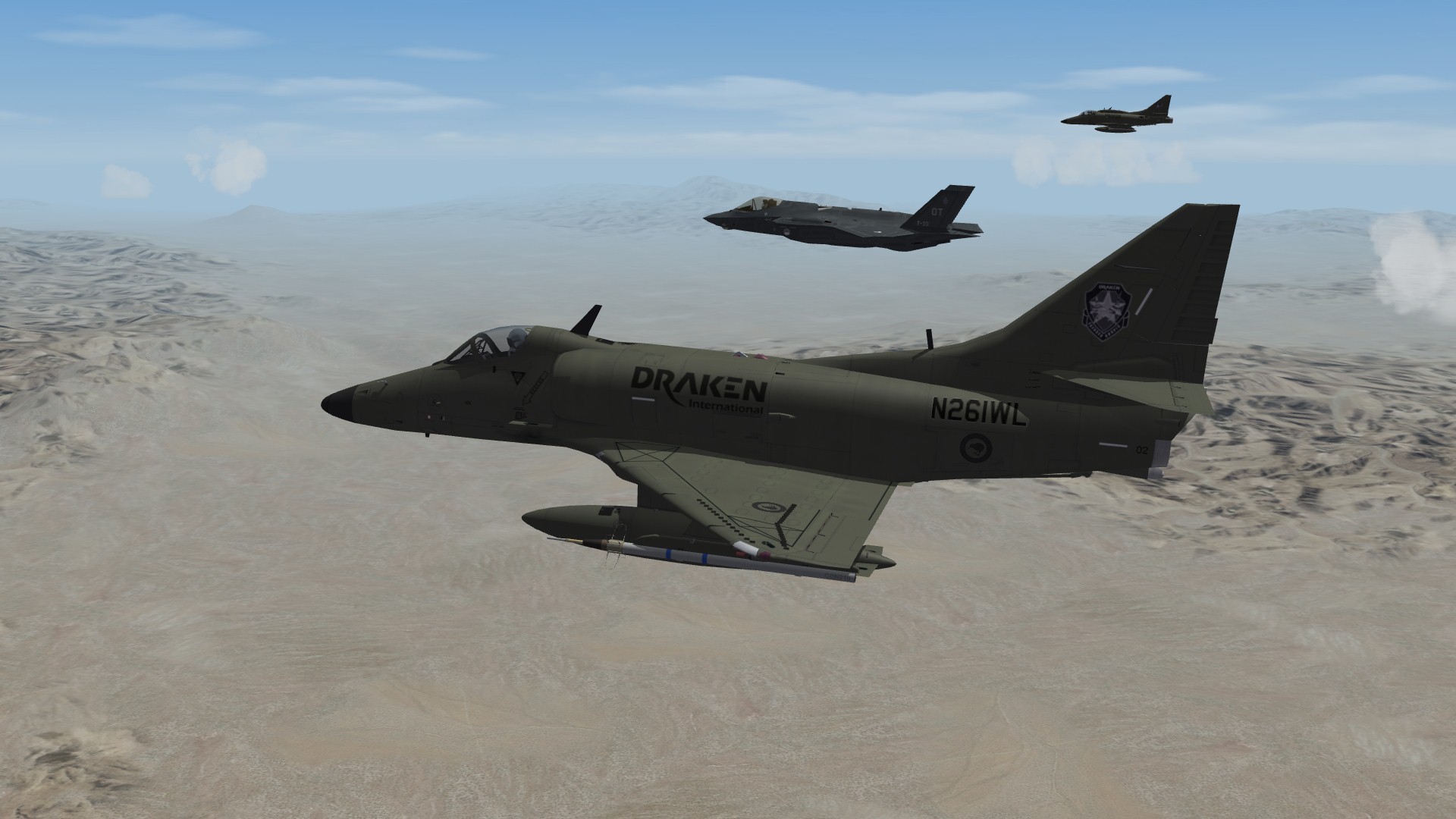
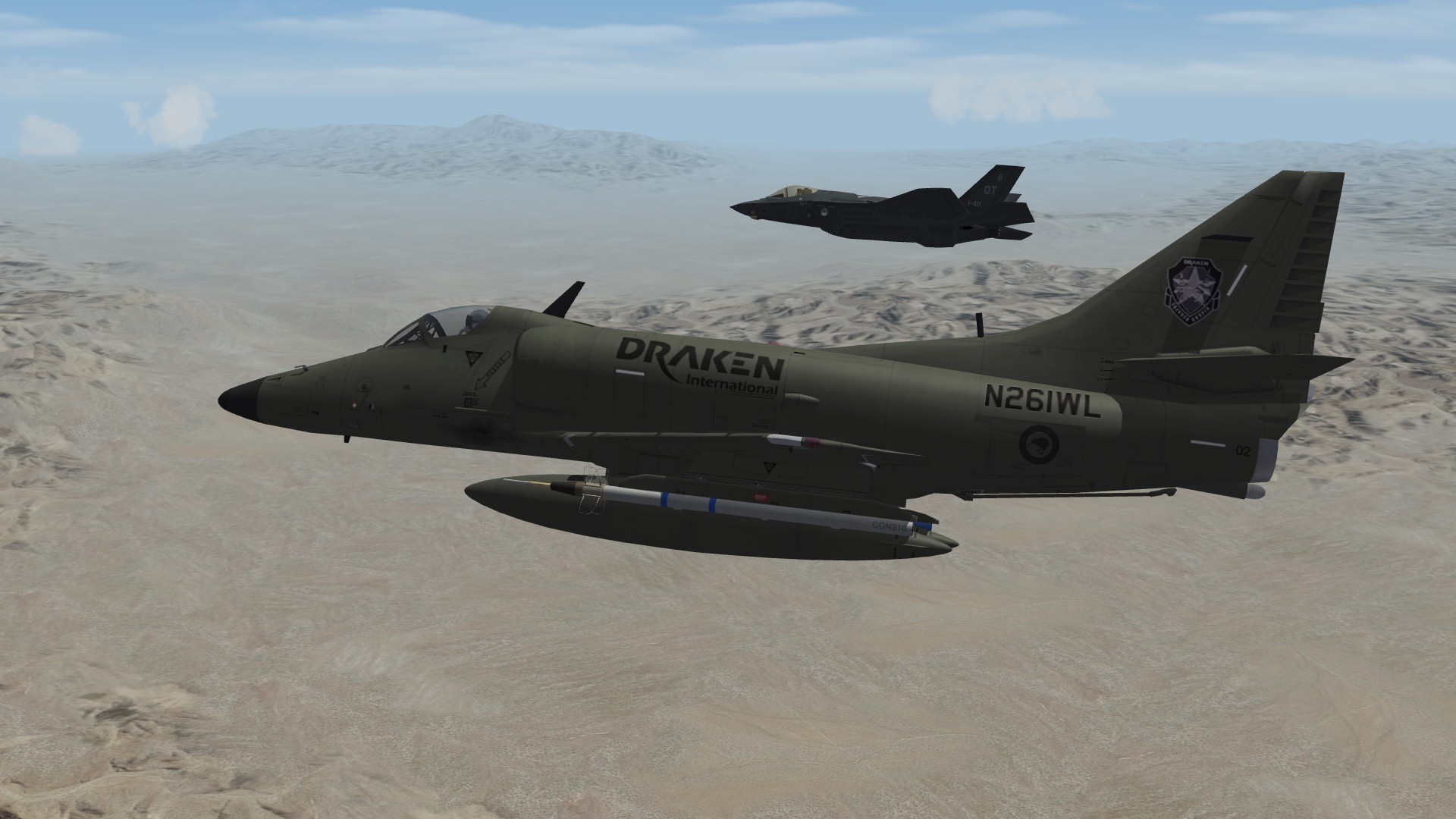
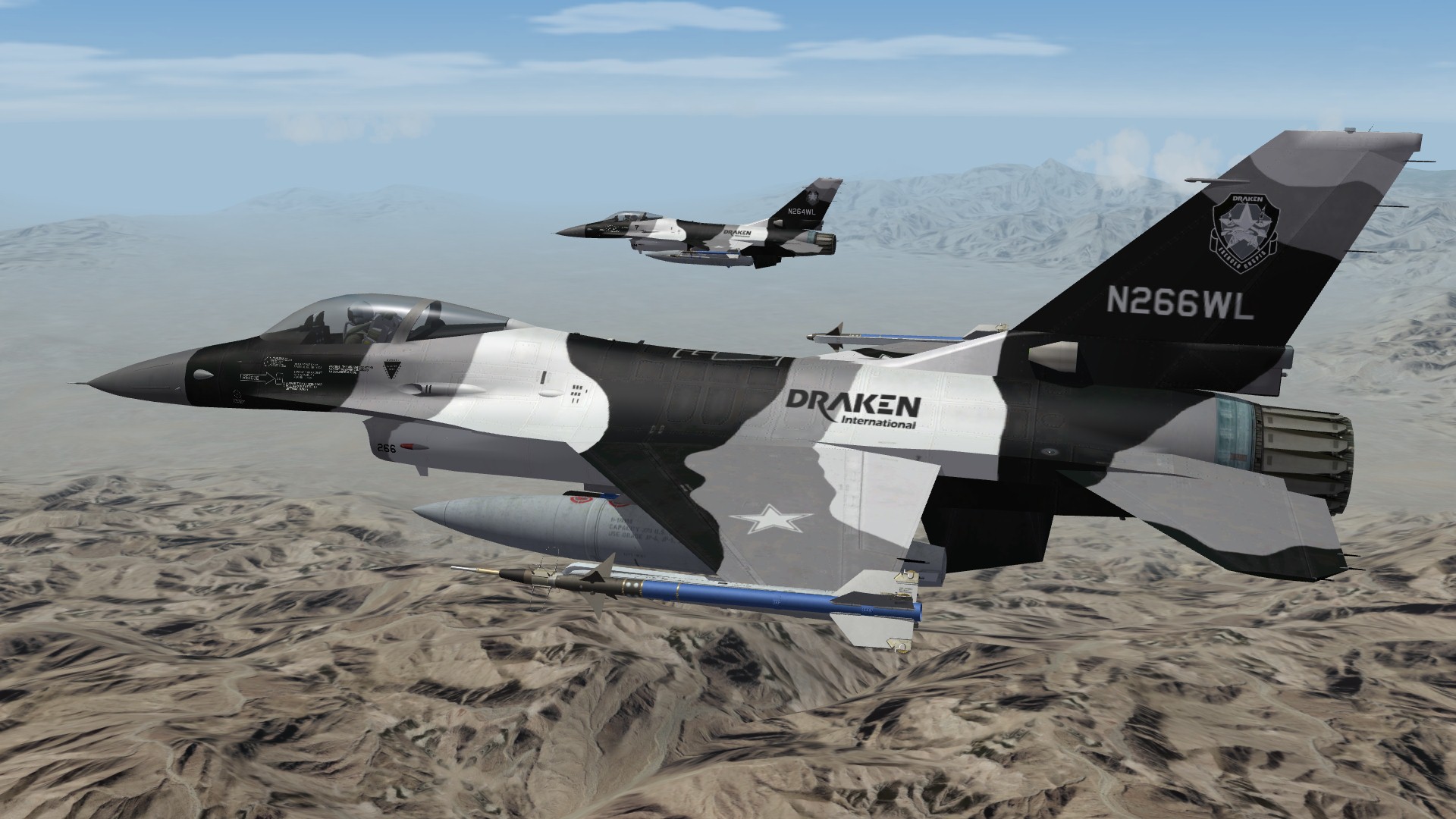
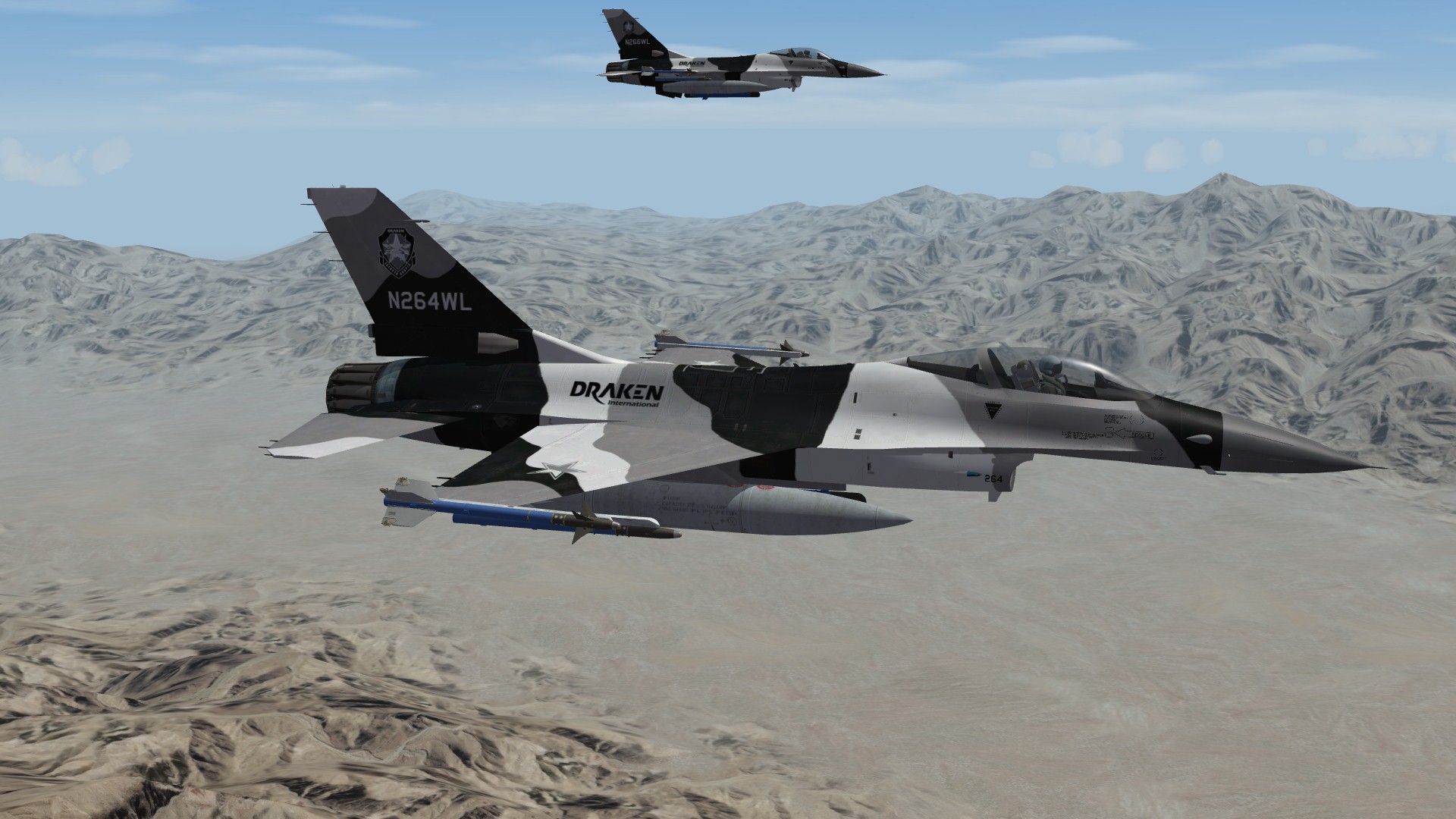
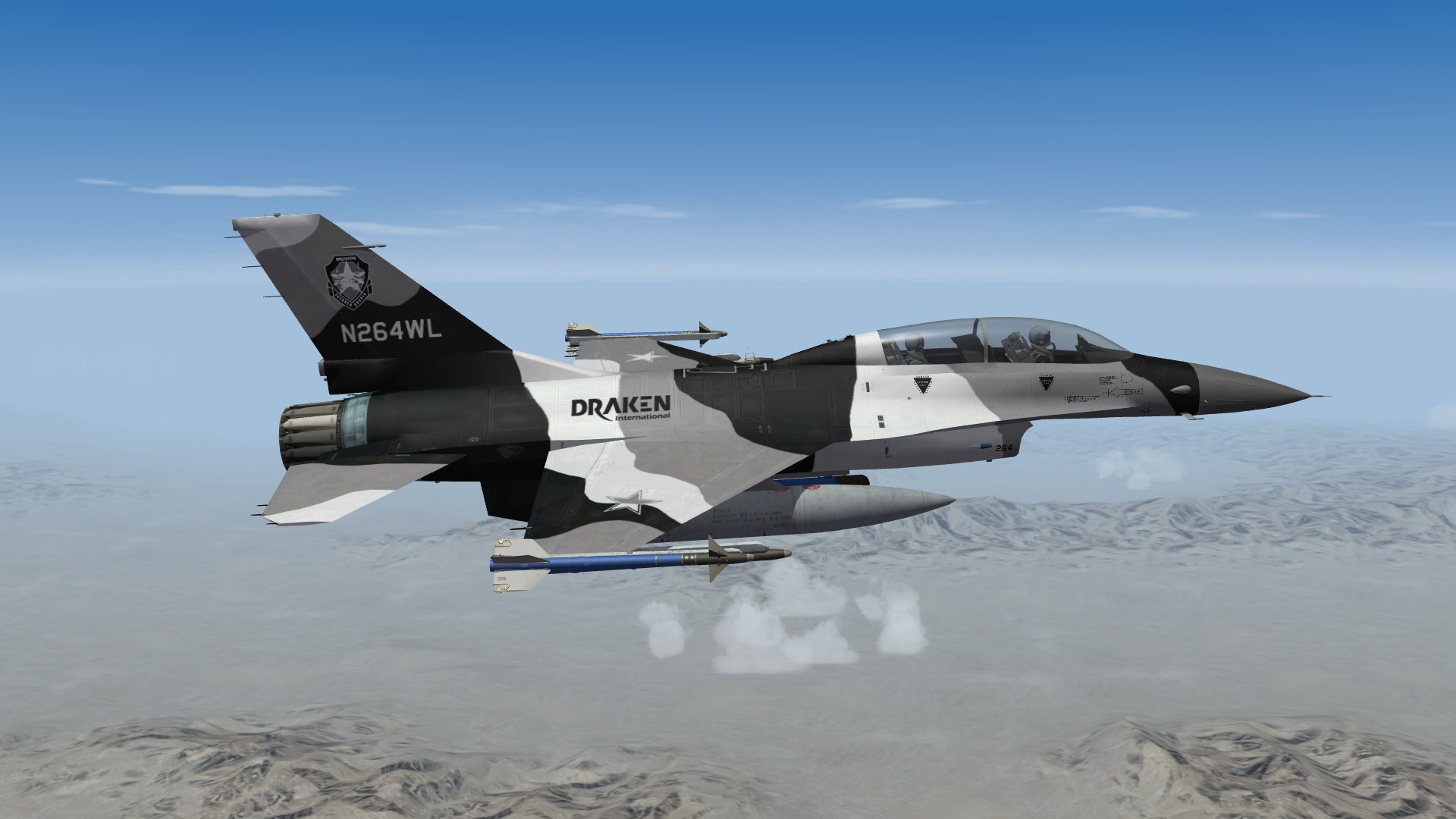
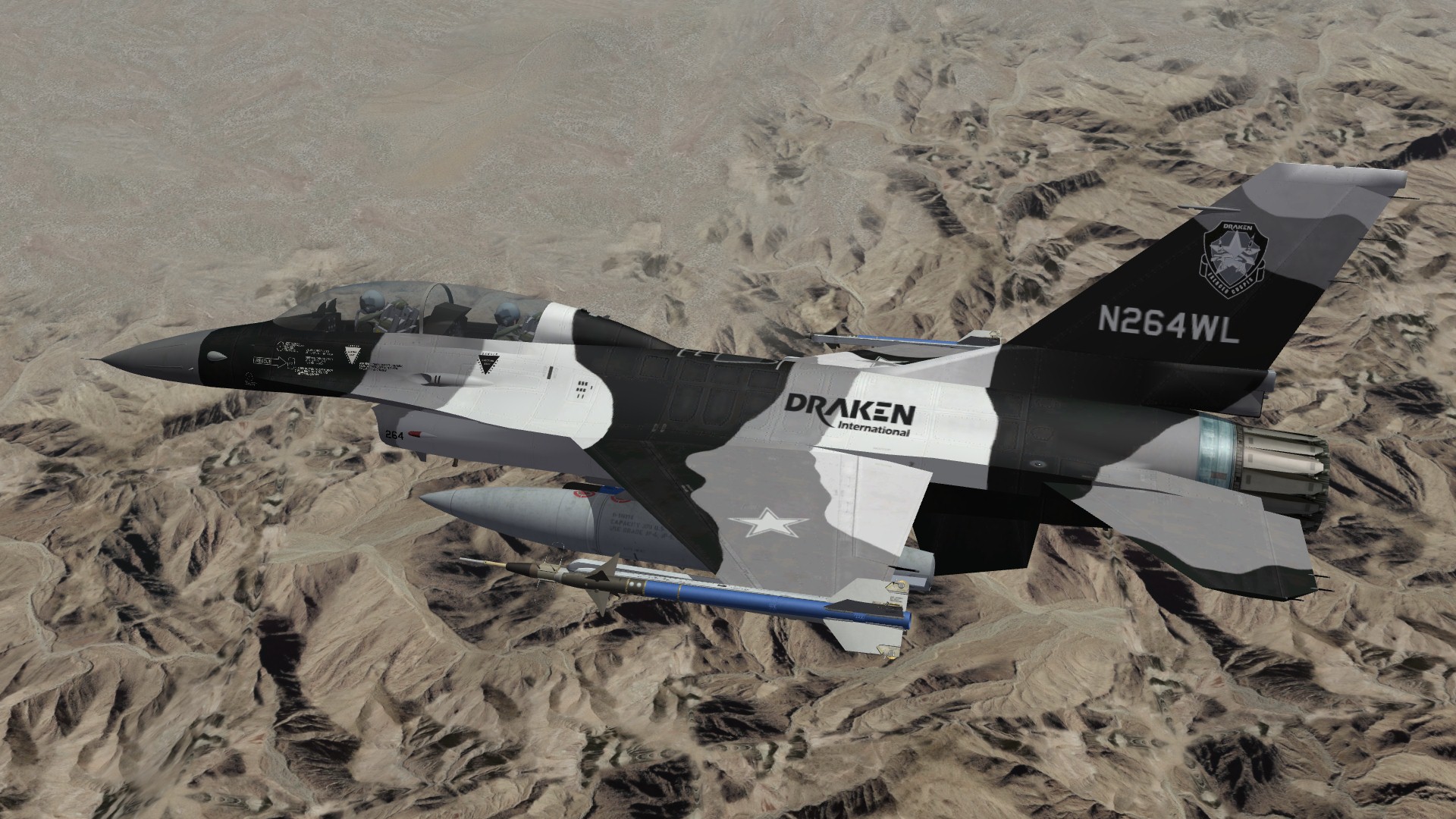
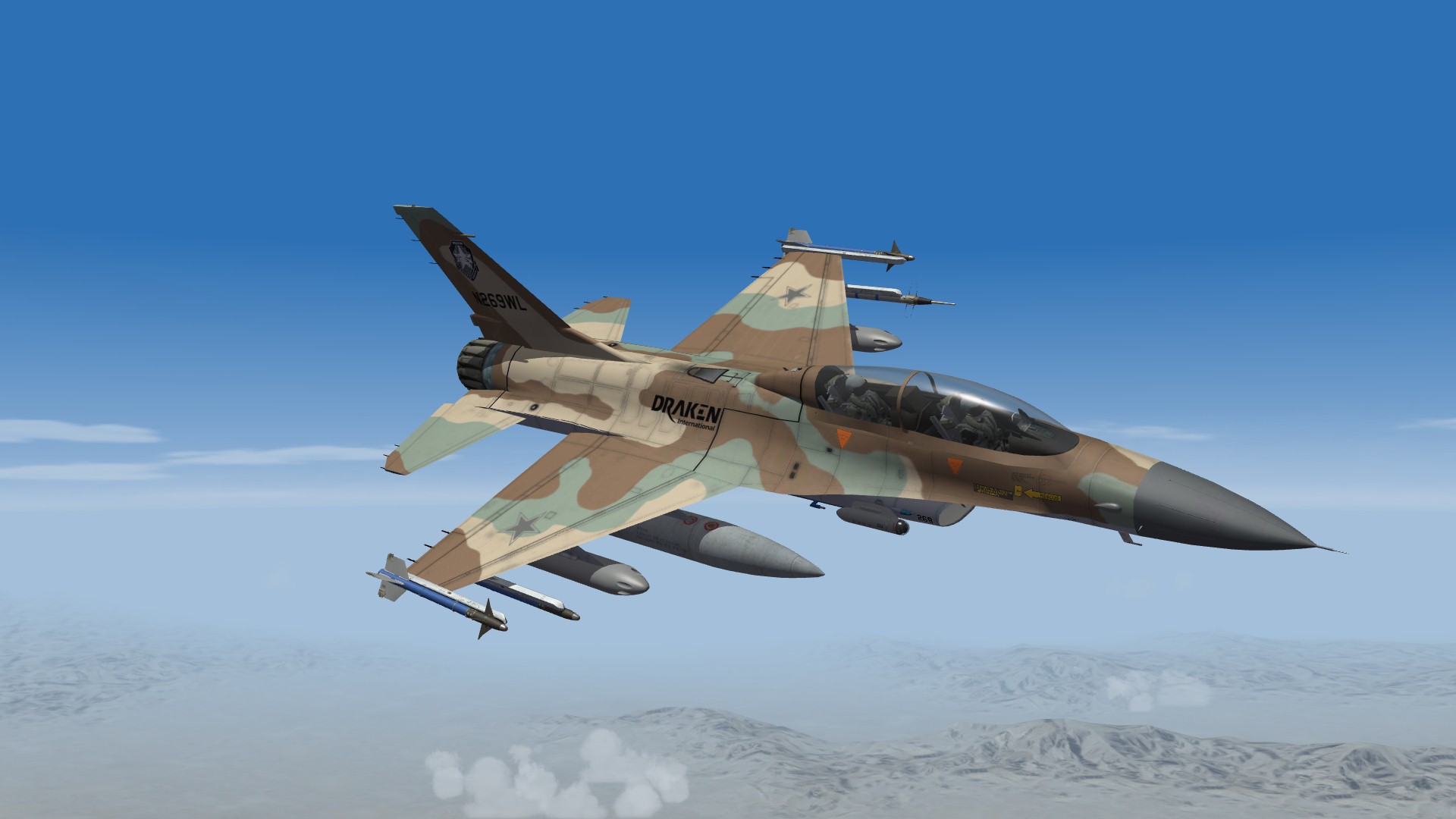
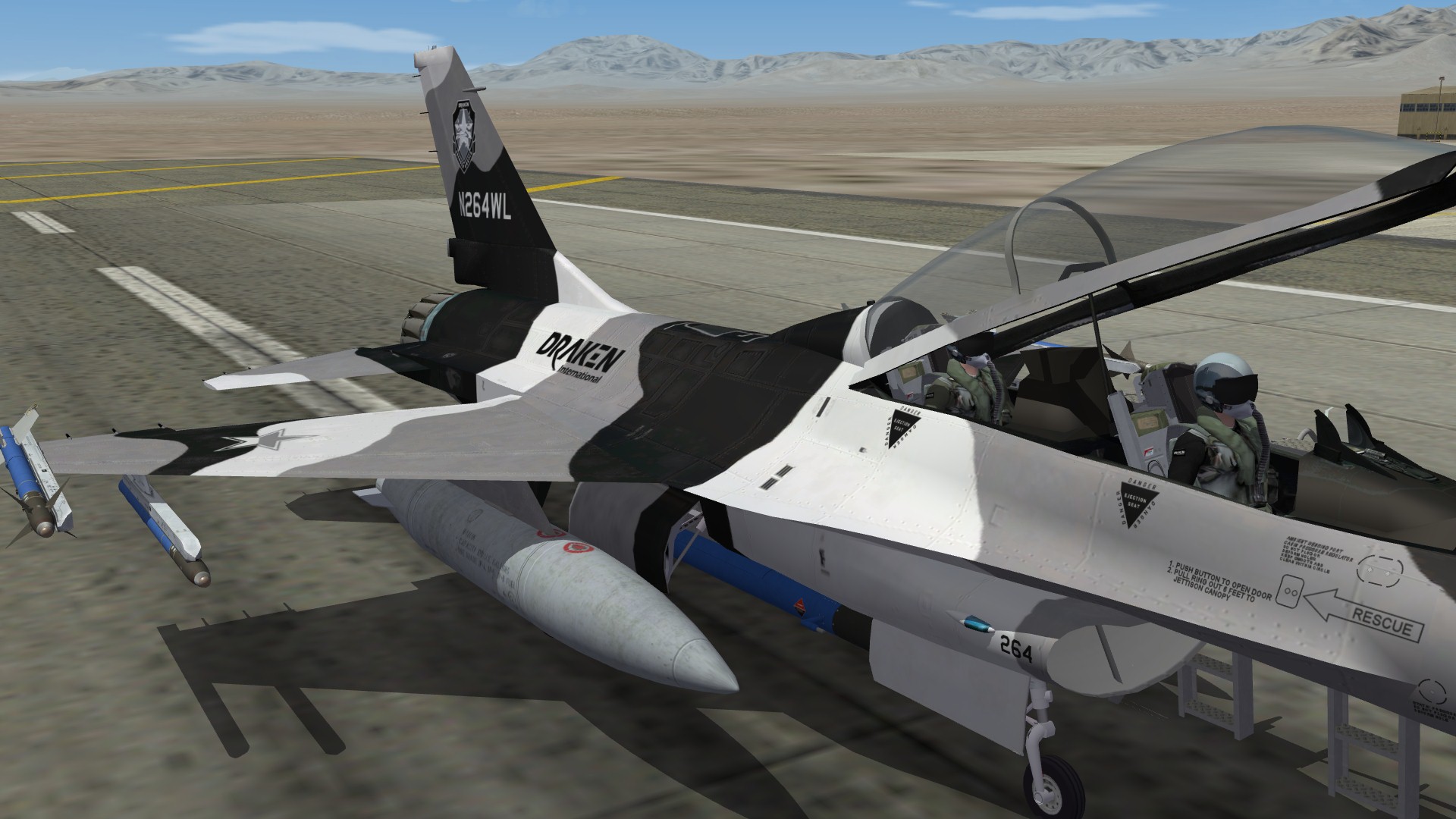
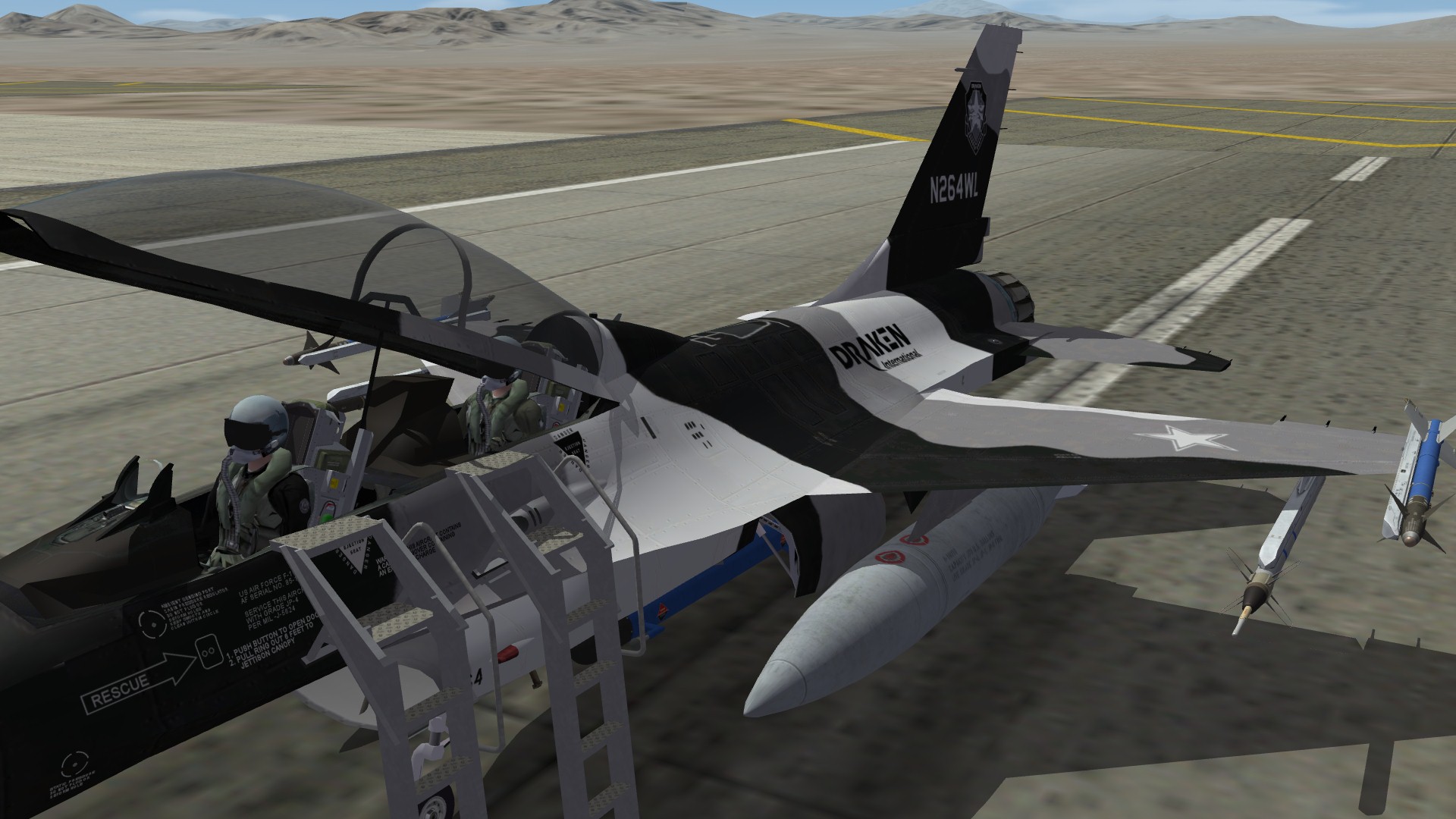
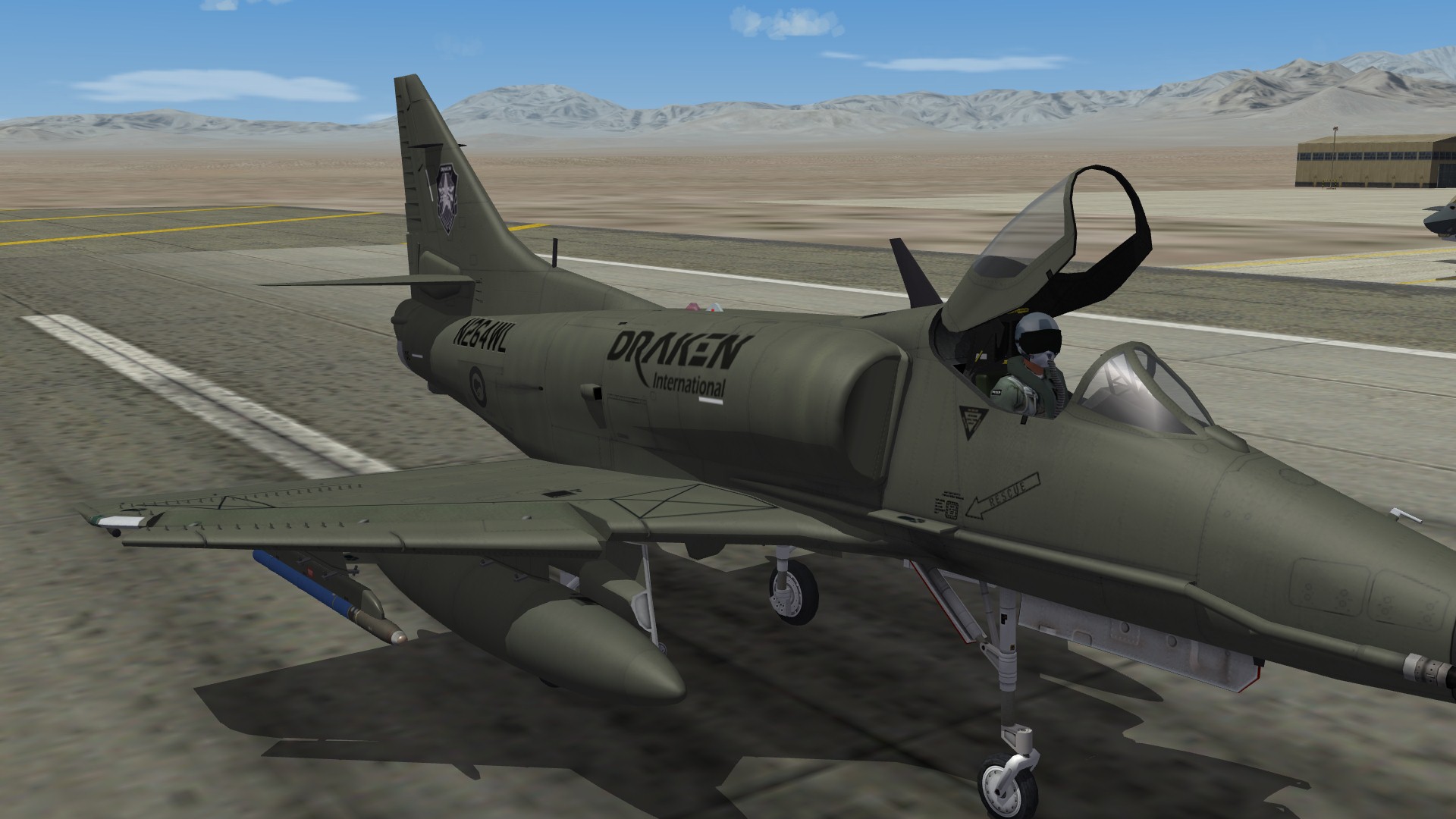
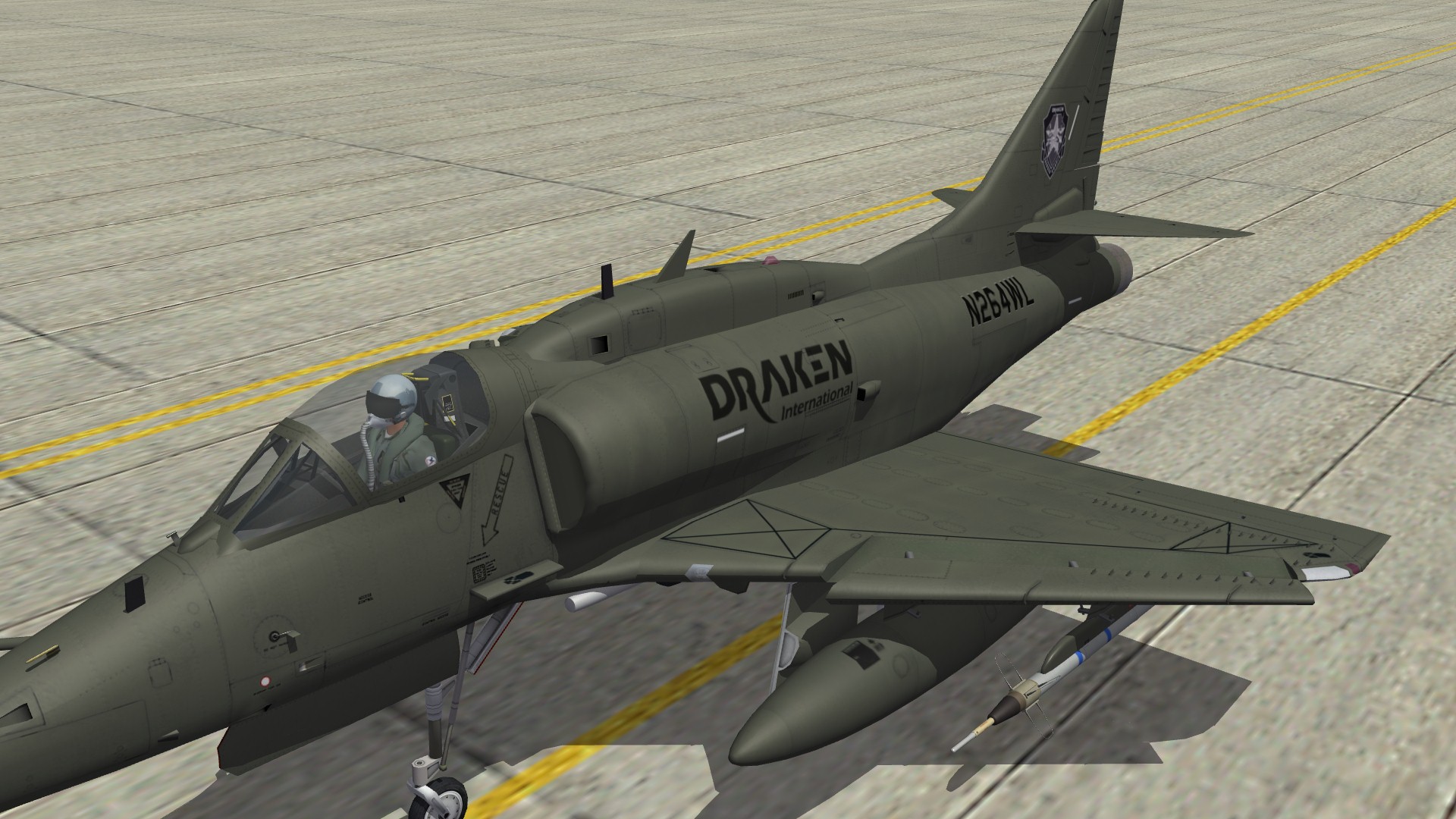
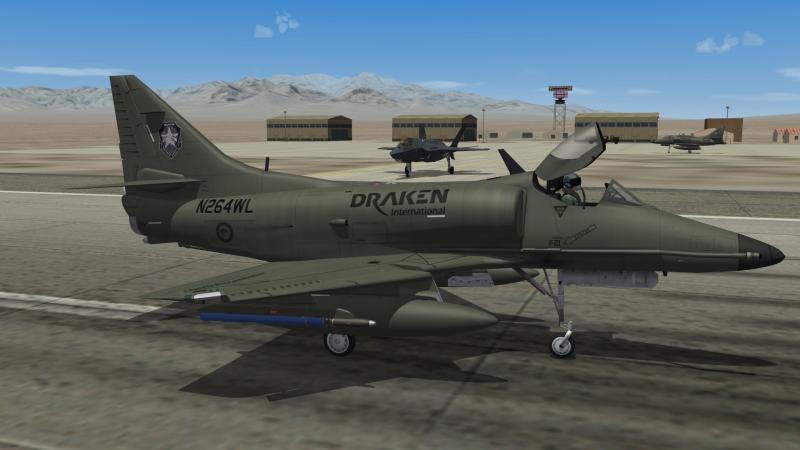
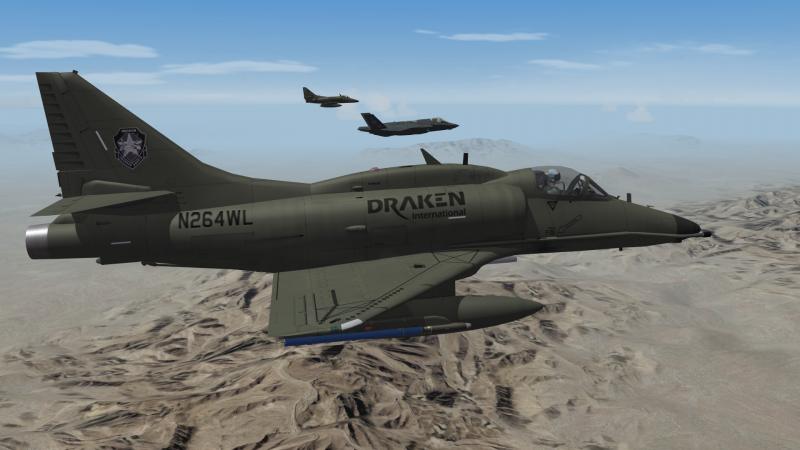
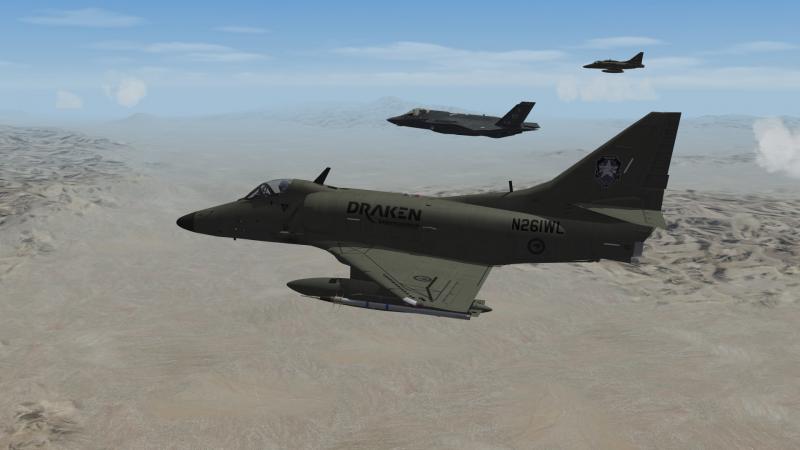
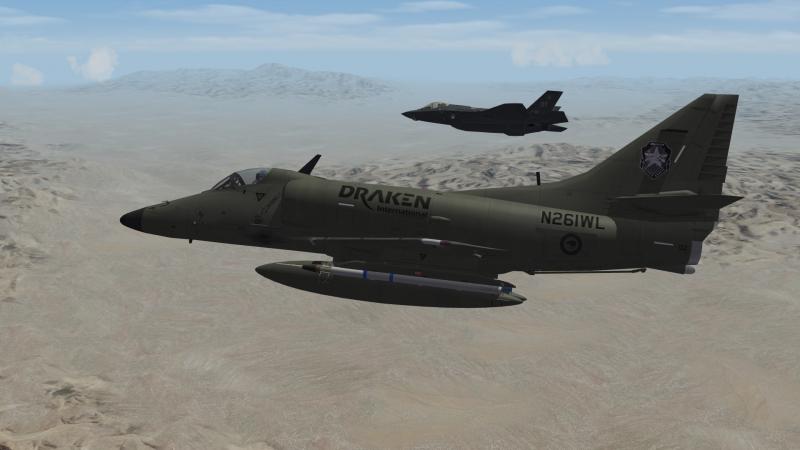
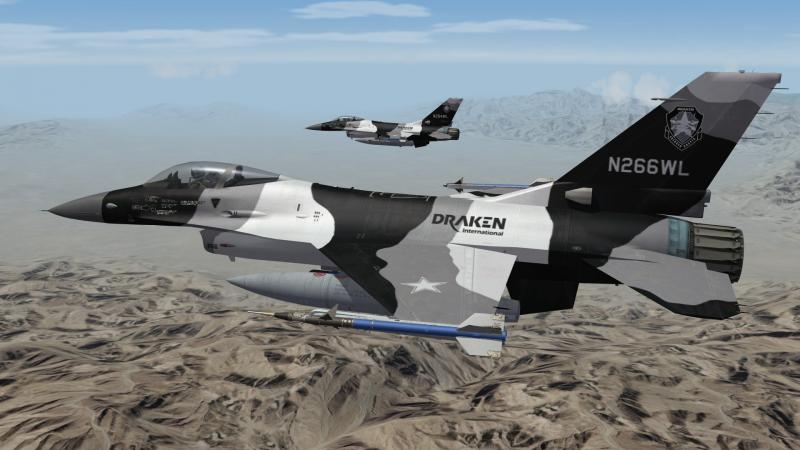
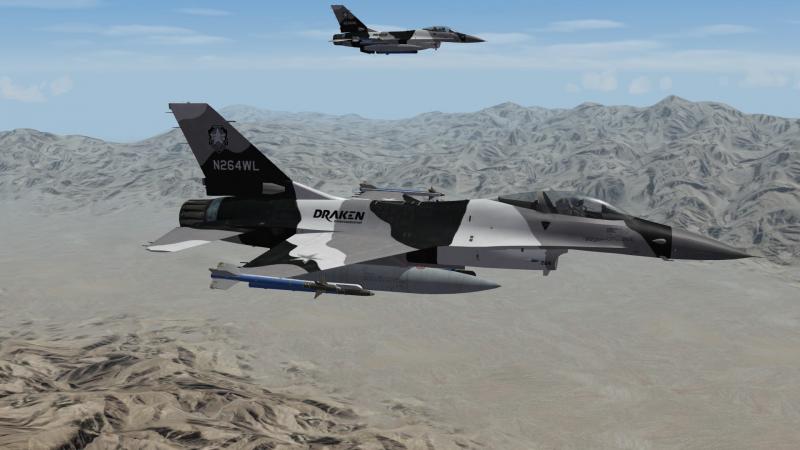
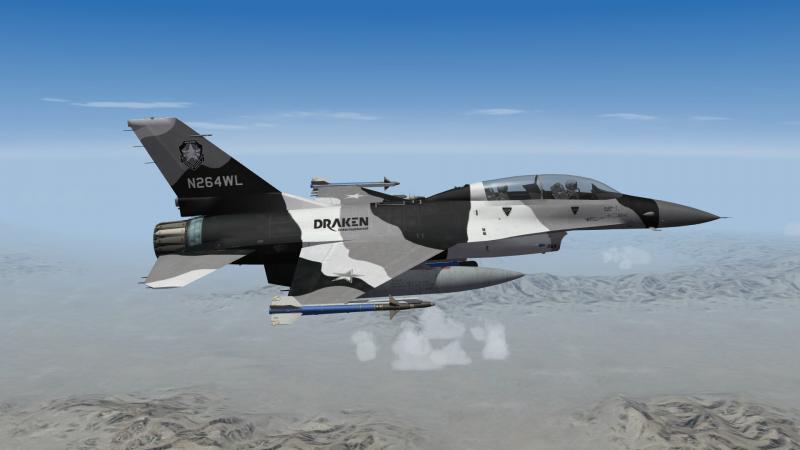
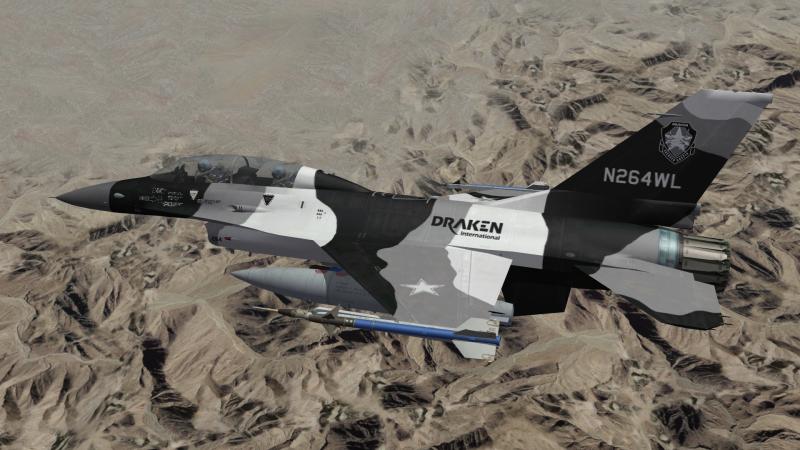
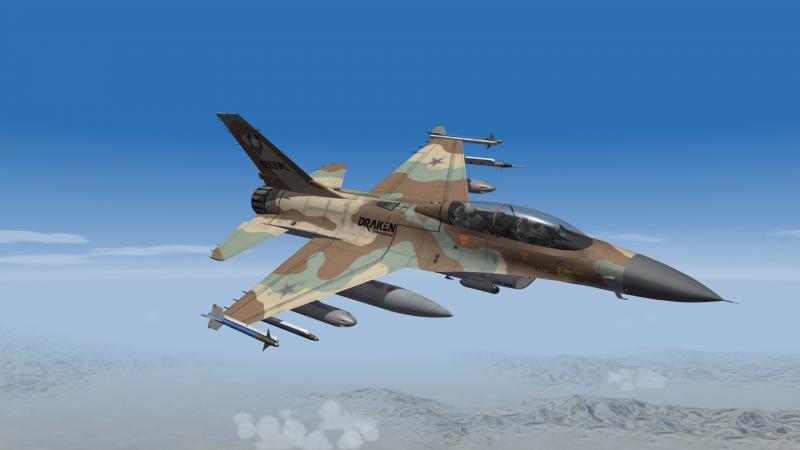
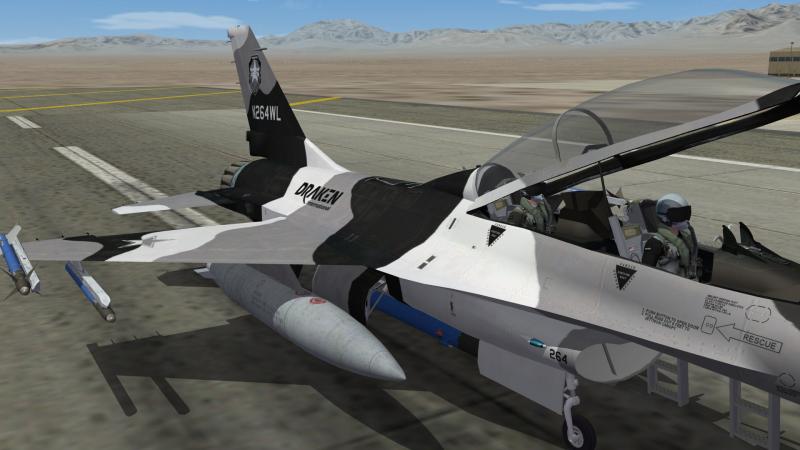
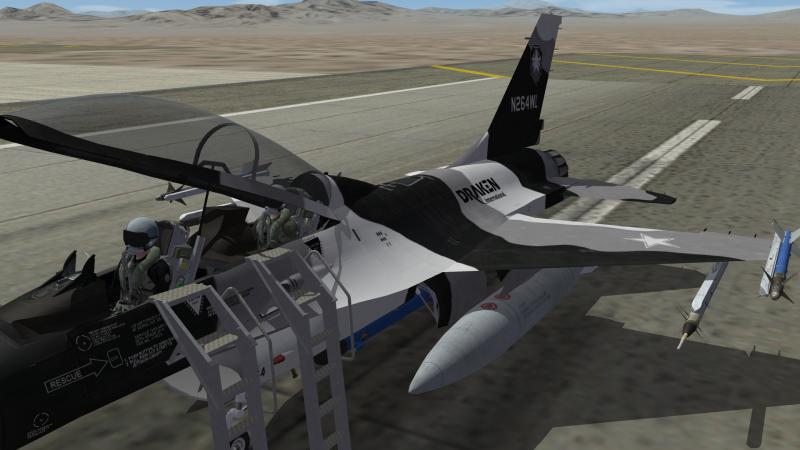
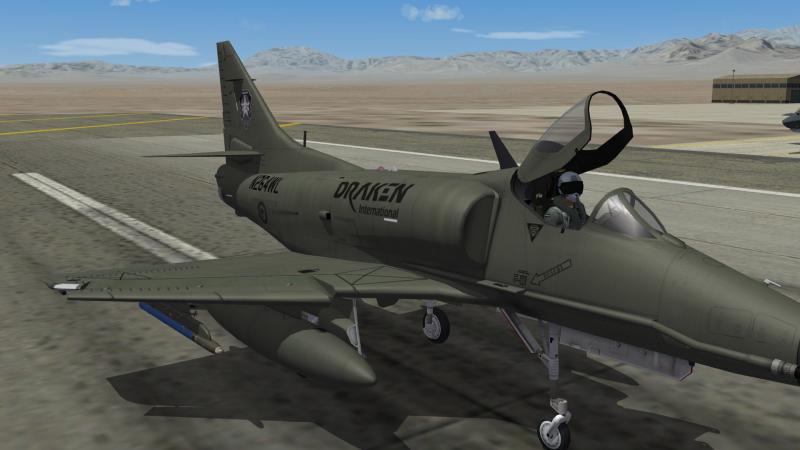
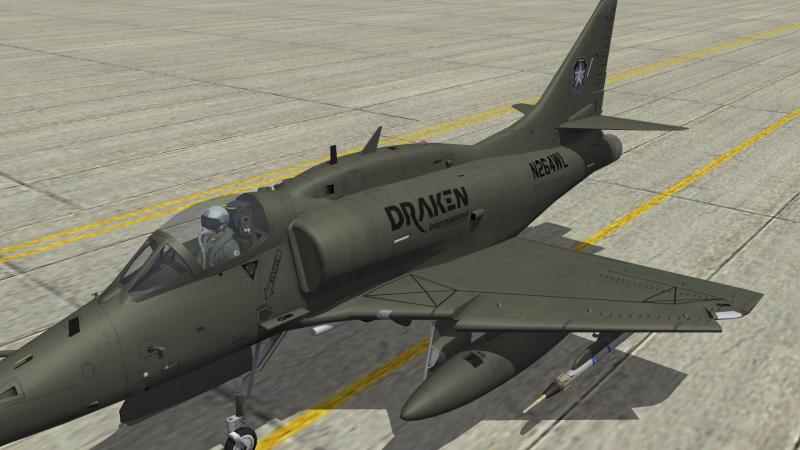
Private defense contractor Draken International ex RNZAF A-4K Skyhawks and ex IAF A-4N Ahits supporting the F-35A test program: (Serial numbers need work) Draken have recently indicated they are pursuing the purchase of demilitarized F-16A/B fighters for their fleet of aircraft. Details are hush hush but Israel is believed to be the supplier (they are the only real possibility other than the US) Custom Draken International flight suits and patches:
-
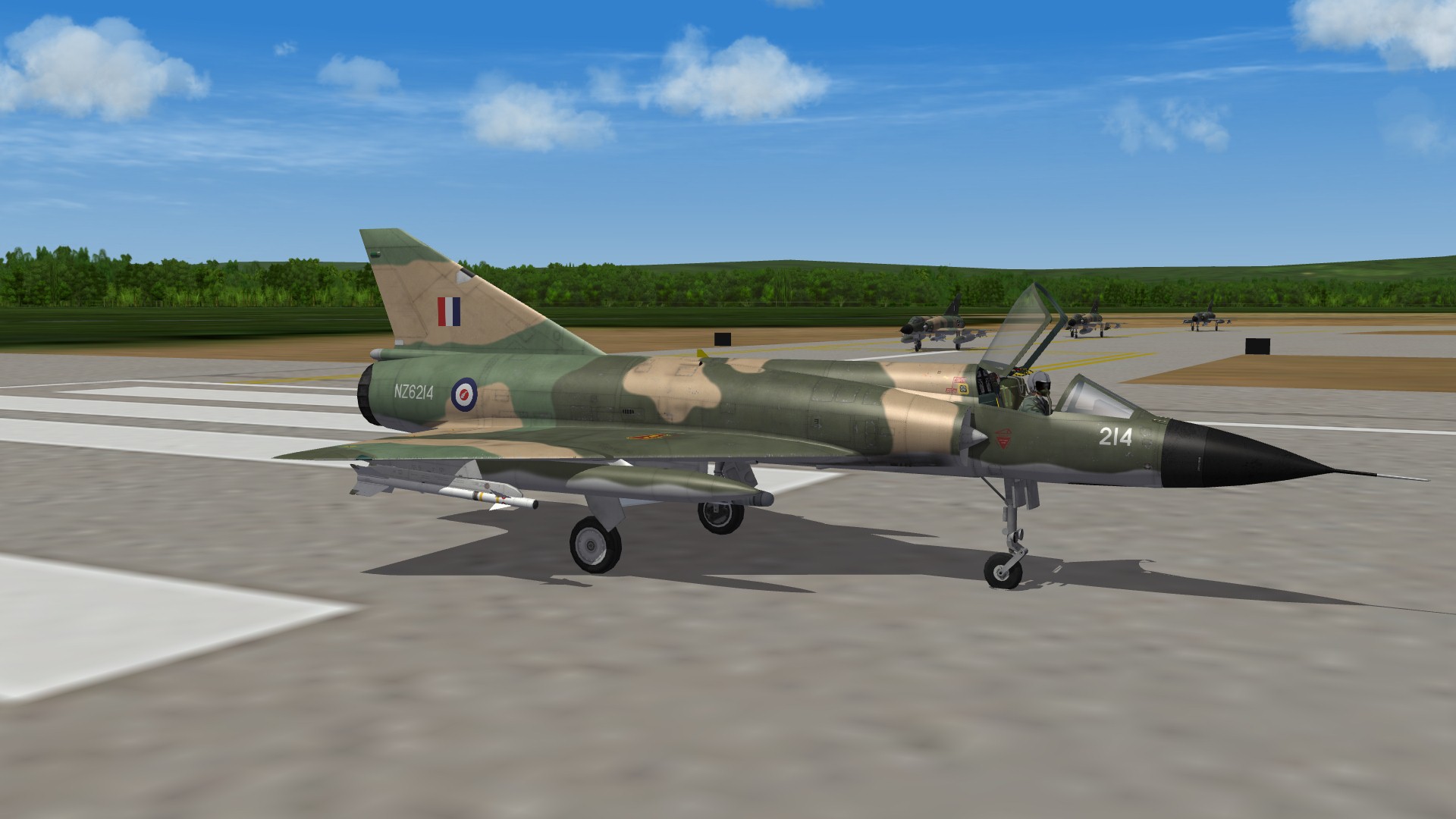
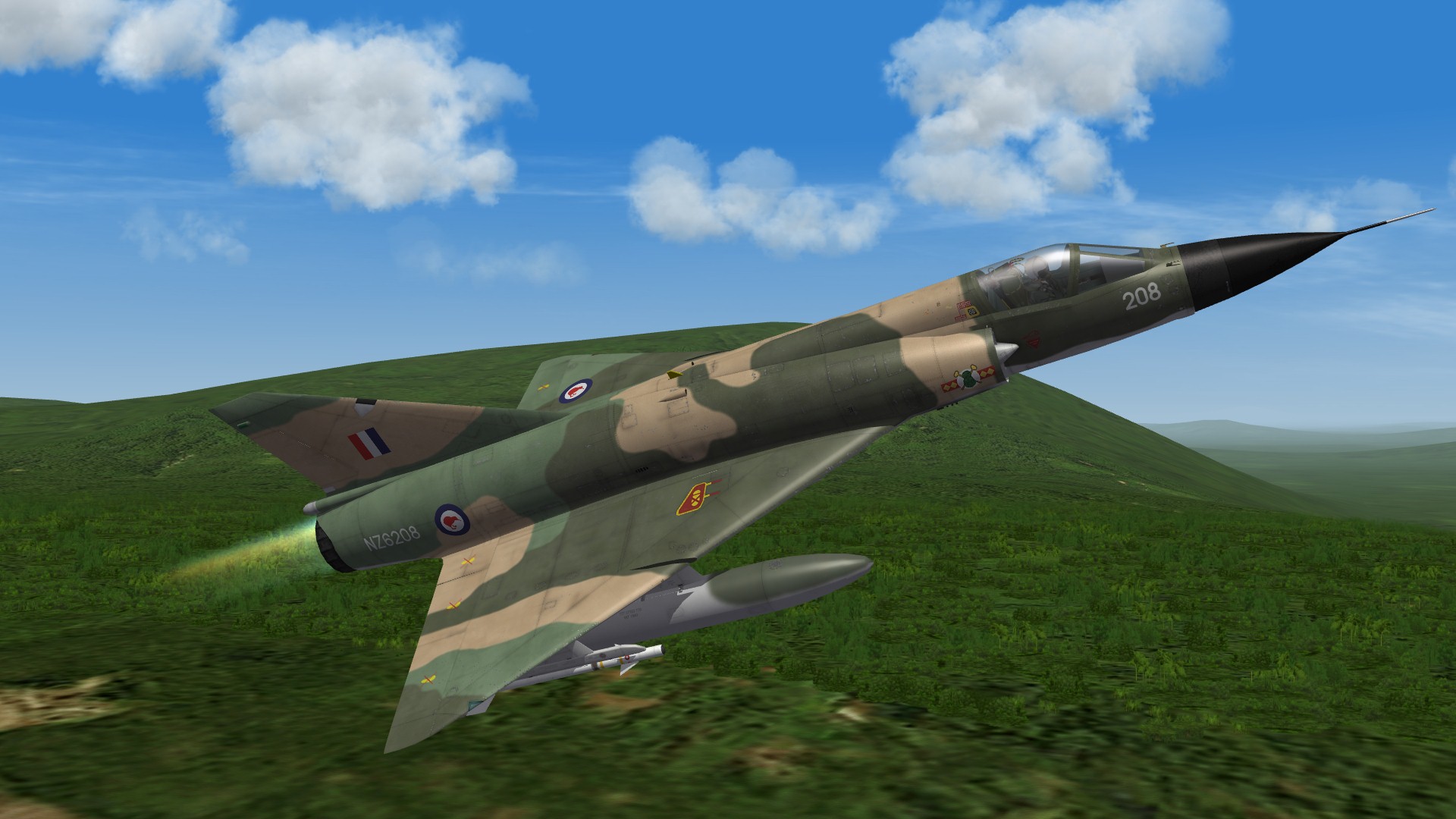
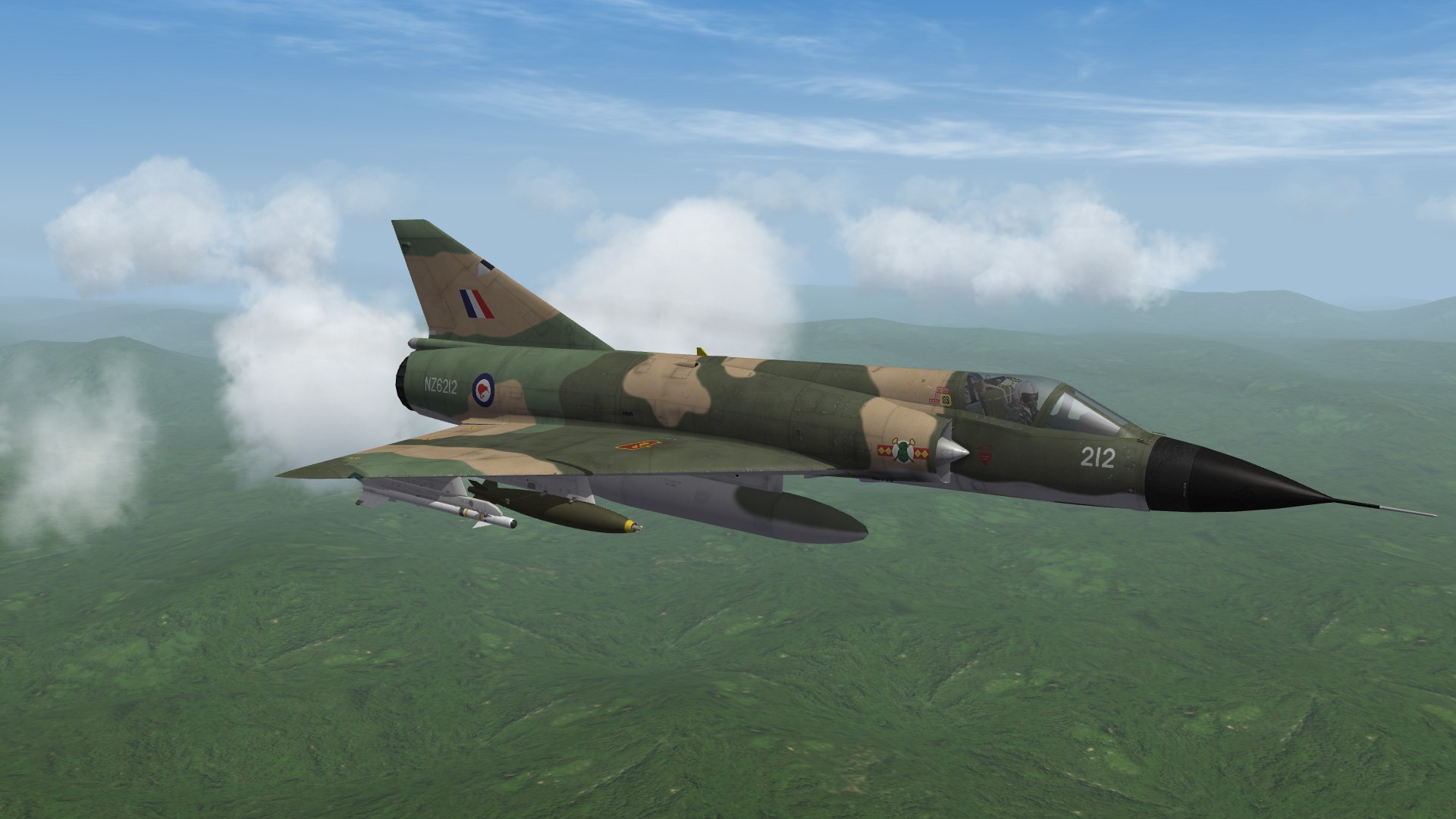
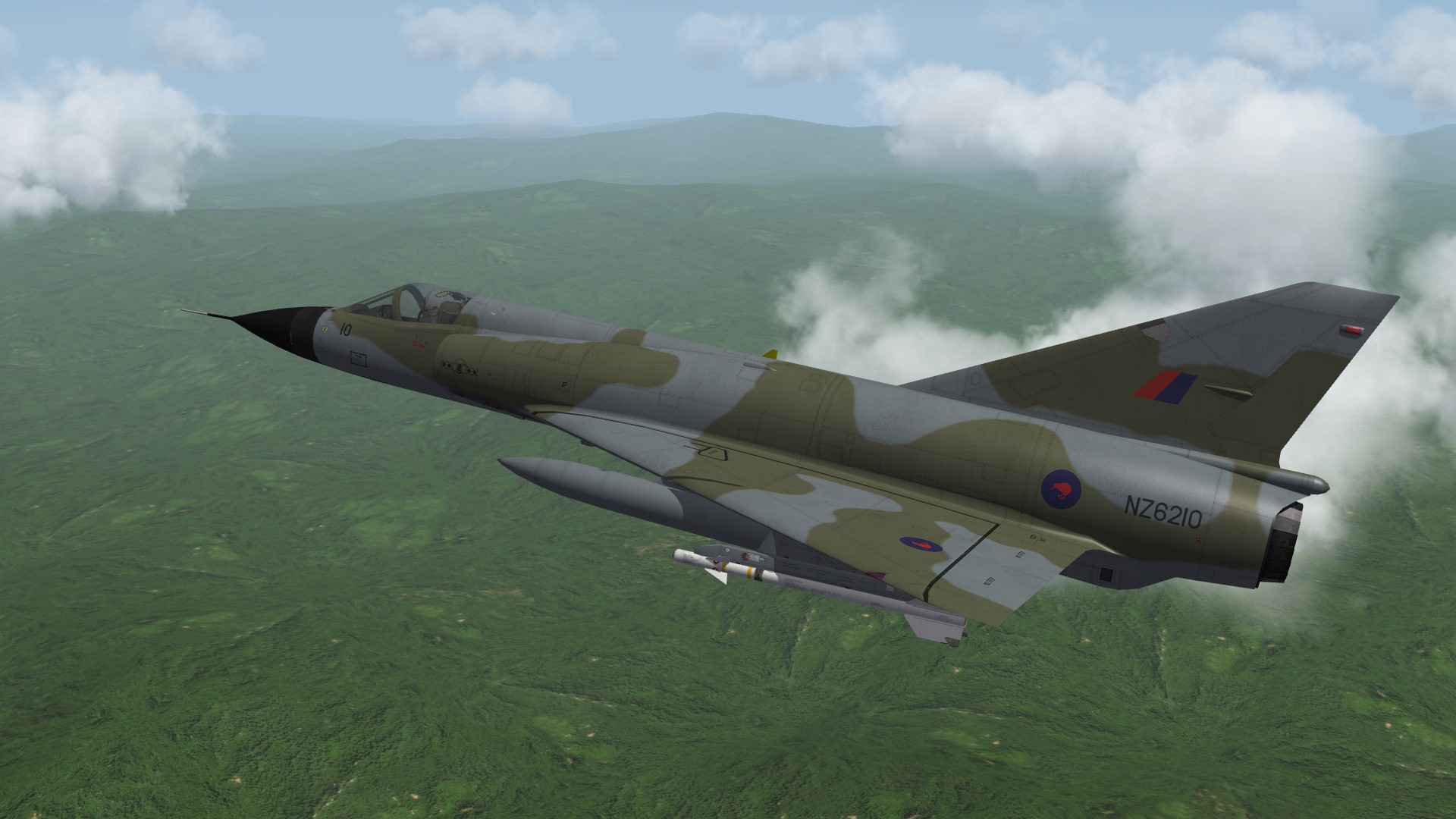
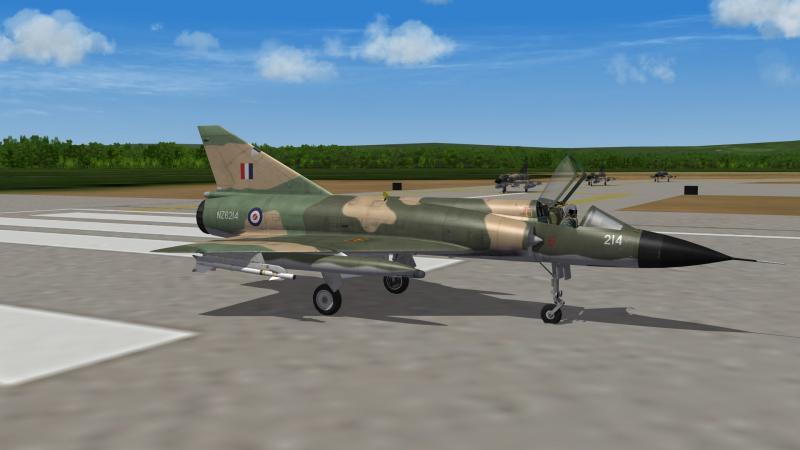
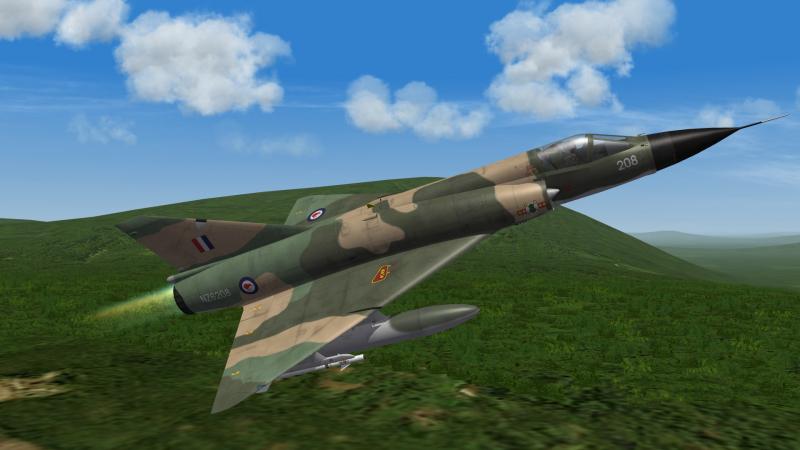
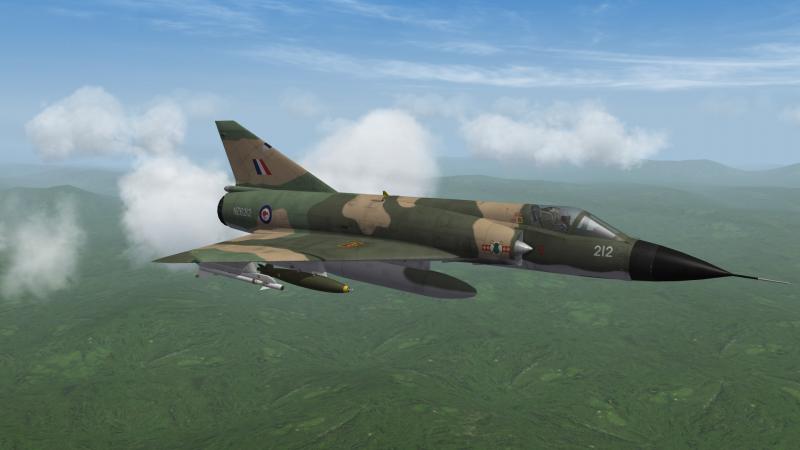
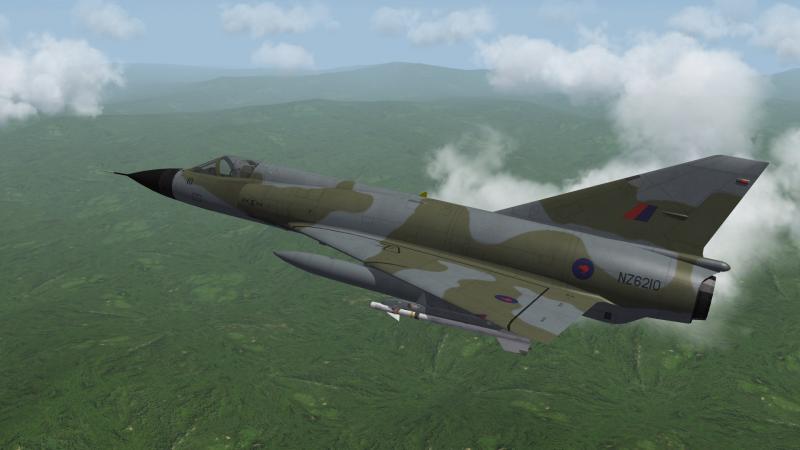
Another short listed contender that lost out to the A-4K Skyhawk was the Australian licence built Mirage IIIO:
-
Not such 'clapped out old jets' after all as our Prime Minister stated repeatedly when she axed our Airforce's air combat wing (the A-4K & MB-338CB) back in the early 2000's
-
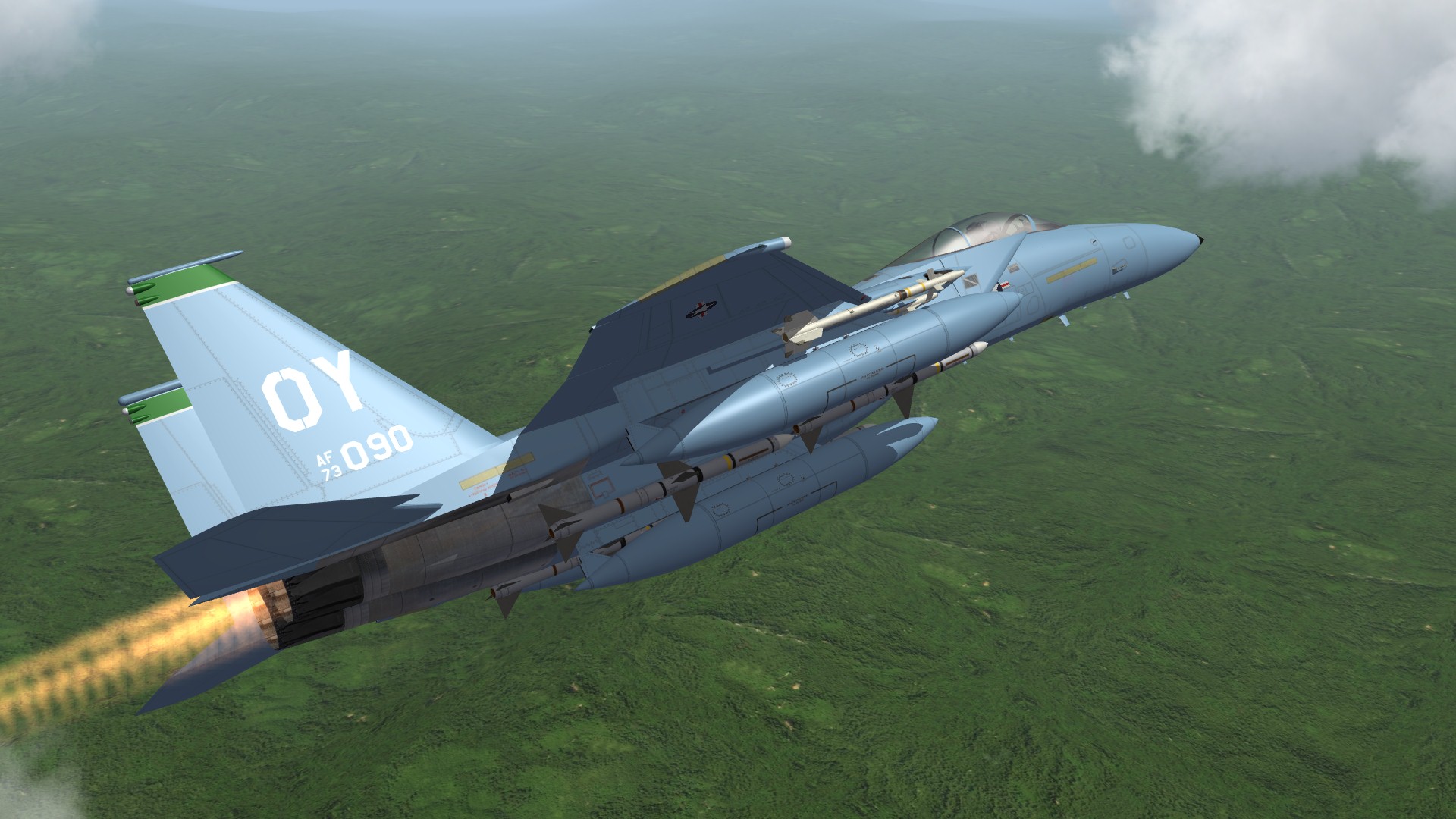
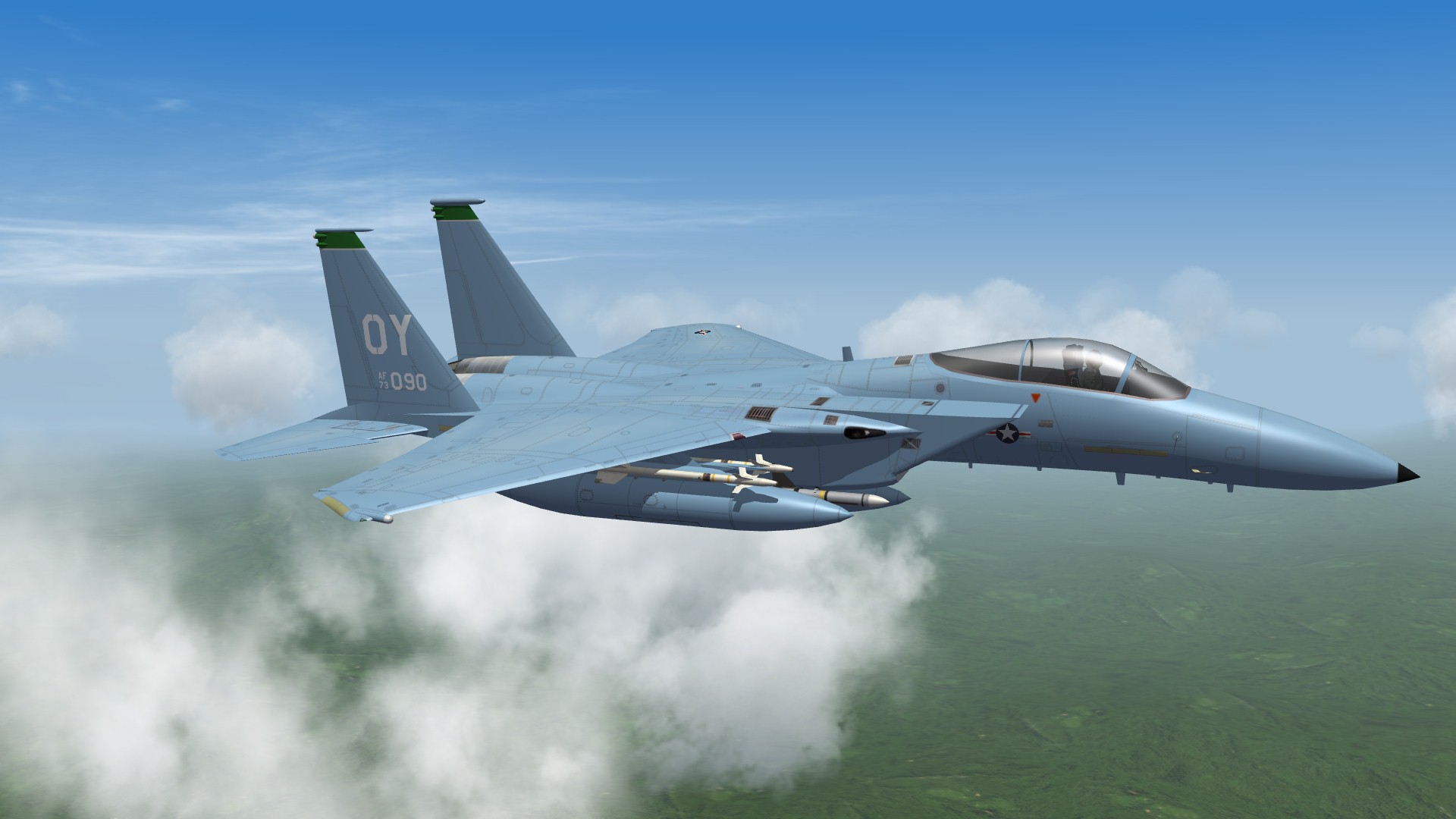
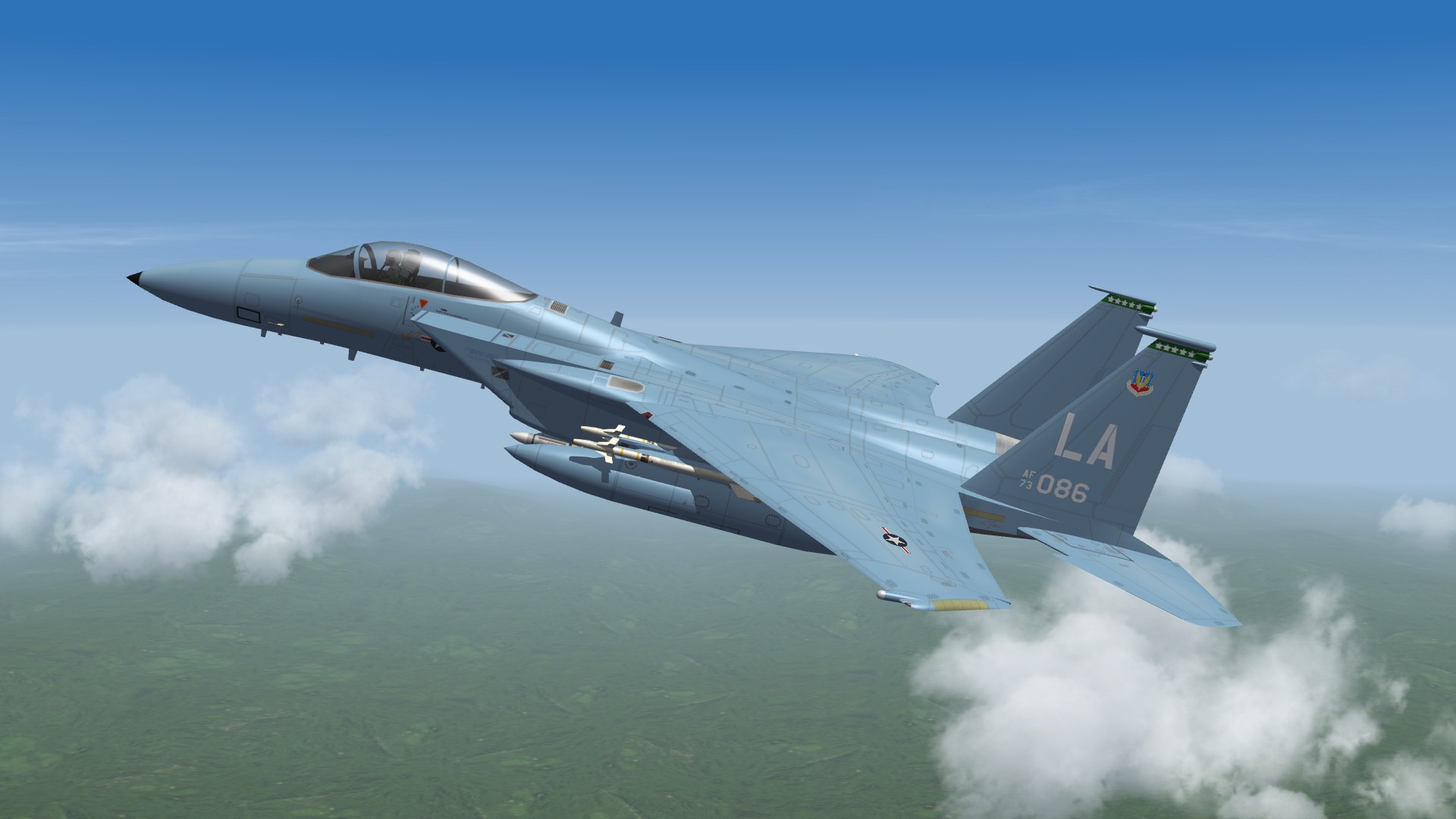
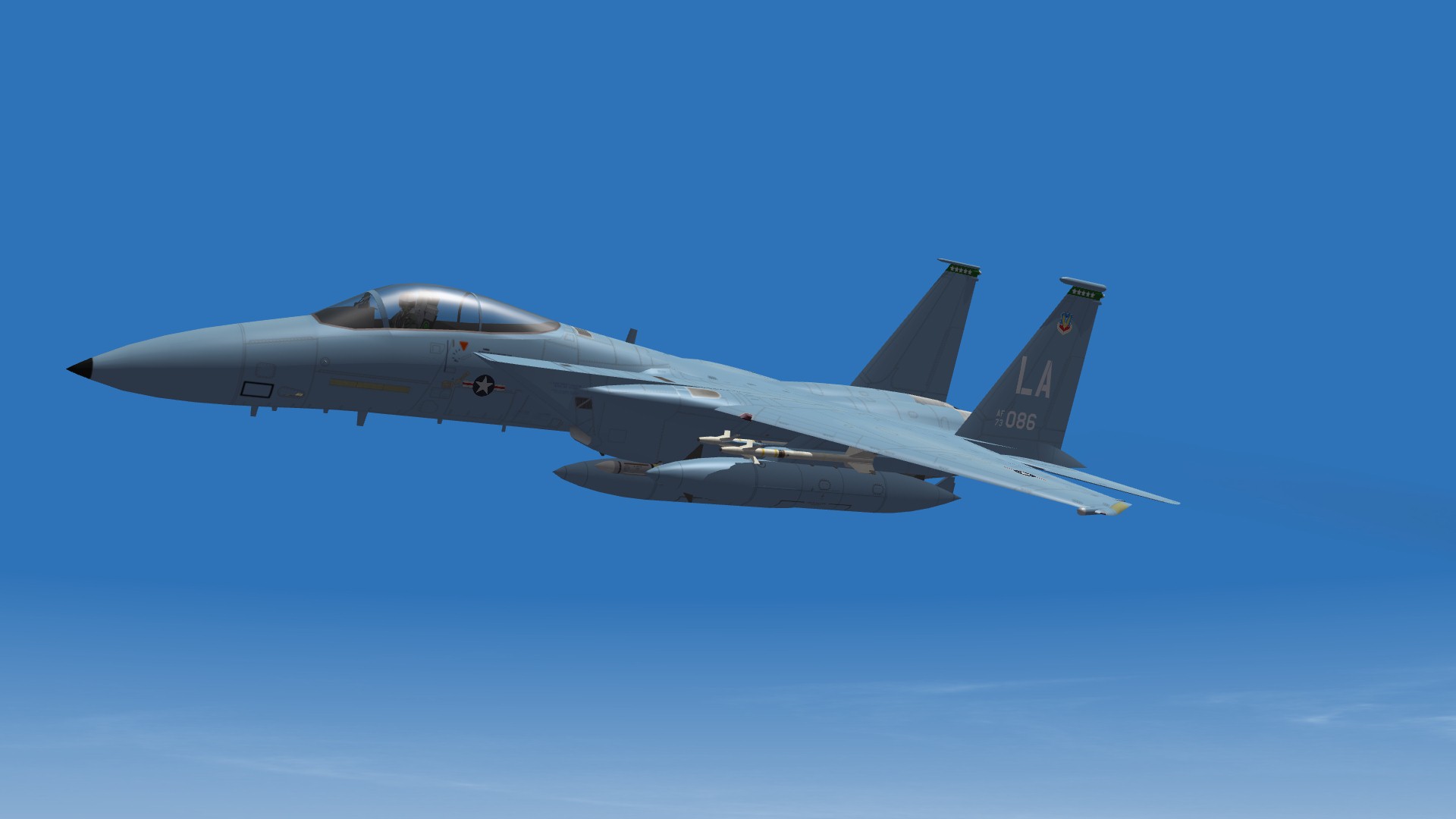
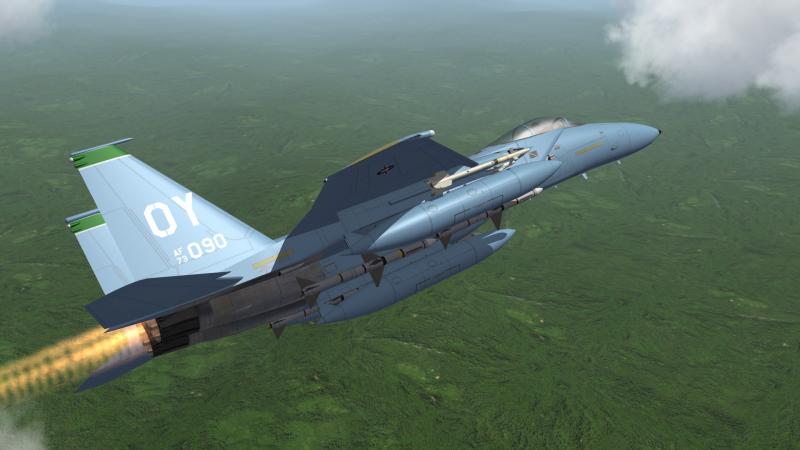
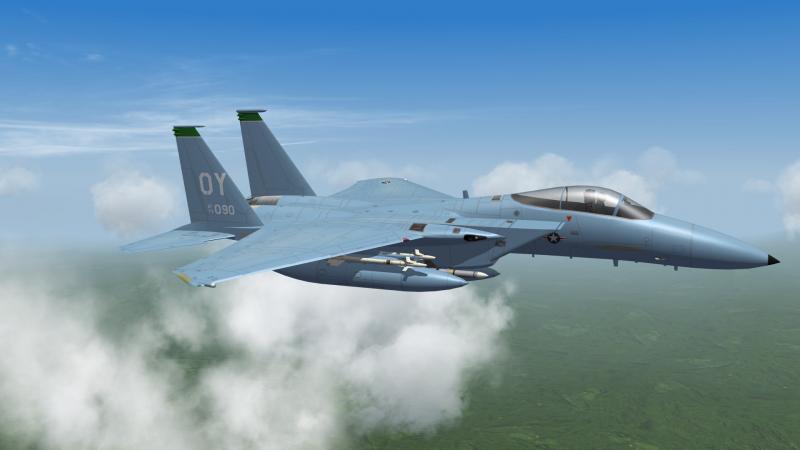
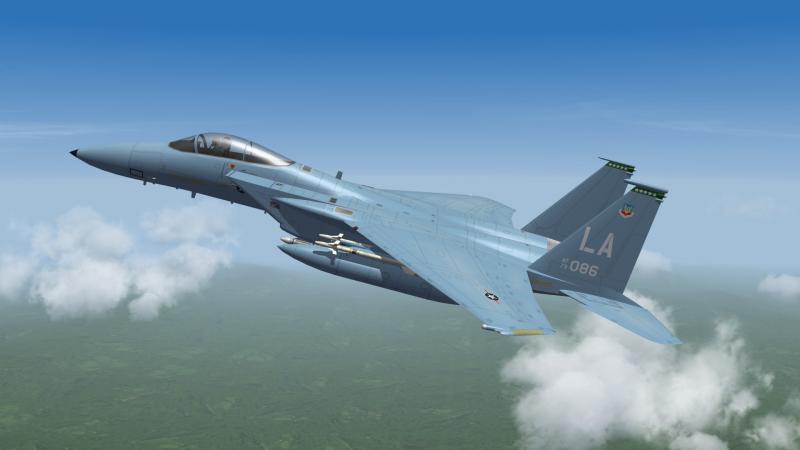
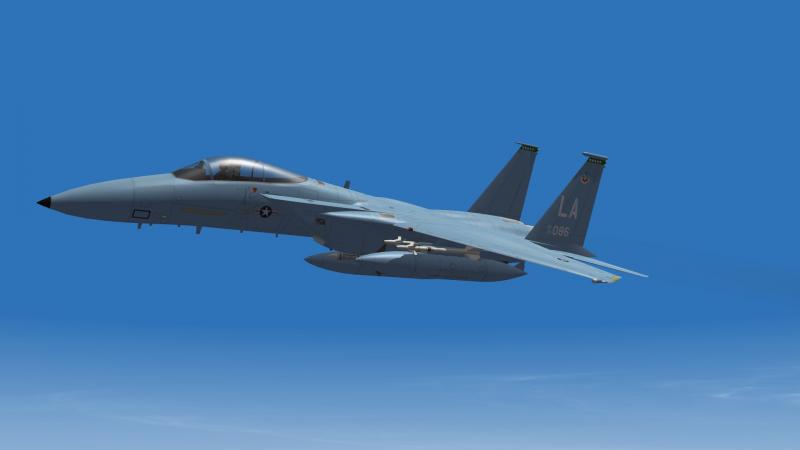
What if the F-15A made it to Vietnam?... The infamous 'OY' 555th Triple Nickel:
-
First Operational USAF F-15A Squadron the 555th Triple Nickel out of Luke AFB:
-
Nice!
-
Cheers good read
-
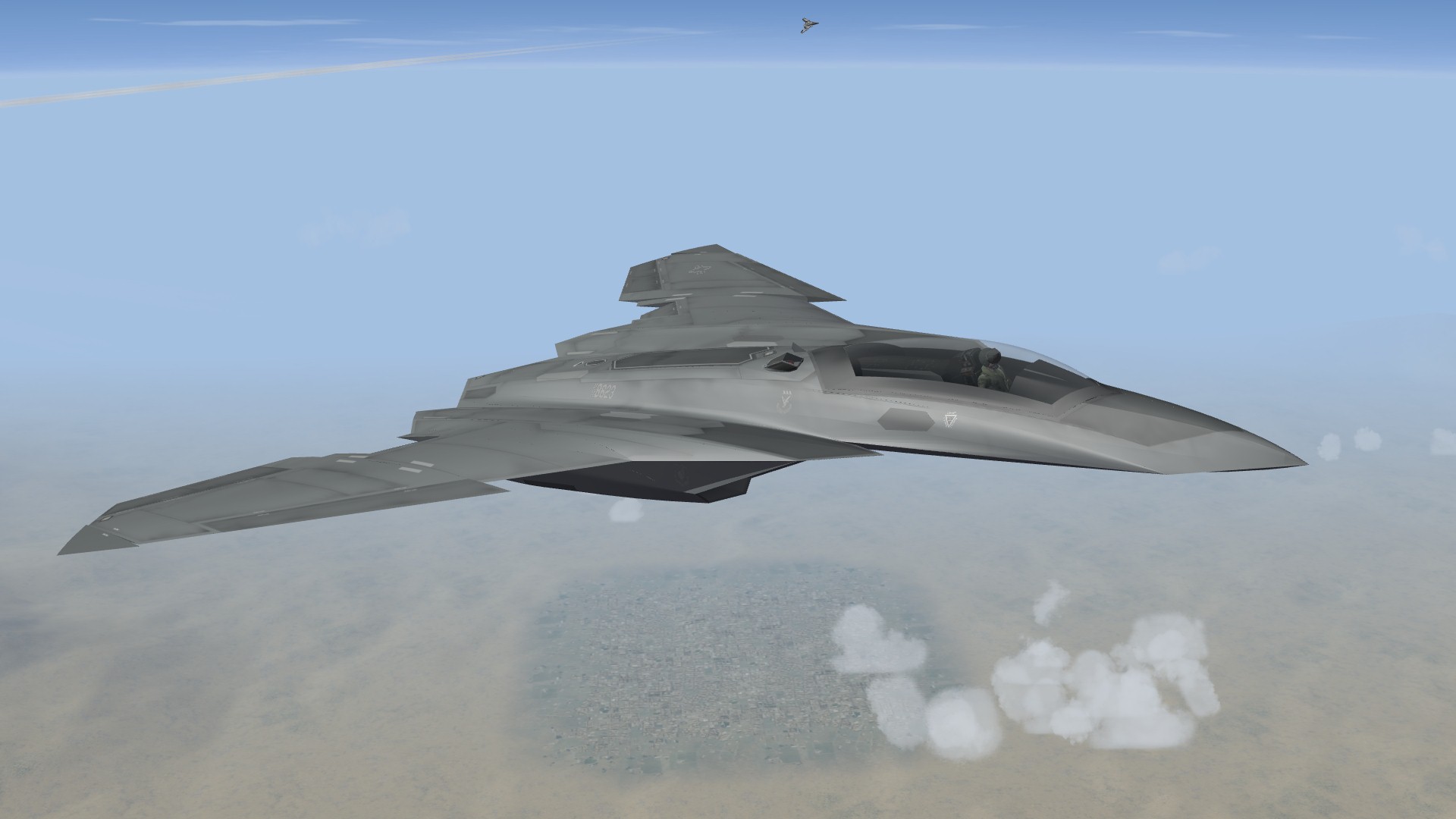
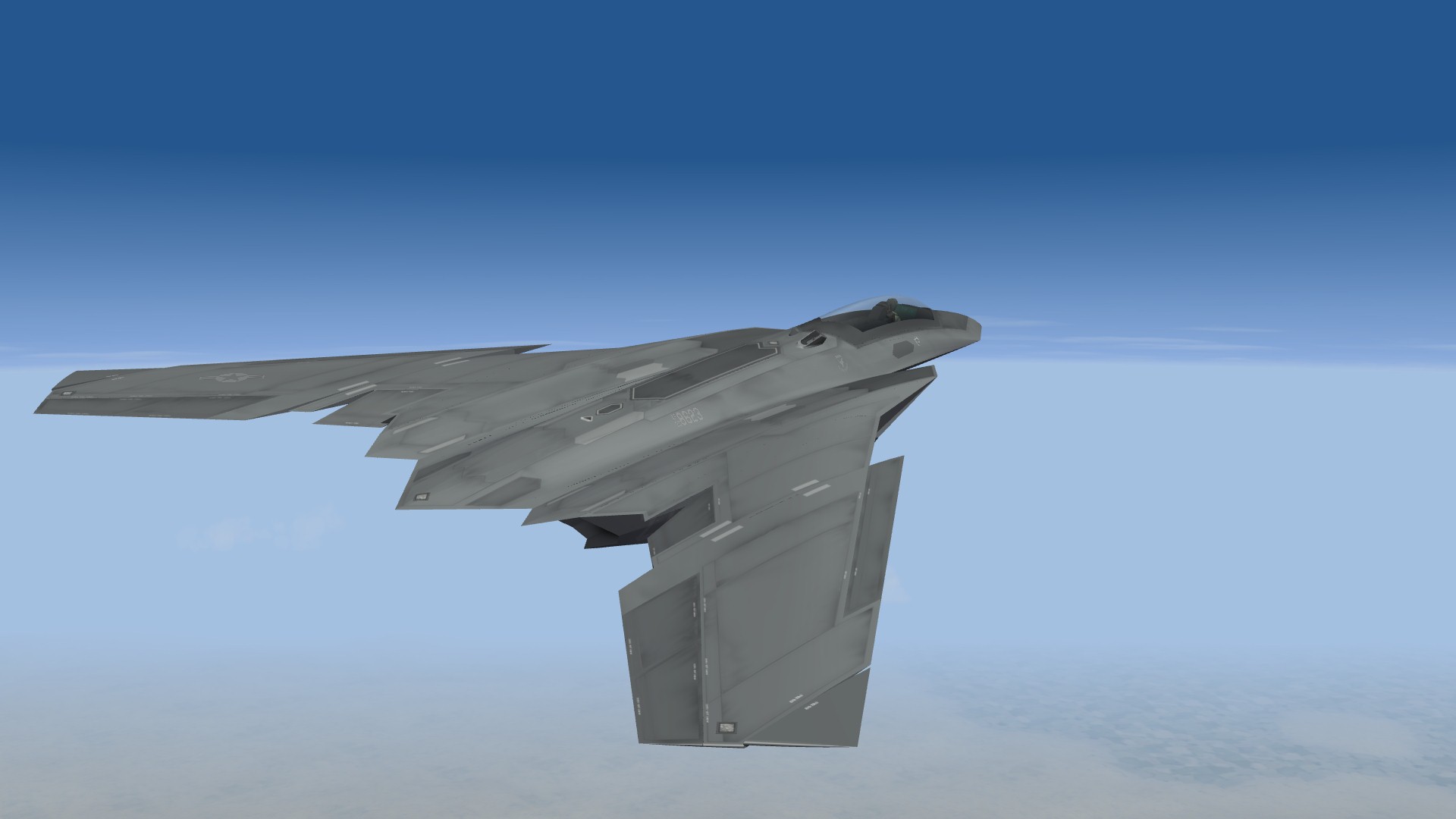
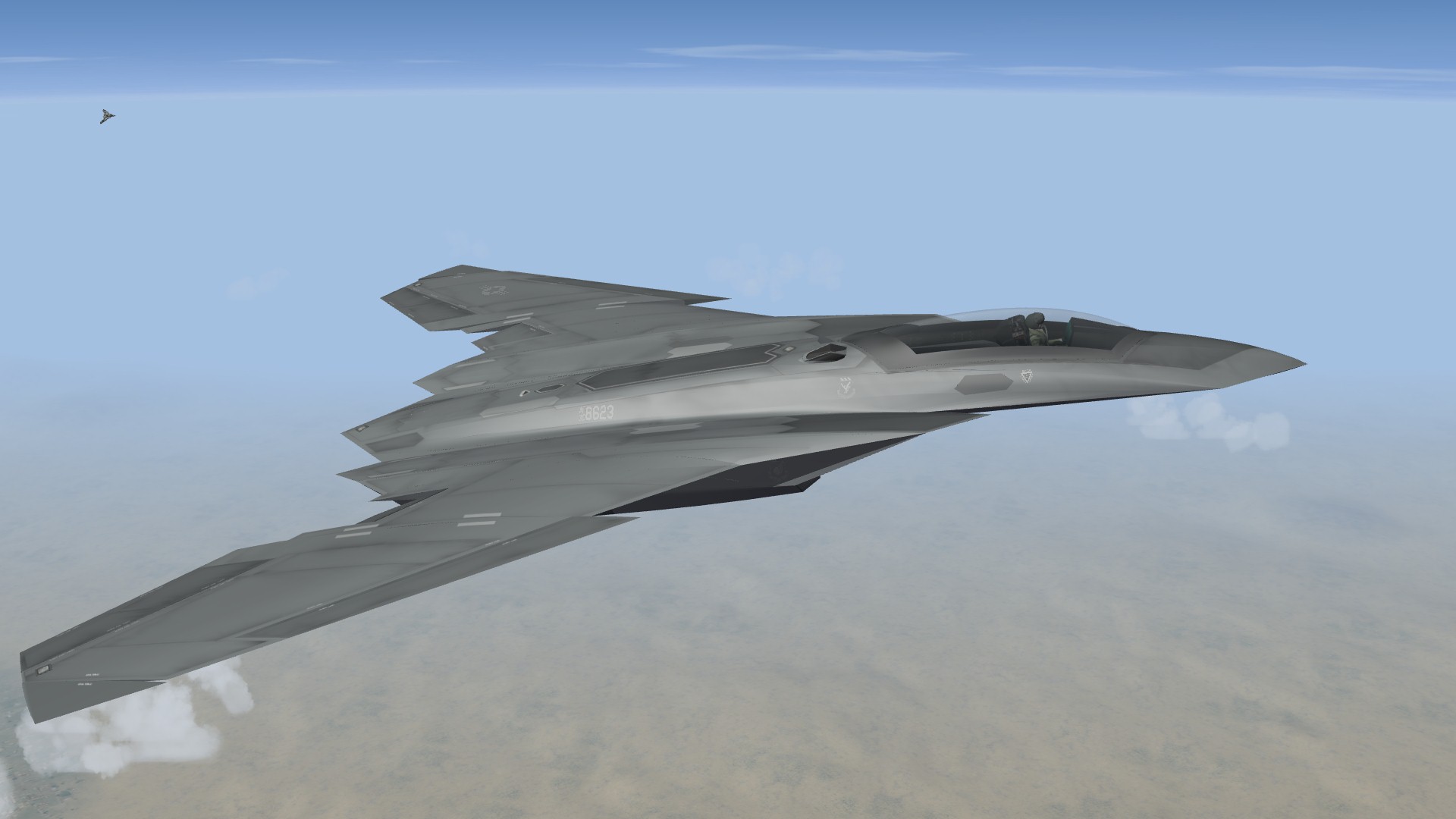
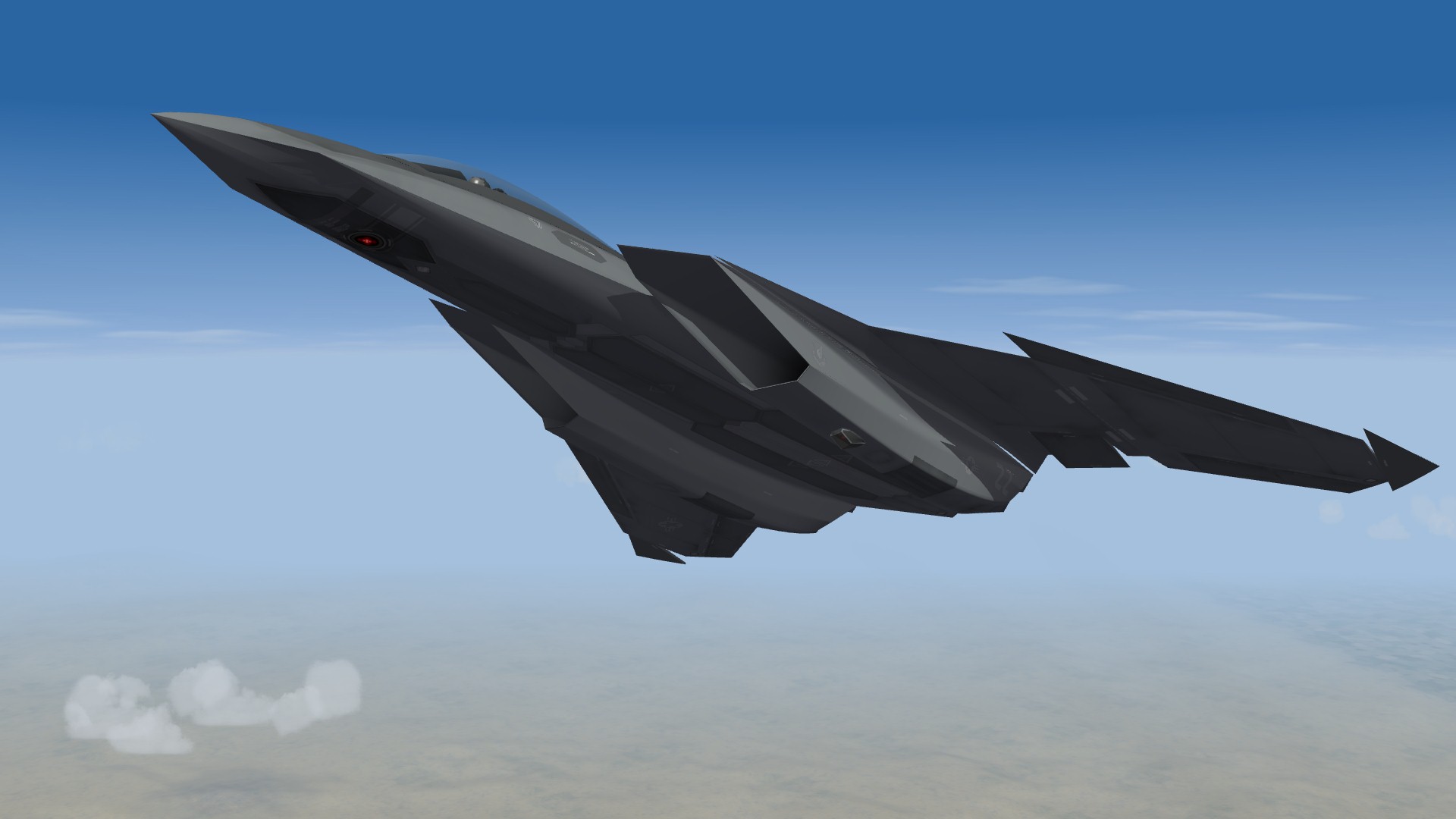
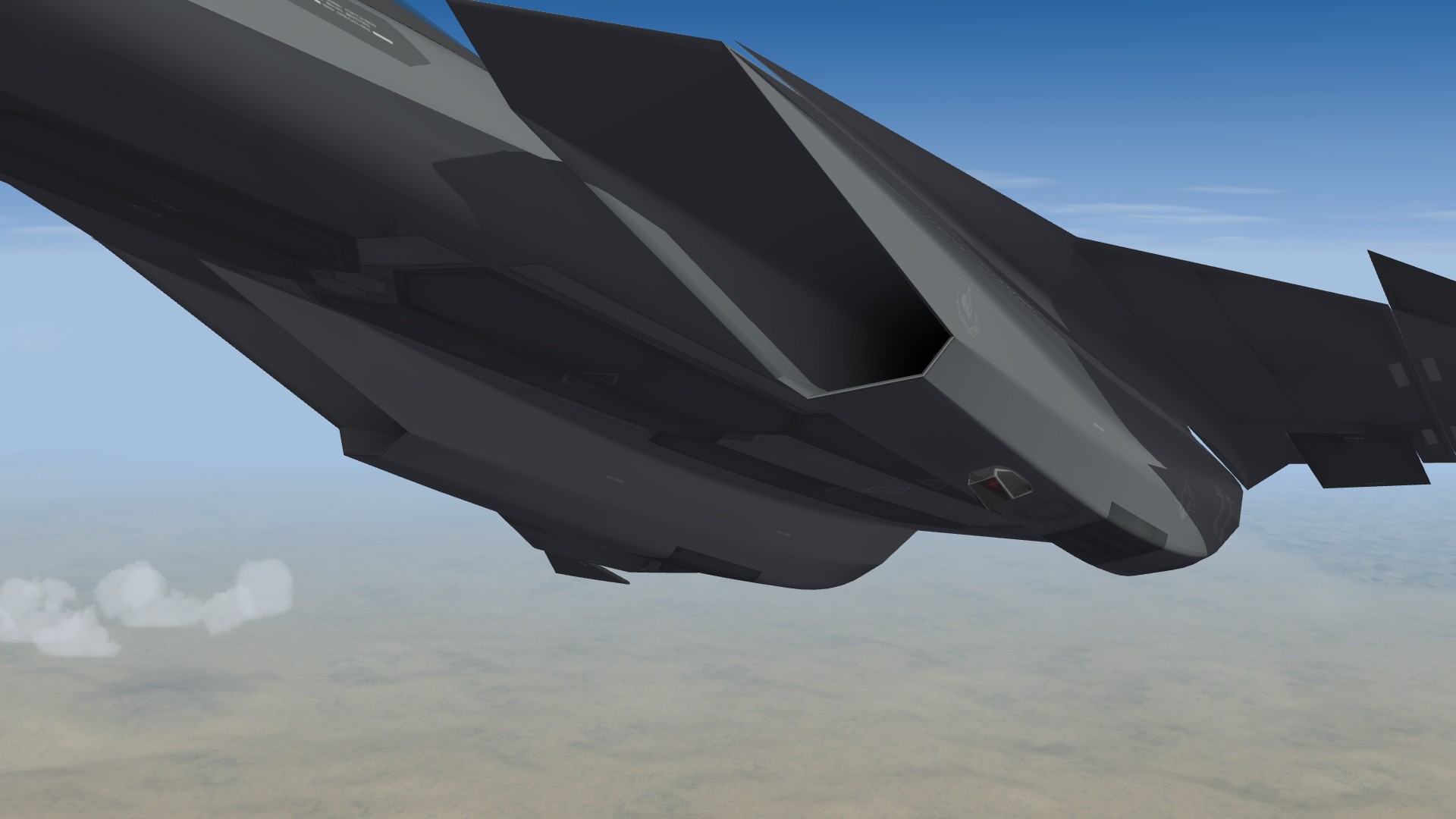
F-142A USAF 6th Generation Fighter WIP
dtmdragon replied to dtmdragon's topic in Sci-Fi/Anime/What If Forum
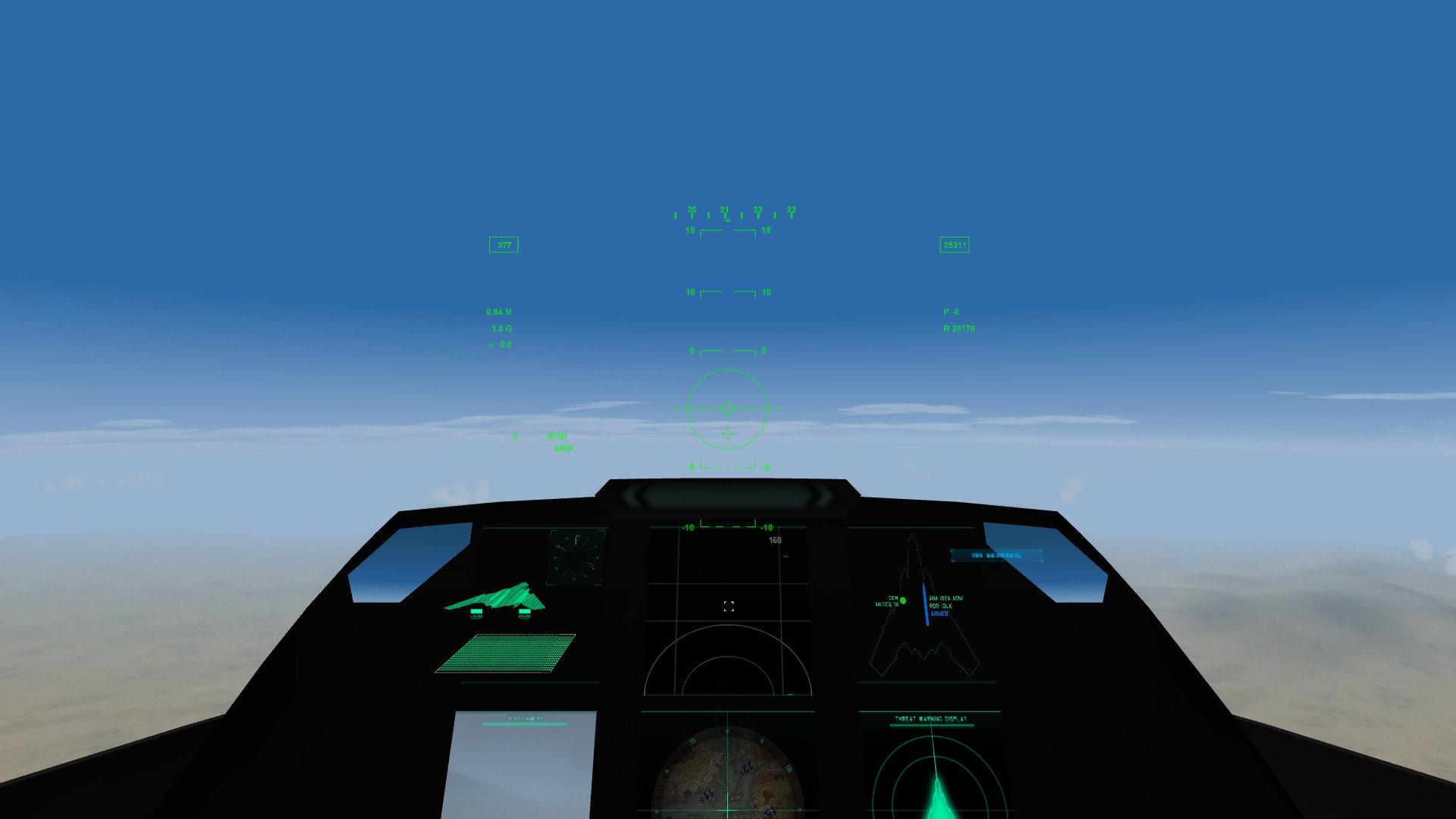
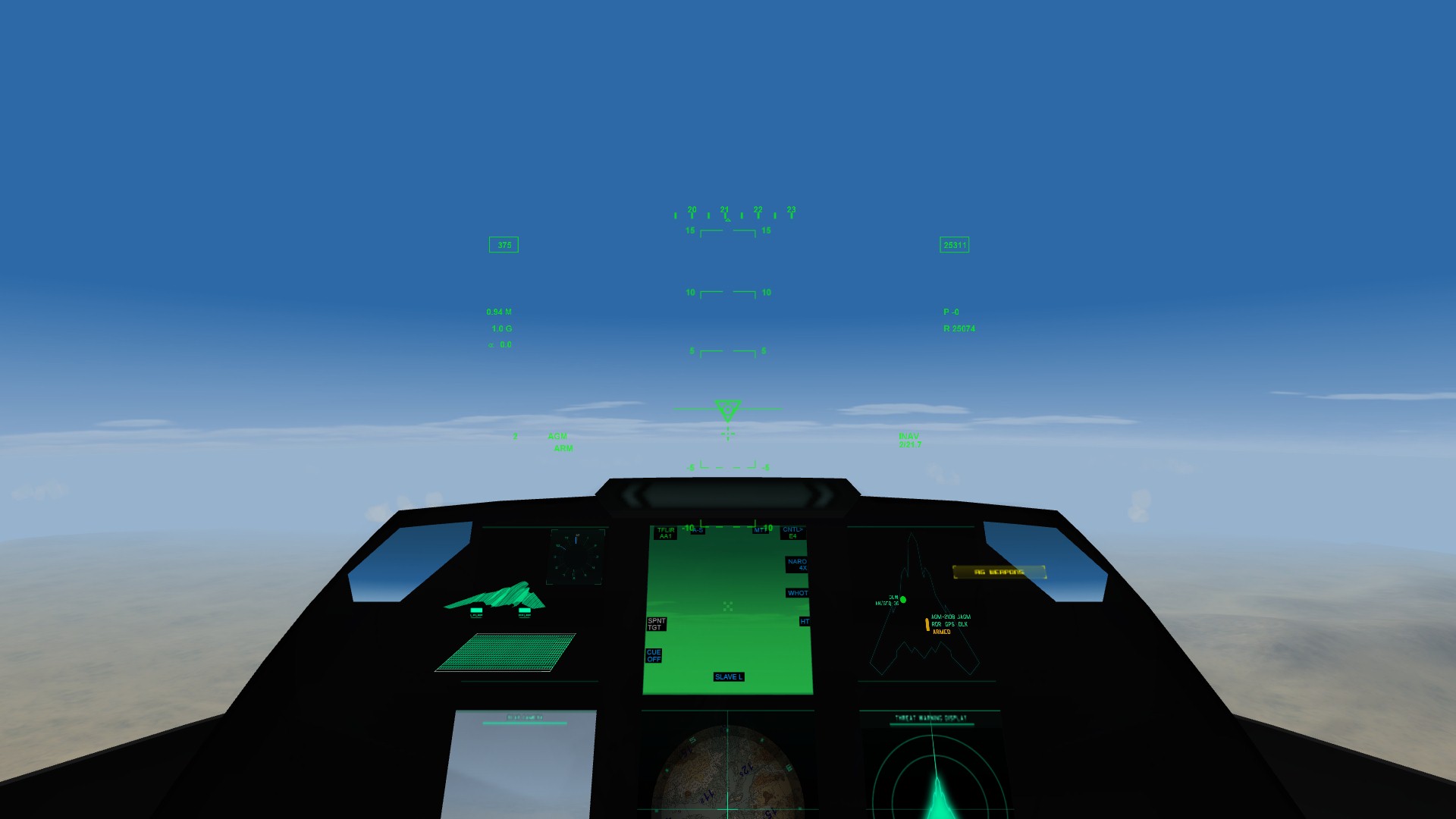
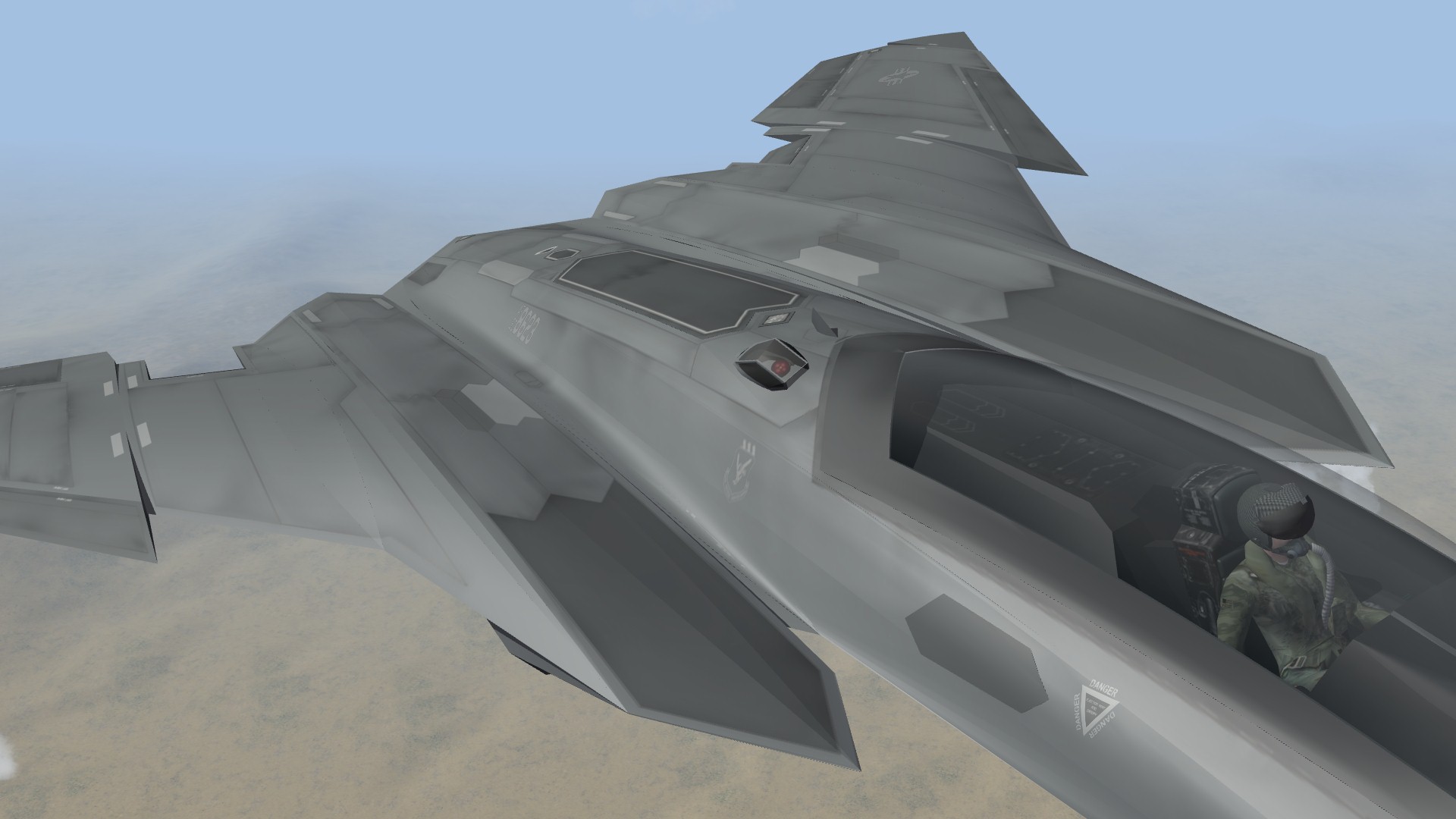
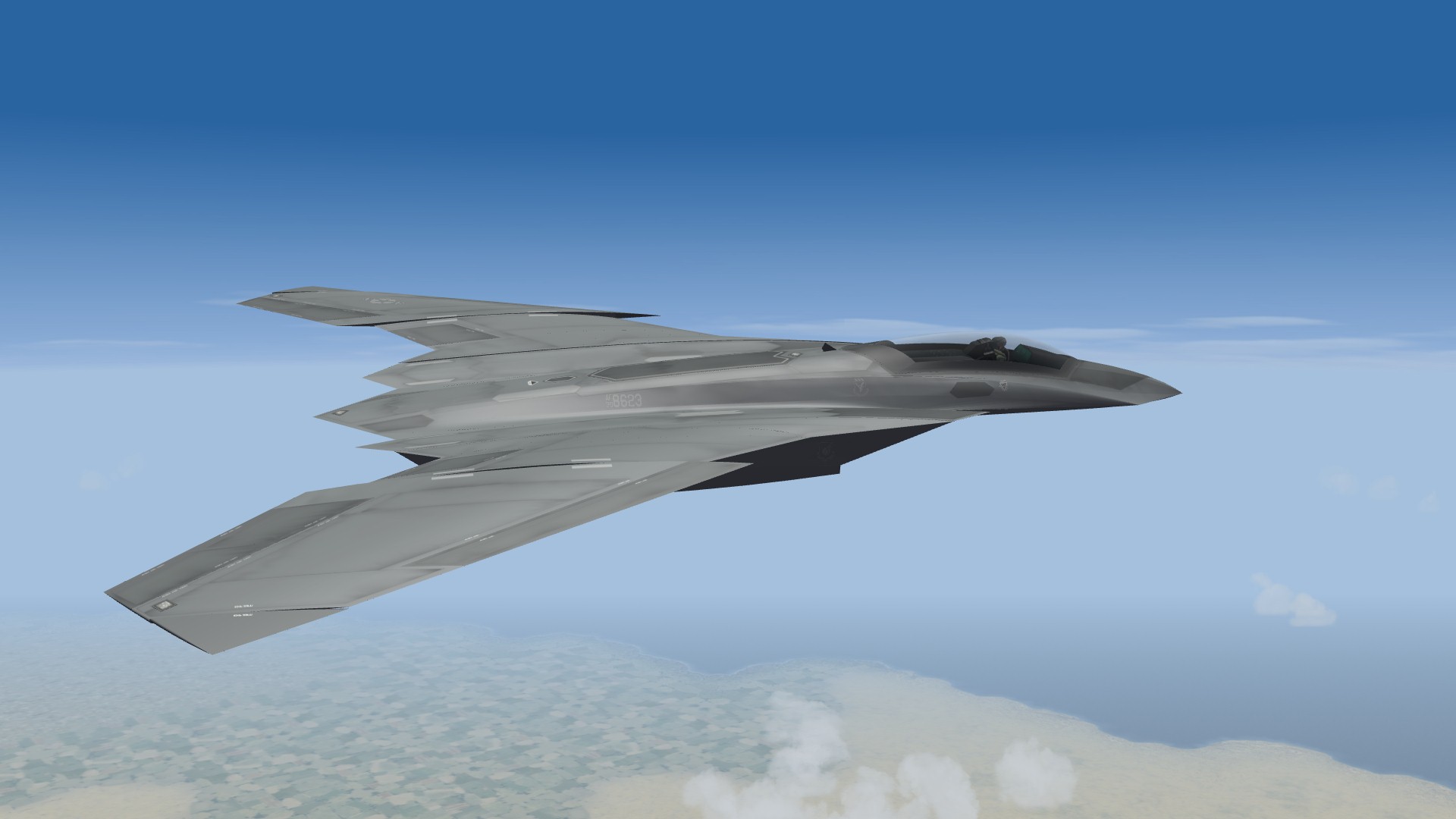
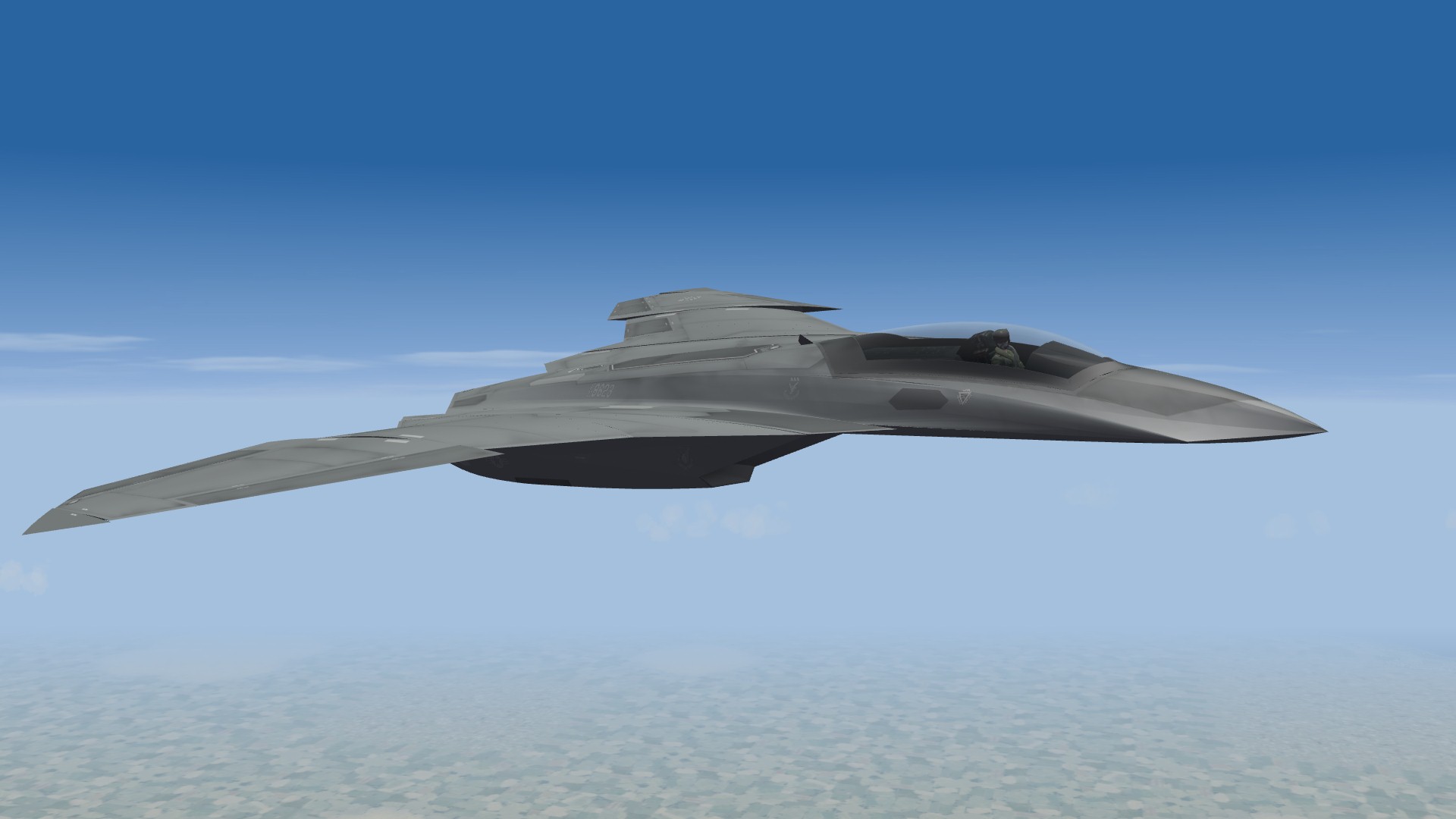
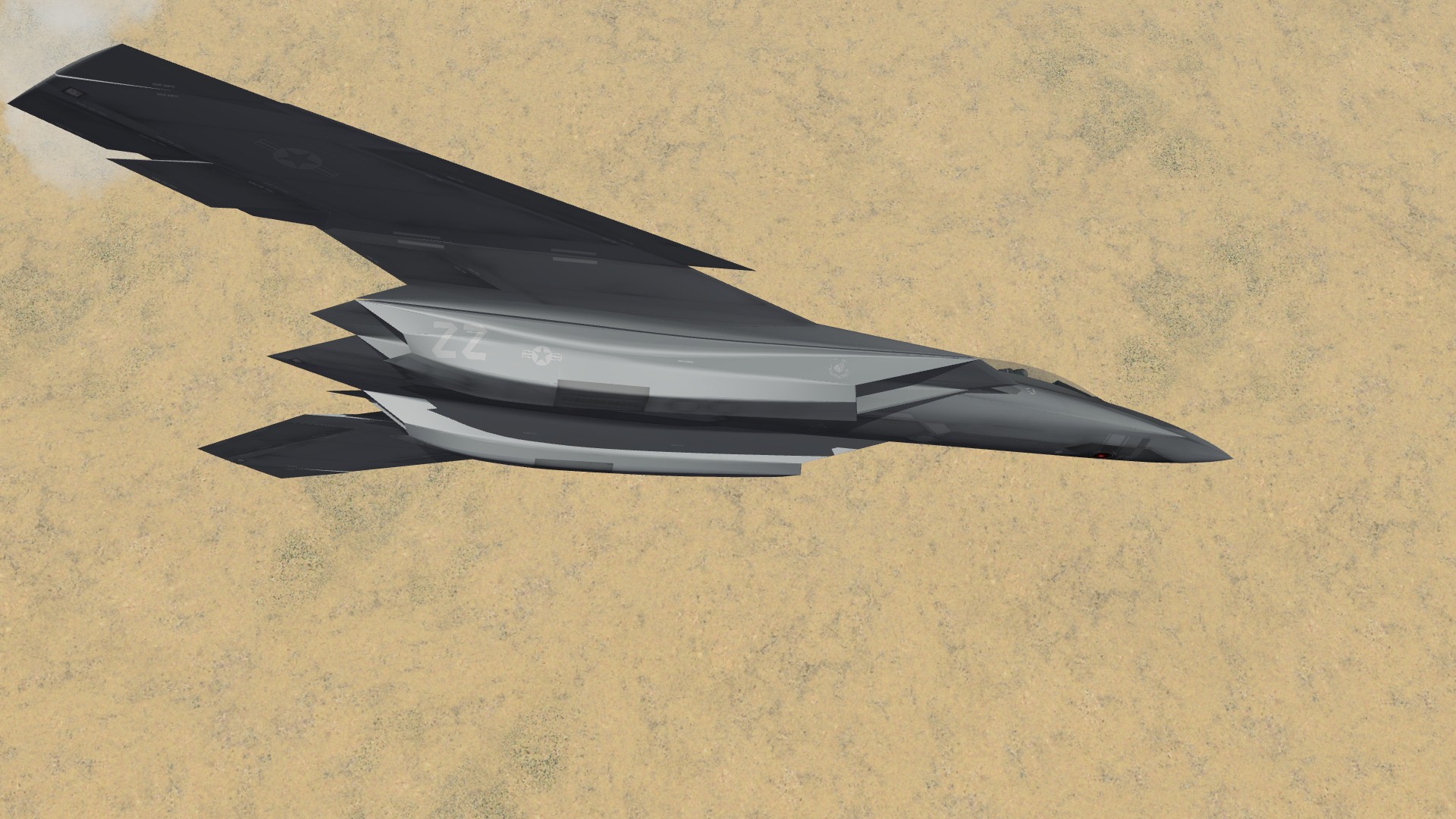
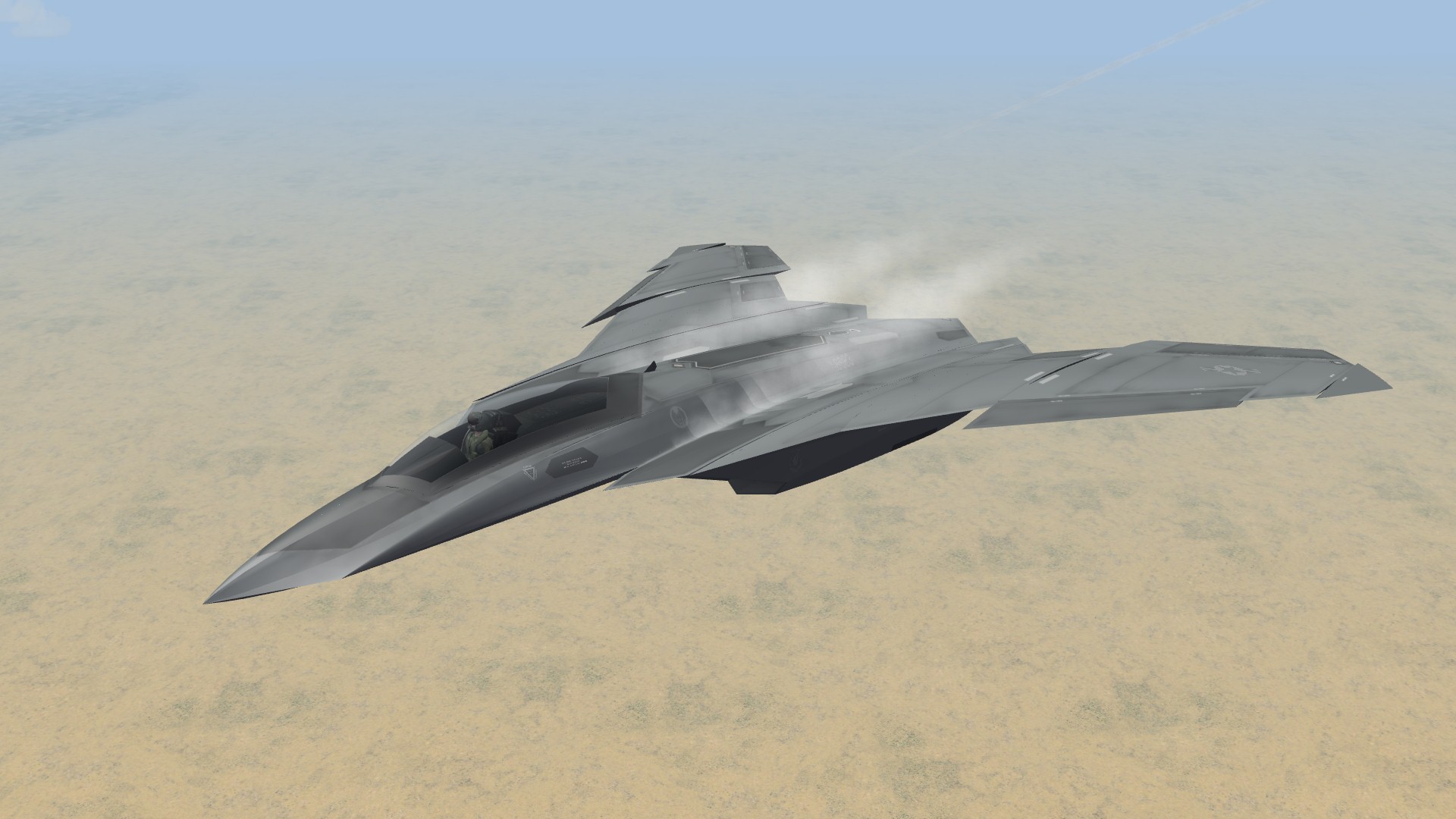
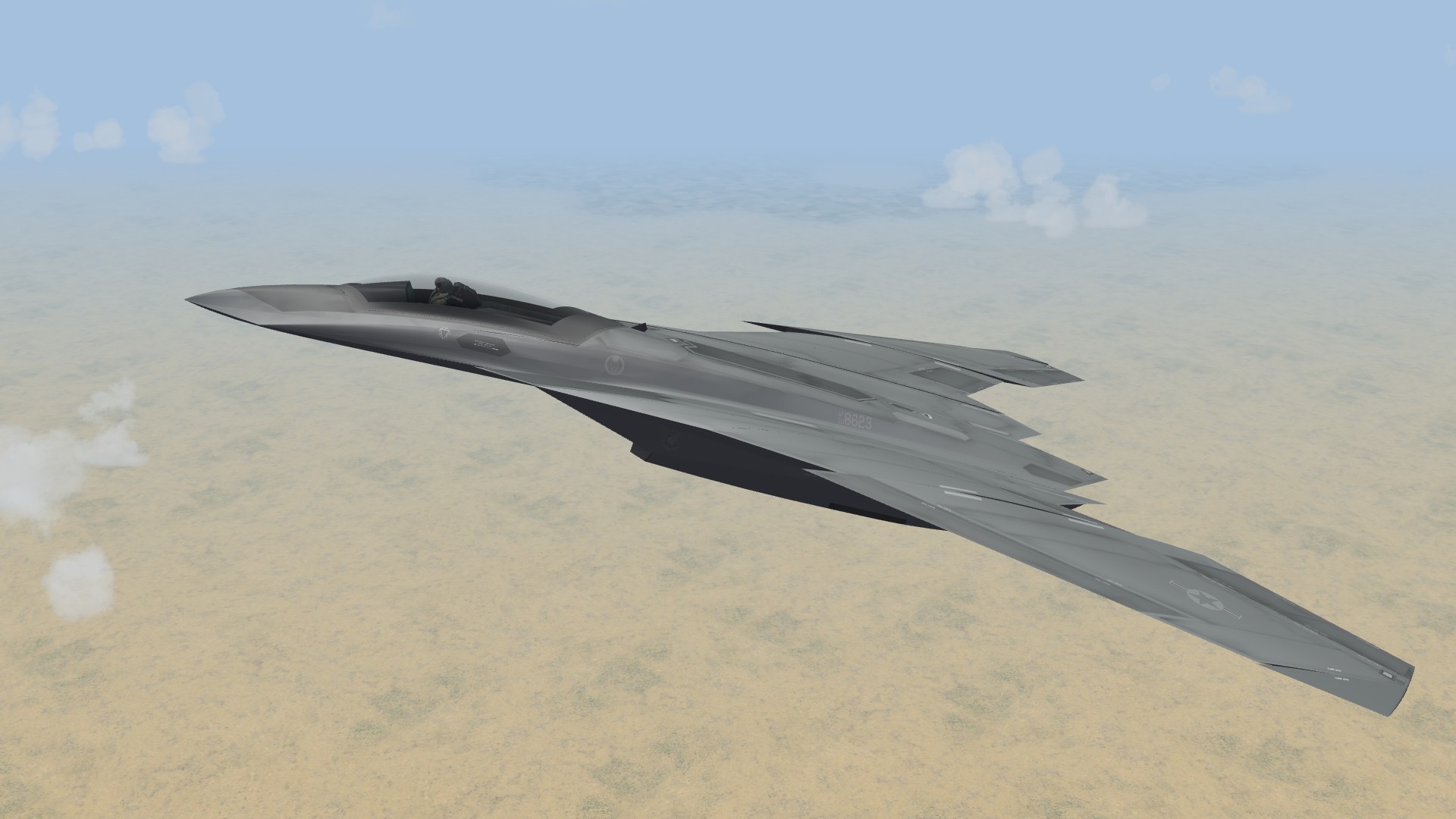
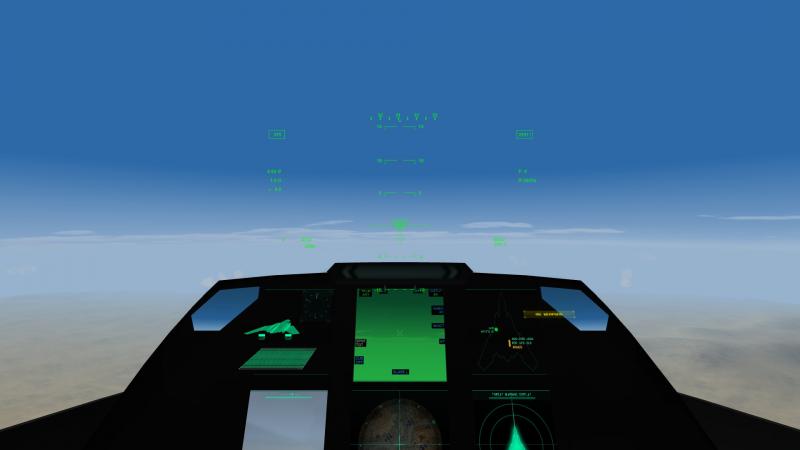
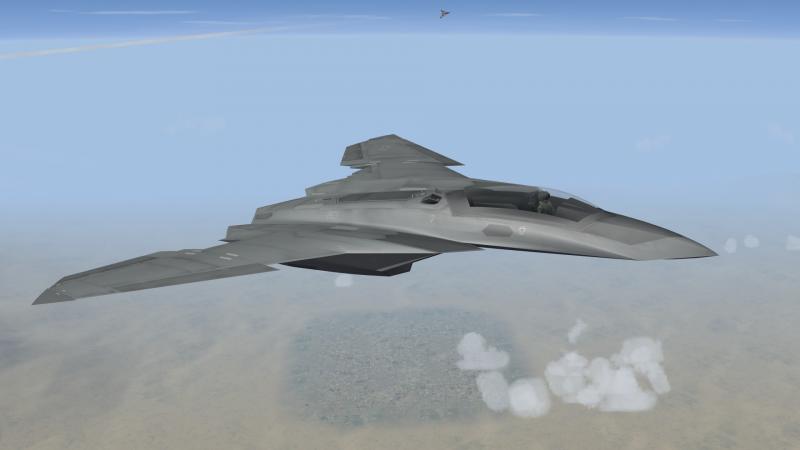
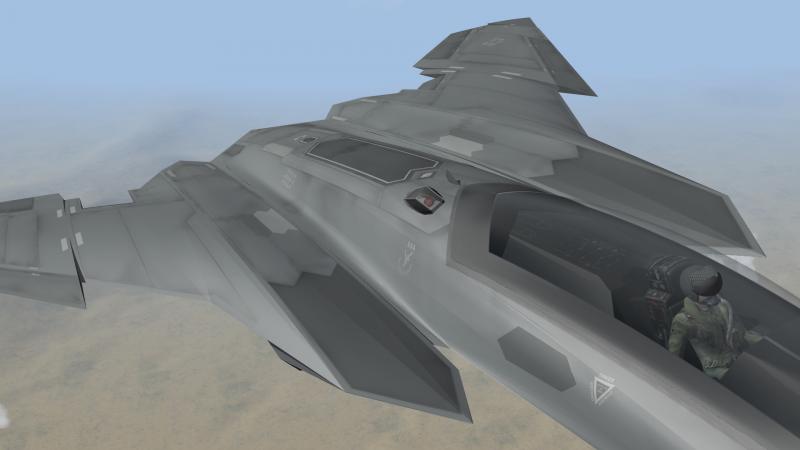
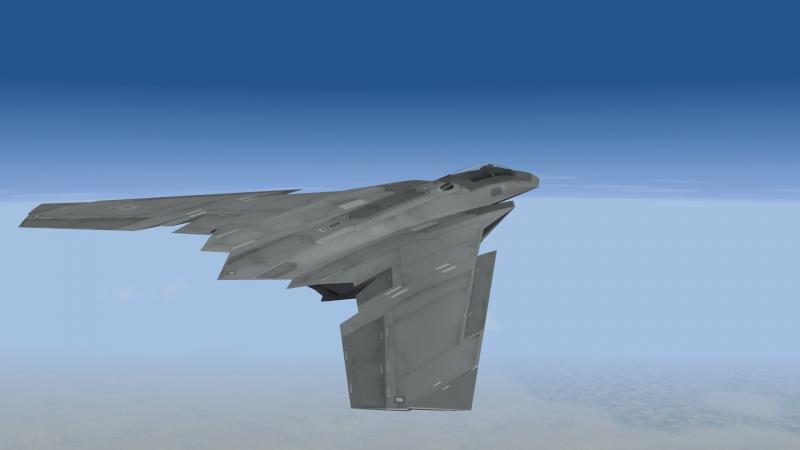
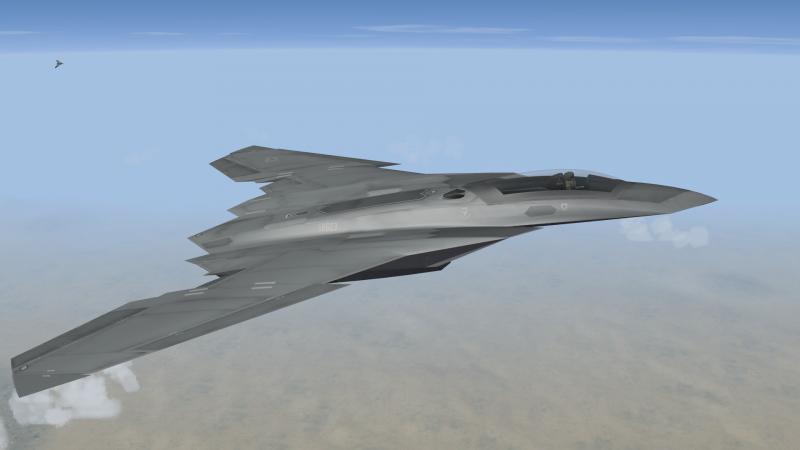
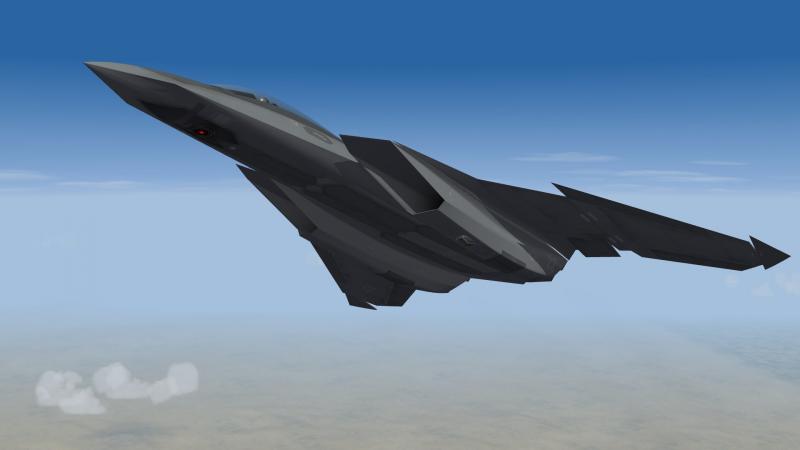
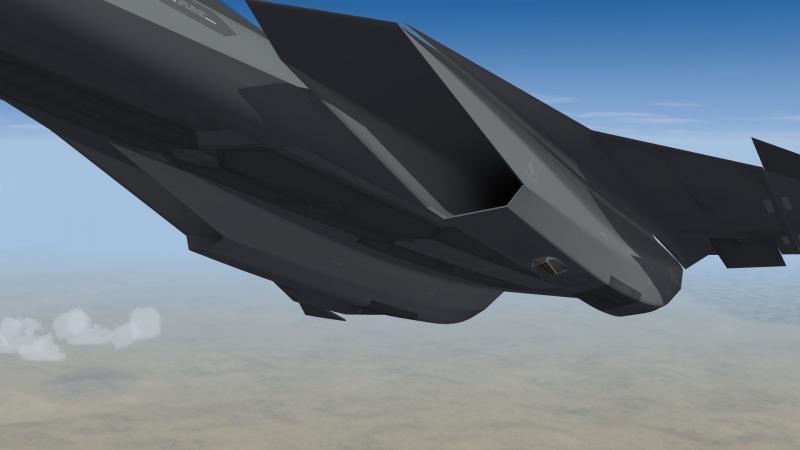
AN/SEQ-36 Solid State Laser Weapon System Turret heads. One covering the top of the aircraft and another the bottom. At low power it can designate targets (which works), at medium power it can be used defensively to destroy incoming missiles (not modeled in SF2) and at full power it can be used offensively to destroy air (this works!) and ground targets (this does but only by the played firing forward). When used by the aircrafts artificial intelligence and defensive systems it can engage immediate threats autonomously (this also works but only against enemy aircraft): Cockpit/ Avionics WIP: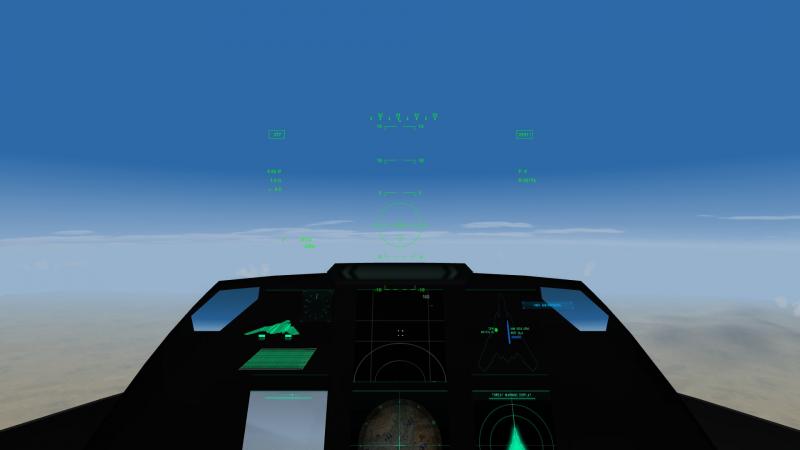
-
fake pilot or weapon FLIR turret?
dtmdragon replied to dtmdragon's topic in Mods & Skinning Discussion
Thanks mate -
Hay guys, Can anyone think of a download here with a fake pilot or weapon FLIR turret? I just want a turret to add to an existing aircraft. Cheers, Dan
-
F-142A USAF 6th Generation Fighter WIP
dtmdragon replied to dtmdragon's topic in Sci-Fi/Anime/What If Forum
Woops! Lmao! Mustang II it is -
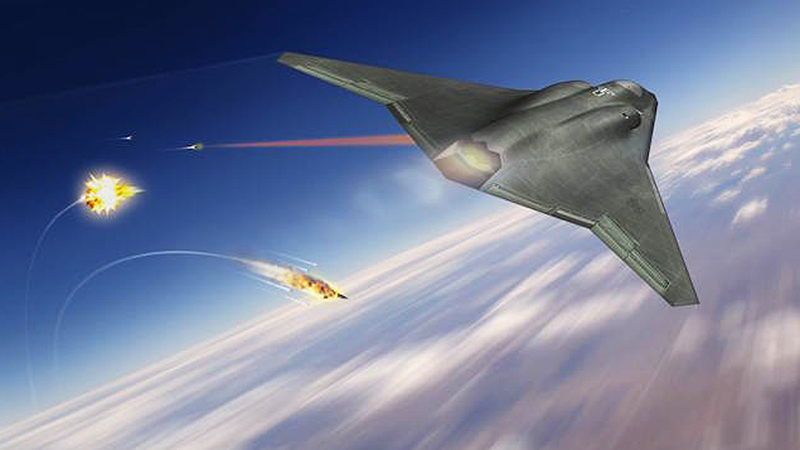
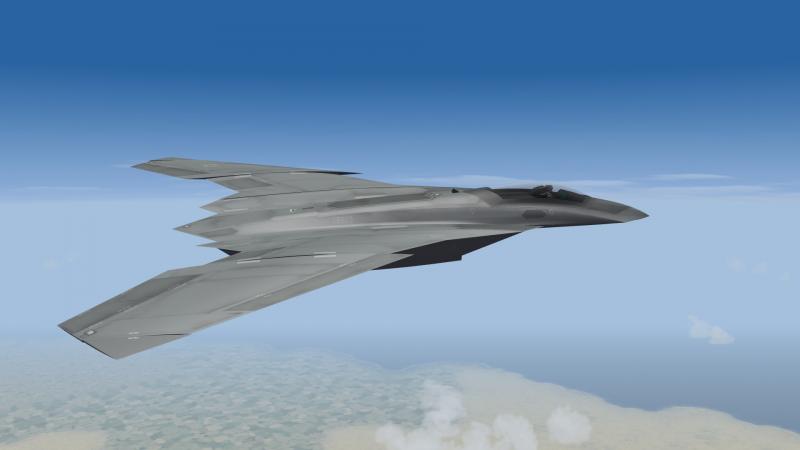
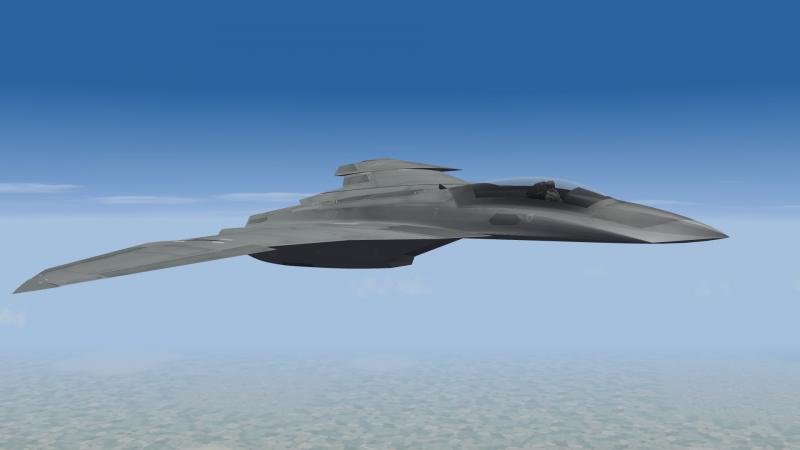
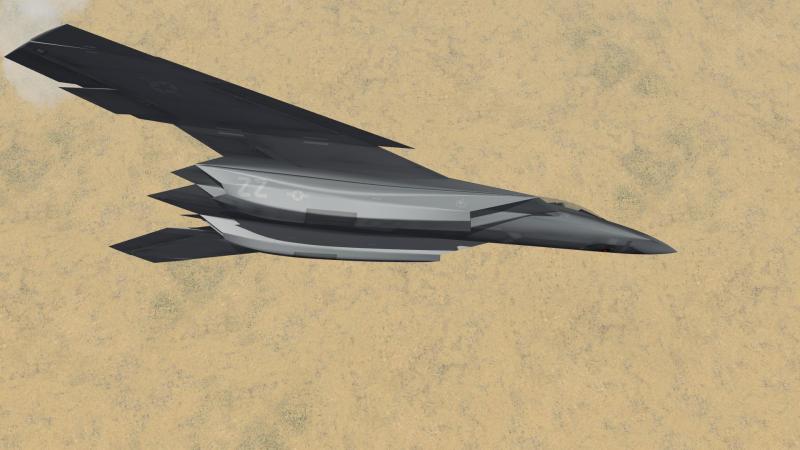
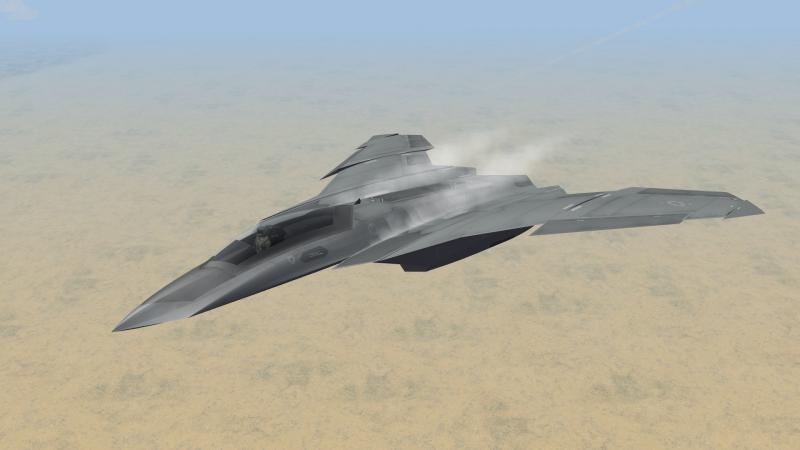
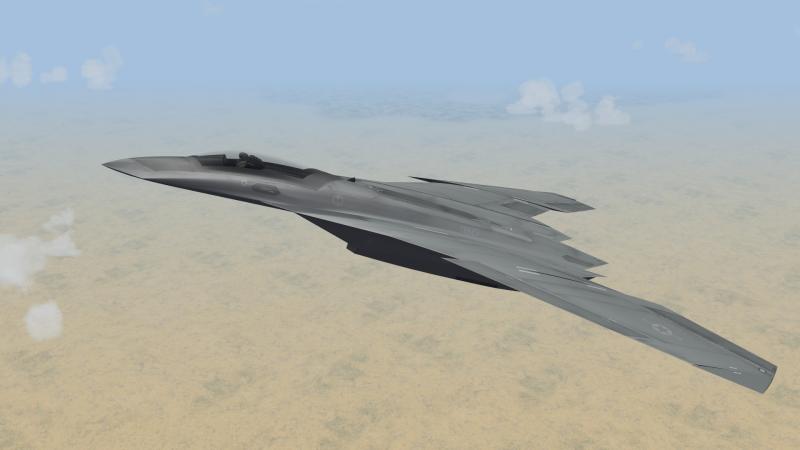
F-142A USAF 6th Generation Fighter WIP End product of the USAF F-X program is the worlds first 6th Generation Fighter the F-142A Thunderbolt II introduced in 2031. Features that define a 6th Generation Fighter above and beyond a 5th Gen fighter are: - Extremely low levels of observablity in all spectrum's (radar, IR, acoustic etc). - Artificial Intelligence to aid pilot decisions. - Adaptive Versatile Engine Technology. - Advanced electronic and cyber attack capability. - Directed Energy Weapons (eg lasers) to destroy incoming missiles; and high-power to offensively engage enemy aircraft and ground targets. - Large internal magazines for very long range kinetic weapons. Working whiten the limits of the SF2 engine I have managed to make a functioning Directed Energy Weapon. The AN/SEQ-36 Laser Weapon System. It can be fired straight ahead like a fixed gun but the most realistic way it operates is as two gun turrets controlled by the aircraft's AI, one on top and one below the aircraft. So when you are in a twisting gunfight trying to bring your played controlled weapon to bear the AI gun turrets will blast other fighters from the sky around you. Unfortunately they wont take out incoming missiles like it would in real life. Northrop Grumman's F-X idea: http://foxtrotalpha.jalopnik.com/this-is-northrop-grummans-idea-of-a-sixth-generation-fi-1747680825 You can check out the US Navy's operational! AN/SEQ-3 Laser Weapon System below:
-
F-4E(F) single seat Phantom detailed info?
dtmdragon replied to dtmdragon's topic in General Discussion
Thanks mate -
F-4E(F) single seat Phantom detailed info?
dtmdragon replied to dtmdragon's topic in General Discussion
Could you post or PM me a picture please mate? -
Does anyone have any detailed info on the specific modifications to the F-4E that would have been done to make the German AF F-4E(F) had they stuck to the original order? As we already know it would have weighed less and had the 2nd crew member removed but how exactly would it have been done? Would the rear canopy have had a fairing built over it or simply had the ejection seat and controls removed? How much less would it have weighed etc?
-
Amazing job!
-
No. 75 Squadron (NZ) 8th TFW USAF Vietnam 1967-72
dtmdragon replied to dtmdragon's topic in Sci-Fi/Anime/What If Forum
Cheers, I even have what if Rolling Thunder and Linebacker campaigns in my Vietnam air and ground war expansion install for it.