

Dave
-
Posts
23,823 -
Joined
-
Last visited
-
Days Won
99
Content Type
Profiles
Forums
Gallery
Downloads
Store
Everything posted by Dave
-
Read this the other day. He did a good thing. May he rest in peace.
-
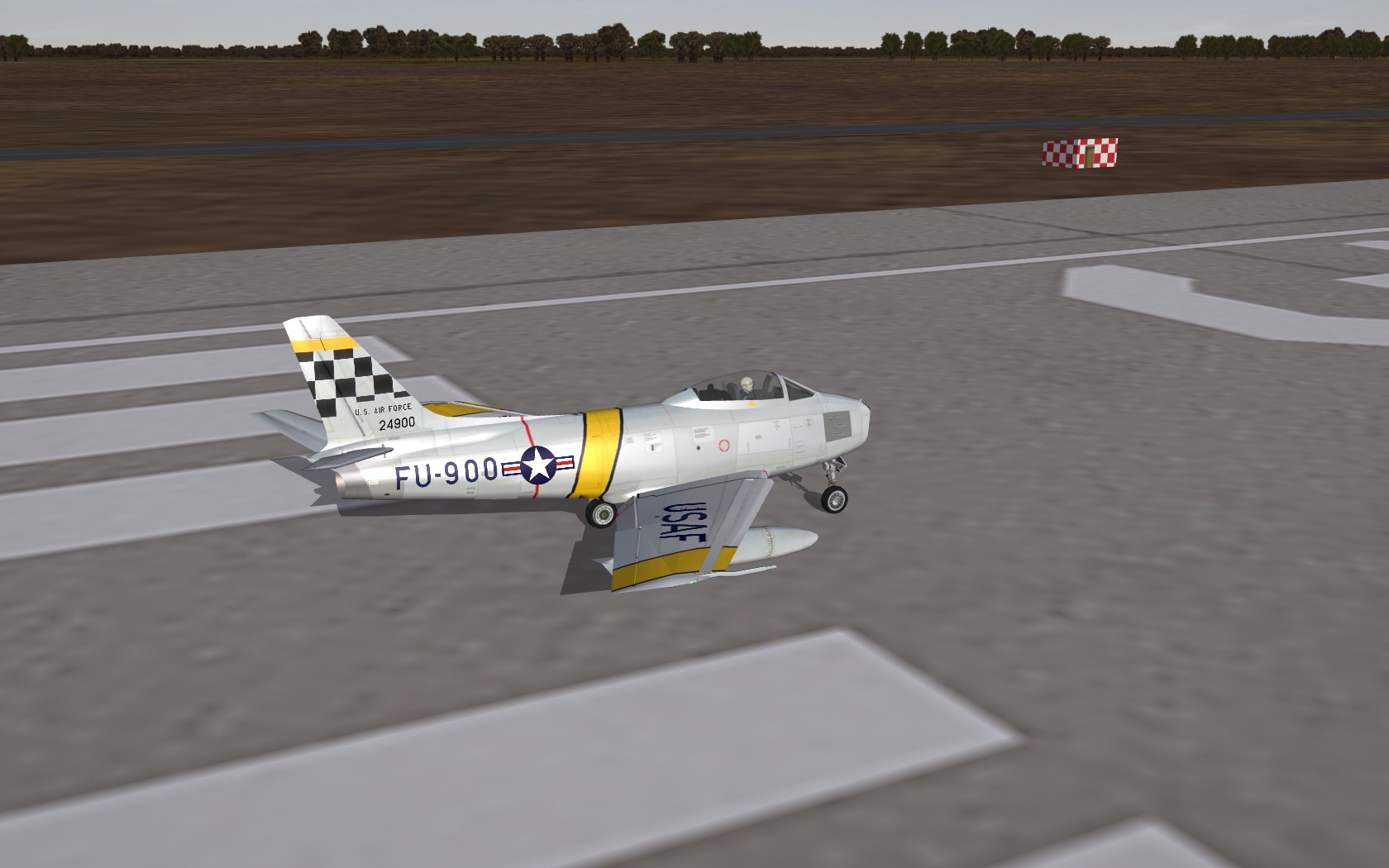
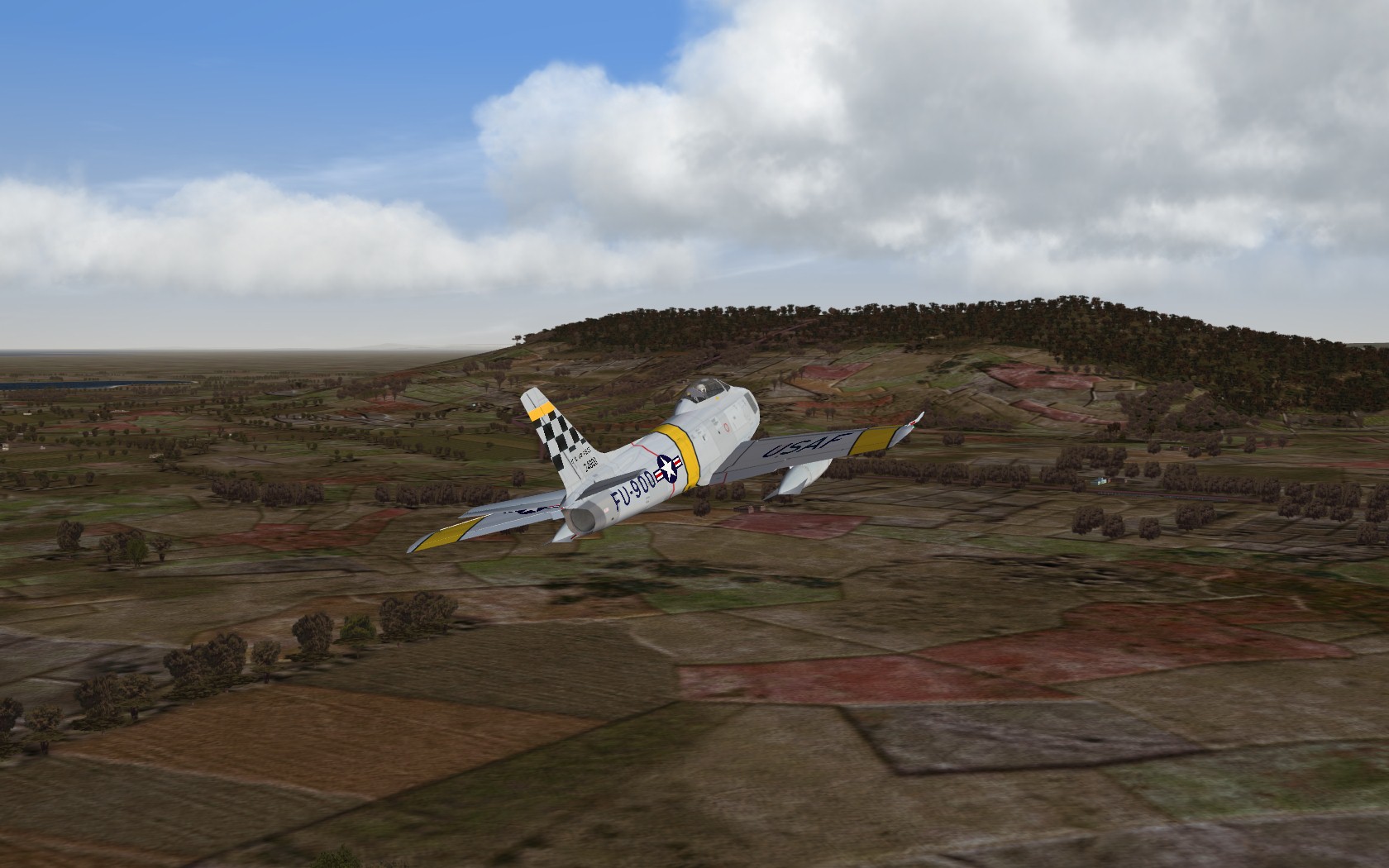
Dodge 01 Airborne....

-
Looking for the A-4B aircraft data.ini file
Dave replied to VA27Badger's topic in General Discussion
Try this A-4B_DATA.7z -
Did you install every part of the mod? Theyre a quite a few.
-
My good friends have an awesome day!
-
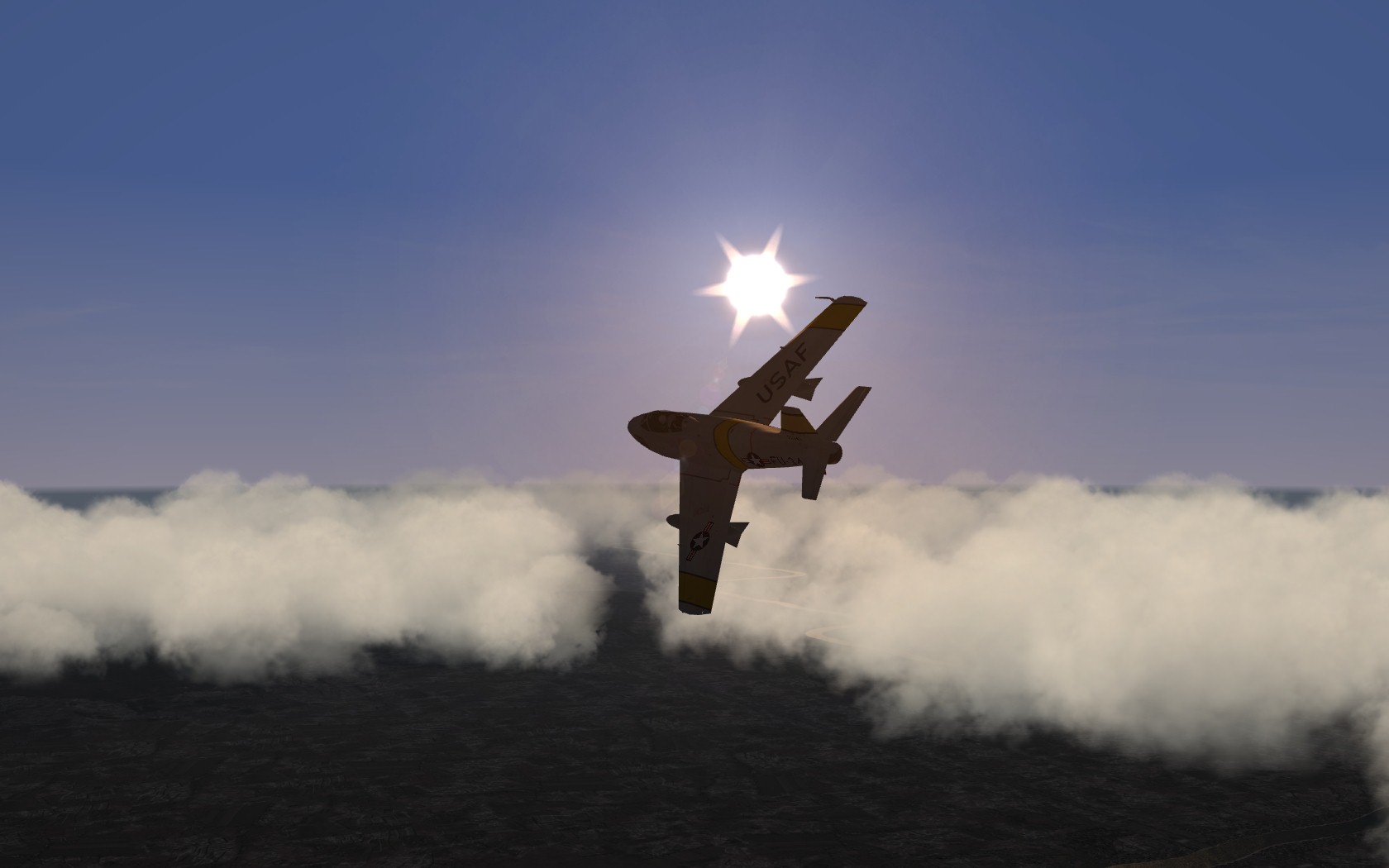
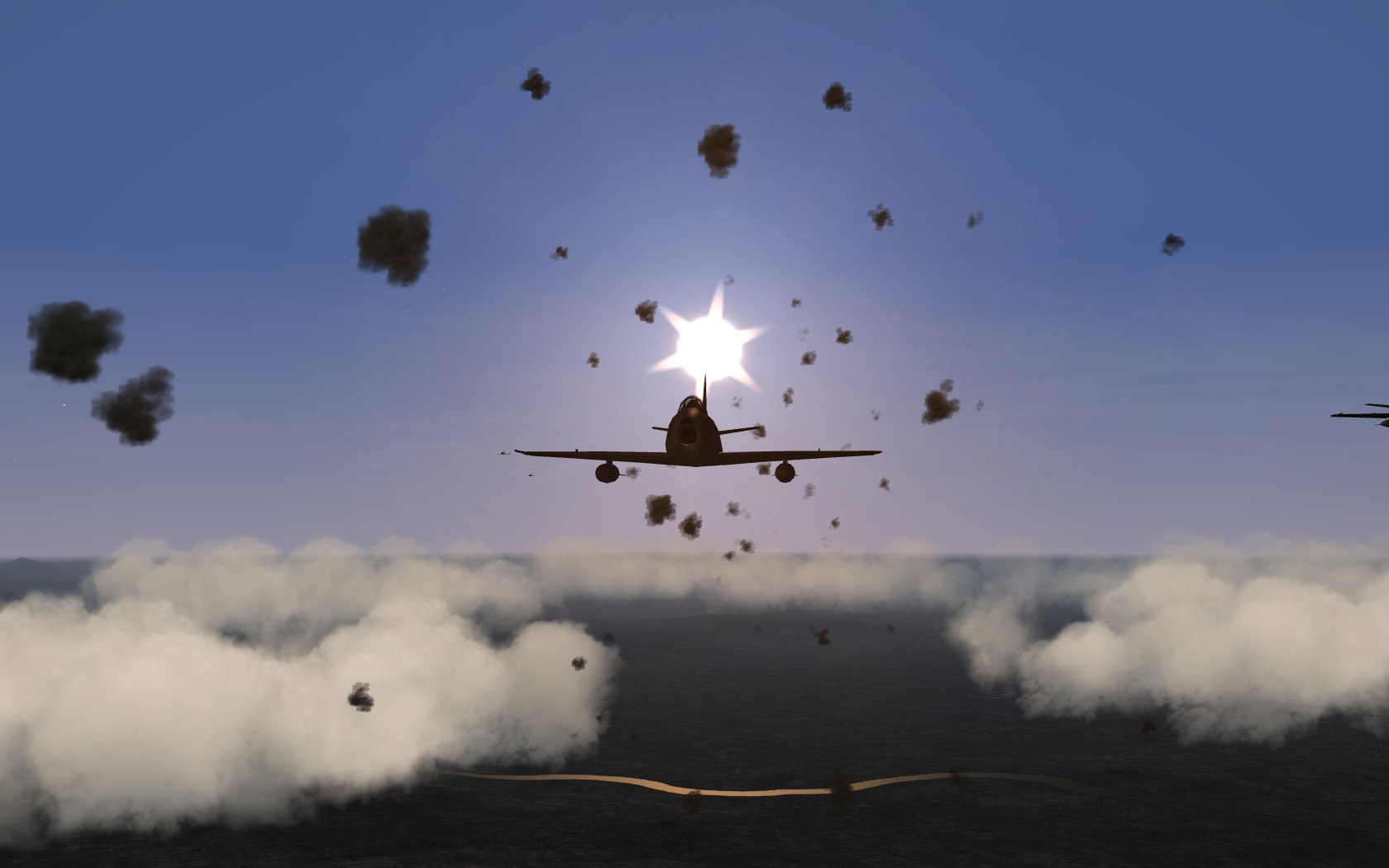
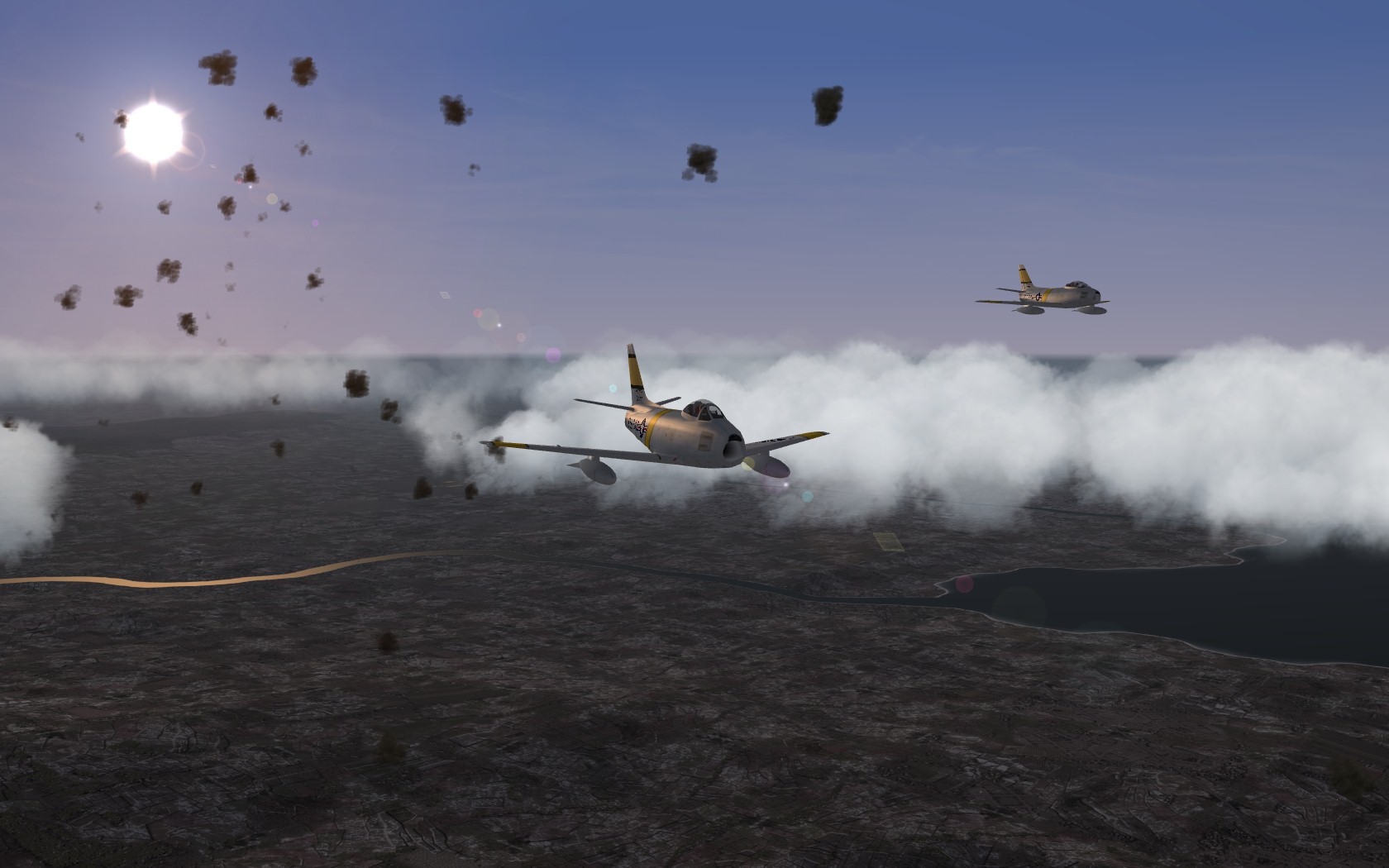
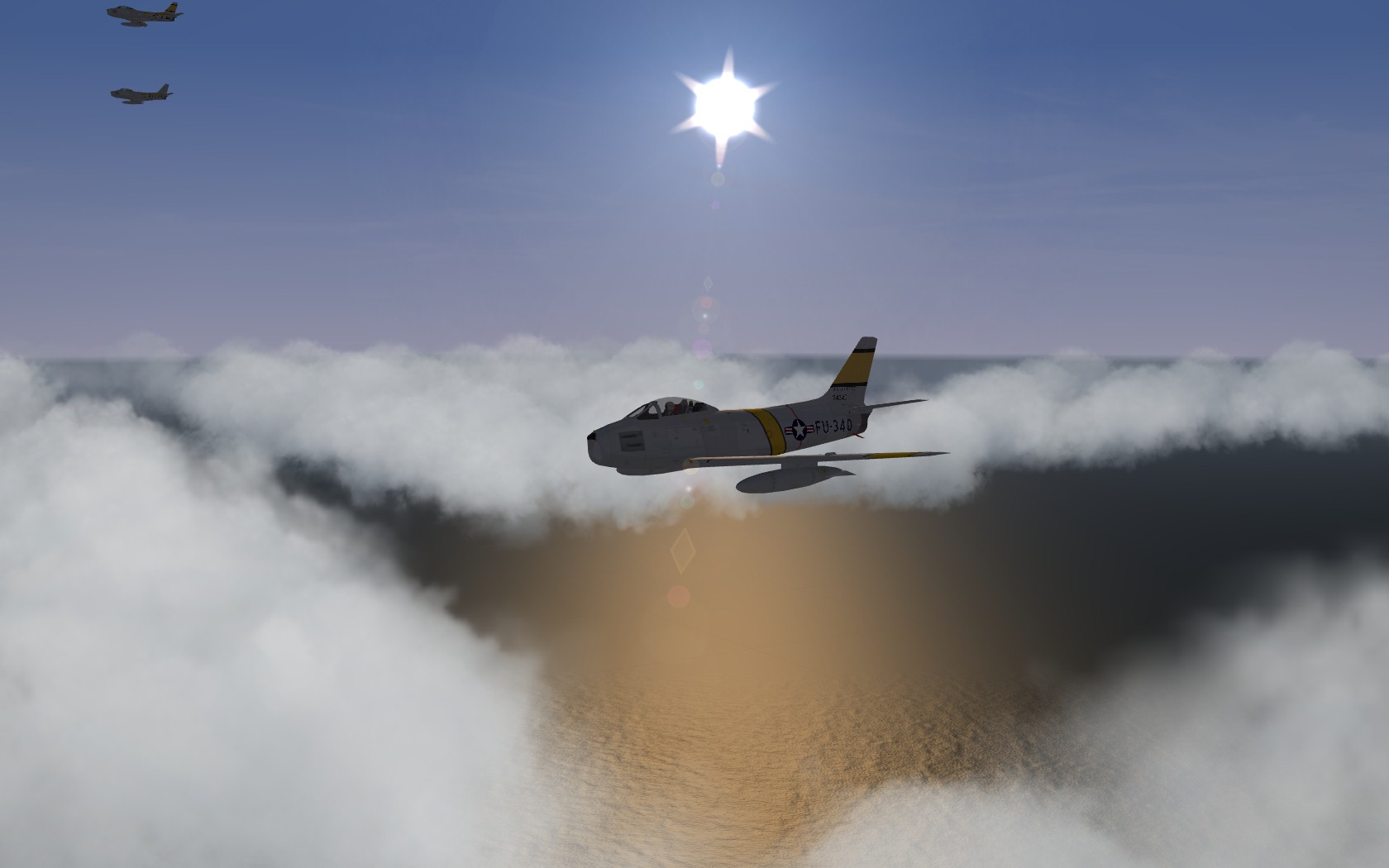
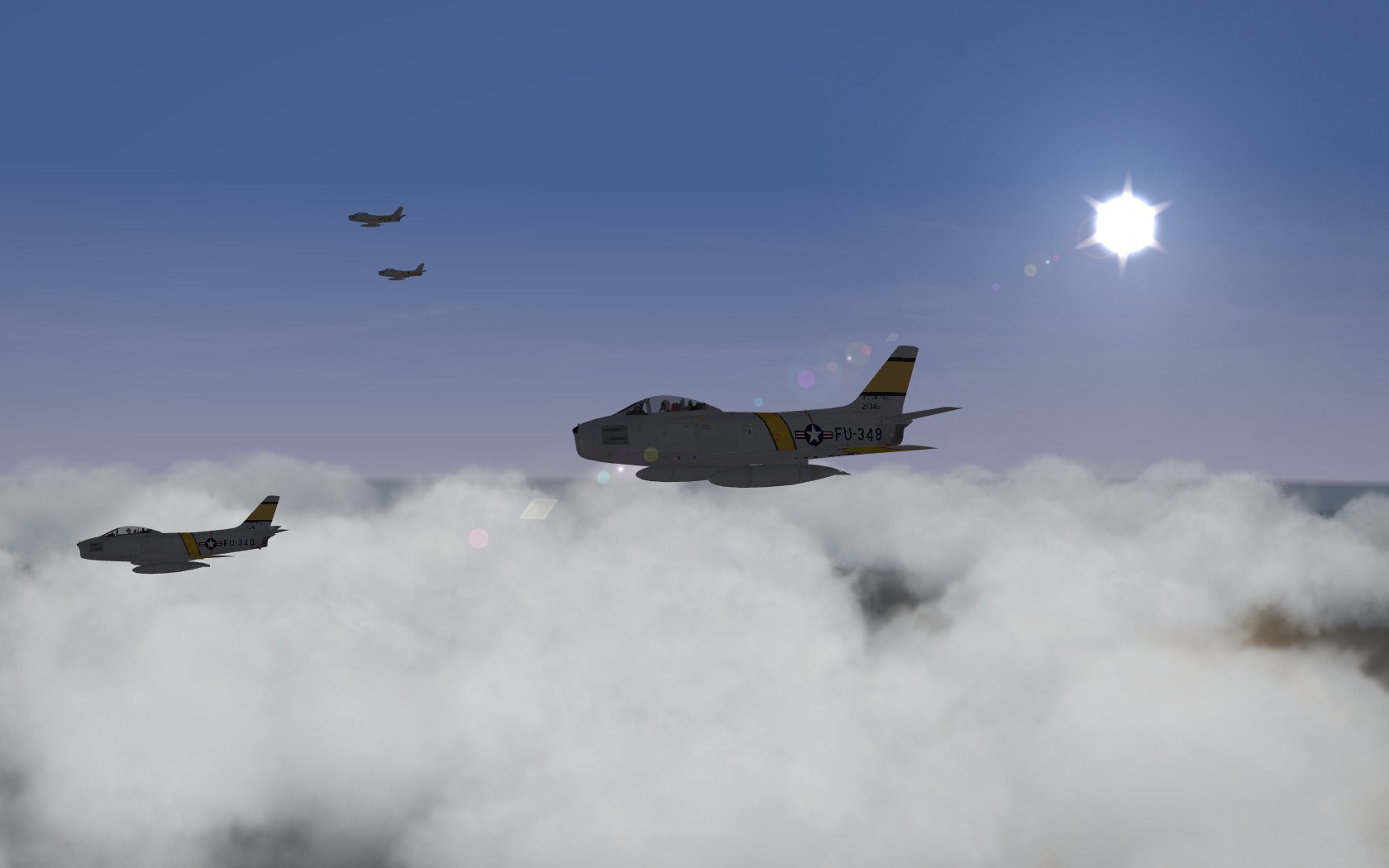
GUNVAL cutting its teeth.....
-
It does recognize them. I have never had a problem with that ever.
-
Why are you editing it there? You can change ACE Pilots name in the sim.
-
Piecemeal Paul wouldnt mine. Also skins are the only thing you do not need to seek permission for. They are fair game as long as you credit the original skinner in the readme.
-
Yes in the beginning of this thread there is a fix. It only works on missions you make and save though.
-
Well I am still getting it together but this will be minus the effects. I just dont have the time. So if you have an effects already installed or just grab gunny weps and grab the effects out of that.
-
I dont see anything....
-
North American F-100 Super Sabre revisited
Dave replied to hgbn's topic in Mods & Skinning Discussion
Thanks my friend. -
North American F-100 Super Sabre revisited
Dave replied to hgbn's topic in Mods & Skinning Discussion
Henrik You see the links to the skins I posted? The Airliners.net ones? -
North American F-100 Super Sabre revisited
Dave replied to hgbn's topic in Mods & Skinning Discussion
Holy s**t, Henrik! -
The Case of the Contraband Corned Beef Sandwich
Dave posted a topic in Military and General Aviation
http://news.discovery.com/space/the-case-of-the-contraband-corned-beef-sandwich.html -
RIP sir.
-
I like nukes.......oh...sorry wrong meeting......
-
Well the smoke rockets and everything is cool, I just like blowing stuff up more. I can not even imagine the hair pulling Gunny did to get all those things to work. Now here is where I kept all the smoke rockets, and inert bombs and practive bombs. I made the a Range install. So when I need to go practice I use the practice stuff, training stuff, makring rockets. Now that comes is really handy and those weapons dont go to waste.
-
Well here is what I have been doing with my weapons packs. I have cut out every smoke rocket, inert bomb, gas bomb, flash bomb, training missile, travel pod, If it doesn't kill or is needed for self protection, or night recon, I took it out. Its a combination of ALL the weps packs through the years. TMF, Buny's, wpnssgt, Gunny super pack, even lindr's awesome Soviet bomb pack. is there any interest OR is just another confusing weapons pack to install? It doesnt add anything new just cuts down on stuff some might not want or need. Also need to ask lindr if he minds if I add some of his tuff too. Thoughts?
-
Great info Otto. I guess I will be doing some editing tonight on some missiles. Which AIM-7's should have that checked as well?
-
RIP Major WInters.
-
North American F-100 Super Sabre revisited
Dave replied to hgbn's topic in Mods & Skinning Discussion
http://www.airliners.net/photo/USA---Air/North-American-F-100C/1557183/L/ http://www.airliners.net/photo/Flight-Systems/North-American-F-100F/1722841/L/ -
In 1971, the USAF and U.S. Navy agreed to jointly develop the AIM-9L, a vastly improved Sidewinder based on the AIM-9H. Major development goals were ALASCA (All-Aspect Capability) and effective use against violently manoeuvering and high-speed targets at all ranges. The AIM-9L had new long-span pointed double-delta canards, a modified MK 36 solid-fuel rocket motor (MODs 8 through 11), and a new AN/DSQ-29 solid-state guidance and control section. Additional improvements include a completely new Argon-cooled Indium Antimonide (InSb) seeker, a DSU-15/B AOTD (Active Optical Target Detector) laser proximity fuze, and an improved 9.4 kg (20.8 lb) WDU-17/B annular blast-fragmentation warhead. All AIM-9L features resulted in a vastly improved missile which could acquire targets at all aspects, and had a much improved tracking, manoeuvering, terminal homing, and killing performance. Production started in 1978, and more than 16000 AIM-9Ls have been built by Philco-Ford, Raytheon, BGT (Germany), and Mitsubishi (Japan). The AIM-9L was used very successfully by the Royal Navy in the Falklands War during 1982. http://www.designation-systems.net/dusrm/m-9.html
-
Yes Falls it was taken that way. I took it that way and so did others. All Eric did was update the mod to SF2 standards. It was Kesselbruts creation and I do not recall him having these kind of problems. My entire point is be helpful and dont kill the messenger.