VonS
-
Posts
1,026 -
Joined
-
Last visited
-
Days Won
2
Content Type
Profiles
Forums
Gallery
Downloads
Store
Everything posted by VonS
-
Hello fellow FE/FE2 flyers, here are the latest Mac-related updates. WineSkin is still the simplest choice up to ver. 10.14 of MacOS to run FE2 on your Mac side...ave. fps are between 50 and 80 at medium graphics settings and a resolution of 1600 x 900 on my rig (Mac Pro 2013). Also good is that FE2 now runs fine in Win10 on the BootCamp side of the Mac....the trick, as posted in another thread earlier by gTerl and others, is to include the dx9 driver directly in your FE2 game (not user directory) folder. I'm getting good results with the generic dx9 driver included with the enb-series v. 0.076 package, located at the following link: http://enbdev.com/mod_generic_v0076.htm The only thing you need from that file is the dx9 driver. Ave. fps range from about 60 to 150 on the Win10 side of the Mac Pro with that driver in the FE2 folder...my previous tests with the dx10 and dx11 drivers installed, and advanced shaders set to "1" (on) and dx9 set to "false," in the options.ini file, have been filed away...yes fps gets into the 200 to 300 range but the sky and clouds look less subtle, peripheral/horizon fog flickers on occasion, and the classic, thin line water droplets disappear from the inclement effects. Also nicer I think are the landscapes with the older driver - more atmospheric. Aircraft and pilot shadows may of course be set to on if you are running a discrete graphics card or two (not recommended on Intel integrated vid. cards). Occasional crashes were also experienced with the dx10 and 11 driver installed - no such problems with dx9. Recommended in the options.ini file is to set advanced shaders to off (0), to set dx9 to "true," and vsync off to "true." Also recommended are the following settings in the AMD control panel in BootCamp, basically the same ones that work well for WOFFue: - anti-aliasing mode (override application settings) - anti-aliasing level (4xEQ) - anti-aliasing filter (Edge Detect) - anti-aliasing method (Adaptive multisampling) - morphological filtering (off) - anisotropic filtering mode (override application settings) - anisotropic filtering level (8x) - texture filtering quality (high) - surface format optimization (off) - wait for vertical refresh (off, unless application specifies) - opengl triple buffering (off) - shader cache (on) - tessellation mode (override application settings) - maximum tessellation level (16x) - AMD crossfire mode (optimize 1x1) - frame pacing (on) The great thing about Win10 in BootCamp is that all of the in-game settings can be run at high/ultimate with no problems...the only recommendation, if you like shadows enabled, is to set them no higher than "medium," to avoid any possible shadow flickering (although with dx9 instead of dx10 enabled, there shouldn't be any flickering visible...). Happy flying, Von S
-
Finally successful with tweaks to get FE2 running in BootCamp on the Mac with no stuttering...will post relevant directions later under the relevant Mac thread once I tinker some more with this...all settings at high/unlimited, and the d3d10_43 dll dropped into the FE2 main (not user) folder...with advanced shaders on in the options.ini file....currently I'm incorporating shader (fx) calls into the relevant effects, particle, and environsys files, also have to turn shadows on in all the relevant inis...lots of work. FPS are between 200 and 300. Von S
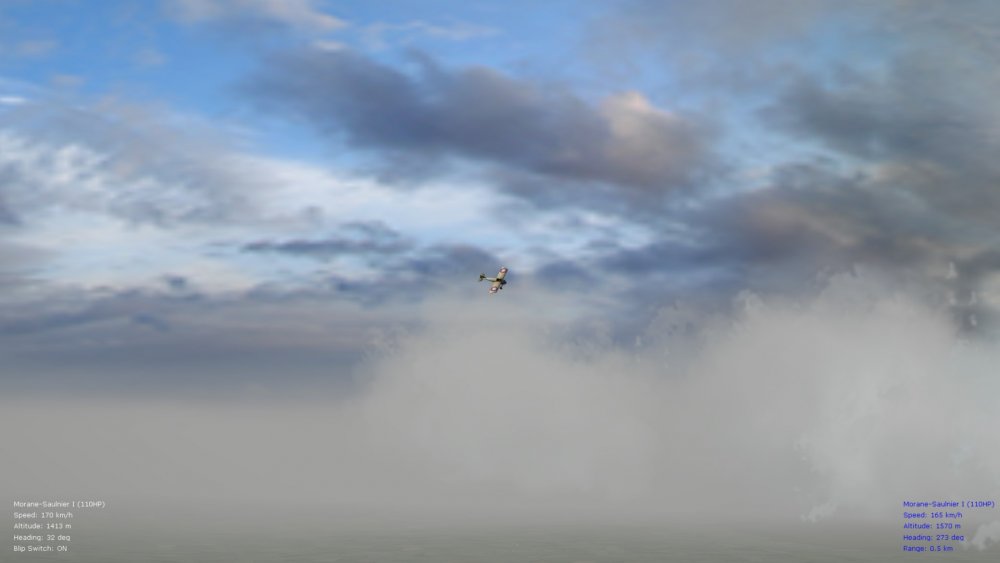
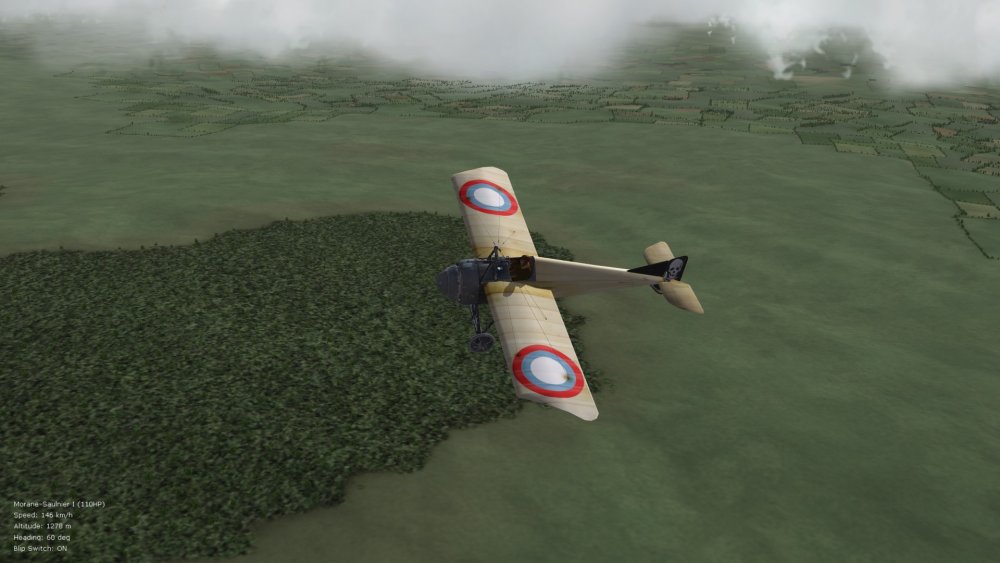
-
Most addons for FE1/FEgold work fine in FE2, with minor tweaks to decals files, etc. Getting FE2 addons to work in FE1/FEgold may require a bit more work. Crawford has found a way to run several FE2 aircraft in FE1...I believe the relevant post is located under the "new aircraft" thread but I'm sure someone will pitch in with more detailed info. if necessary. Happy holidays, Von S
-
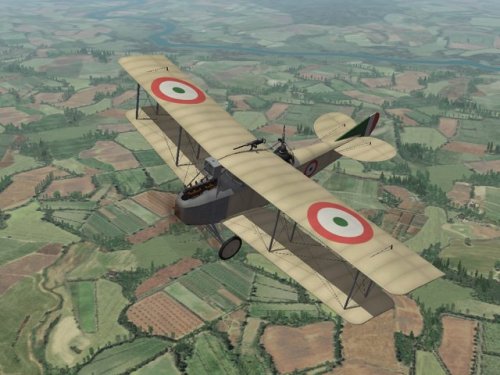 What a wonderful surprise! - will work great with gTerl's Caporetto terrain. I look forward to tweaking the FM for this one, and I have a sound file tweaked already that should work well for the high-hp Fiat engine. Thank you for this lovely model Stephen. Von S
 -
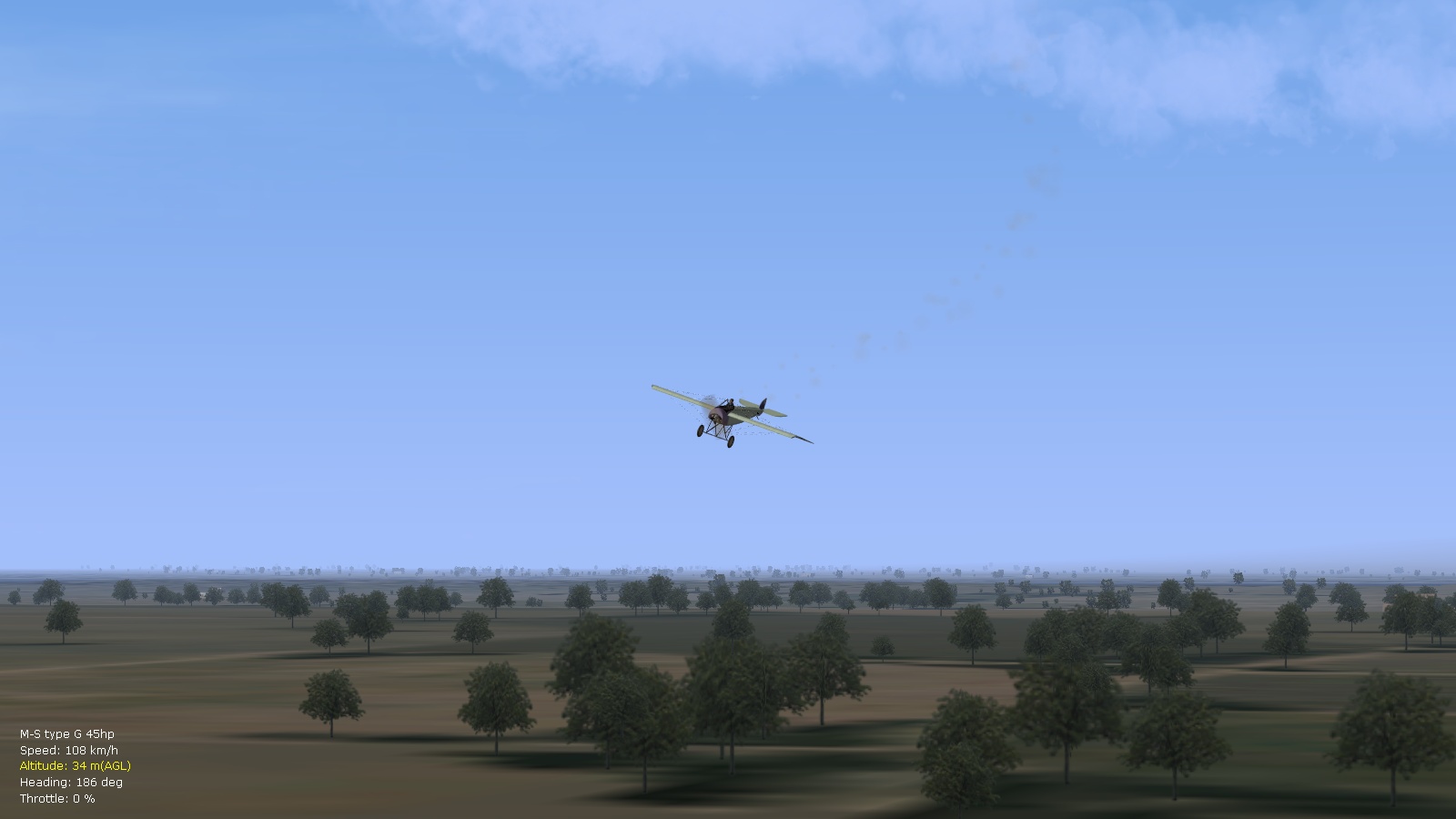
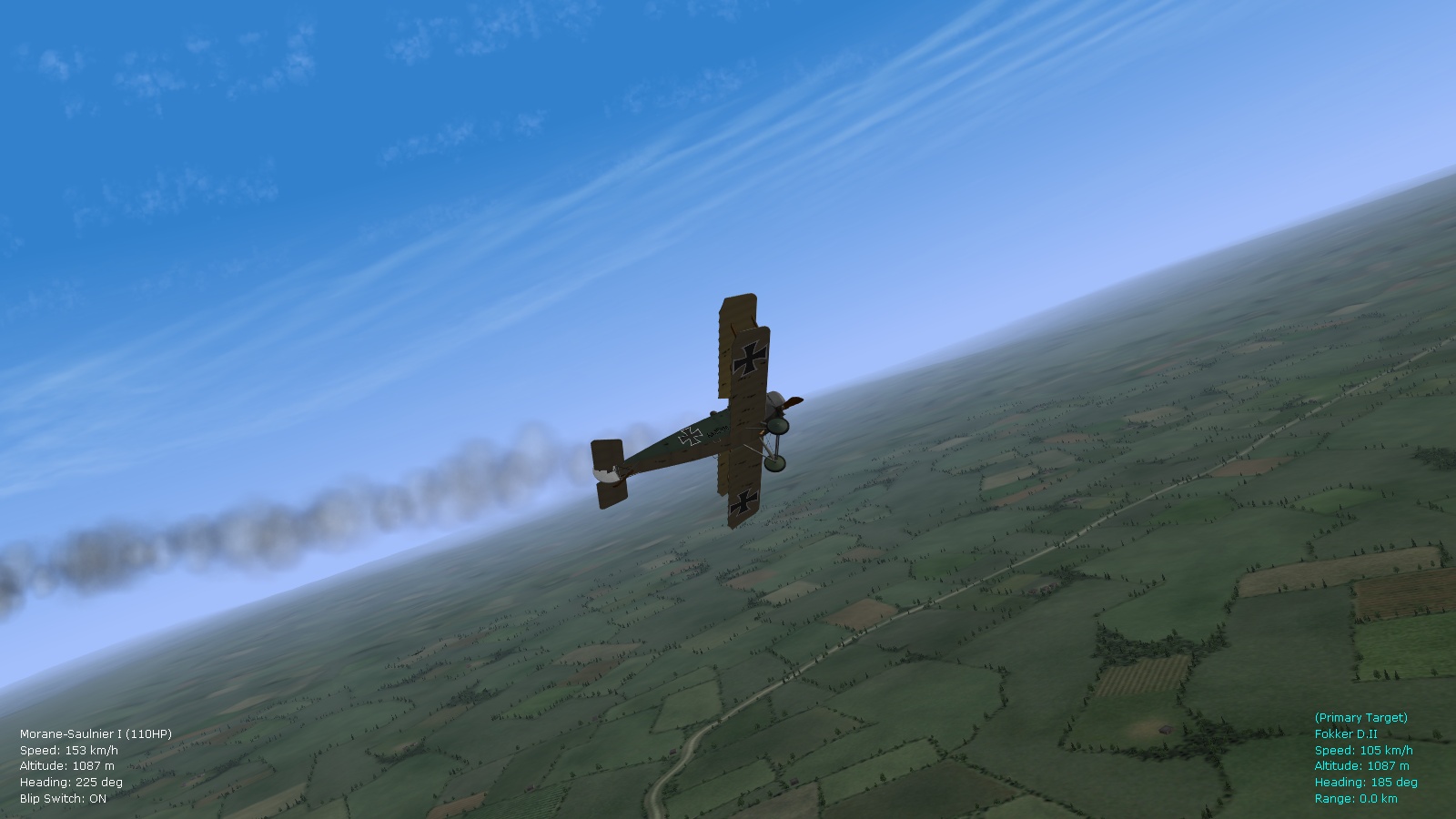
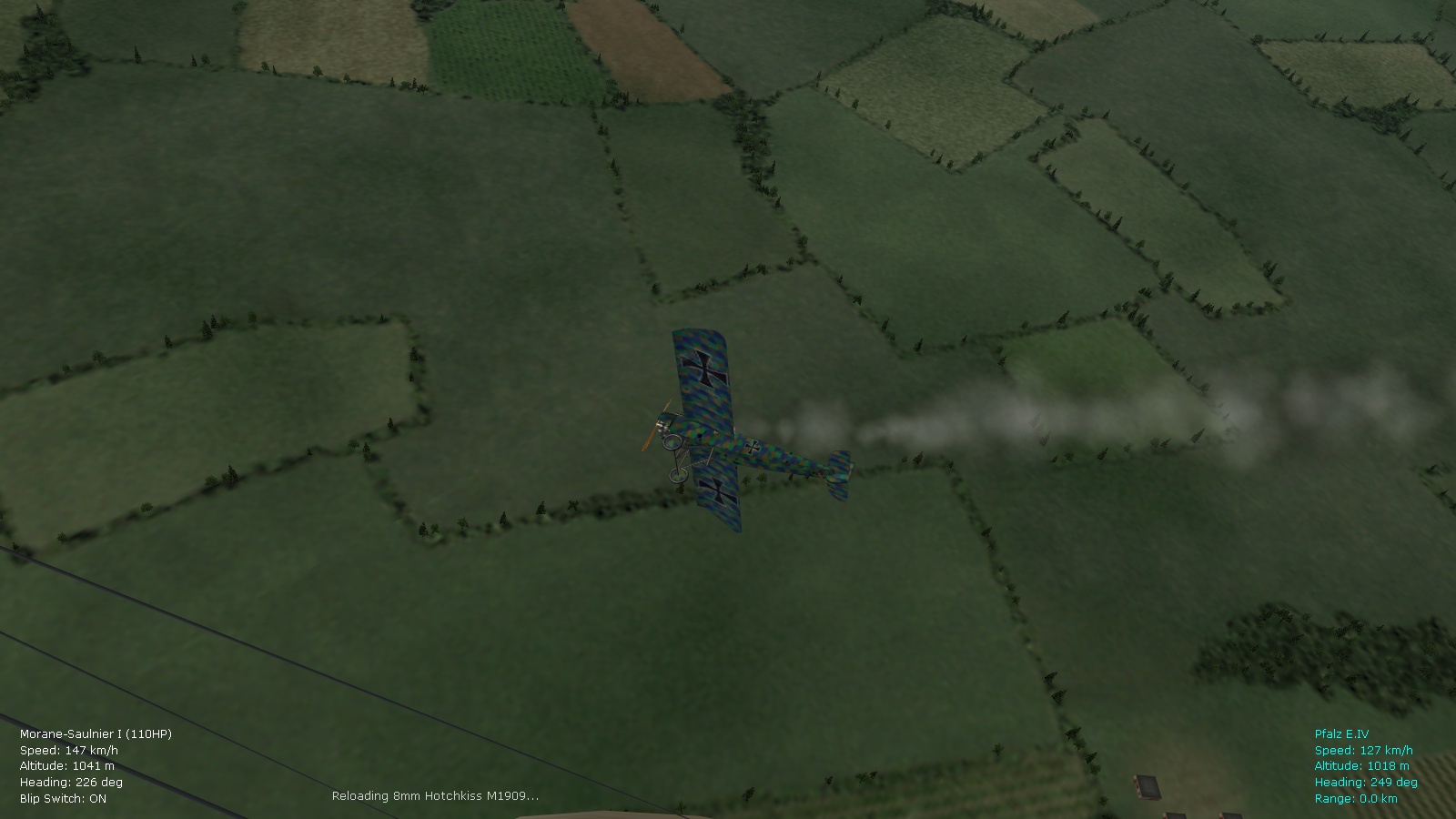
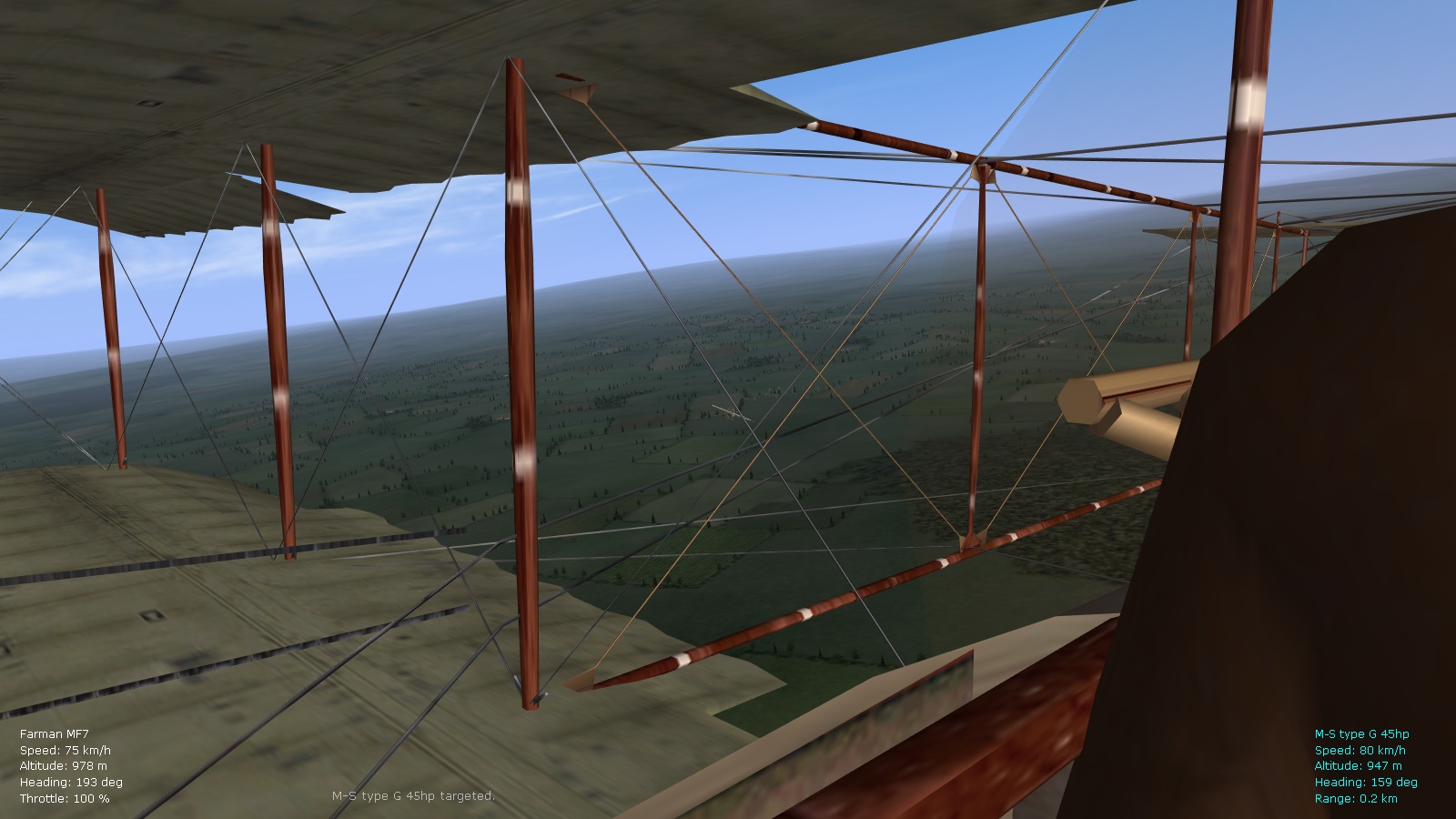
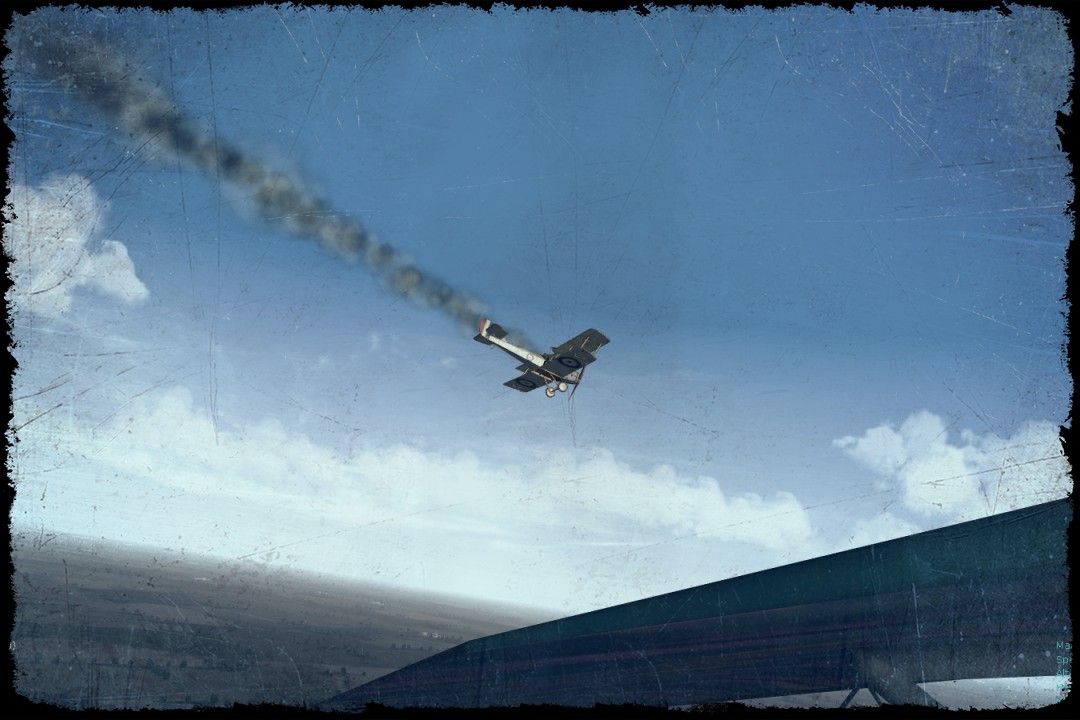
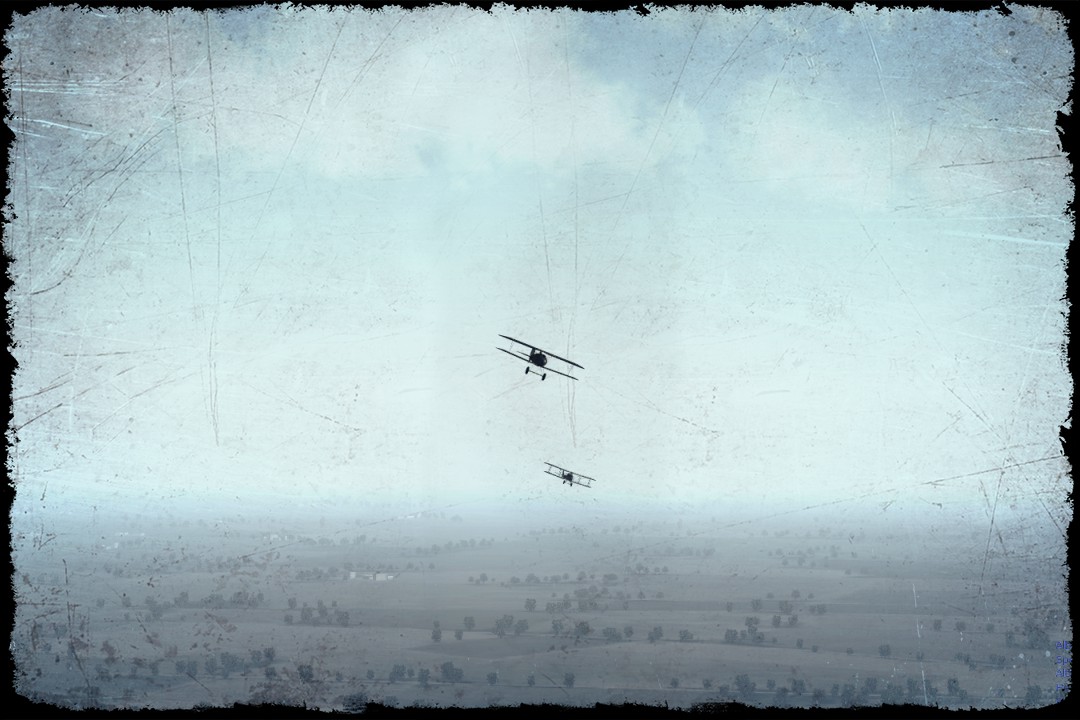
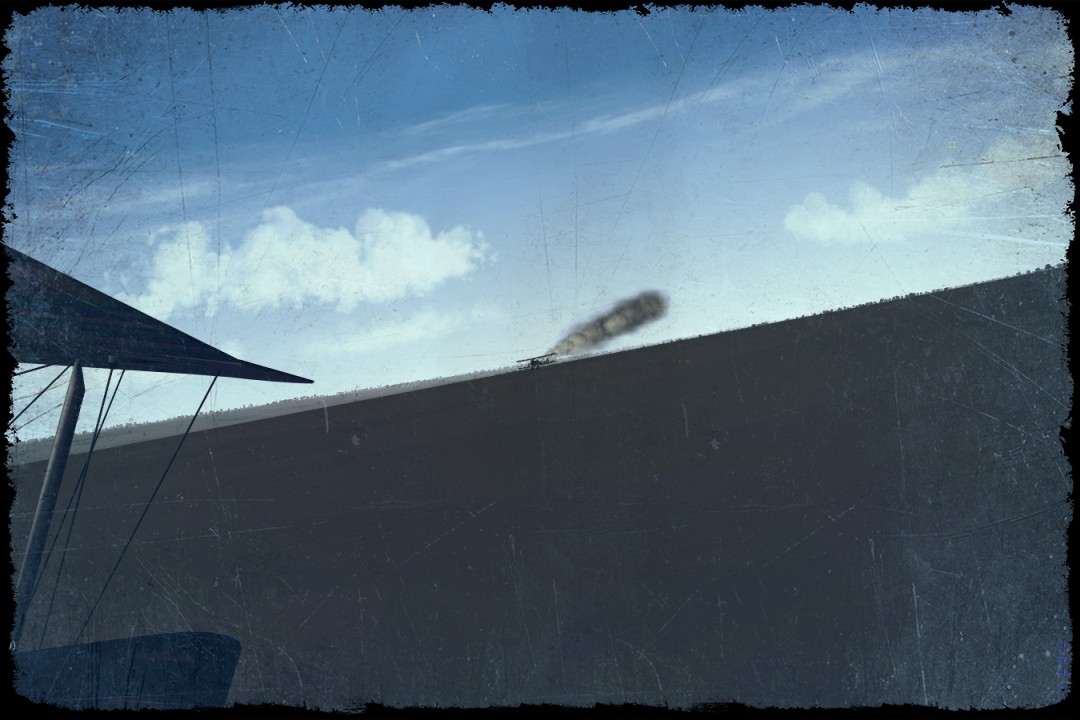
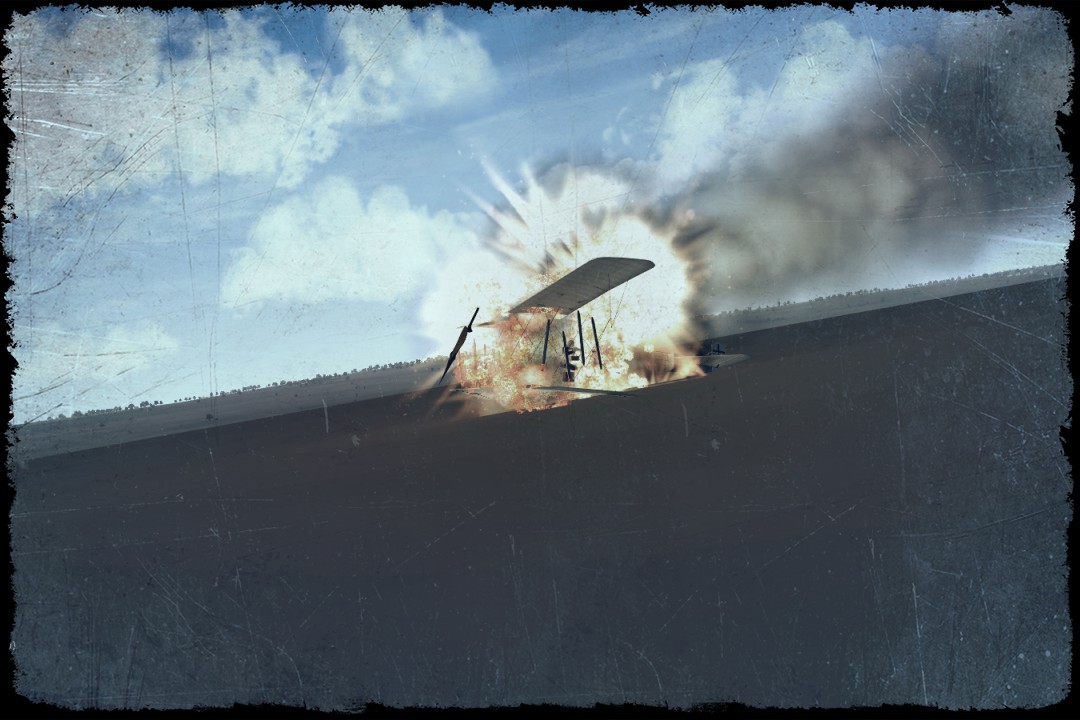
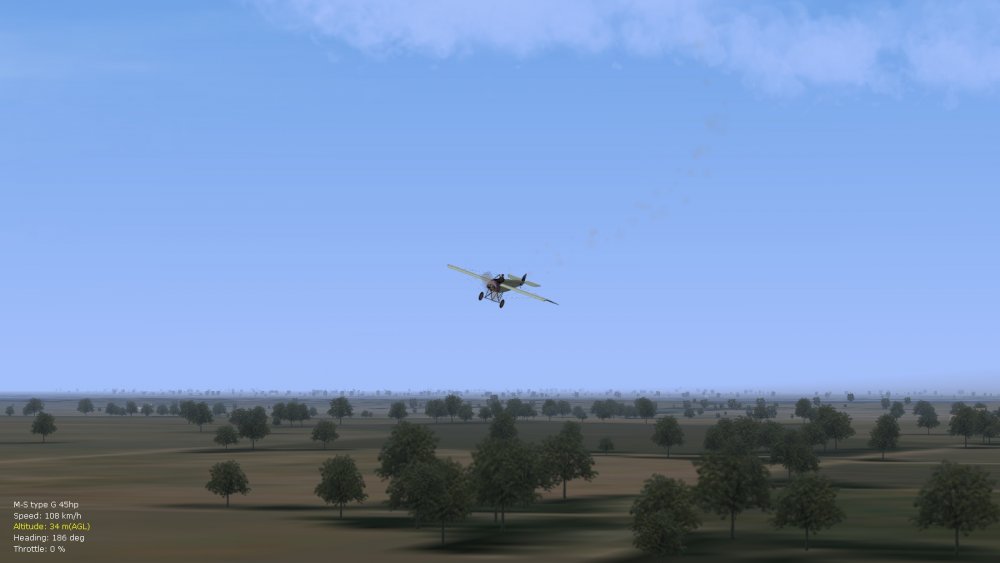
Attrition rates are wonderfully modeled in FE2 - noticed this when flying in 1918 for the Germans in the Ottoman theater...it became more and more difficult to survive, let alone to get hits. FE2 is full of surprises that I still discover on occasion. Obligatory screenie below from an early-war scenario. Happy holidays all, Von S
-
I've heard good thoughts about the Intel NUC SkullCanyon series...the top end ones with discrete graphics (probably would have gone with one of those if I wasn't a Mac person and decided on the MacPro instead). Top end NUCs are around 1500 USD, give or take a couple of hundred $ depending on configuration. The SkullCanyon series comes with no OS and RAM/HD I think...but you can build to taste on Amazon or shop around for different components for it. Link: https://www.amazon.com/dp/B07G3GKYMB/ Happy holidays, Von S P.S. For Win10, go with Pro instead of Home edition and you can meter/control OS updates more effectively - less updates, less hassle.
-
Further update to this Mac-related thread: FE2 and RB3D work fine in WineSkin on MacOS Mojave (10.14) - for FE2, the same recommended install procedure posted under the relevant WineSkin thread (under the stickies section) works fine, using the Wine8 ver. 1.5.1 engine, the best engine to use for FE2 since decent frame rates can be attained on it. Have also tested FE2 in Win10 under BootCamp on my MacPro and it bogs down at around 10 fps with the AMD FirePro D700 cards - but runs beautifully in WineSkin on the MacOS side. I included the higher quality mesh-size flightengine.ini file and frame rates still run around 50-60 fps, about 80-120 fps with the lower quality flightengine.ini file. If running FE2 on integrated Intel video cards - the lower quality flightengine.ini file is recommended. Have kept most settings in the FE2 game menu at medium since there wasn't much difference between medium and high, while fps suffer at high settings. Will do some further testing with FE2 on the BootCamp side to see if frame rates improve by running it in Win7 compatibility mode - otherwise WineSkin is still recommended for running FE2 on a Mac, in OS versions ranging from Snow Leopard (10.6) to Mojave (10.14). System 10.12 (Sierra) and above require however that you disable "system integrity protection" in the terminal window, or games in WineSkin won't load. Happy flying and happy holidays, Von S
-
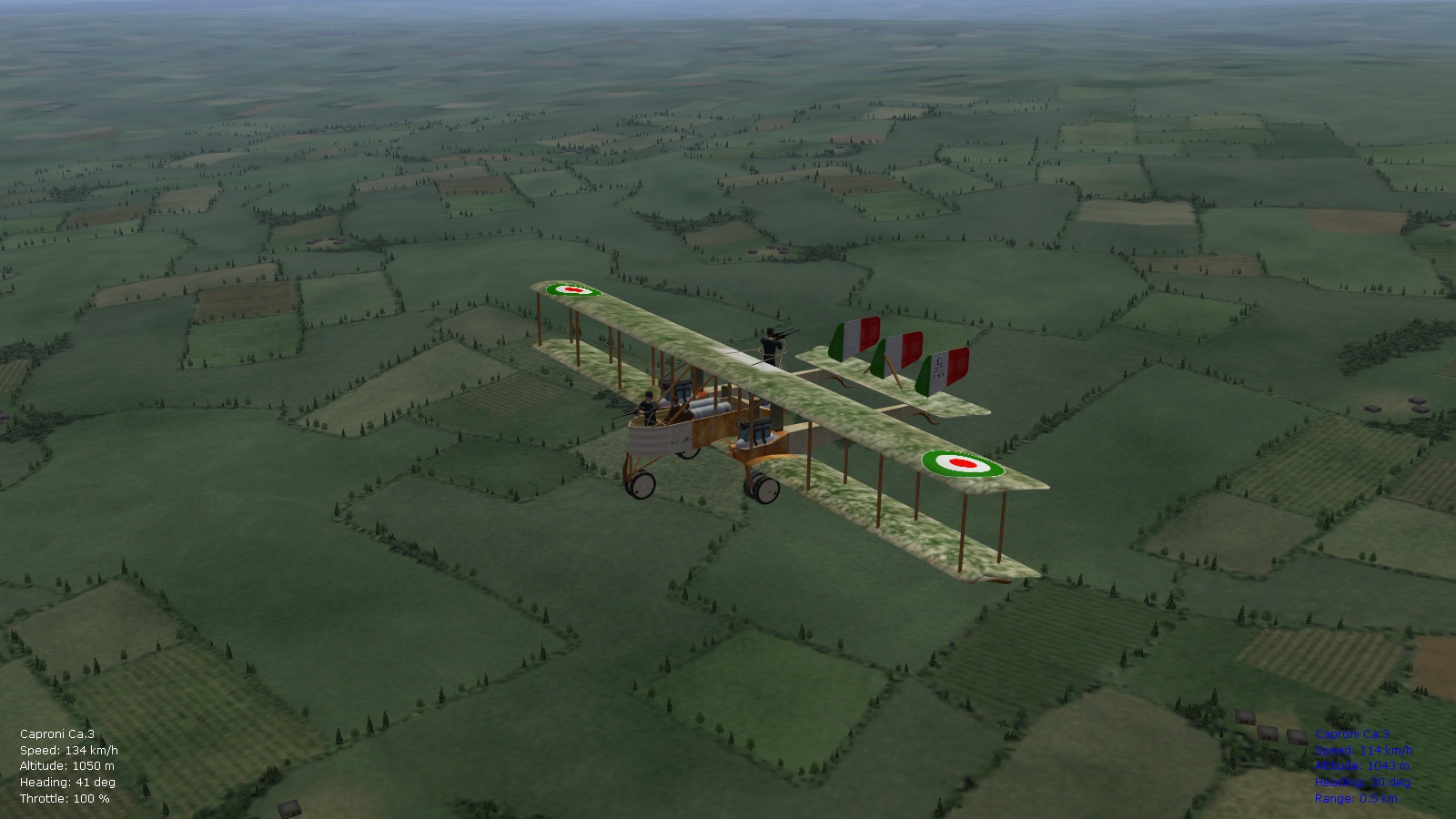
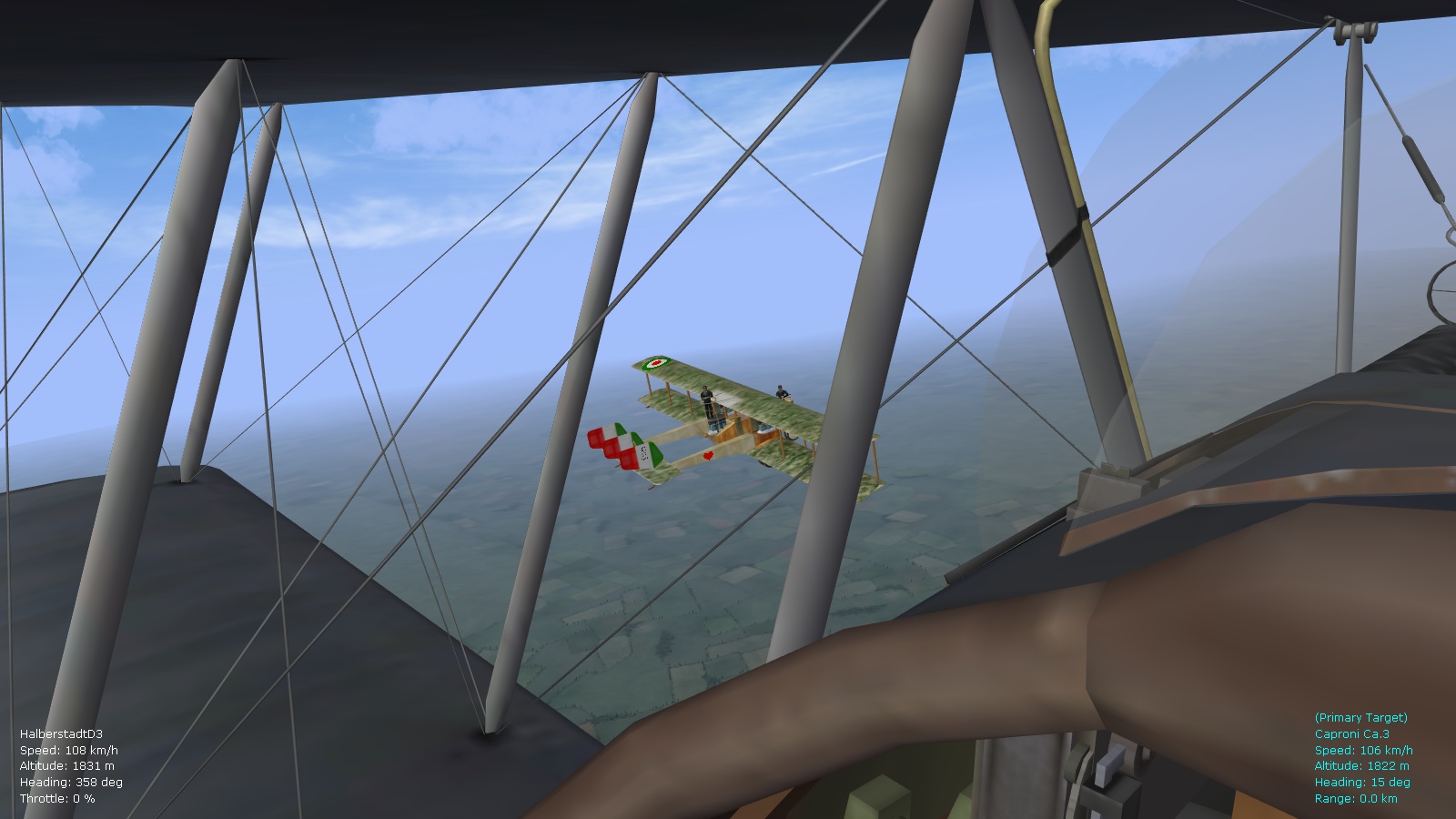
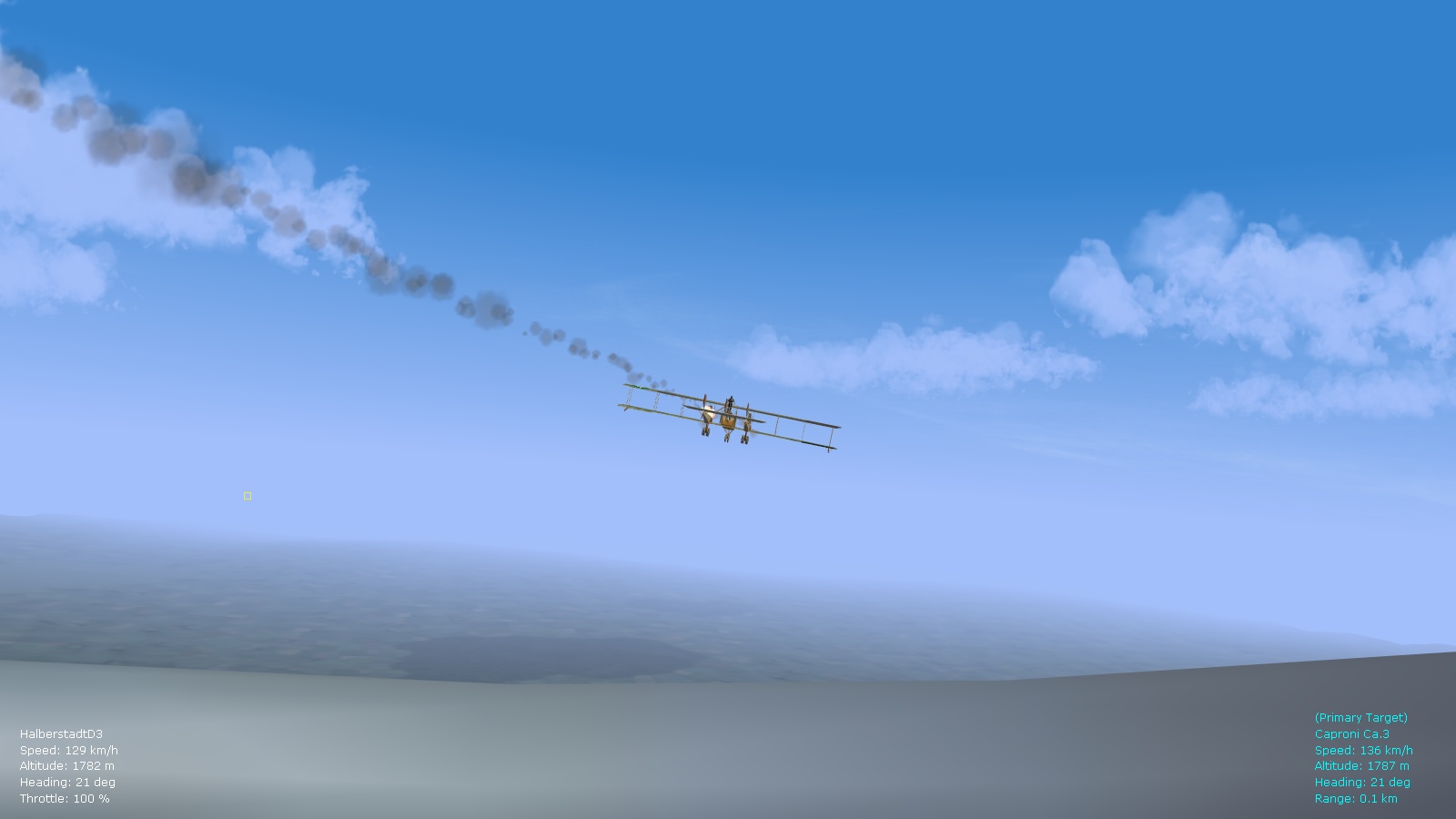
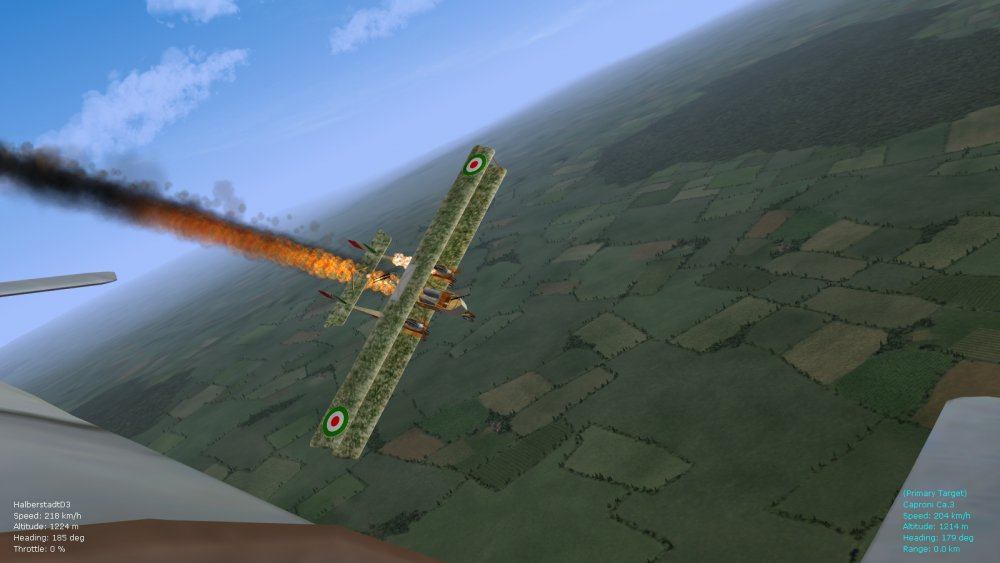
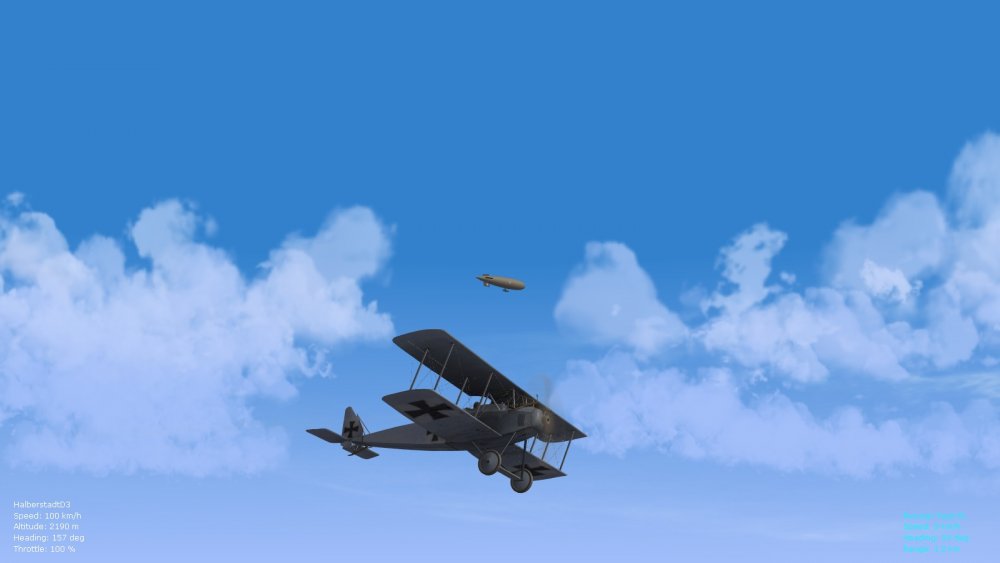
Been busy "downgrading" the data ini for Geezer's Halb. D.V into a D.III variant (since the model is newer than the D.III available from A-Team). Also further tweaking of the FM for the Caproni, and more work on the Longhorns and Shorthorns - will roll these eventually into a ver. 9.7 of the FM updates. Also incorporated three more winds into the environsys files for the Flight folder - should work well for sudden wind change/gusts and to compensate for lack of true turbulence in the FE2 engine. Happy flying and happy holidays fellow FE/FE2 flyers! Von S
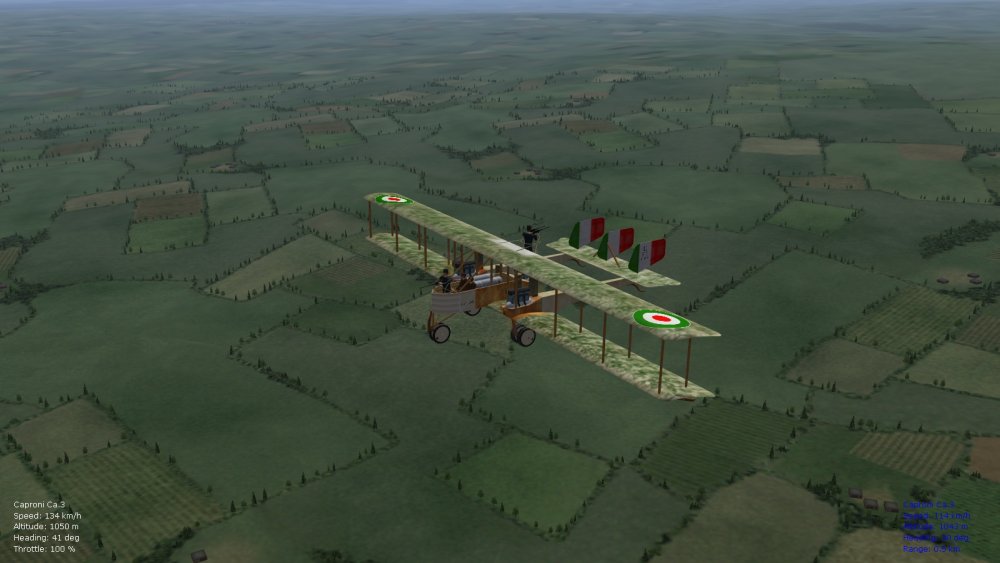
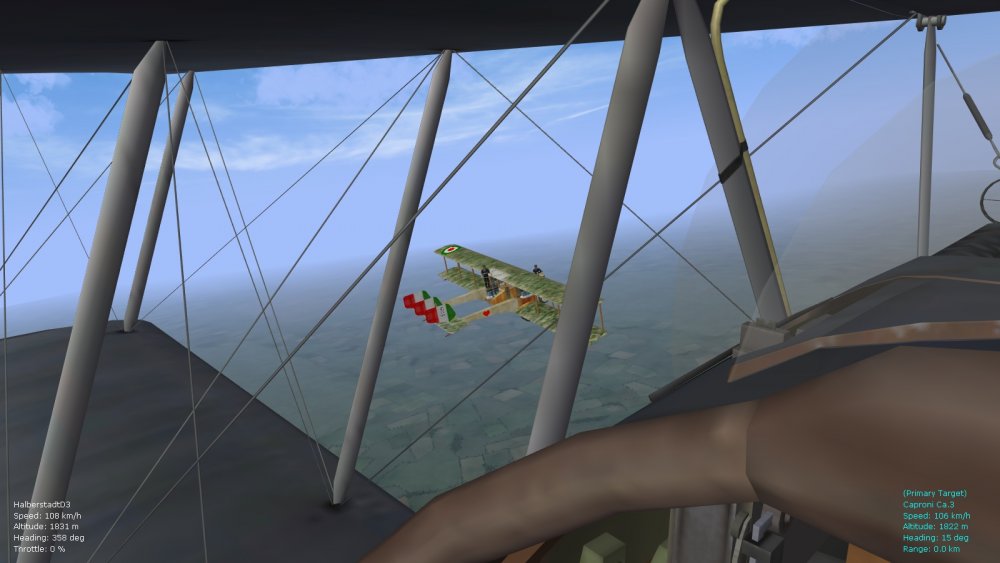
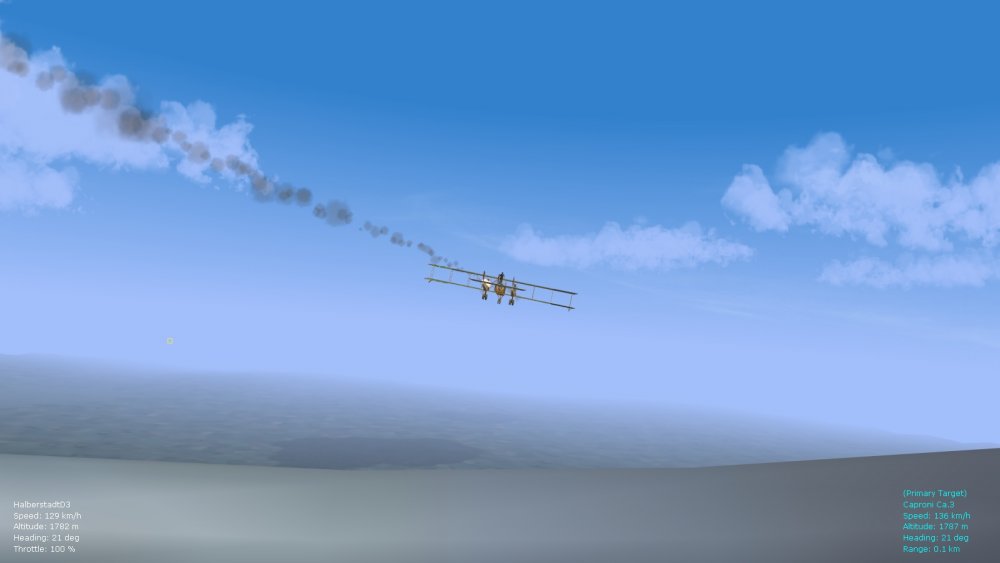
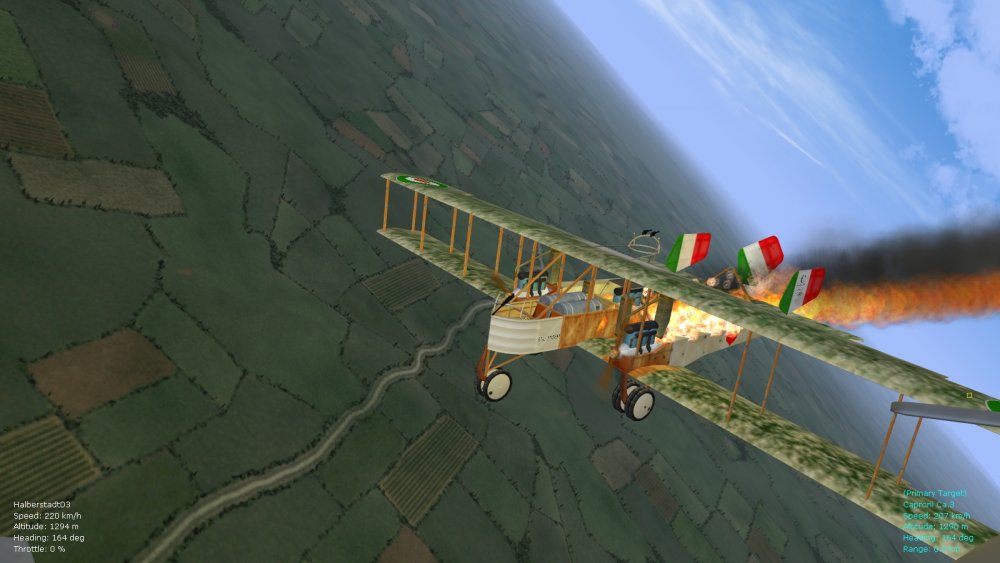
-
Hello gents', can confirm that it works just fine in FE2 - cloud height/base toggles in the environsys file, also average altitudes for missions in the missioncontrol file, per theater and per period (relevant tweaks included somewhere around ver. 9 and 9.1 of my FM update packs). Also works in my install of the regular/vanilla SF2 - can toggle cloud heights...in fact I'm using my tweaked environsys files from FE2 in SF2 and they work fine, giving me the same clouds and cloud heights across both sims - one of these days I will get to uploading the relevant, tweaked files for SF2 - but FE2 is my priority. Happy flying, Von S
-
For loadout screen CTDs, I recommend double-checking that you have a missioncontrol.ini in the Flight folder. Also, double-check under the [MenuScreens] entry of that ini file...and make sure that you have this setting present and enabled: UseLoadoutList=TRUE This is what got rid of the loadout CTDs for me, especially if using Cap'n Vengeur's wonderful medals pack. Happy flying, Von S Edit: As far as I know, ThirdWire sims don't model CoG changes with fuel consumption but some of our modders and specialists can of course pitch in with more info.
-
I recommend also checking out the FM tweaks for the 110, 130 and 150 hp Camels included in my FM update packs (the Camels were last tweaked around the ver. 9.1 update "Camels, Pups and Gasbags") - they now have historical top speeds and are slightly twitchier/spin prone than before, more yaw from aileron usage, etc....although I can do a set of "more dramatic" Camel FMs if anyone's interested down the road. Have read varied reports on their behavior - Kermit Weeks doesn't find them mythically difficult to fly (see his comments on Pups and Camels in one of the YouTube clips). Also good are Frank Tallman's comments from 'Flying the Old Planes.' Elevator sensitive, rudder too, ailerons somewhat heavy, climb rate excellent, possible to do tight turns and loops in the type (summary of Tallman's comments). The whole story about three turns to the right in the space/time of one turn to the left is probably exaggeration though. Tail heaviness was apparently rigged into the types on purpose, although how much fuel was in the fuel tank (positioned behind the pilot) would also determine whether she was tail heavy or level. The Clerget-powered ones were sometimes described as nose heavy if the fuel tank was near empty or half-full. Kermit finds the engine torque and prop-wash to be present but manageable on the Pup, etc. Many WWI fliers would have only 25 - 50 hrs. flight time before being stuck with the type - this perhaps accounts for the view that the Camel was very slippery and extremely dangerous. I recommend also checking out the YouTube vids of Mikael Carlson putting the Dr.1 through various tests - that fellow really pushes the rotary types but has commented that the rotary effects are mostly manageable. His Dr.1 is 110 hp by the way. Currently busy tweaking the data ini for Geezer's Halb. D.V into a D.III (will work well with Eugene's early Halb. skin), since it looks nicer than the dated A-Team one. Also looking into the Roland D.Va, and the Aviatik (first-generation) and Siemens-Schuckert from A-Team...hoping to release a new FM update pack early in the New Year...have been busy with work. Happy flying gents, Von S
-
Hello gents', A quick heads up for those running FE2 in WineSkin on a Mac - keep in mind that FE2 is a 32-bit program. MacOS 10.15 and later will not be supporting 32-bit programs anymore (only 64-bit). This of course is a problem considering that WineSkin (and other Wine programs for Macs) are currently 32-bit. While WineSkin may eventually go 64-bit (this is a slim possibility), there is no guarantee that 32-bit programs like FE/FE2 will be able to run in it even if it is 64-bit, considering that MacOS 10.15 and later are stripping out most if not all of the 32-bit code from their OS. This leaves Mac fliers of FE2 in a precarious position. Options are eventually to go over to Windows and drop fiddling with WineSkin, or to keep running your older Intel Macs (like my 2012 quad-core Mini), or grab another Mac and sort of future-proof yourself, with something like a Mac Pro or the newer Mac Mini (2018), providing you don't upgrade past MacOS 10.14 (last one to support 32-bit). SF2 by the way is 64-bit, and so is WOFFue - so those are good to go into the future of 64-bit OSes, on the Windows side. No guarantees that you will be able to fly WOFF/SF2 in future Mac OSes however because WineSkin may remain 32-bit only (no telling what's going to happen with Wine on a Mac at this point). Have been reading some forums that the Wine folks may move over to Linux entirely if the Mac world drops 32-bit...not good news for legacy simming/gaming. Anyway, I'll probably future-proof myself in some way with an extra Mac or two since I like running FE2 in WineSkin and there's no dropping FE2 once you get the modding bug. Happy flying, Von S UPDATE: The CodeWeaver folks working on CrossOver (a fork of Wine) may be developing a way for 32-bit code/libraries to be loaded into a 64-bit version of Wine - something that may eventually be ported to the general branch of Wine too - but again this is work in progress and no telling what will happen until the dust settles down over the next couple of years, in terms of 32-bit gaming on a Mac, in Wine. Linux has a 64-bit version of Wine that can load 32-bit code for older games, and it seems to have had this for several years already - but this is not relevant to gaming on a Mac. Will update this post further if any (good) news emerges.
-
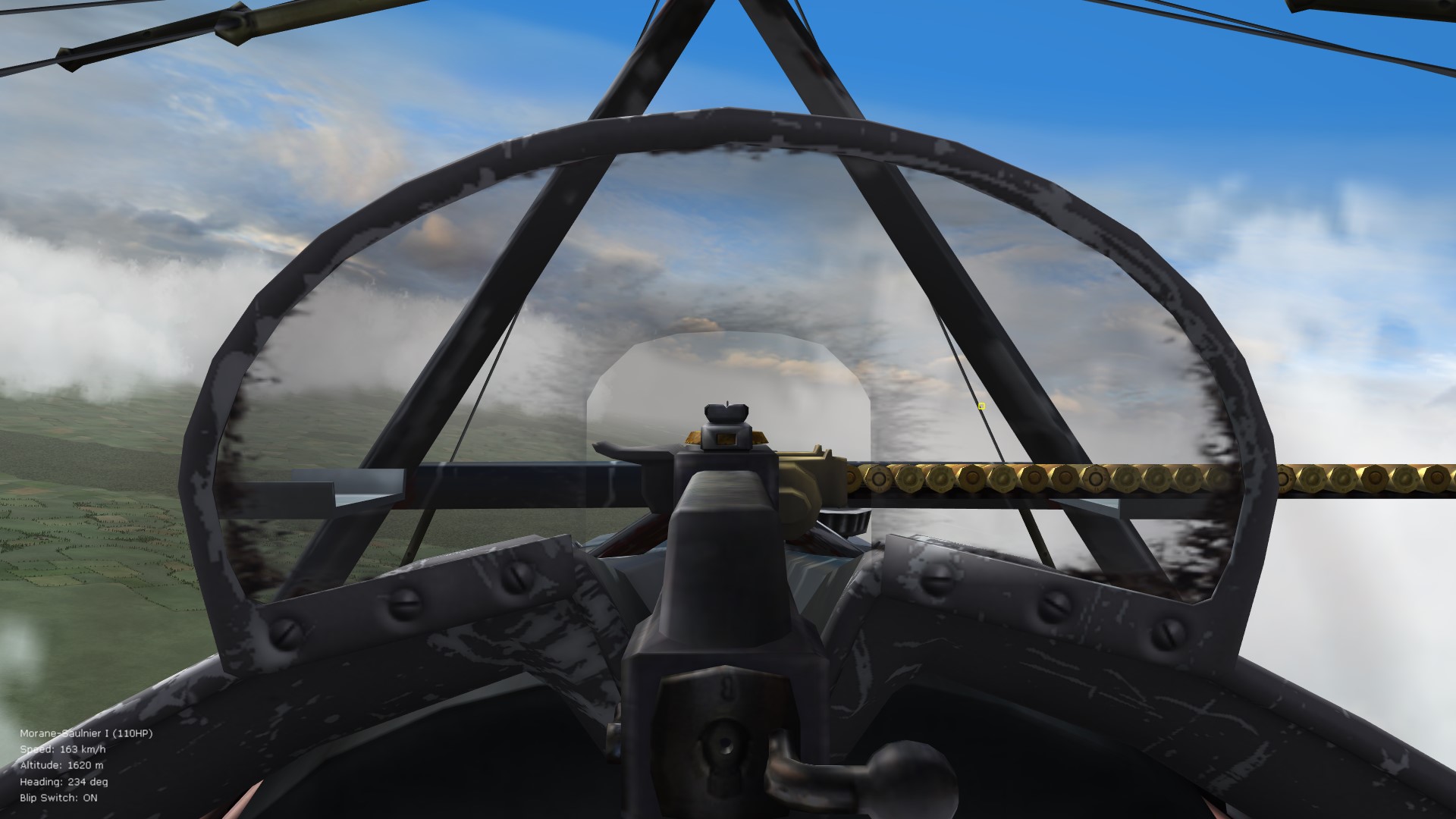
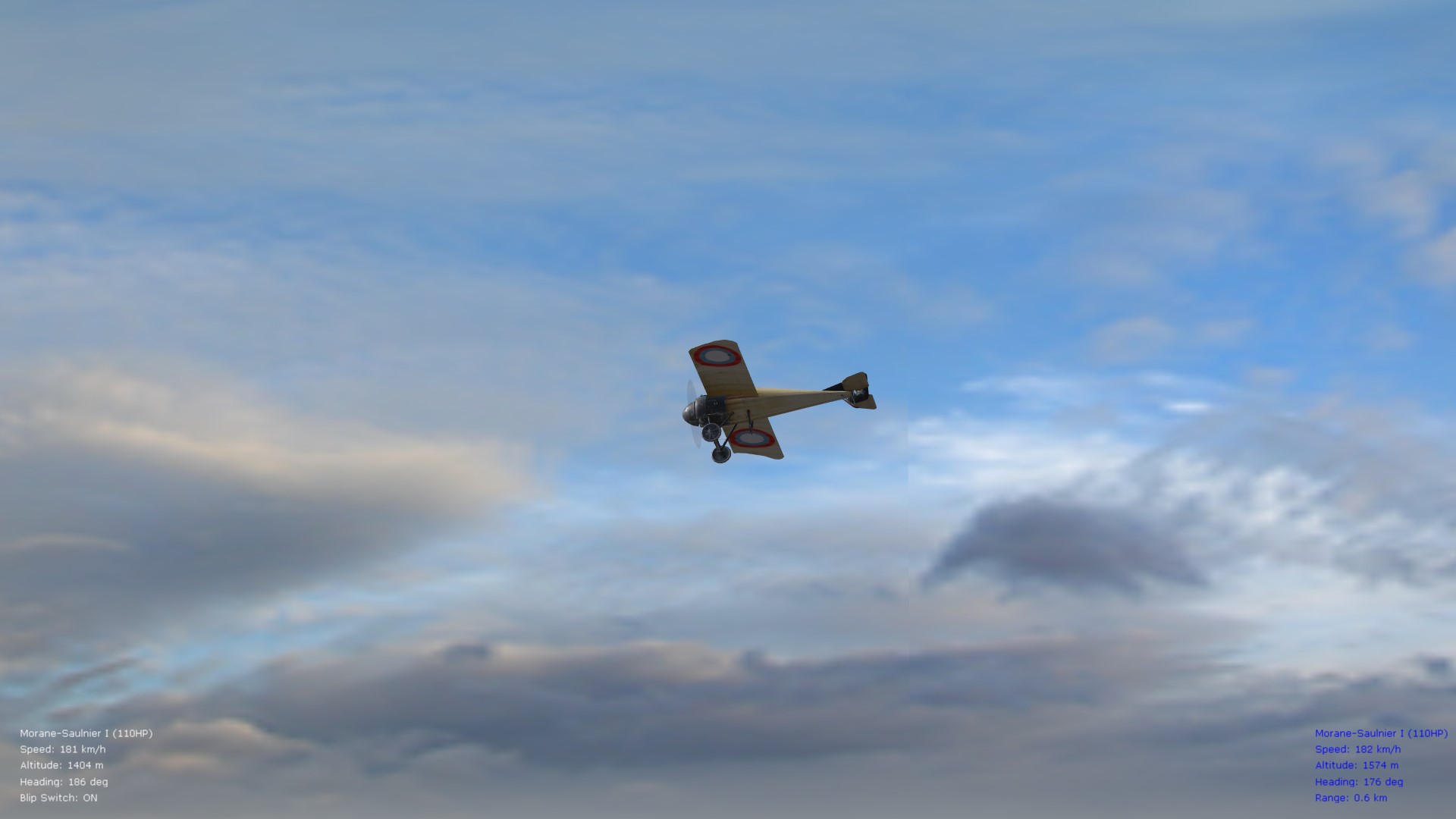
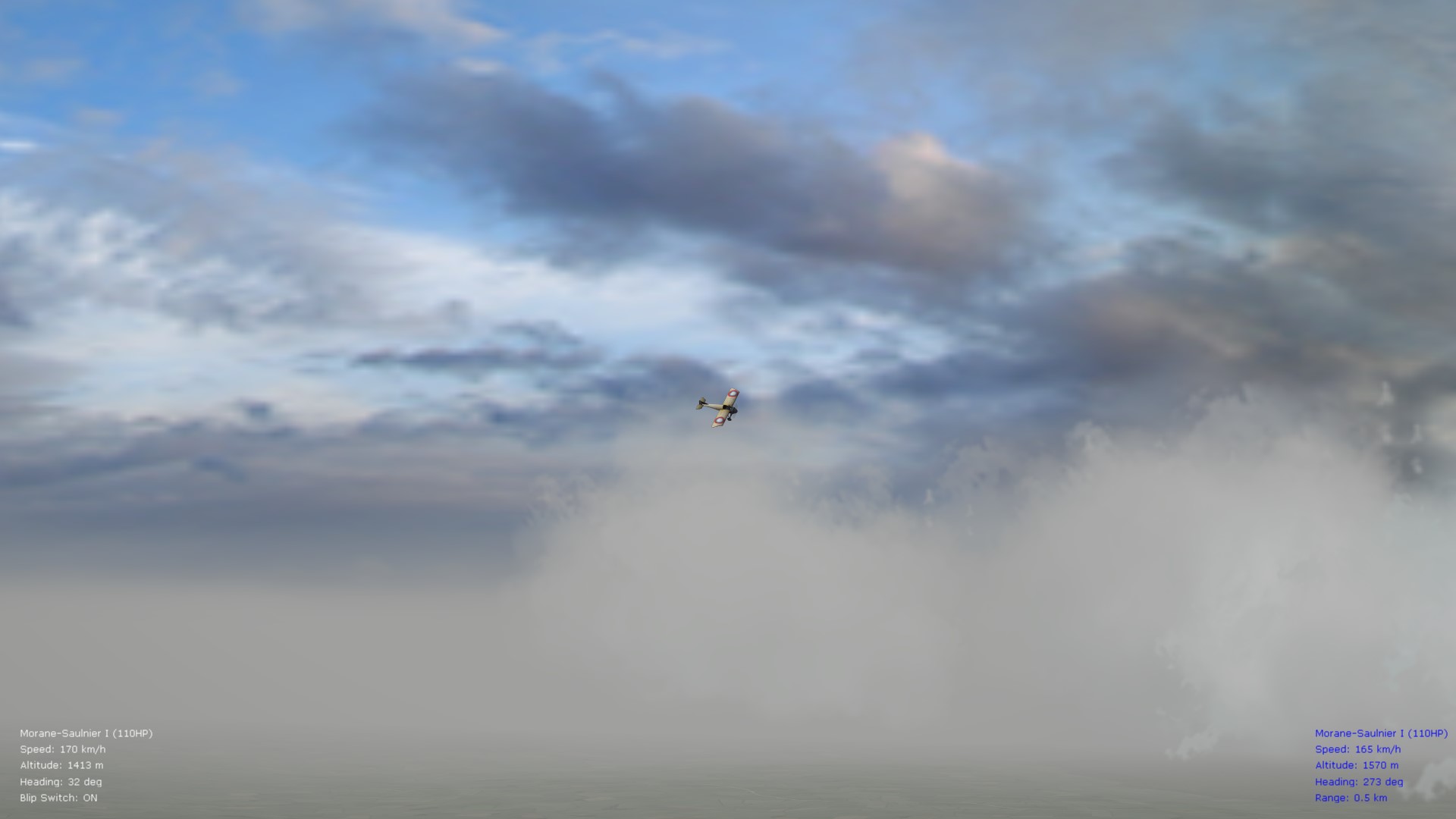
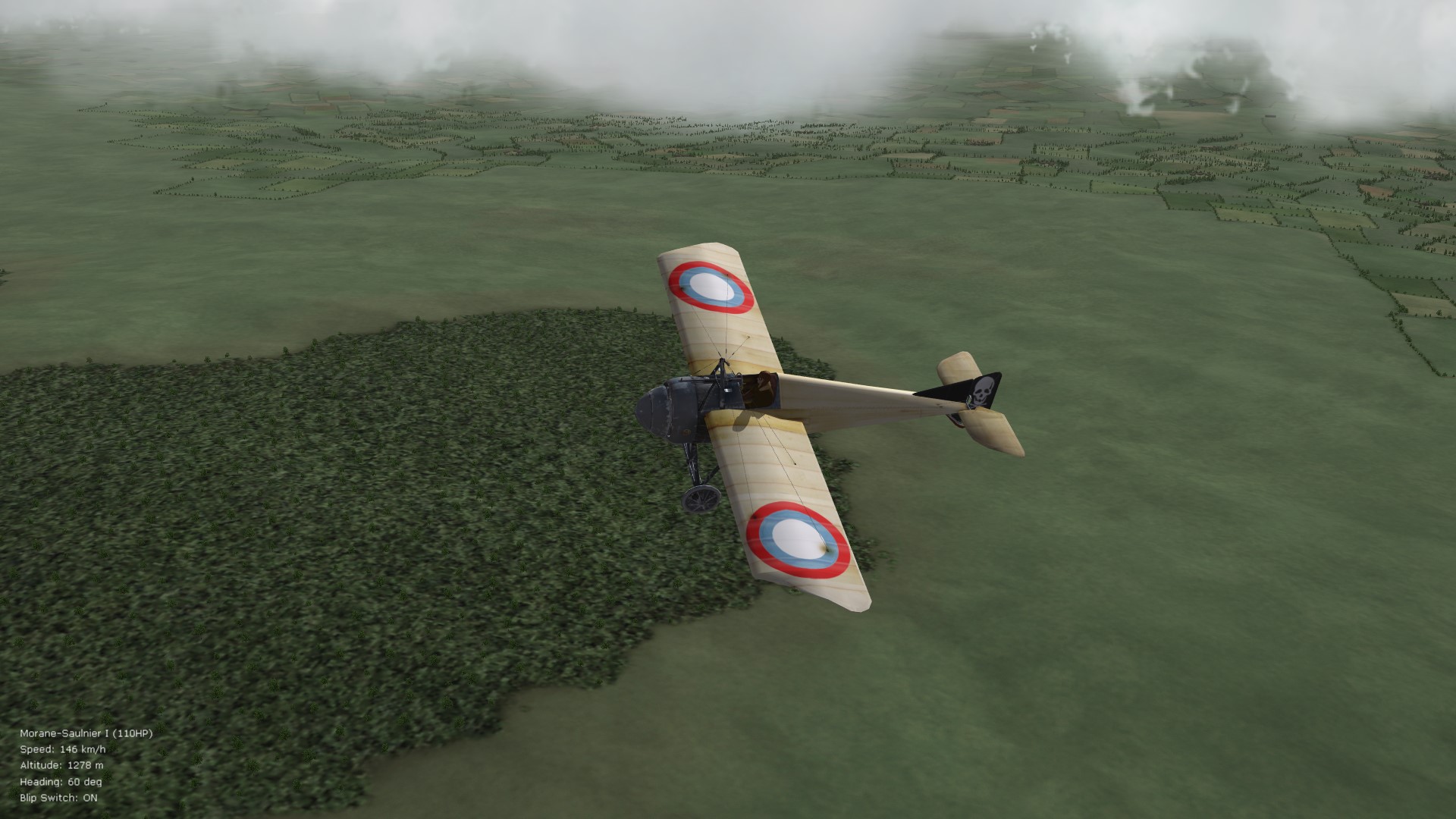
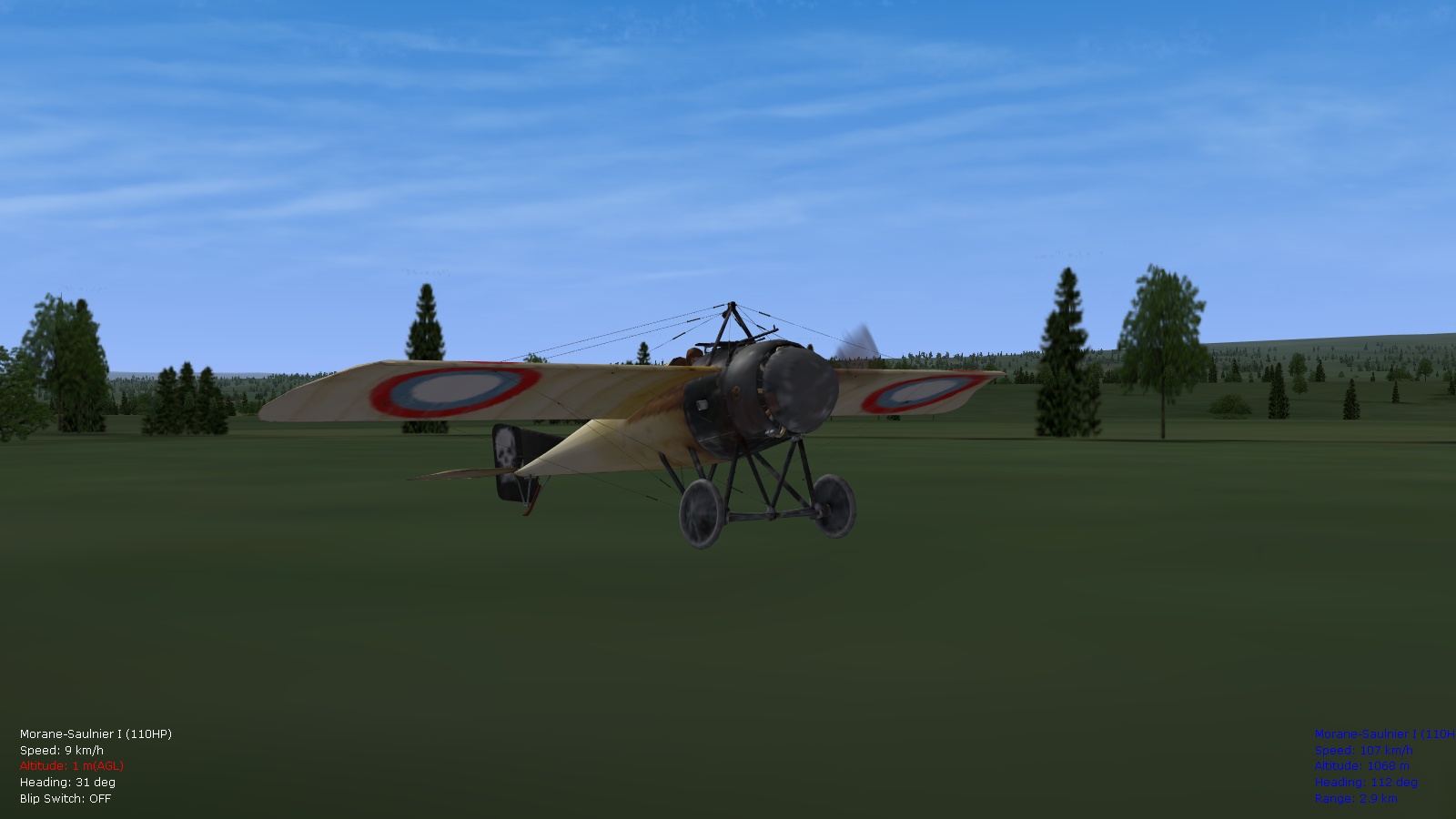
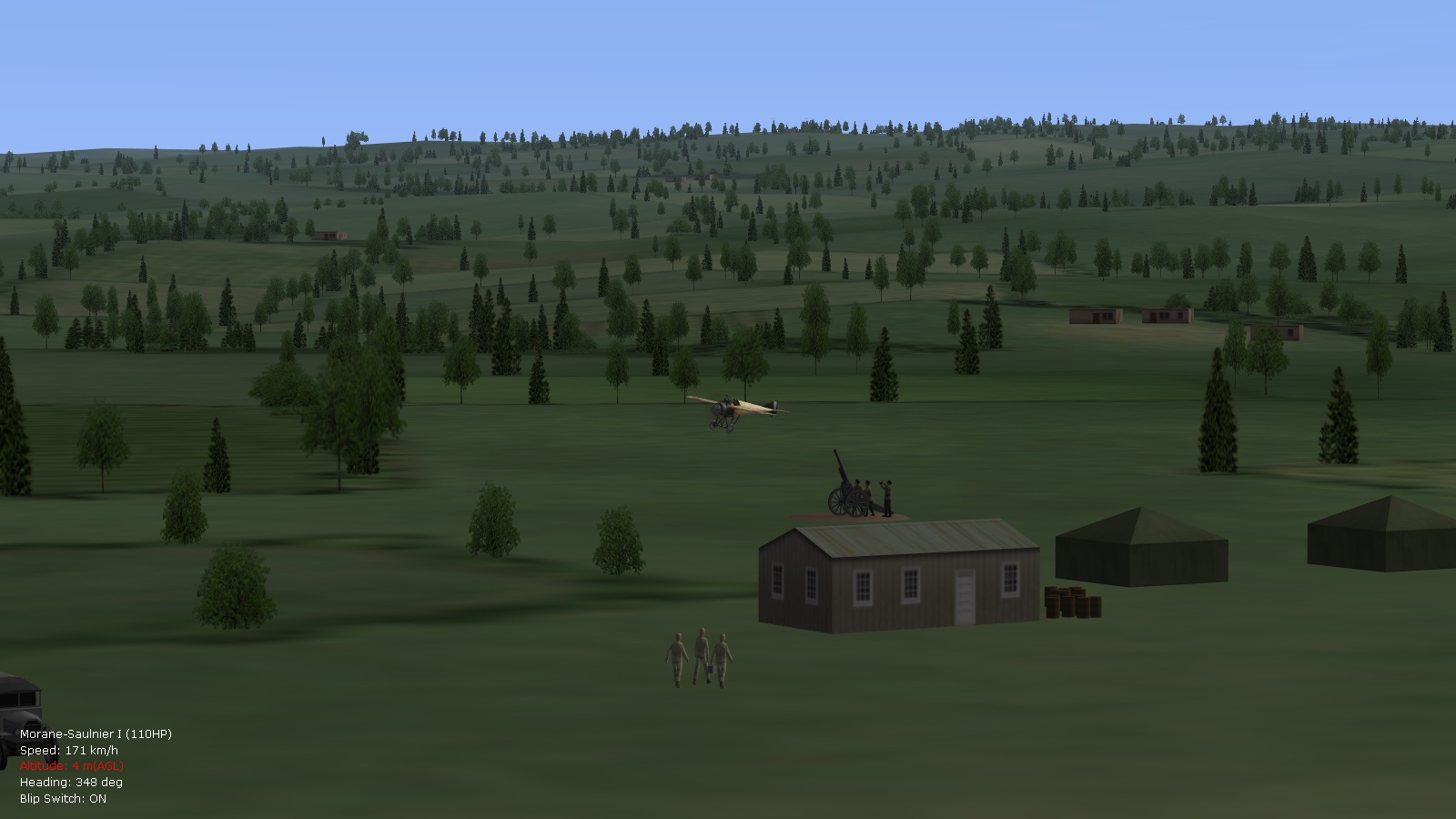
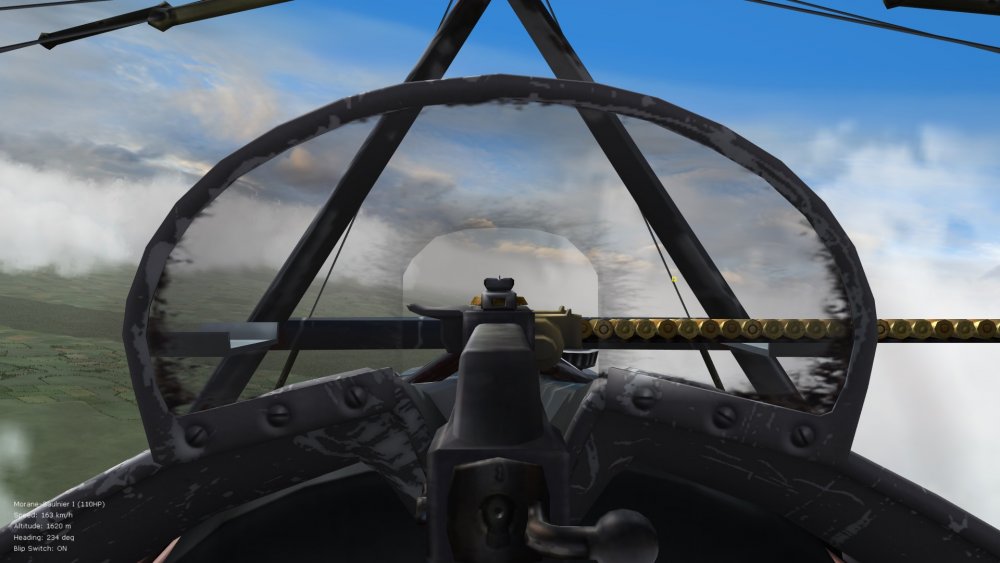
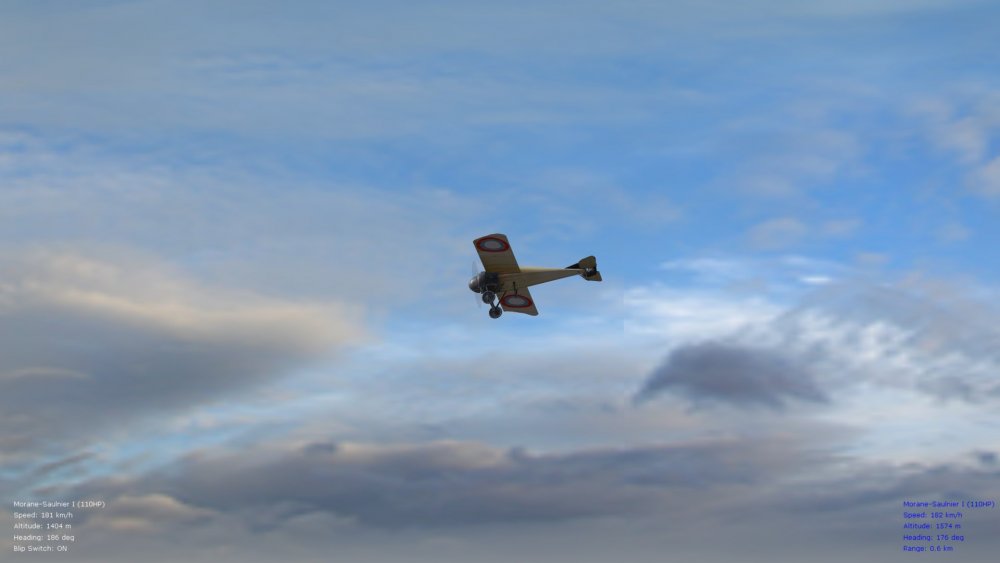
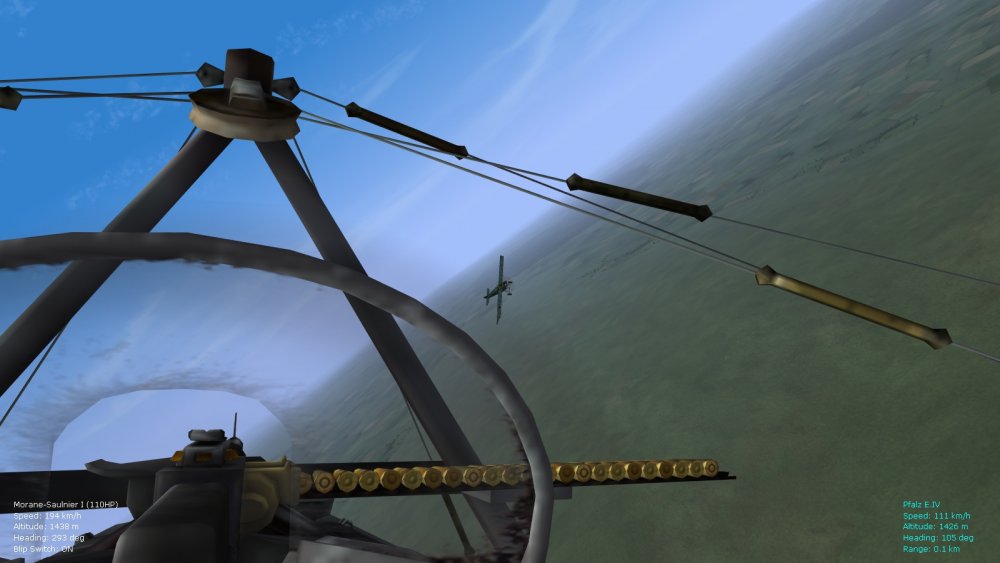
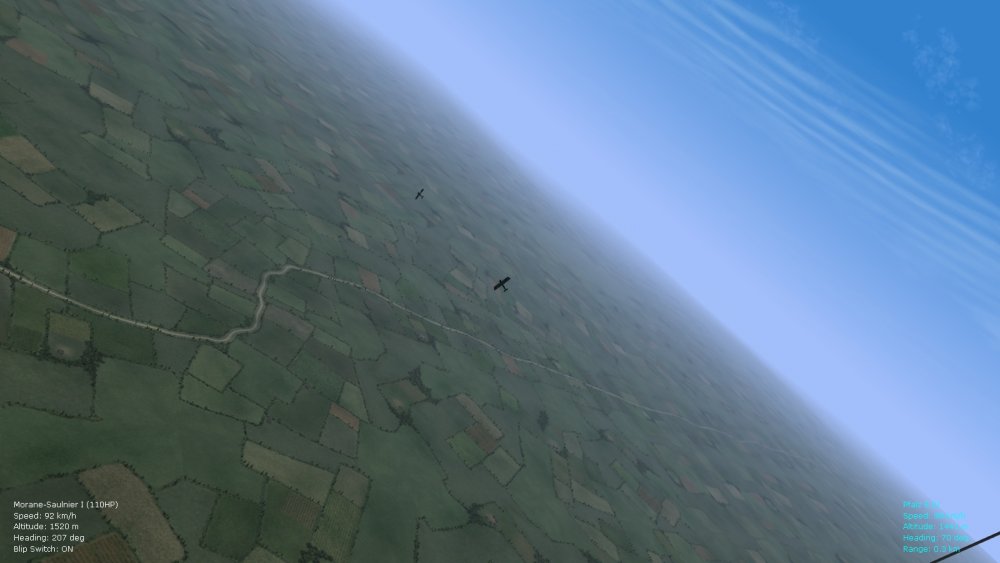
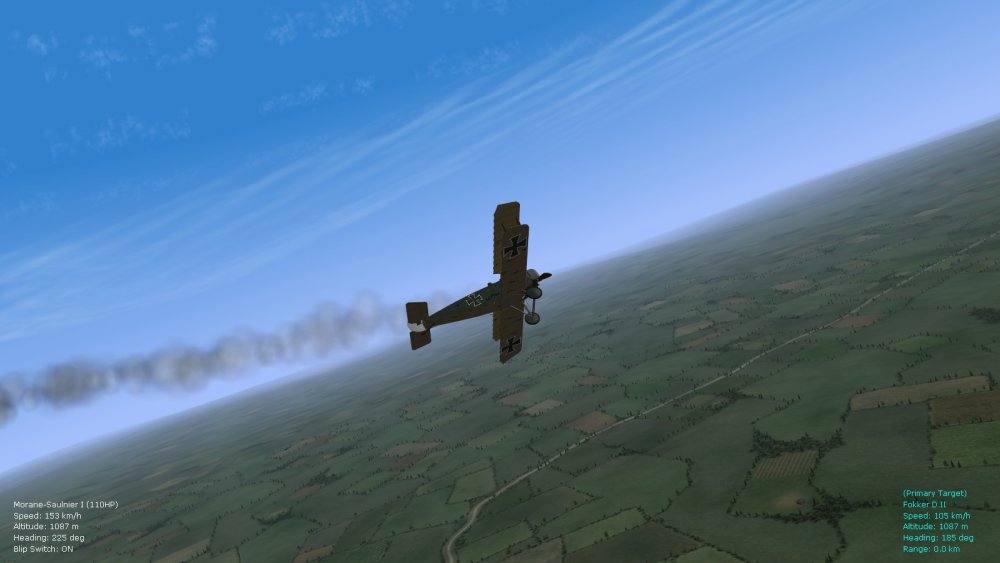
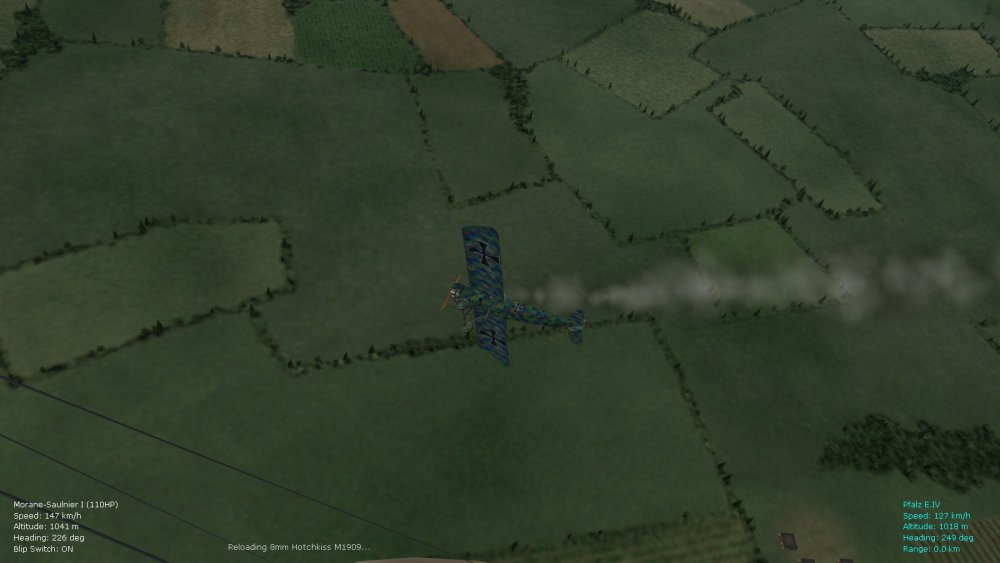
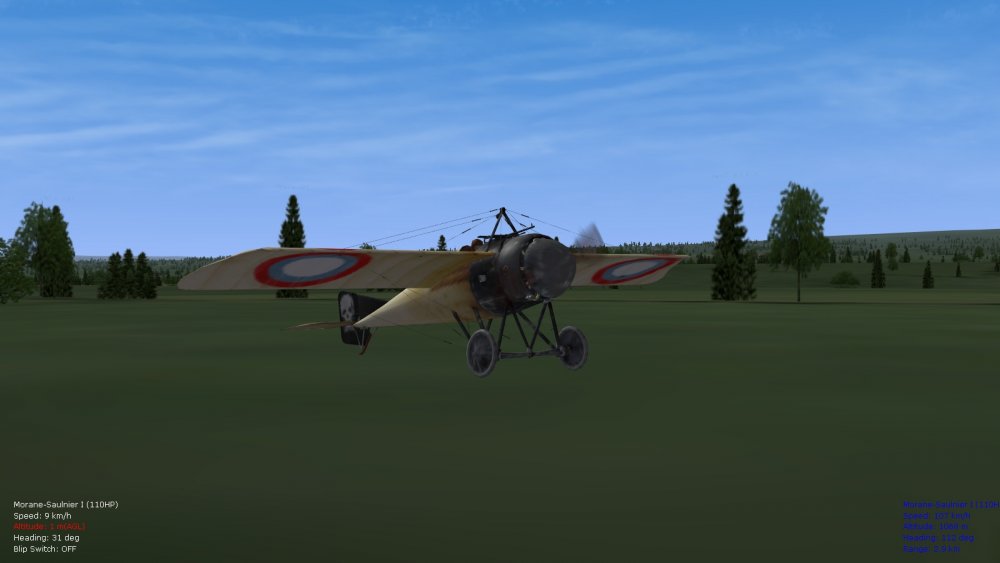
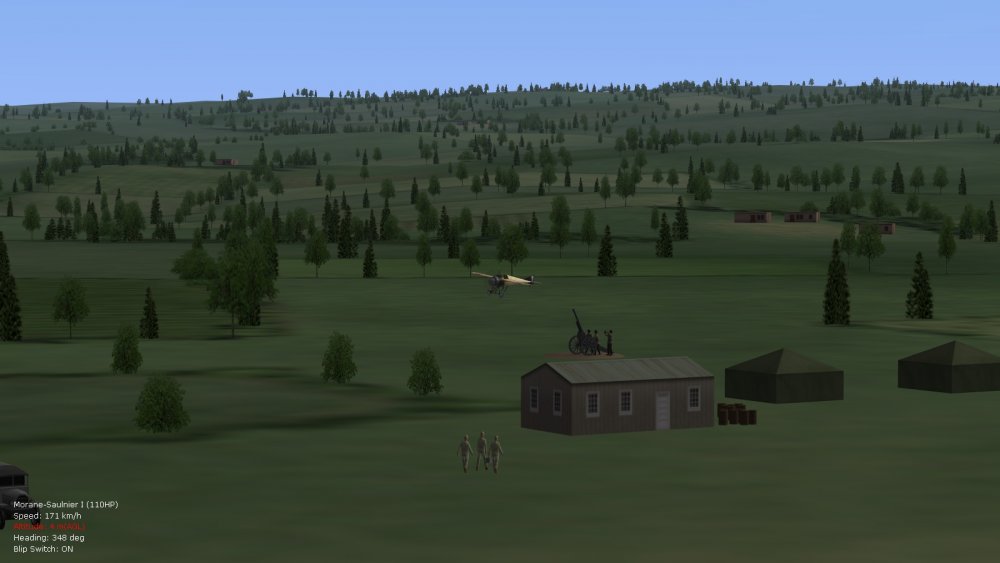
Thought I'd refresh the screenshots thread gents' with some new action on the eastern front, using Stephen's superb update to the Galicia terrain (version 3). Great stuff and very immersive - thank you modders for your continued work on FE/FE2! Watch those turns, also take-offs and landings in the M-S I, she's a slippery type. Von S
-

I have problem with Stephen's Farman HF20 Unarmed
VonS replied to Sky High's topic in General Discussion
An excellent idea - the formation.ini file should be located in the Flight folder of the FE2 user directory. It's worth checking into. Below are the entries I usually use for mid-war congestion (from my ver. 9.5 FM update pack). Worth toggling are the formation styles under the fighter and bomber entries, to see if it improves results when starting missions in-air. Von S ----- [FormationType001] Name=Fighter BaseLevel=2 Level[01].Name=Squadron Level[01].Size=3 Level[01].Formation[01]=Squadron_LeftEchelon <----- try replacing this one with another type of formation Level[01].Formation[02]=Squadron_RightEchelon Level[01].Formation[03]=Squadron_Trail Level[01].Formation[04]=Squadron_Wall Level[02].Name=Flight Level[02].Size=2 Level[02].Formation[01]=Flight_LeftEchelon Level[02].Formation[02]=Flight_RightEchelon Level[02].Formation[03]=Flight_Trail Level[02].Formation[04]=Flight_Wall Level[03].Name=Element Level[03].Size=2 [FormationType002] Name=Bomber BaseLevel=2 Level[01].Name=Squadron Level[01].Size=3 Level[01].Formation[01]=Squadron_Javelin <----- also try replacing this one with something else Level[02].Name=Flight Level[02].Size=2 Level[02].Formation[01]=Flight_Vee -
I have problem with Stephen's Farman HF20 Unarmed
VonS replied to Sky High's topic in General Discussion
I would then recommend a re-download of Stephen's HF.20 and a re-install, to double-check that the anomaly is not there with a fresh install of the aircraft. This will help to figure out if the problem is with the HF.20 files or perhaps some other file in your FE2 install. Let us know of your progress. Hopefully we'll figure something out. Von S -
I have problem with Stephen's Farman HF20 Unarmed
VonS replied to Sky High's topic in General Discussion
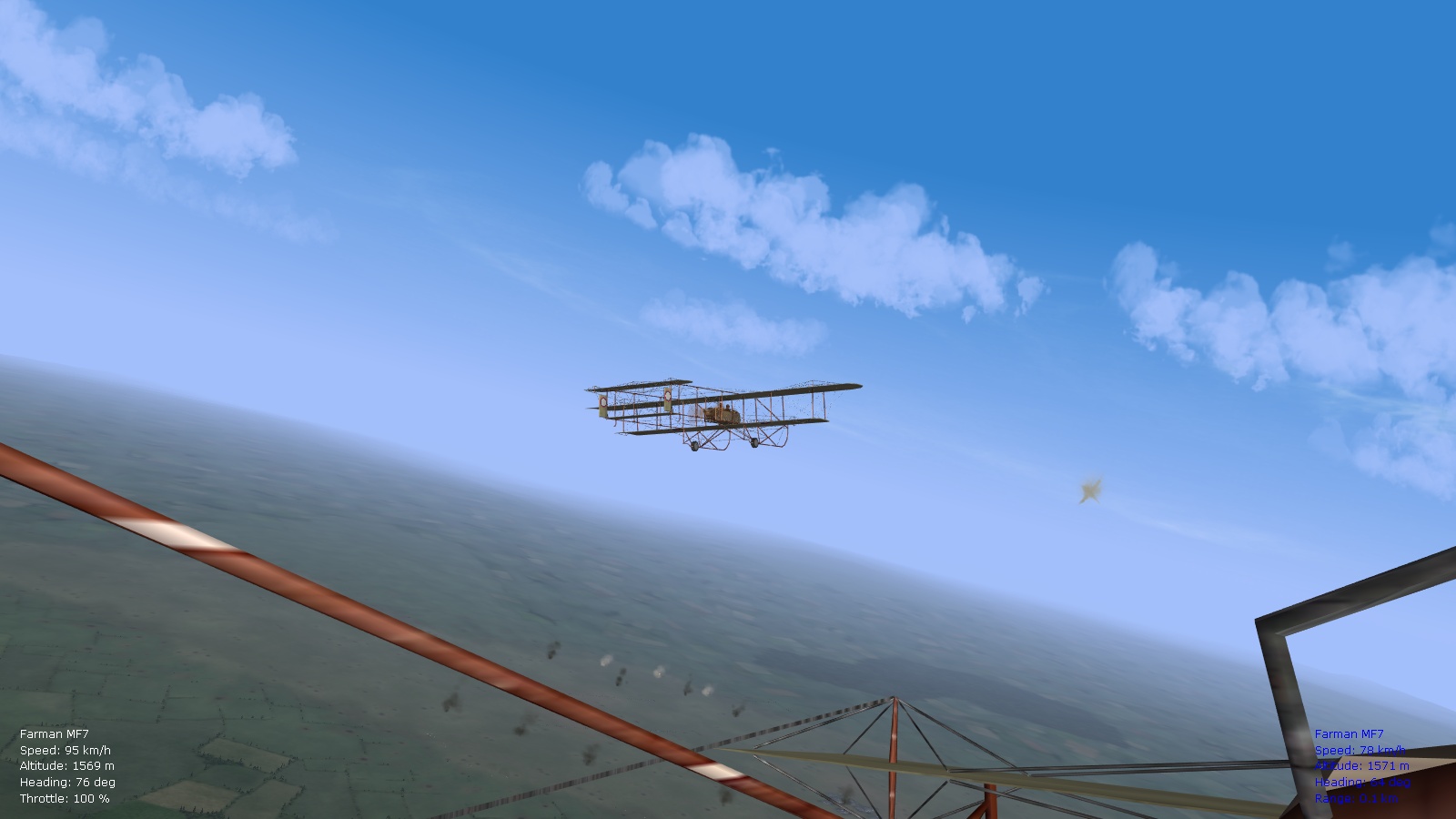
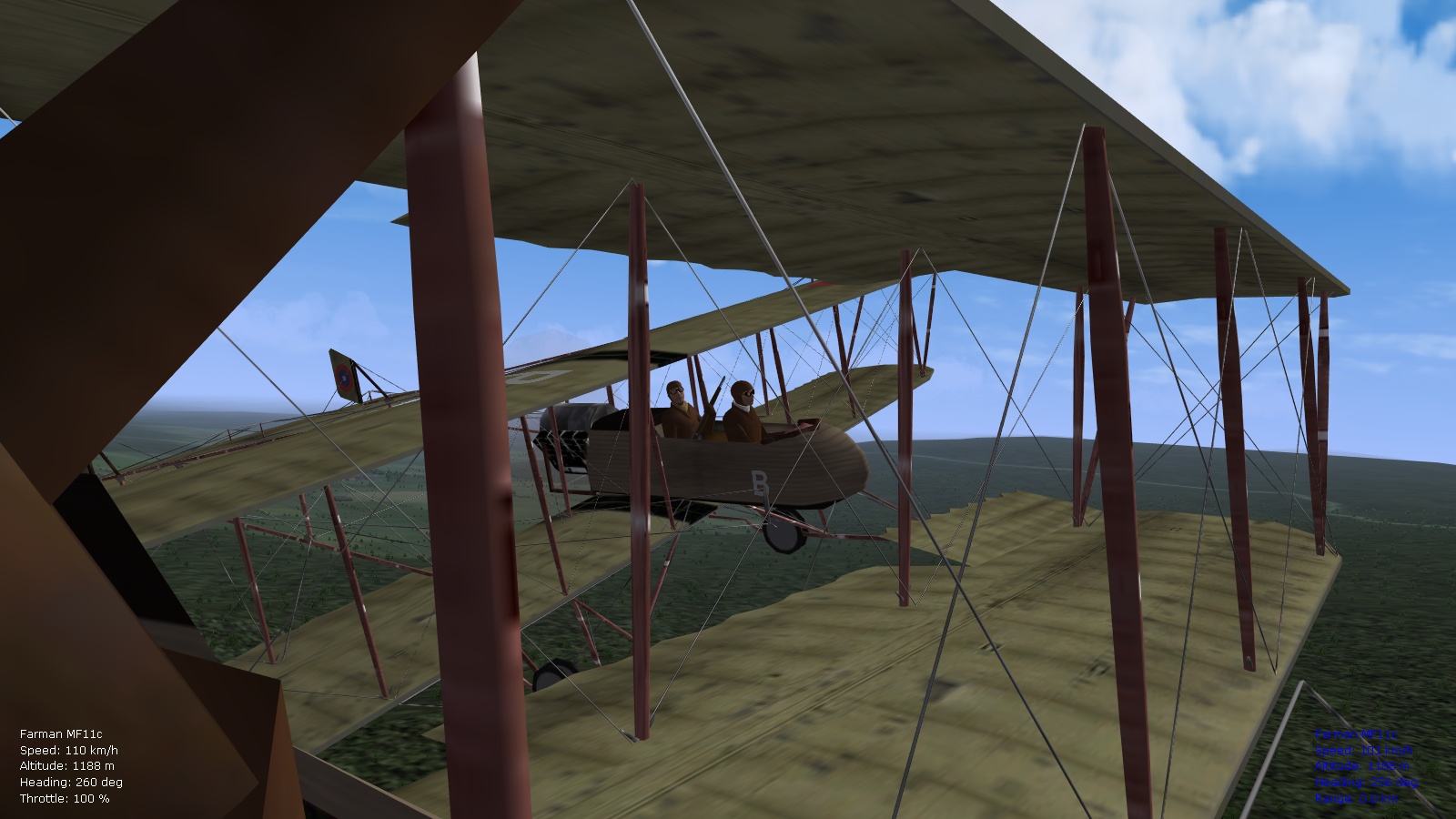
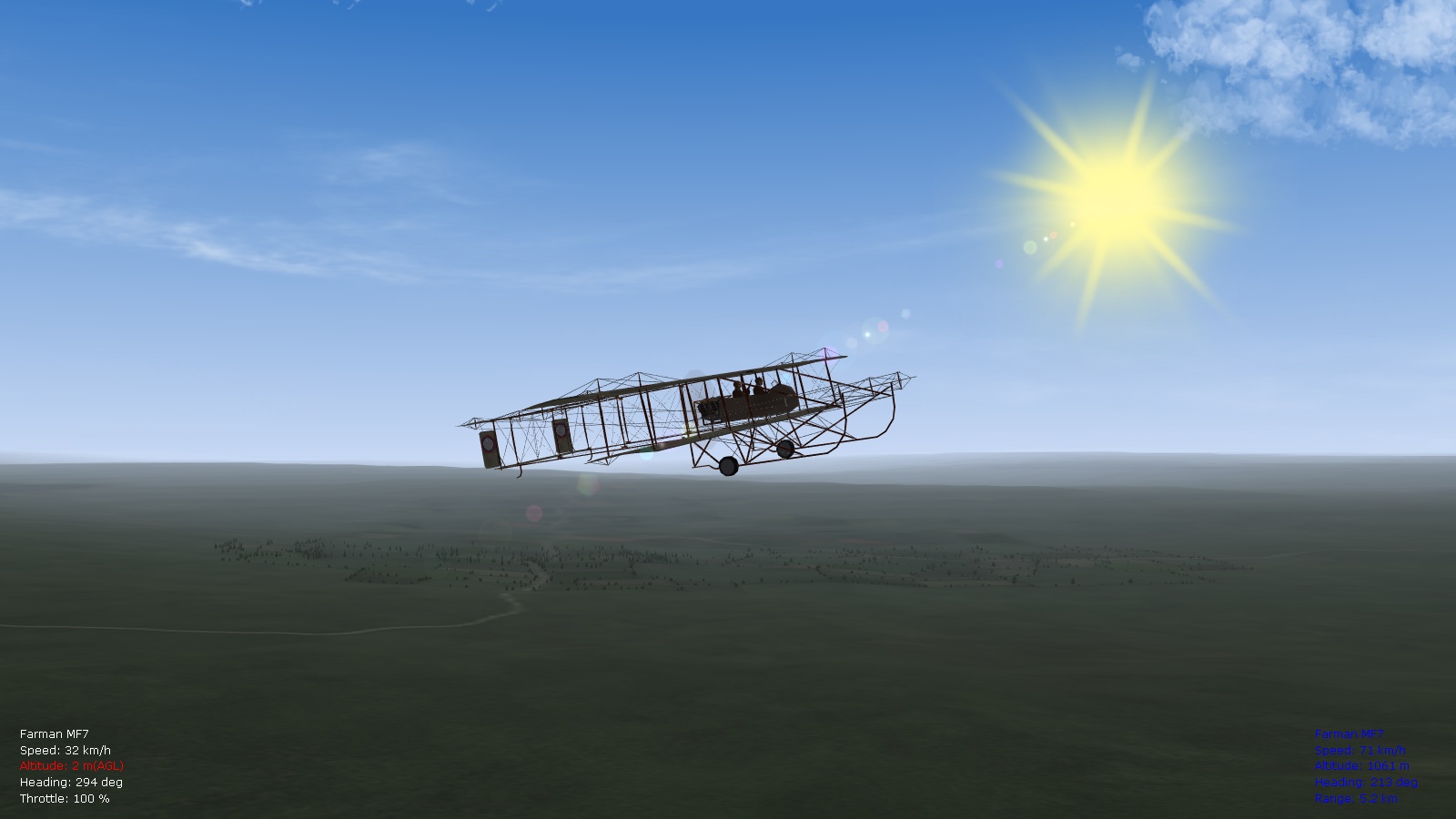
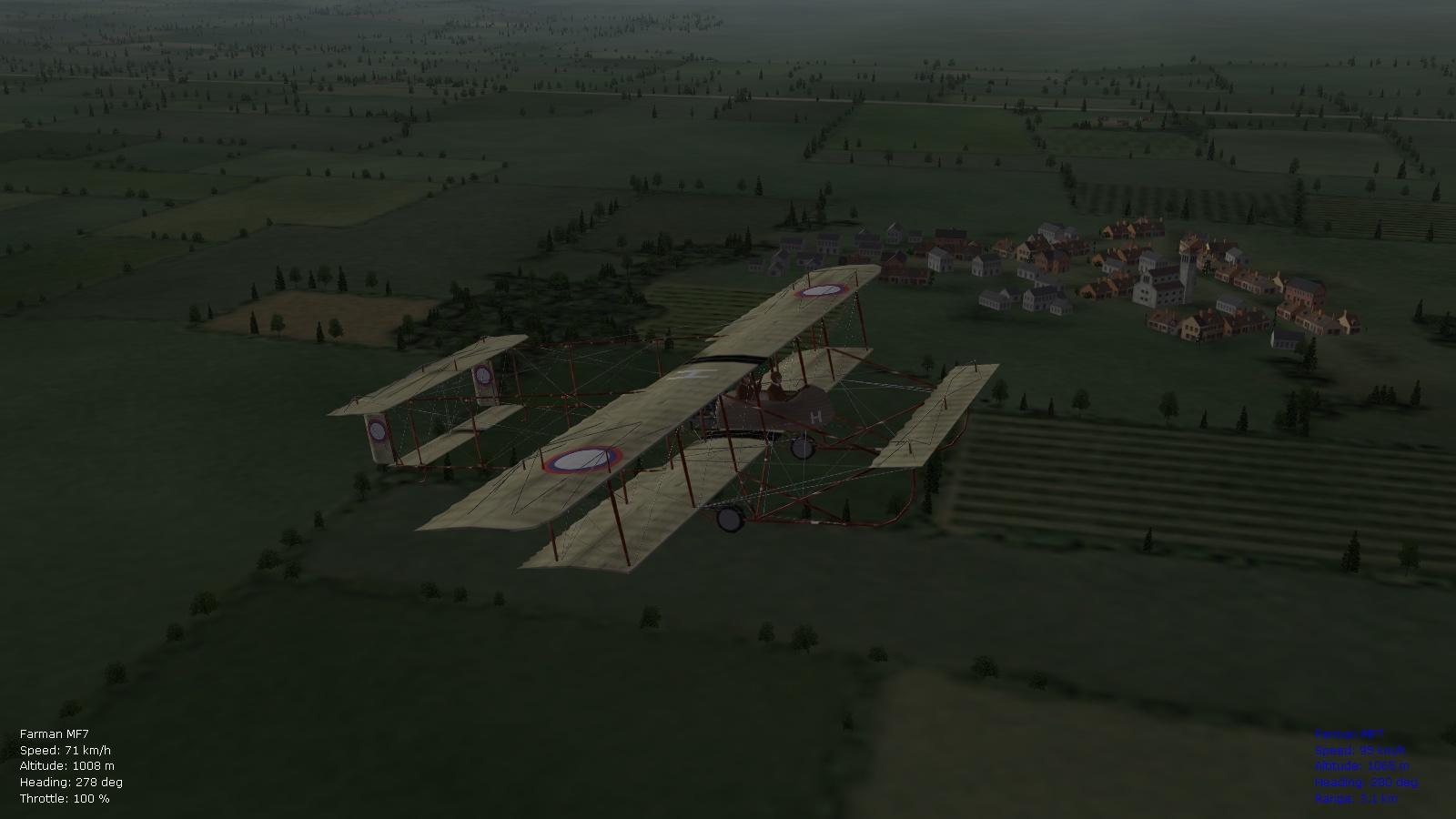
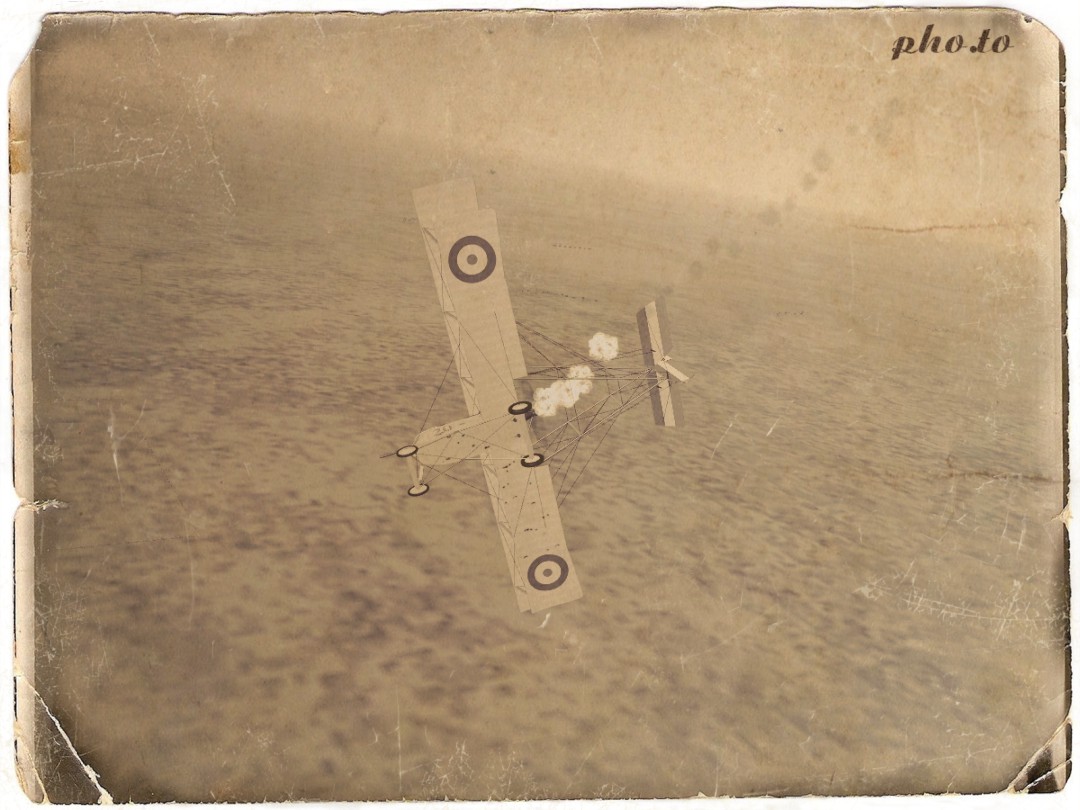
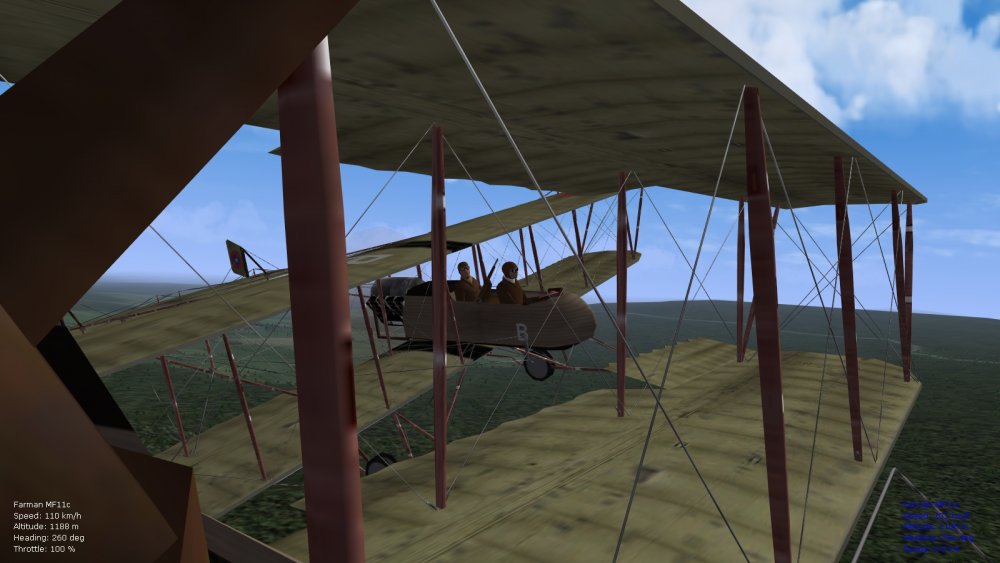
Offending gunner successfully removed from the F.11c model by Bort. (Thank you Stephen and Trotsky for tips for this, from the other thread.) Have also renamed the regular Farman 11 (Shorthorn) lod/out files and swapped them into the 11c folder, for good measure, and the trick works well as visible in one of the pics below...will upload these data inis in a few days after some more testing. The AI handles them nicely...the Longhorn takes off in the mid 70s kph, the Shorthorn in the mid 80s. Top speeds are mid-90s for the Longhorn, about 105 kph for the Shorthorn...climb rates are slightly improved from the previous data inis. The early Farmans, while slow, could lift weight/passengers quite well. Other pic. is of the Longhorn nicely handled by the AI. The types do well to about 2500 m alt., possibly a bit higher, although their theoretical ceiling is pegged around 3600 to 4000 m in the data inis. At any rate I'd sooner take them or one of the Morane Parasol types into an early conflict than the abysmally performing MS type G...the type H is not much better but at least it has a better climb rate than the type G. Von S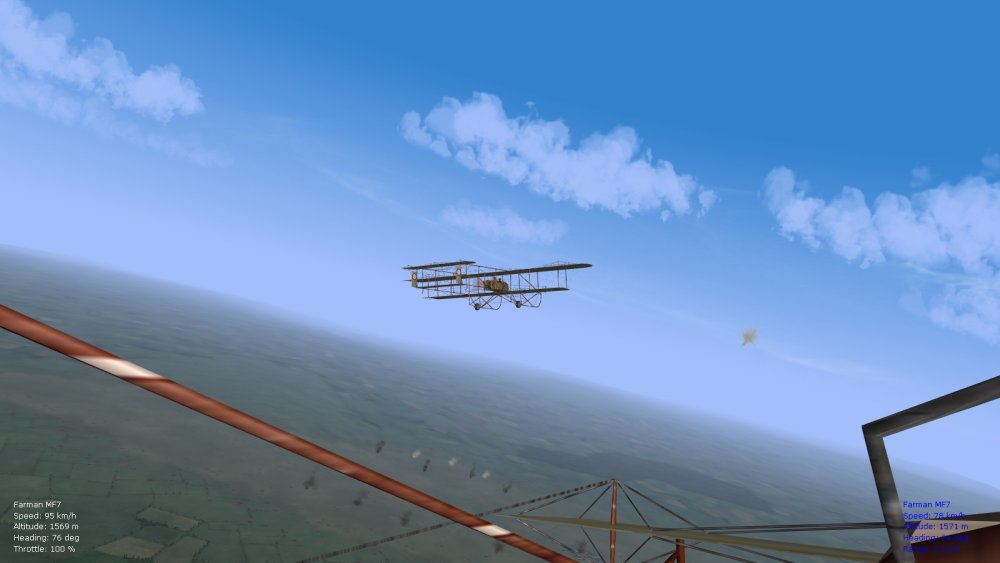
-
I have problem with Stephen's Farman HF20 Unarmed
VonS replied to Sky High's topic in General Discussion
Could be a variety of things...mismatch between the cockpit. ini file and cockpit folder contents, or files thrown into the cockpit folder from different sub-variants of the same aircraft...happens to me on occasion if I'm not careful with my multiple FE2 installs. Have PM-ed you the cockpit.ini file and cockpit folder that I use with Stephen's HF.20 - perhaps it will solve the problem. Happy flying, Von S -
I have problem with Stephen's Farman HF20 Unarmed
VonS replied to Sky High's topic in General Discussion
Possibly an error with the cockpit folder? I doubt it is FM related although I have removed a redundant CL0MachTableData entry for the left stab on the HF.20 and unarmed variant. Will post the files with a v. 9.7 fm pack or maybe separately for now. Have also tweaked further the fms for the Longhorn and Shorthorn, slightly better climb now and greater difficulty diving at speeds above about 180kph, as historical. Will follow up with more info., still testing and removing the old blocky gunner as per Trotsky's comments in the other thread. Von S -
Hello hello hello, is there anybody in here...
VonS replied to RAF_Louvert's topic in WOFF UE/PE - General Discussion
Let me put in my vote too for a return to the CombatAce forums gents' - checked today and the SimHQ forums are still down for maintenance. Happy flying, Von S -
I recommend the following post: https://combatace.com/forums/topic/91801-downloads-for-first-eagles/?tab=comments#comment-746959 It contains a couple of links to significant mods (such as Stephen's pilots, aircraft, etc.), also further info. on my FM tweaks. I'm sure the FE2 community will pitch in with other suggestions. Other important add-ons are of course the excellent terrains by gTerl for Italy, Stephen's update to his wonderful eastern front terrain, also don't forget to download Stephen's middle eastern terrain as well, plus some of the excellent ground objects under the relevant downloads section (although many of those ground objects are already included in the latest versions of the terrain updates). Happy flying, Von S
-
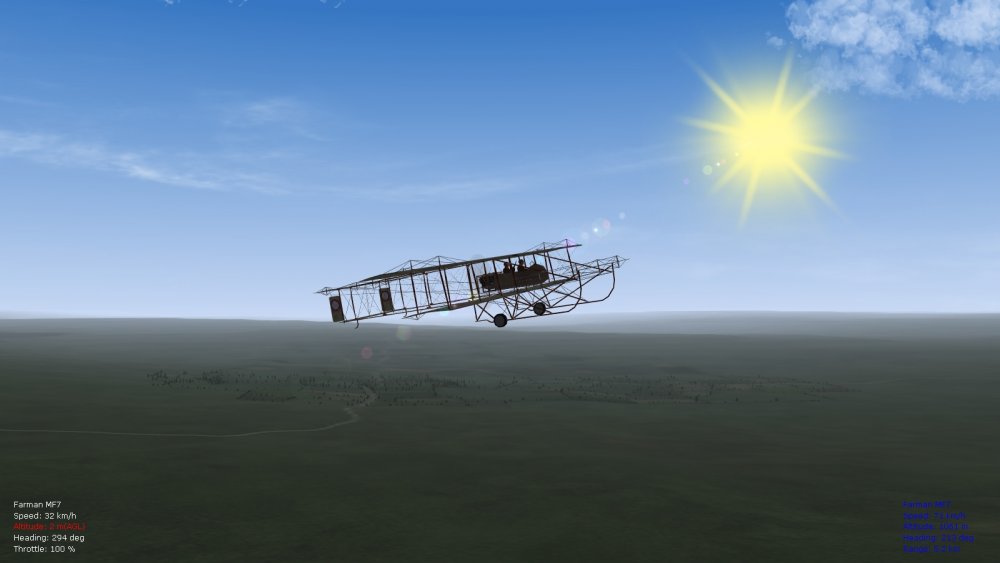
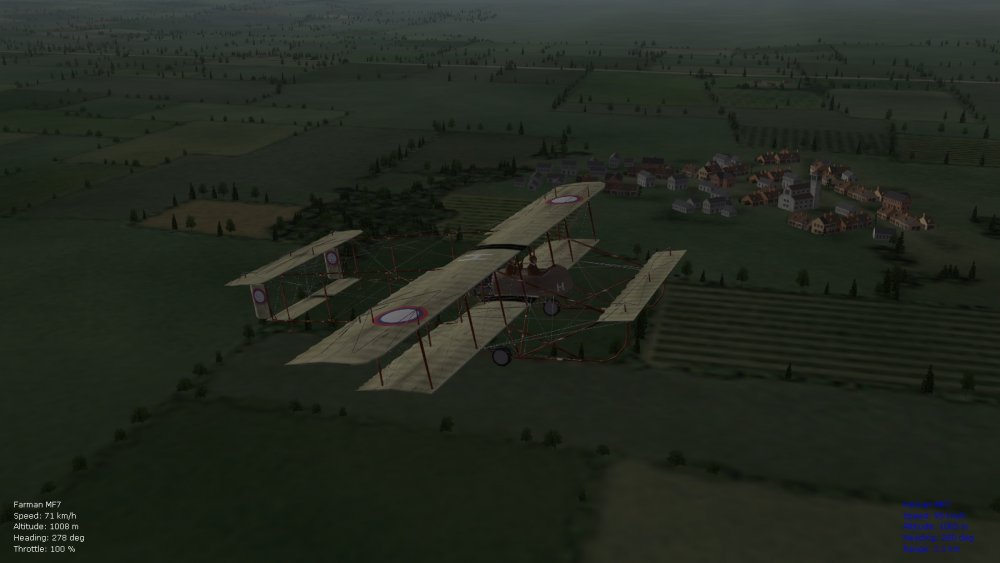
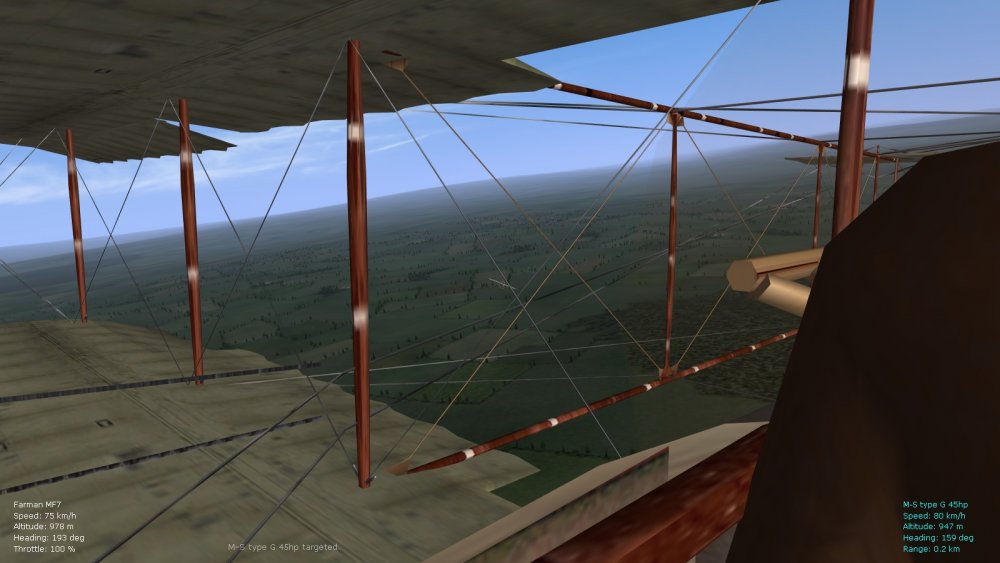
A superb map Steven, thank you for this update to the eastern front! Frame-rates are good on my rig too, and already enjoying some early war scenarios on the map. (Tip: since many of the landscapes are fairly high alt., close to 1000m, as historical, stay away from the M-S type G Dux 45hp Anzani on some of the higher alt. 'dromes if flying for the Russ. Imperial Air Service - or you will be in for a world of hurt.) I've been using the Longhorn and, while slow, it can get up to about 3000 m alt. Great stuff gents. (Have also been doing some experiments with wind shear/turbulence - will include with a ver. 9.7 of the FM update pack eventually.) Von S
-
Thank you for this beautiful skin - now I am even more motivated to tweak the FM for the Roland D.VIa with your skin installed. Happy flying, Von S
-
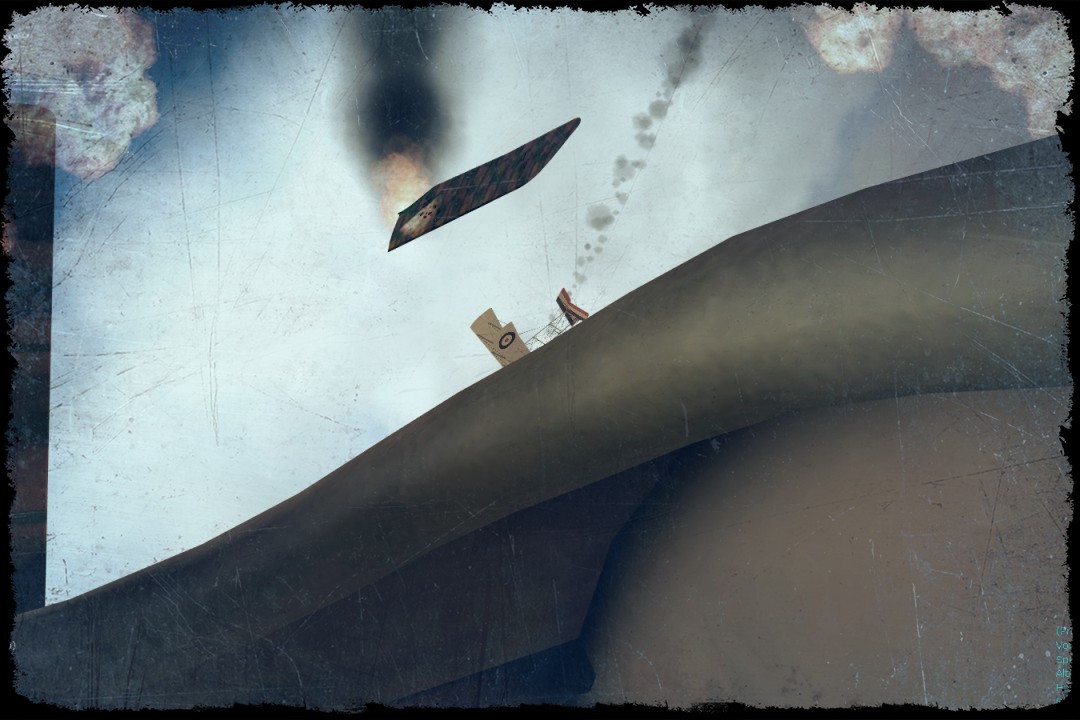
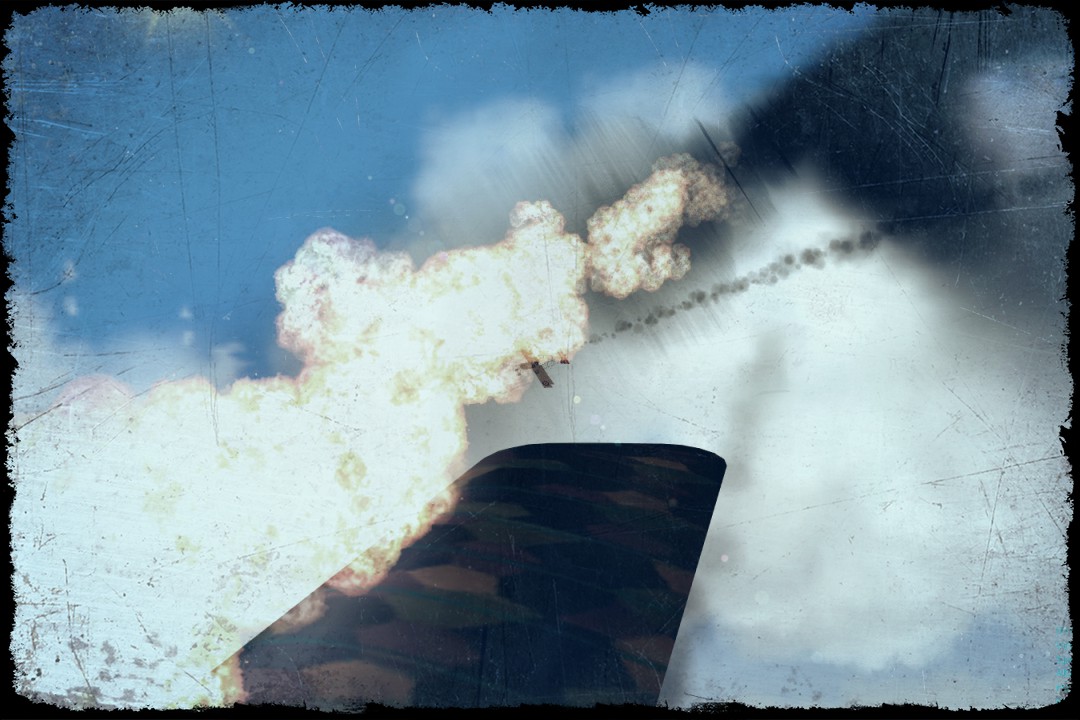
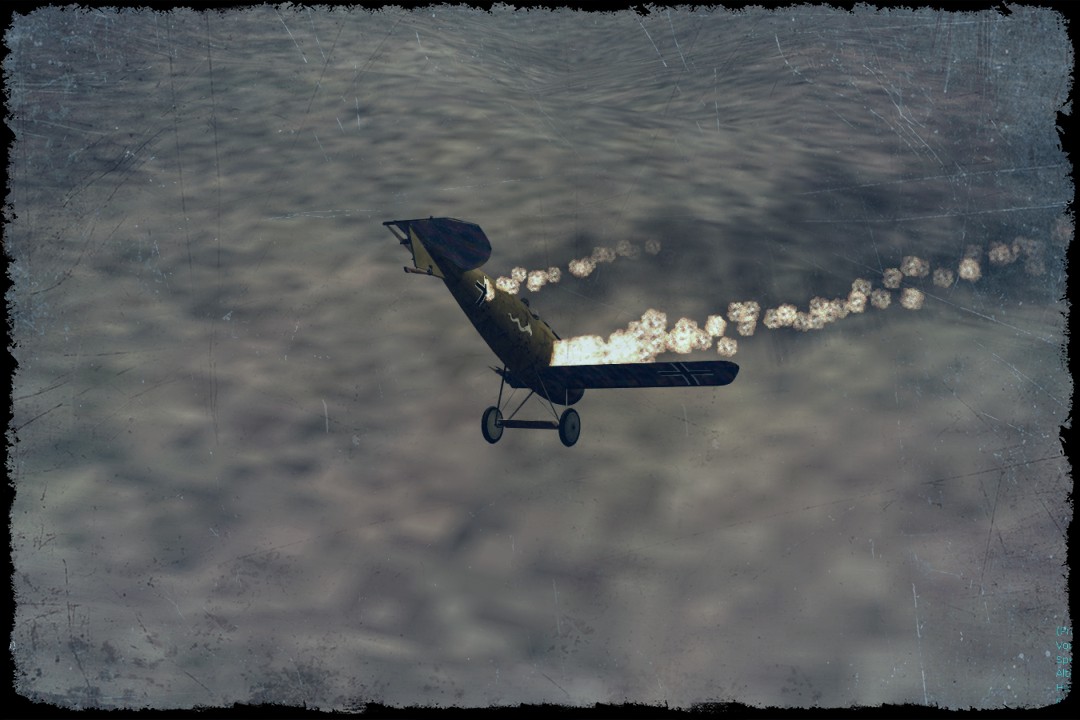
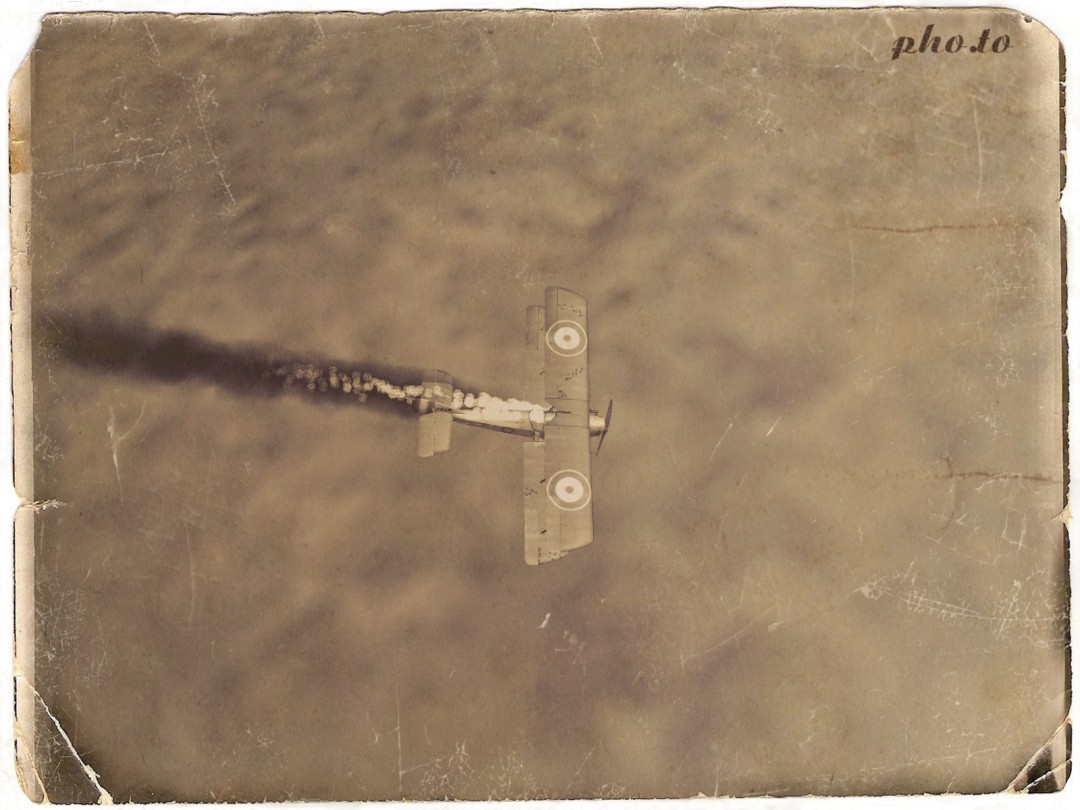
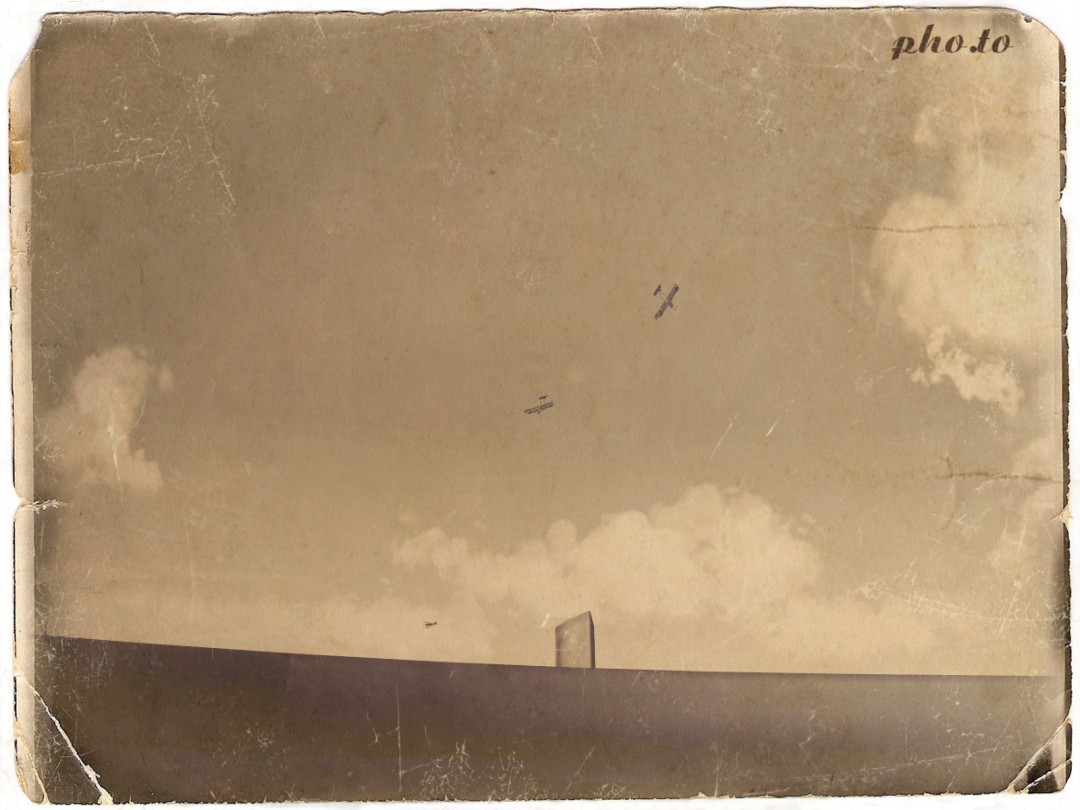
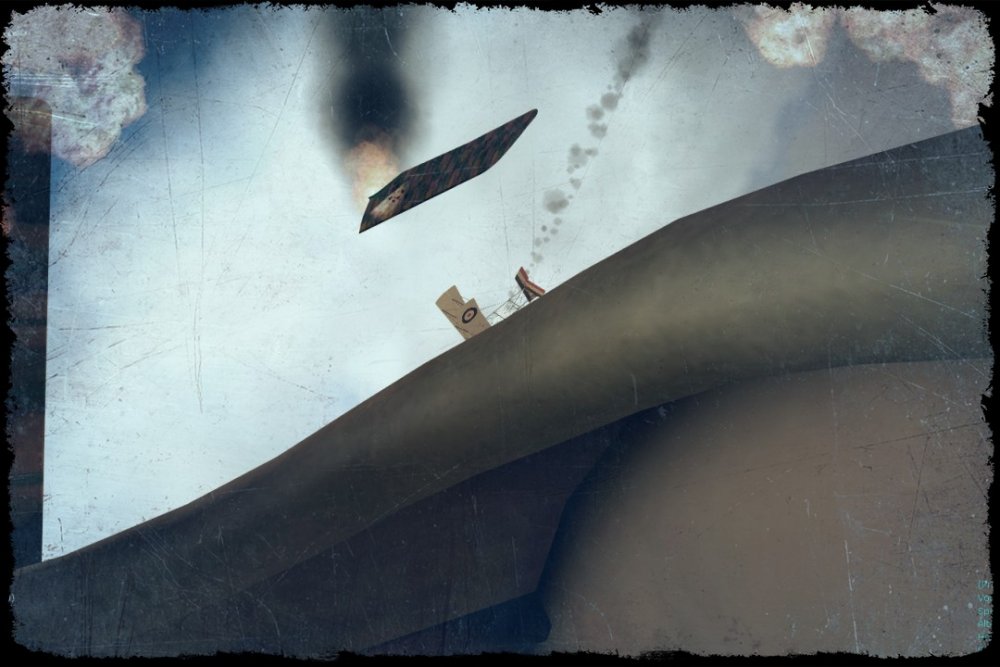
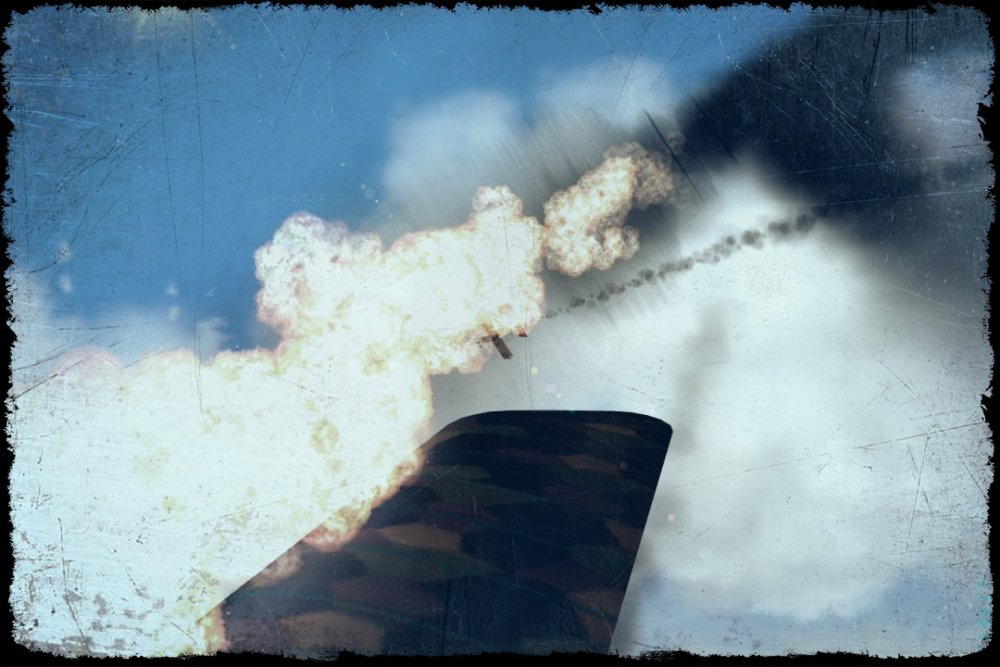
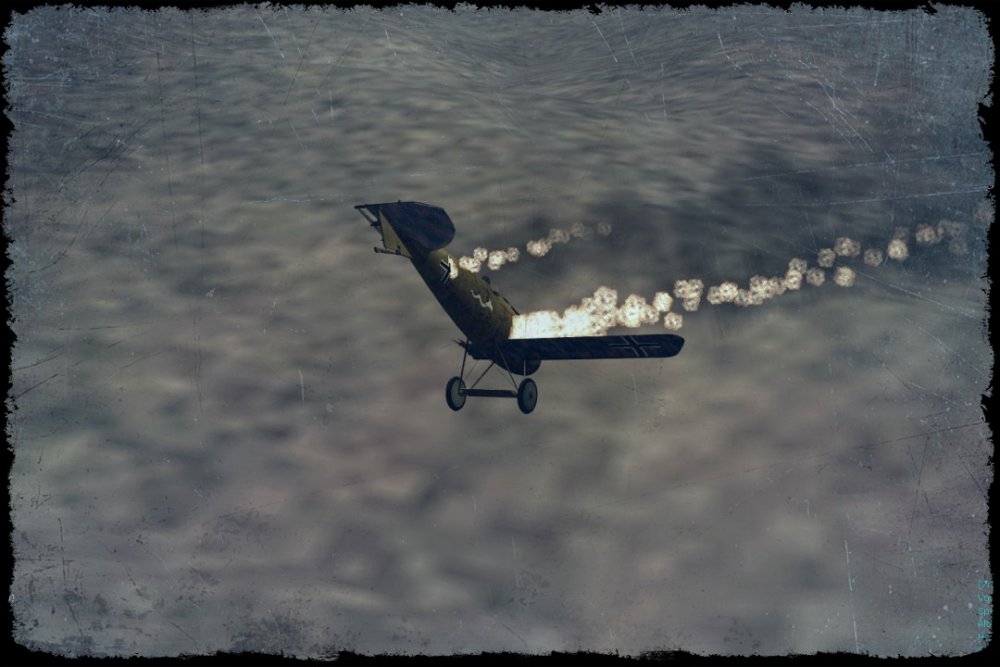
Eleventh DiD Mission for Ltn. Fritz Müller, Palestine theater, following the 20 Rules for DiD --- October 17, 1918 "Slightly windy weather and with broken cloud cover this morning. Was assigned a lengthy defensive patrol about 40 kilometers south of our aerodrome at Aleppo. We ascended to approximately 1800 meters and proceeded as planned, to oversee for enemy ground activity that was creeping further northwards, and to spot for enemy aeroplanes. A young fellow, Vzfw. Otto Krepps, was also accompanying us, in an Albatros D.III with Ottoman markings. We flew southwest as per usual directions. Near our destination point we circled for a few minutes and were then approached by two Martinsydes. Krepps followed one of the Martinsydes further south while I tangled with the other one. Two Voisans had also appeared soon after. I was busy with the Martinsyde for a good 10 minutes but managed to notice one of the Voisans slipping back south over its own lines. Krepps was nowhere to be seen and was likely chasing after the other Martinsyde, I assumed. Our flight leader was in the meantime involved in a very prolonged kurvenkampf with the other Voisan, likely flown by a seasoned airman for I had intermittent opportunity to observe that this character was extremely maneuverable and practiced very tight turns. While still engaged with the Martinsyde, I looked to the east and noticed that the flight leader had now gotten the Voisan, with a thin stream of smoke following it. However, when I looked again the Voisan had somehow turned into our leader and both began descending rather alarmingly, with the flight leader losing most of his wings and disappearing in the region of some marshland that was nested among the hilly terrain below. After dispatching the Martinsyde, I proceeded to do several wide circles but only spotted the crash site of the Voisan that was embedded below near some foliage, with its fuselage burning and wings separated from the wreckage. Neither the flight leader nor his Albatros was anywhere to be found. I returned to base stupefied! 'And what kind of a flight report is this, Nowotny?,' asked Brüker that afternoon, 'and where in the world is Krepps - most likely flew over the British lines and was pounced?' 'It's possible, sir,' replied Nowotny, 'for he was rather keen on getting his first victory.' 'Well then, you will be credited with your eighth victory, for the other Martinsyde. Fortunately some of our retreating soldiers were in the vicinity to confirm. Also to be confirmed is Ltn. Müller's 28th victory over the Voisan,' commented flight officer Brüker. 'And now to this business of Müller - are you sure he went down?' 'Yes sir,' responded Nowotny, 'I saw some of his wings break off as he plummeted into the marshland fenced in by some hills.' 'But could you spot the location of the crash?,' asked the flight officer. 'No, you see sir, I did several wide circles above the area and there was nothing, except for the burning remnants of the Voisan.' 'That will be all Nowotny, thank you.' 'Thank you, sir,' was Nowotny's reply, before he departed for his tent. 'What to do with this nasty business,' thought Brüker to himself. 'I will report this as a case of missing in action, and for good measure Ltn. Müller will be awarded a wound badge - he was a stellar flier that one, and there will certainly be less aerial action now at Aleppo as we return to a slower pace,' ruminated the flight officer while puffing on his cigarette and adjusting his monocle. Meanwhile, at the British field hospital located just on the other side of the lines, about seven kilometers south of that morning's engagement with the Voisans and Martinsydes, in a corner of the room - and with his entire body in a cast - was a strange sight of a patient. 'What's wrong with this one,' asked the doctor while staring at the nurse's healthy proportions. 'Oh, he's not one of ours doc, was picked up by our patrol in the afternoon; three broken ribs, a dislocated ankle, broken arm, and concussion, pulled him out of what was left of his crate, stuck in some mud, the poor fellow - should be able to survive, lucky this chap, I'd say.' 'I know a bit of German nurse,' uttered the doctor, 'and will try to ask him a question.' The doctor then whispered something through the cast covering this fellow's head. A muffled response was heard; the doctor was silently contemplating the answer. 'Well, what did he say, I just adore his accent behind that cast,' was the nurse's reply.* 'We have to wait for the effects of his concussion to wear off; let him rest for a day or two. I think he mumbled something about a certain Pfalz - but I don't know any such fellow.' The doctor concluded that Pfalz was another doctor or perhaps a medical intern, and didn't give the comment much thought as he went off to attend to other patients." ----- * We will assume that Ltn. Fritz Müller survived and returned to the Weimar Republic after spending a few years in Istanbul, where he trained young pilots. For further narrative warmth, as we unexpectedly complete this series of adventures cut short by an aggressive Voisan, let us conclude that Ltn. Müller married the buxom nurse too, and that he grew an aversion for Albatroses while always fondly remembering his two Pfalzes that he flew earlier in the theater. Nowotny, by the way, also survived and went to South America to do stunt flying. Steinmann, after recovering and being discharged from the field hospital near Aleppo once the war was already over, went back to Baden-Baden and became an excellent chemist and professor of chemistry at a local college, doing research in octane ratings and gasoline supplements well into the 1950s.
- 12 replies
-
- 1
-

-
- awards
- first eagles
- (and 6 more)
-
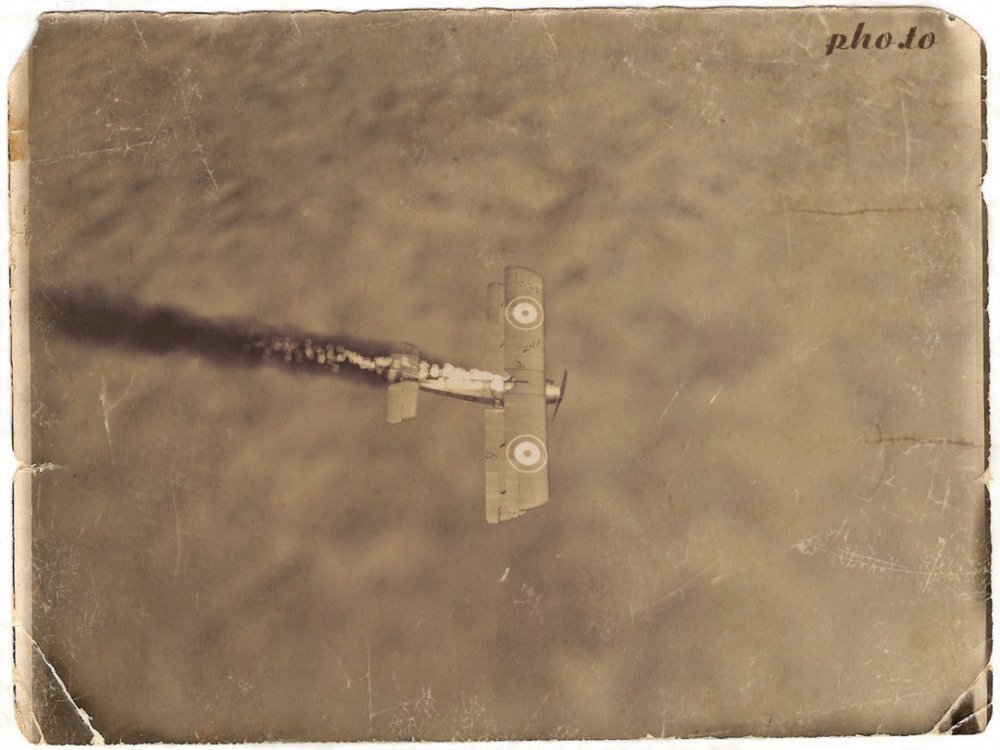
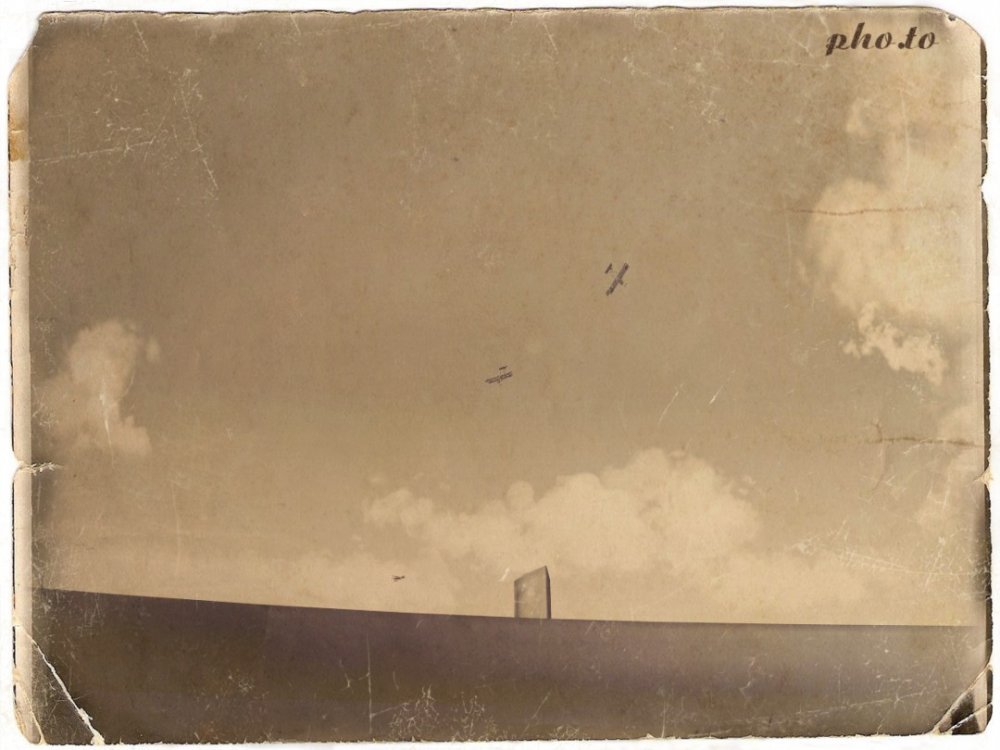
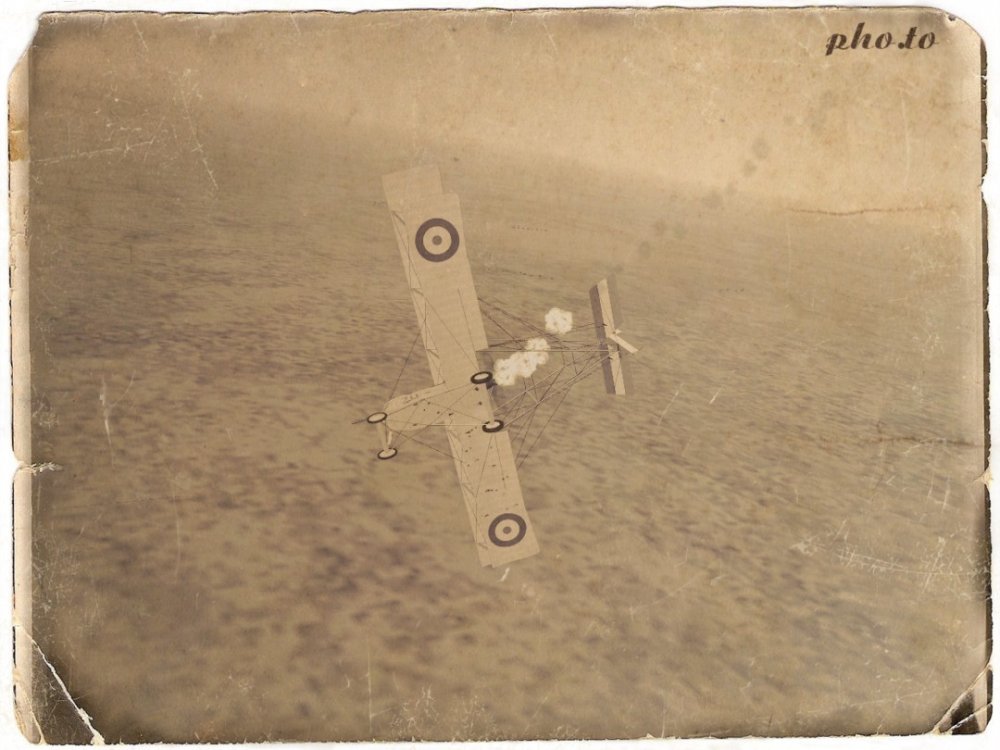
Tenth DiD Mission for Ltn. Fritz Müller, Palestine theater, following the 20 Rules for DiD --- October 12, 1918 "On the 10th of the month I had some time in the morning to visit Steinmann at the field hospital and presented to him, in delicate terms, what had happened to our flight officer from Jenin, and Logan-Ritzer. Steinmann himself was most surprised and commented that the Rumpler should have been abandoned long ago, for it had previously gone through two or three series of extensive repairs. We also discussed further activities at the aerodrome south of Aleppo, over a bag of oranges that I had brought, and he made me promise to greet everyone at the 'drome and to mention that he is recovering well. For my part, I made it known to him that I was sure of his return to the air, perhaps even in a fortnight at the latest. Also, yesterday we had been buzzed by three lumbering types and three Voisans that had emerged from the southwest, and that had dropped a few grenades over our base, fortunately without any serious damage. The weather had however become overcast rather quickly and so we abandoned the idea of pursuing them. This was the first time that we were harassed in such a way. This morning I was busy helping my rigger and fitter to get as much power as possible out of the improved Albatros, and in this confident state I was assigned an evening defensive patrol, around our balloon post and barracks, also the field hospital that were located nearby. Nowotny and I ascended into the sky patched with pretty, scattered clouds, and leveled out at around 1200 meters. We did a wide turn and pushed slightly east of the aerodrome when, not more than three or four kilometers away, we were jumped by a flight of nine Martinsydes that came in at a higher altitude, and from the south.* We accepted the challenge and round and round we went in the middle of this chaotic pattern of aeroplanes. Two fellows, perhaps not trusting their piloting skills, immediately turned towards their own lines and slowly disappeared. The other seven fellows remained and it took us a good 20 minutes, possibly longer, to dispatch them all. Nowotny managed to light up three of these lumberers, but he was then out of rounds and proceeded back to the aerodrome at half-throttle. I had in the meantime disabled the engines on two of the Martinsydes, and eventually sent the other two hurtling into the ground, with a thick column of black smoke trailing them. As I turned and accelerated to catch up with Nowotny, who was already a few kilometers south of our 'drome, I observed two Voisans, the cannon-armed variant, descending from a cloud and trying to position themselves behind his tail. Nowotny had also spotted them and was making a wide ascending turn, while I flew into the fray and danced a while with these pesky Voisans. At first one fellow went spiraling down, with one of his bottom wings missing, and then I hit the other fellow too, who was now emitting an engine fire and thin stream of gray smoke as he turned on his back and descended in the vicinity of our barracks and field hospital. Nowotny had already landed by the time I, now exhausted, rolled up to my hangar and clambered down from the cockpit of the Albatros. 'Well done Fritz, I'd say this was our best show yet!,' said Nowotny, who had been talking to one of the mechanics. 'And what has Brüker to say, I wonder,' was my response. We proceeded to the flight officer's tent and were cordially greeted. Nowotny was credited with his three Martinsydes, bringing his total to seven, and was to be awarded the Iron Cross 2nd Class. I was credited with the two Voisans that had been observed plummeting down by some fellows at the barracks slightly south of the aerodrome, and also with three of the four lumbering types I had downed (one would remain unconfirmed since I had chased it too far south before it was dispatched). 'Congratulations gentlemen,' was Brüker's response; 'and with your total now standing at 27, Müller, I am pleased to inform you that you will be receiving the Saxon Order of Albert, Knight's Cross 2nd Class.' A pretty little medal, I thought to myself that night in bed, and a rare one, although I was more pleased to see Steinmann two days ago and to hear that he is recovering quickly. I was also, on a more grim note, being troubled by images of Voisans fluttering by me, in a sort of half-sleeping dream in which I was trying to maneuver between them but also was attempting to stay out of the reach of their cannons. No matter how slow, these types were proving more and more troublesome to bring down; and I remembered Von Wincklermann's words to avoid them if too many were approaching, or if they were too close for a proper melee to begin." --- * The formation.ini file was removed from the Flight folder in FE2 for this particular mission, which, even with light aircraft activity set in the main menu, produced a larger sweep of enemy planes, as typical of the British buildup for the final large battle, of Aleppo, in this theater. The formation.ini file was then placed back in the Flight folder for subsequent missions, and for variety.
- 12 replies
-
- 1
-
-
- awards
- first eagles
- (and 6 more)
-
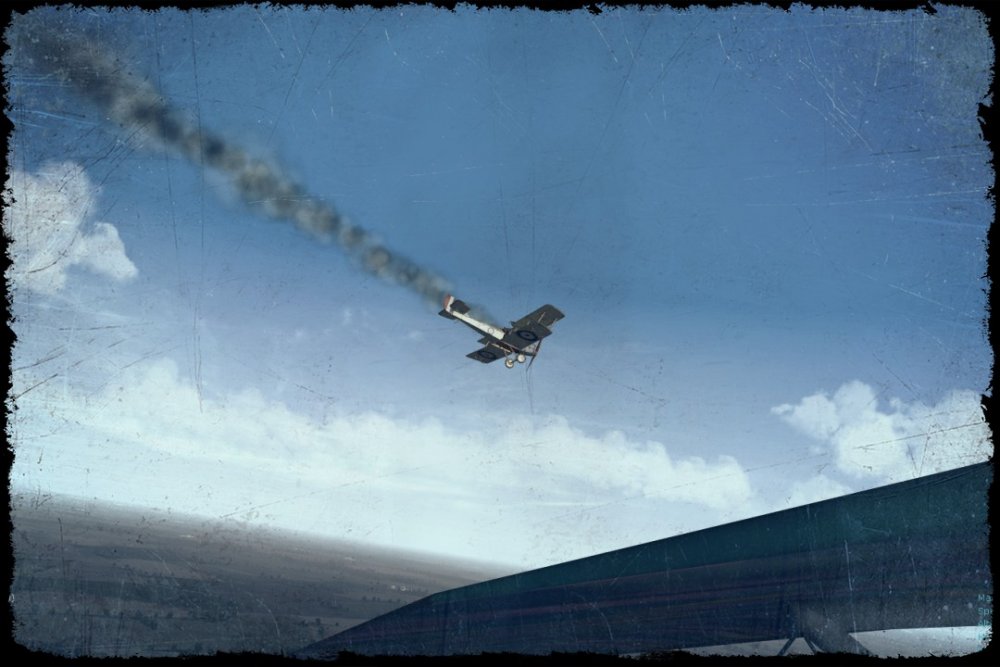
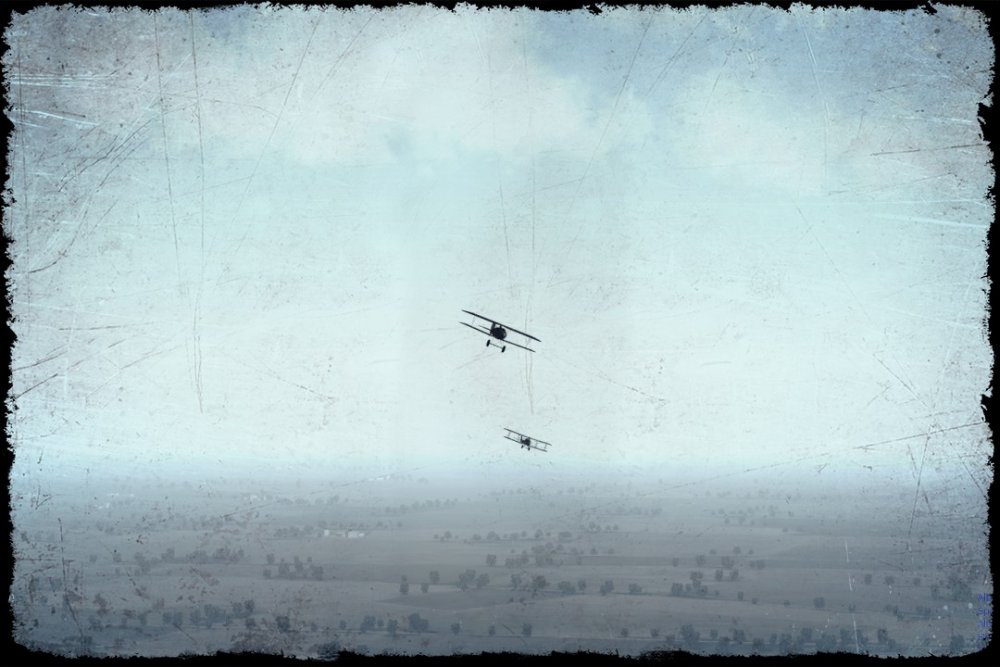
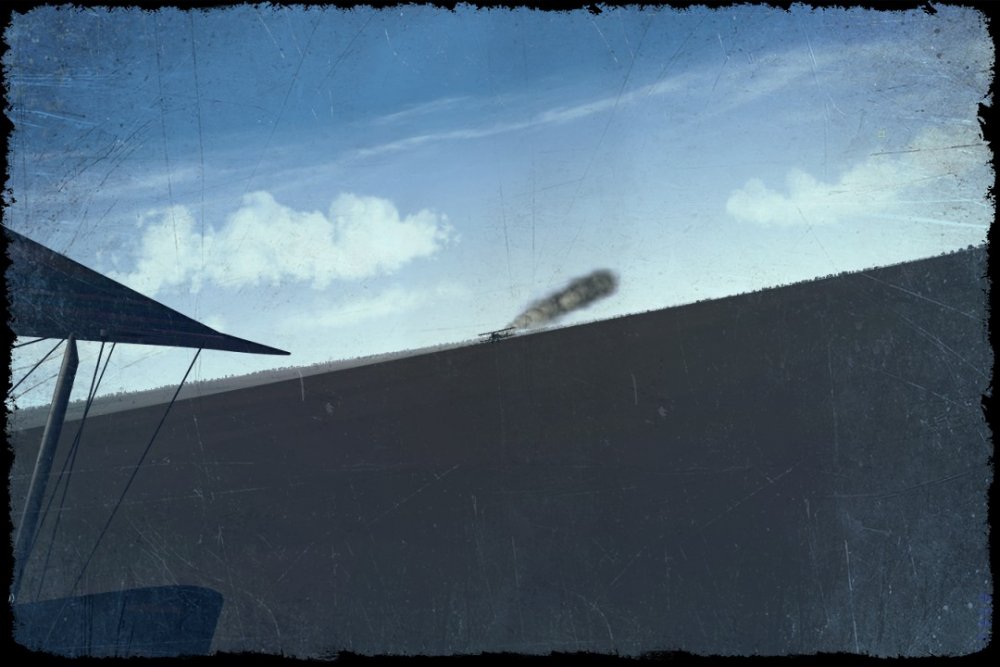
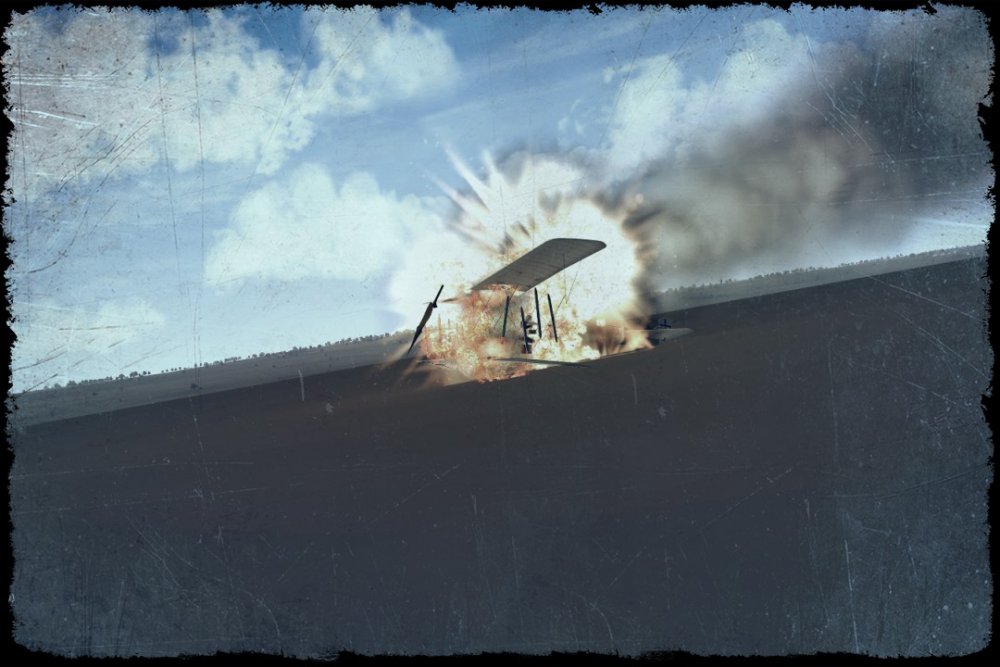
Ninth DiD Mission for Ltn. Fritz Müller, Palestine theater, following the 20 Rules for DiD --- October 6, 1918 "We were bogged down by inclement weather for two days north of Damascus at our makeshift camp and only made our escape to Aleppo, by air, on the 29th of September. On the first of October Damascus had fallen to the English. The aerodrome slightly south of Aleppo, where we are presently situated, is a pleasant one. There are several Albatroses of the D.III variant here, with Ottoman markings. Some are in disrepair but it is a fairly busy place nonetheless. The local flight officer, Hauptmann Hans Brüker, is a jovial fellow and gets along well with Von Wincklermann. I and Nowotny had not been assigned a mission for several days and usually we would spend our free time doing acrobatics over the aerodrome in the improved Albatroses brought over from Jenin. Von Wincklermann and Logan-Ritzer in the meanwhile have been doing a few reconnaissance flights further south, to keep track of the movement of British troops that are now located 30 kilometers or so north of Damascus.* Today I was finally able to fly a mission, an early morning defensive patrol in good weather, to be accompanied by my flight officer and Logan-Ritzer in their Rumpler. We ascended to about 1300 meters, engaged in a wide turn south of the aerodrome, and already spotted a Voisan, lumbering Martinsyde, and stub-nosed scout approaching from the west, on the level. A melee immediately developed and lasted nearly 15 minutes I would say. Our Rumpler initially managed to get some shots into the Martinsyde but then the lumbering type turned the tables and began chasing the Rumpler, putting some shots into his tail. I was too busy with the Scout Experimental now and could not come to the Rumpler's aid. My opponent was a seasoned airman and specialist at the slashing attack, often accelerating away and doing wide turns to come back at me. Using the better maneuverability of my mount, I eventually got into a position to disable his rudder, whereupon his turns became rather sloppy. A few minutes later his engine began to emit smoke, to my delight, but the fire was put out in a prolonged dive. We then went at it several more times before I sent another few well-placed rounds in his direction. Most likely the pilot had been wounded or killed, for I next saw him side-slipping into the ground, to break into several pieces. While the Voisan had taken advantage of the commotion to float further south over its own lines (for it was nowhere to be seen), the Martinsyde and our Rumpler were still in a fight a couple of kilometers east of me. I quickly caught up using my 170-horse engine, hit the lumbering type's fuselage with several rounds, and then observed its propeller spin down and a small fire erupt from the engine. The lumberer, in this incapacitated state, glided off to the southwest but I did not bother to pursue it. The Rumpler and I rejoined and we proceeded to our aerodrome. The short hop back was uneventful. I landed first, rolled to a stop, and was still in my cockpit unfastening my harness when I saw the Rumpler approach our base. Its elevator was vibrating slightly and it landed roughly, with a slight thud, upon which its engine began to rumble and emit gray smoke. It came to a halt rather quickly but at that moment - how horrible to relate - the engine fire engulfed the entire length of the fuselage of the old Rumpler, and it exploded! Wings and struts flew in several directions, thus marking the end of our flight officer from Jenin and the honorable Carl Logan-Ritzer of tavern poem fame. Nowotny, after hearing the noise, ran out of his tent, as did I clamber down from my cockpit, but our efforts to help were useless. Several hours later only a charred indentation remained and some pieces of the Rumpler's engine, marking the spot where it was engulfed by fire. That evening the flight officer at Aleppo, Brüker, attempted to console us - but our nerves were frayed, with everyone sulking about during dinner and staring at the two empty chairs that were next to the table. 'Most likely,' uttered Nowotny, 'the Rumpler's elevator was weakened by rounds from the Martinsyde; this accounts for the rough landing, and perhaps the fire and explosion. Take consolation in the fact that you did not return empty-handed and have levelled the score, Fritz.' I pondered over Nowotny's words that night in bed. Victories 21 and 22 I would dedicate to the memories of Logan-Ritzer and Wincklermann. But who would inform Steinmann, still at the field hospital, of the sad turn of events? He had telephoned yesterday and requested oranges. I thought about the oranges, to block the explosion of the Rumpler from my mind - and this way fell asleep amid visions of a fruit grove." --- * Aleppo fell to the British on October 25 of 1918, unofficially marking the end of the war in this obscure theater. A formal truce would follow on October 29. While there was hardly any flying from the Germans in the second half of October, the 20 Rules for DiD require, should he stay alive, another three missions from Ltn. Müller. The author of these field reports eagerly awaits those missions, which will bring us up to the 100th anniversary of the end of the First World War.
- 12 replies
-
- 3
-
-

-
- awards
- first eagles
- (and 6 more)