

dtmdragon
-
Posts
2,123 -
Joined
-
Last visited
-
Days Won
28
Content Type
Profiles
Forums
Gallery
Downloads
Store
Everything posted by dtmdragon
-
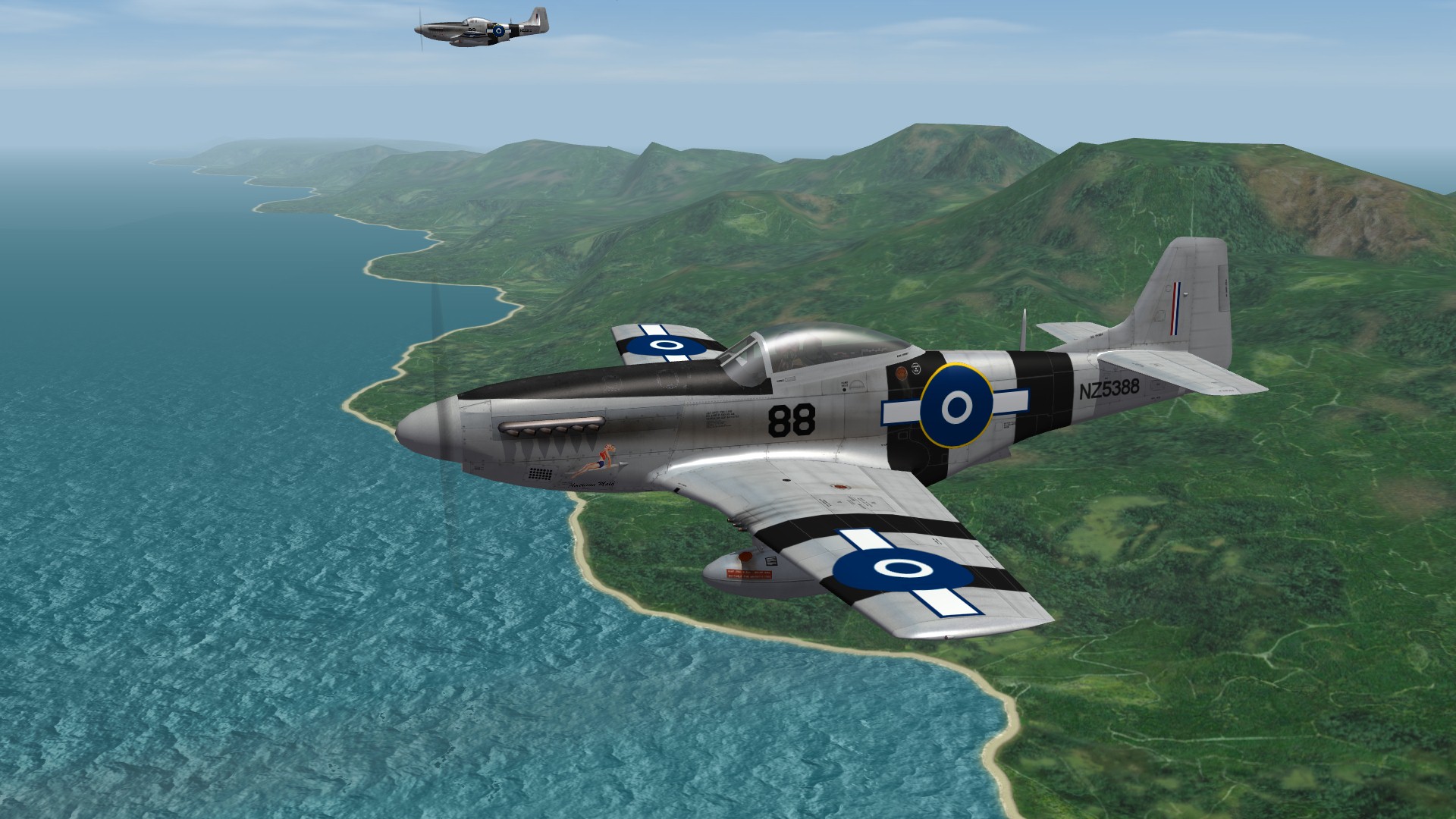
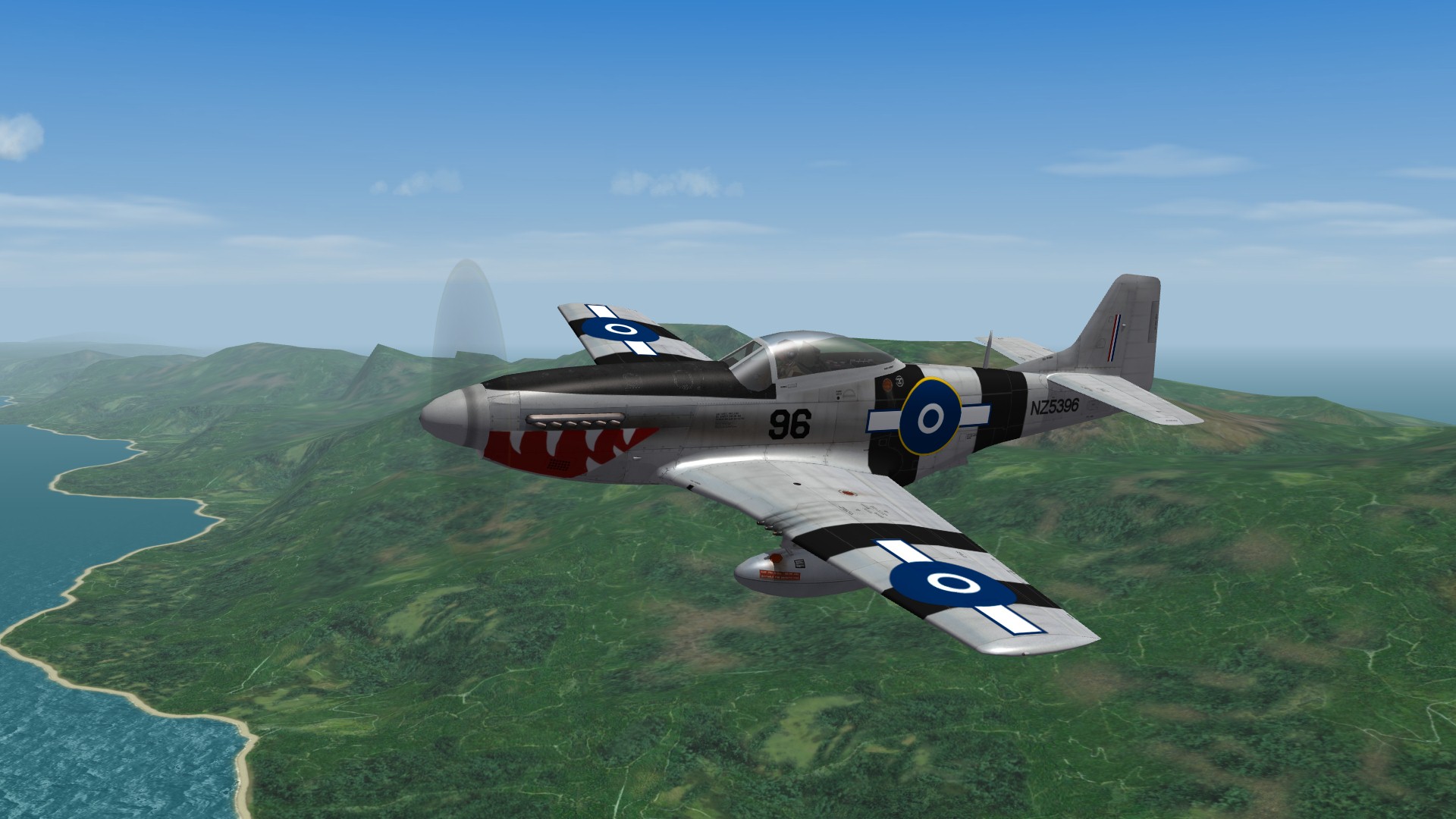
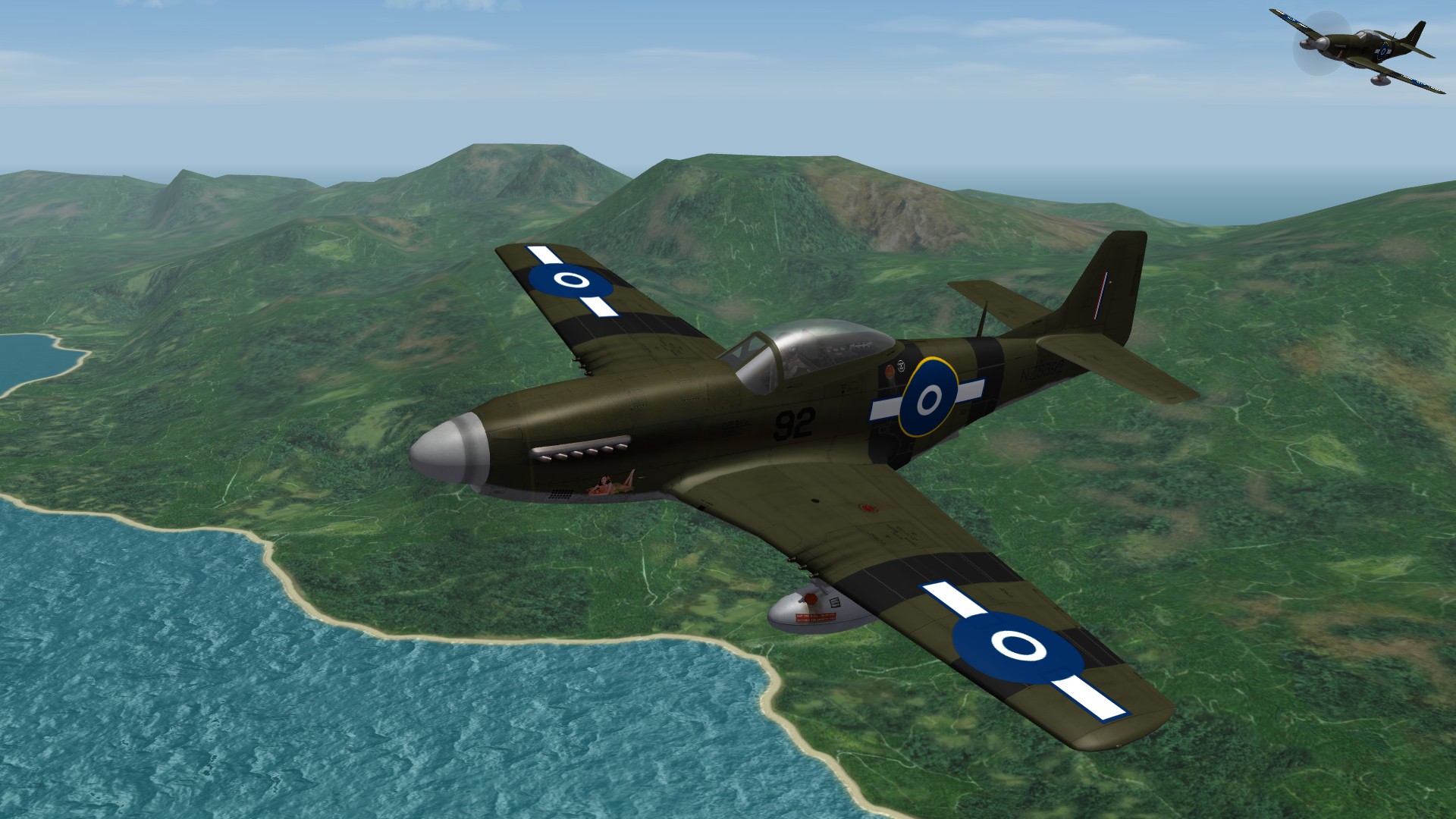
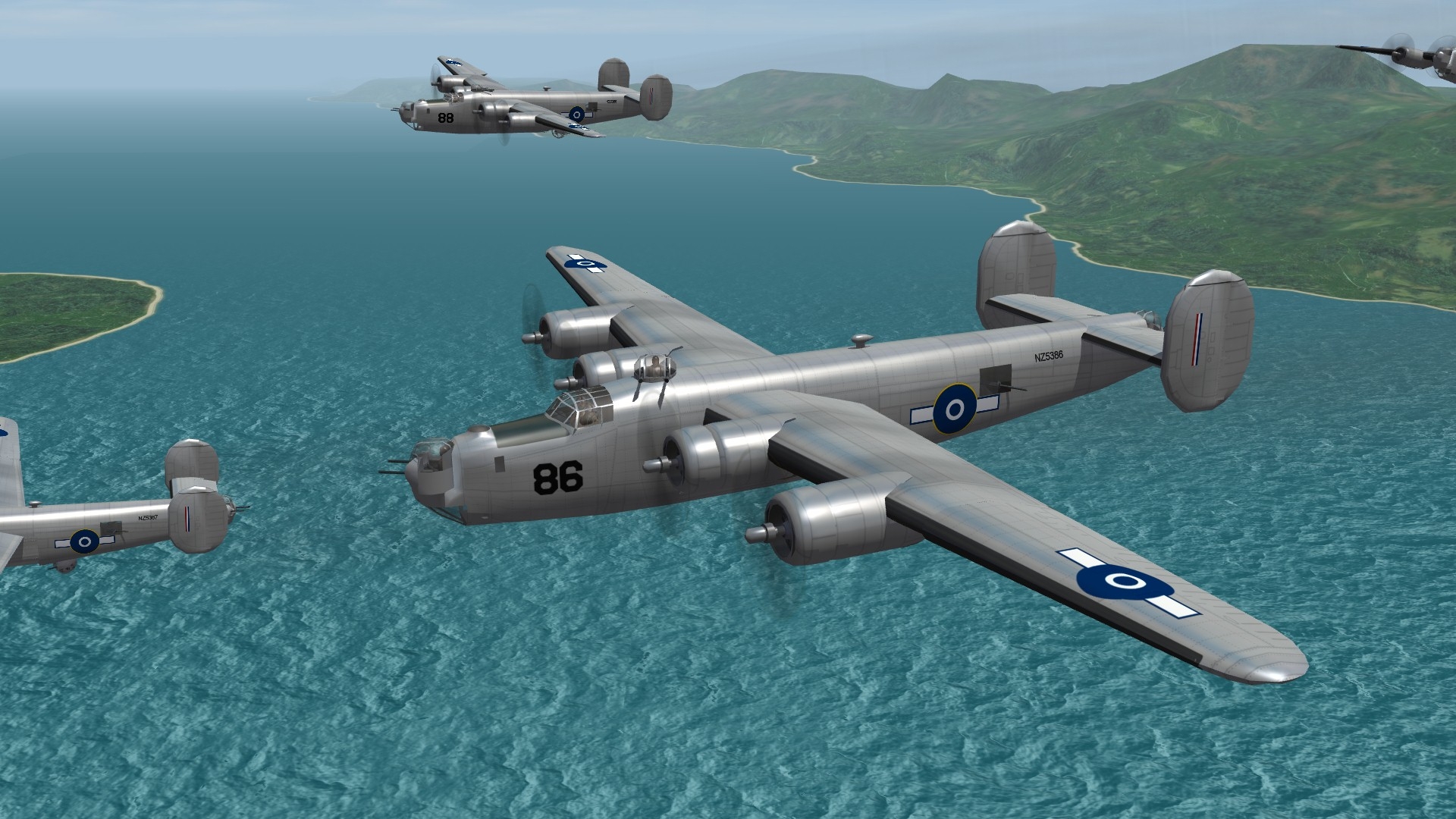
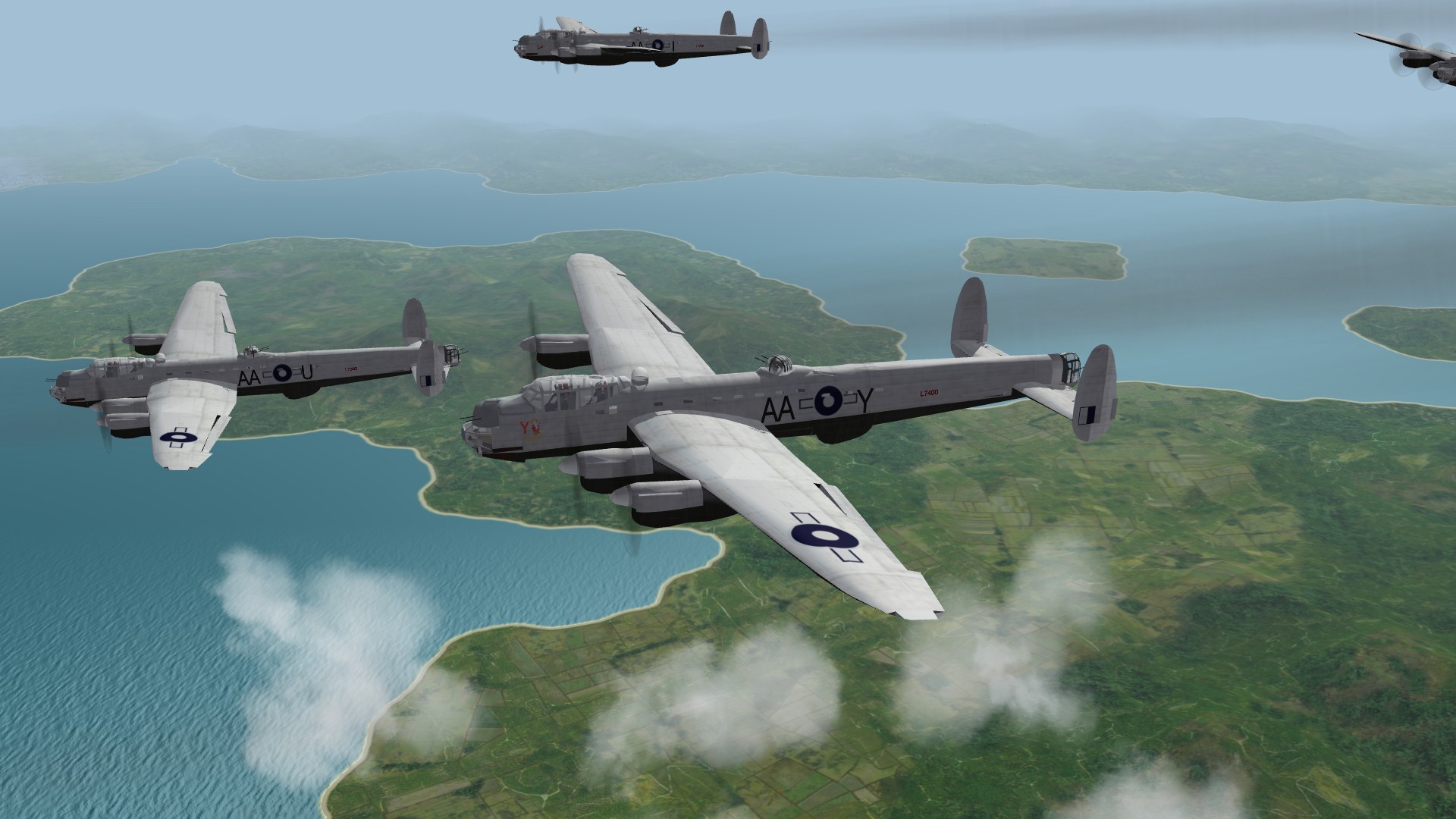
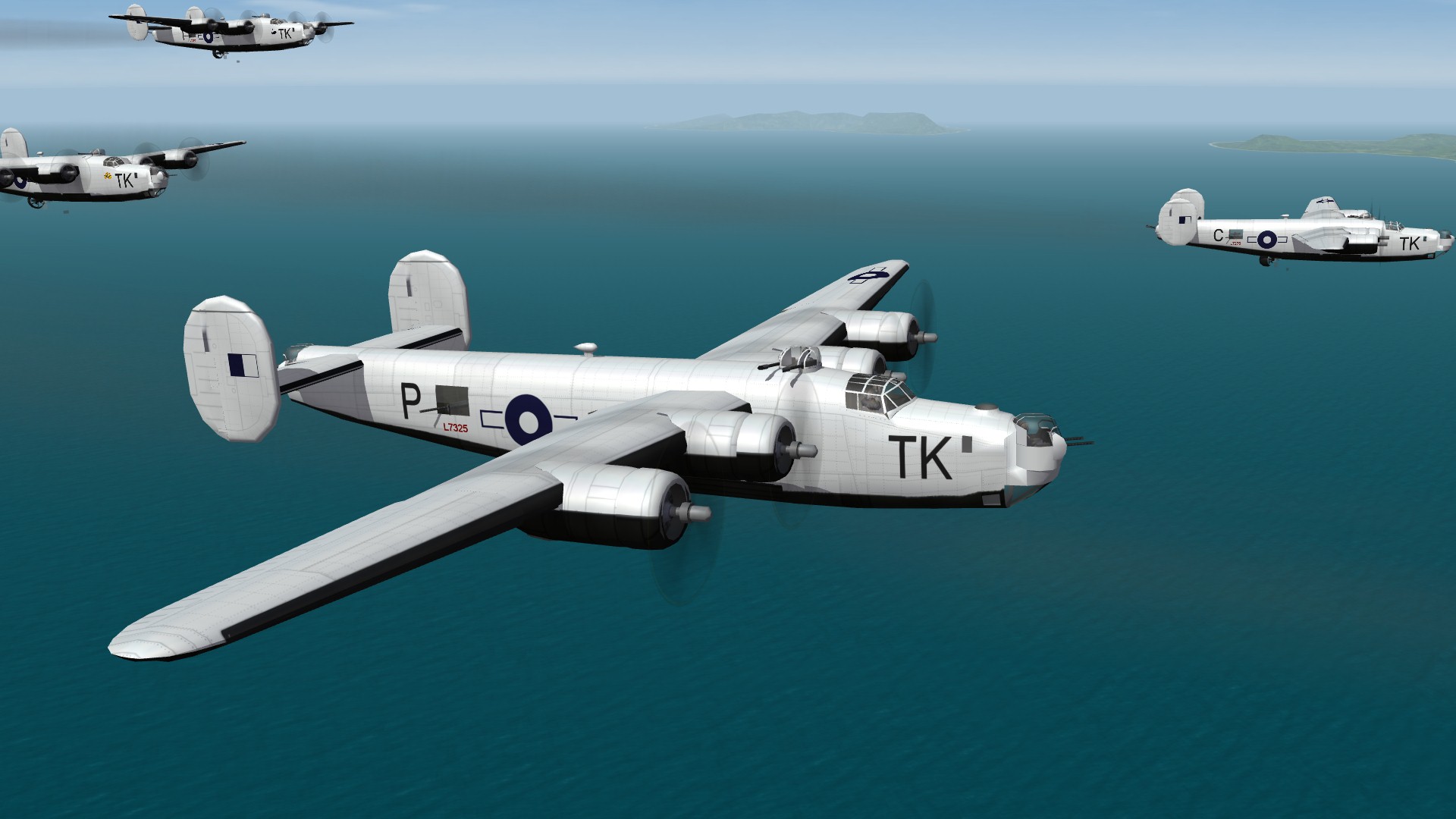
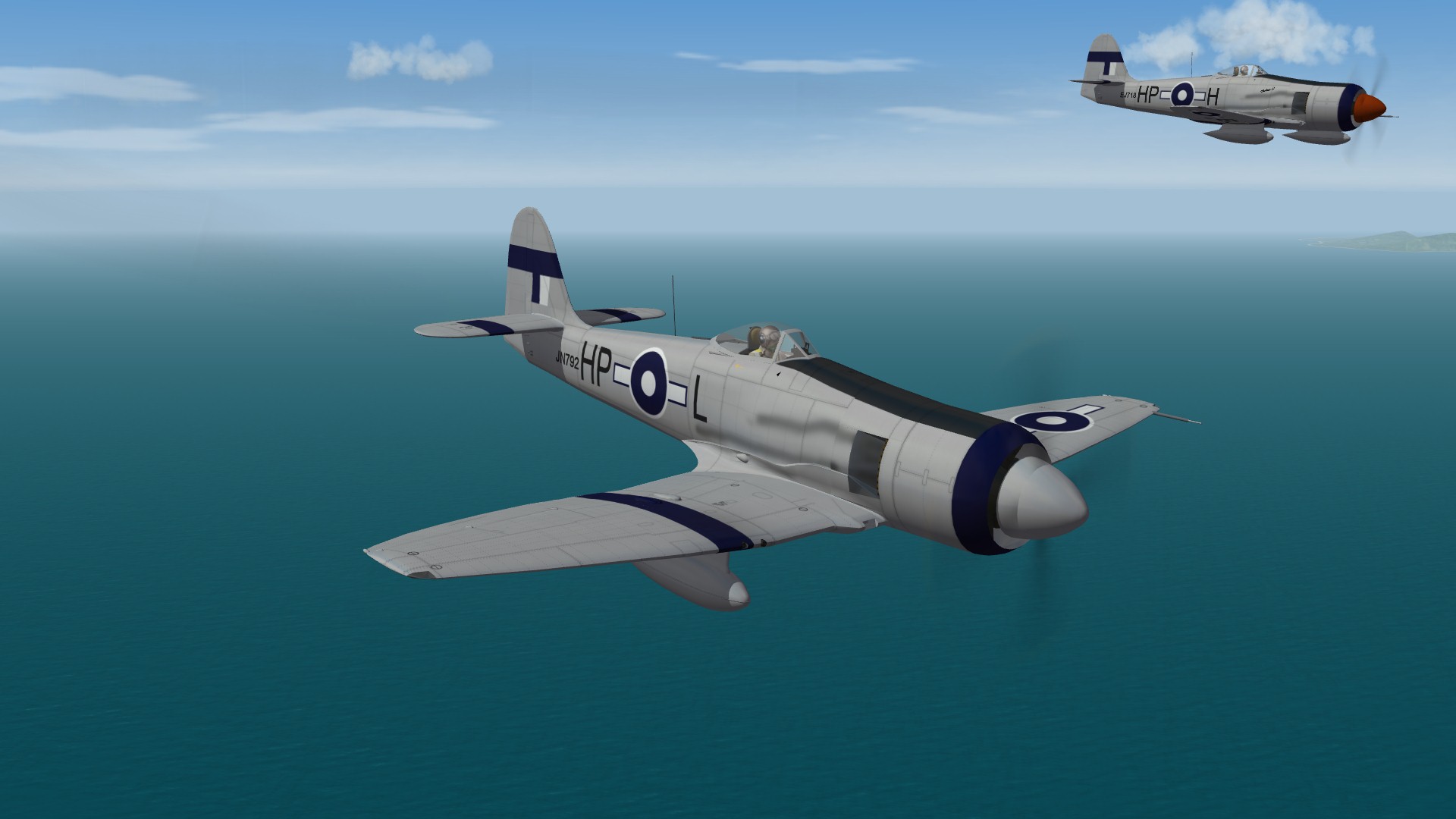
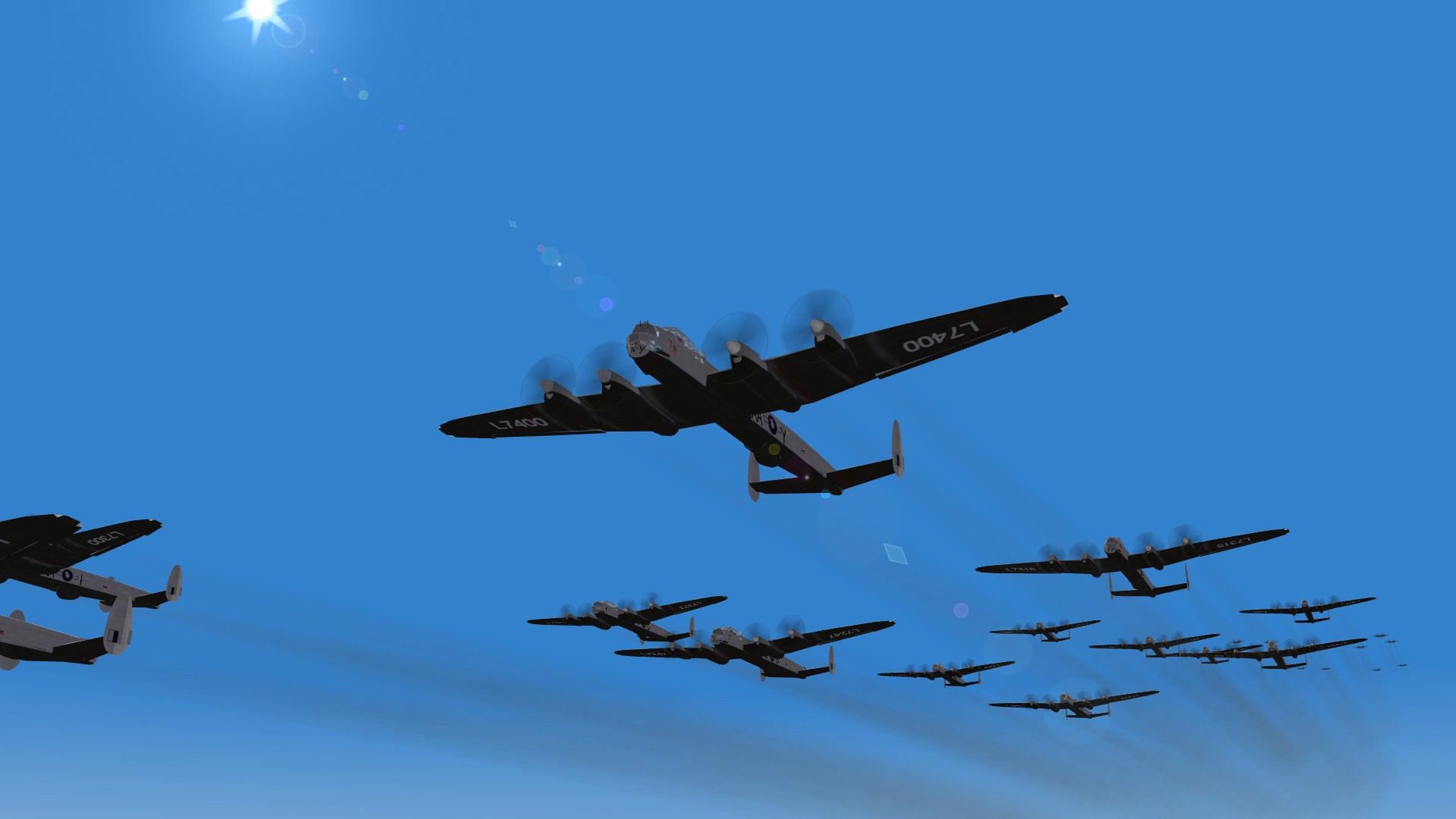
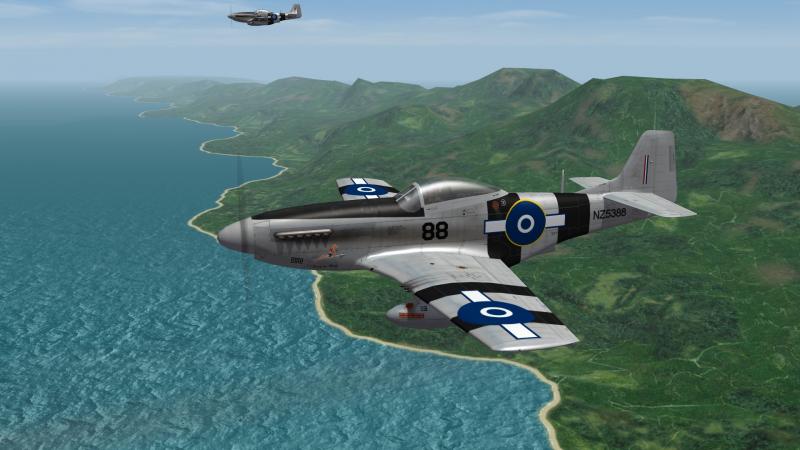
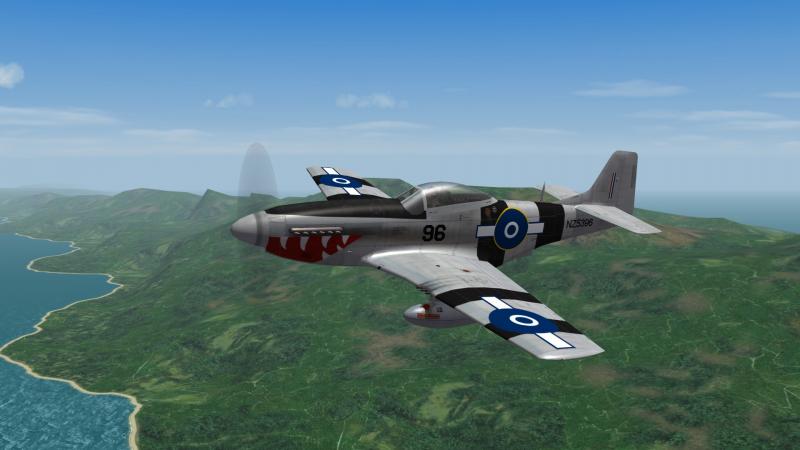
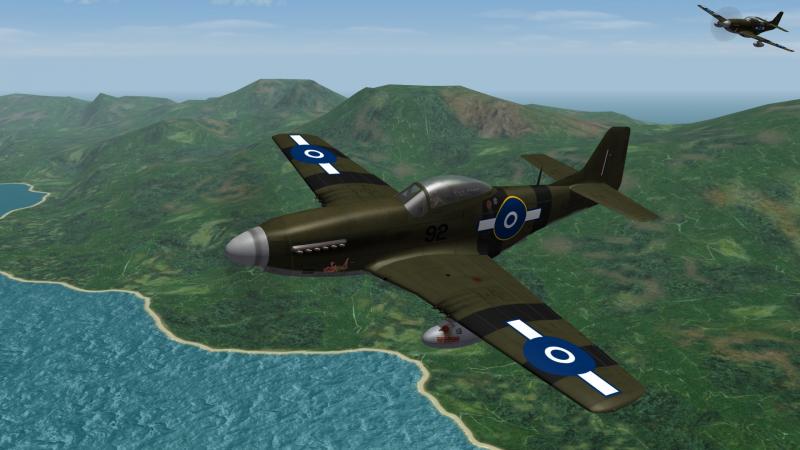
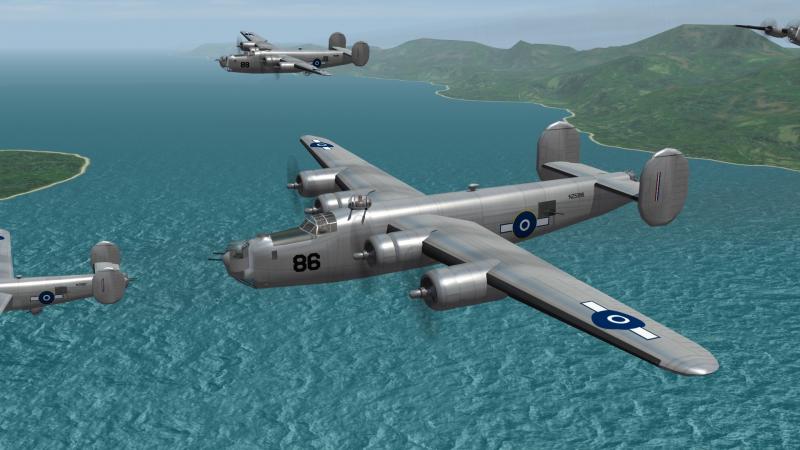
Planned RNZAF P-51D and B-24J had the war in the Pacific contained. The RNZAF would have been re-assigned to the Southwest Pacific Theater and operated in the Philippians and Borneo. Changing from a US Navy command to a US Army command meant a change of aircraft type for the RNZAF. Japans surrender naturally meant the cancellation of the order apart from the first of the P-51D Mustangs that would go on to equip New Zealand's Territorial (Reserve) Air Force post war. Black theater bands are for the Philippians Theater.
-
I stand corrected
-
No, unfortunately that is the way the game is built and can't be changed.
-
Crusader you are my hero!!!! I have tried to crack this one for ever! I am putting it straight to use in ODS on the F-4E_86 dropping CBU-87 on AAA and SAM sites!
-
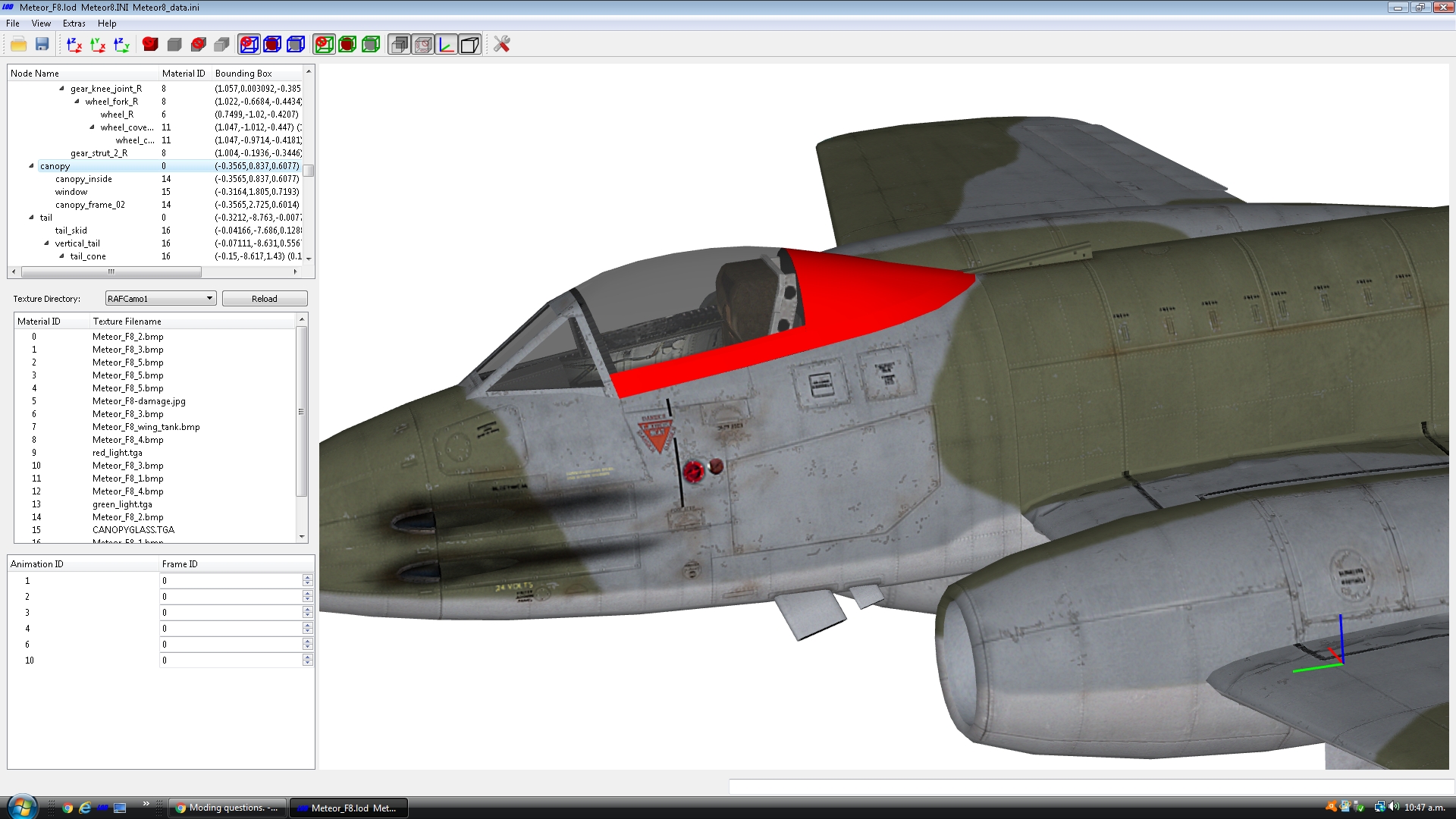
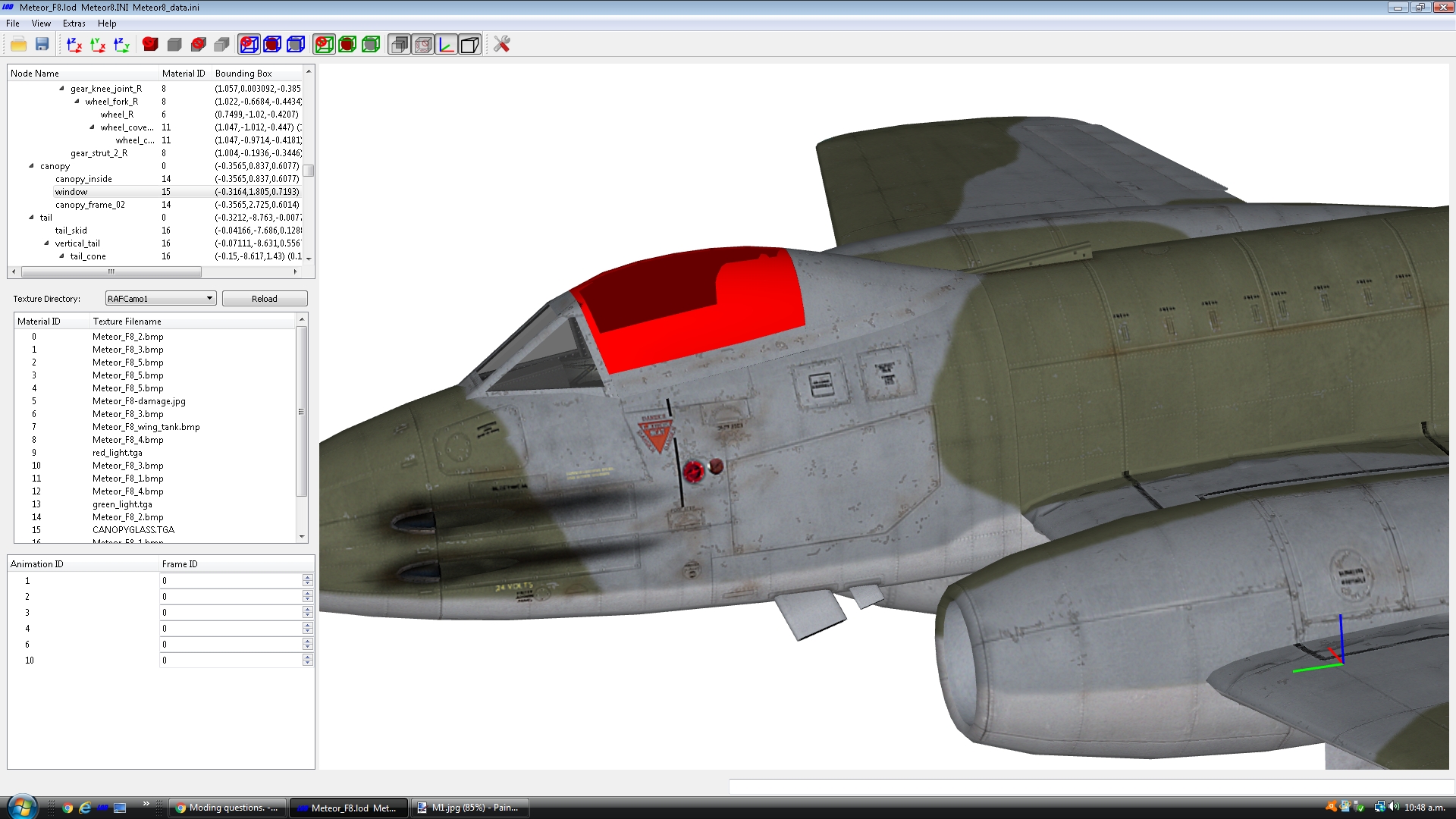
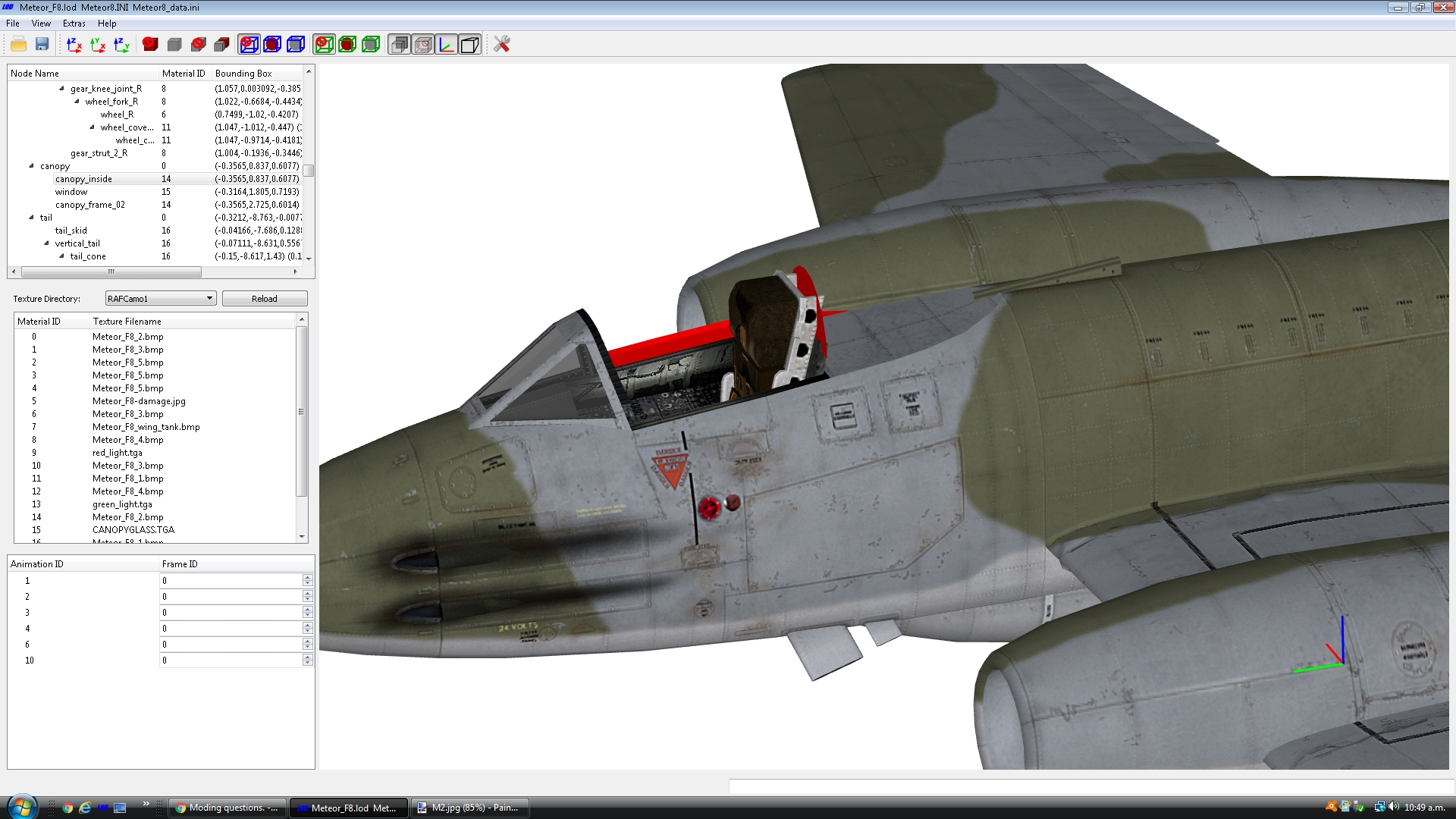
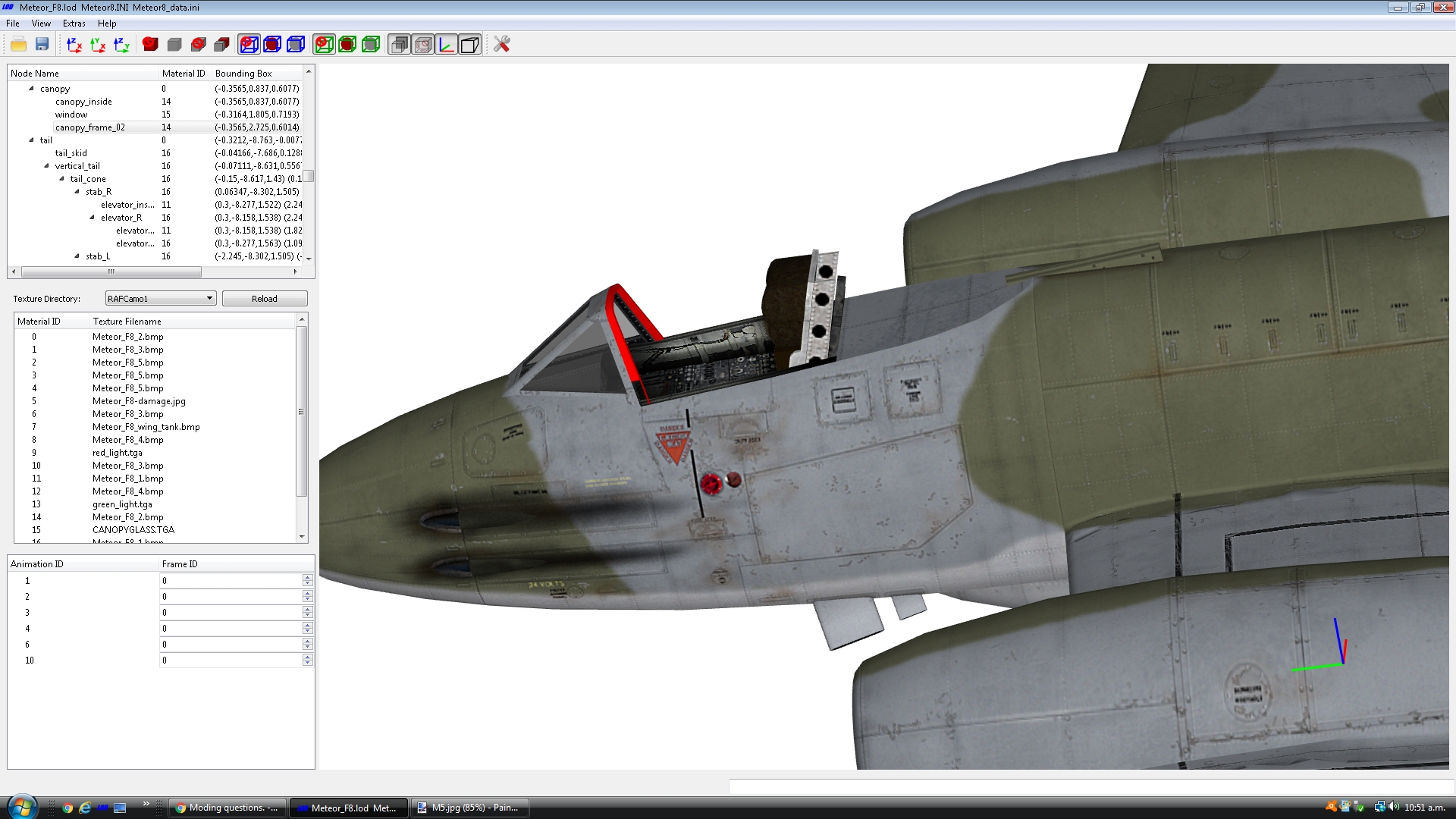
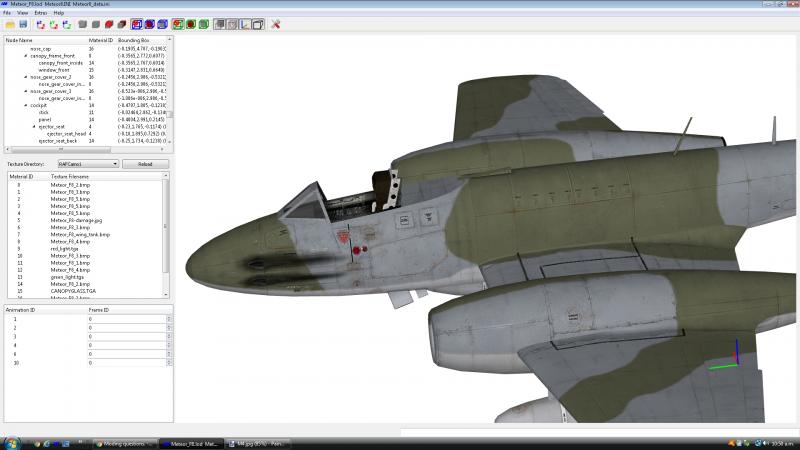
'Canopy' should get rid of all you want.
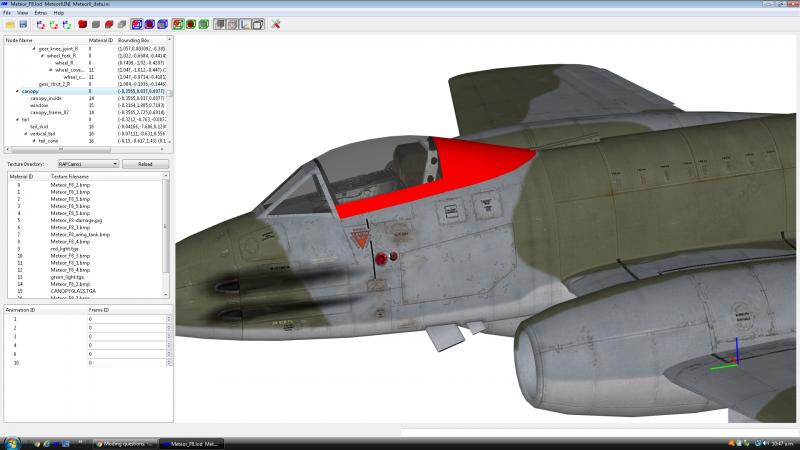
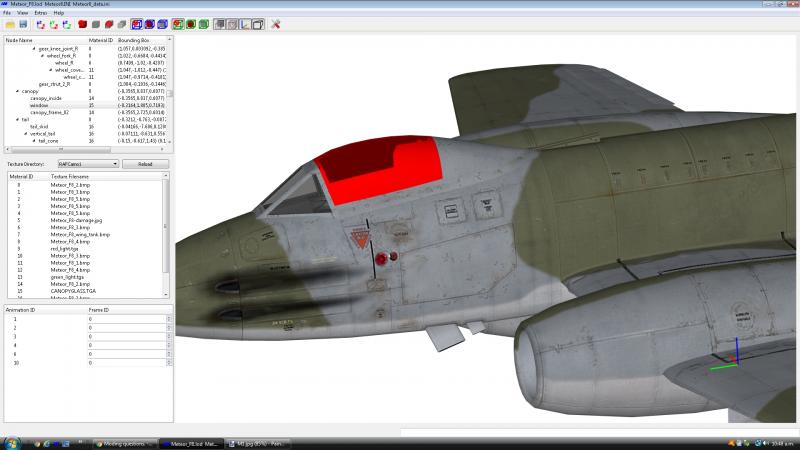
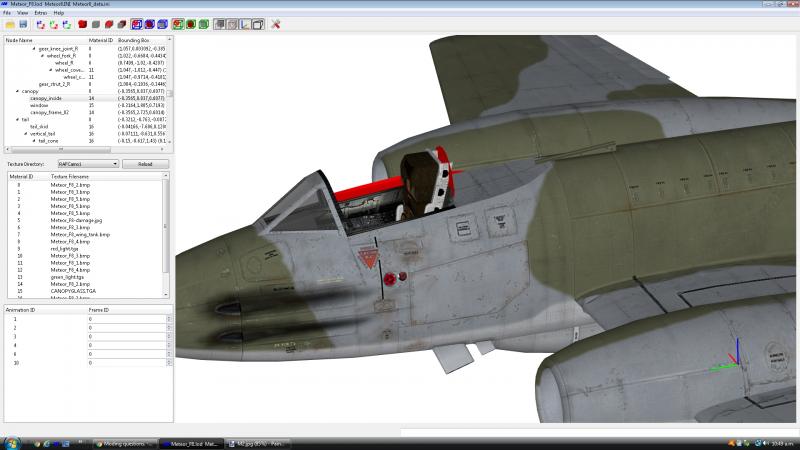
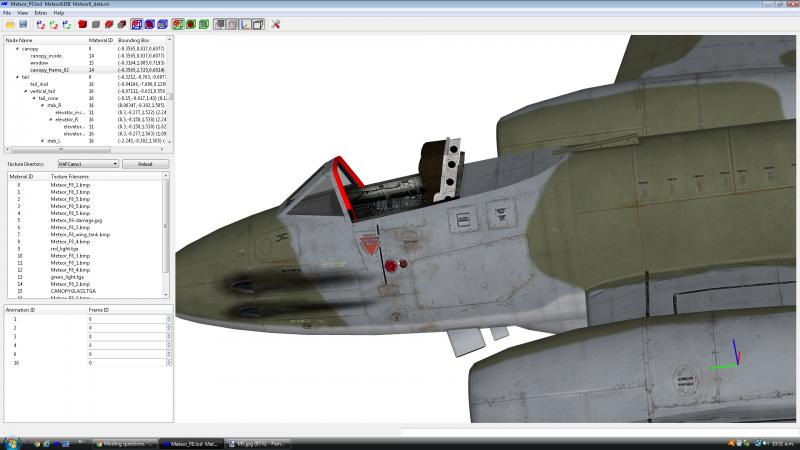
-
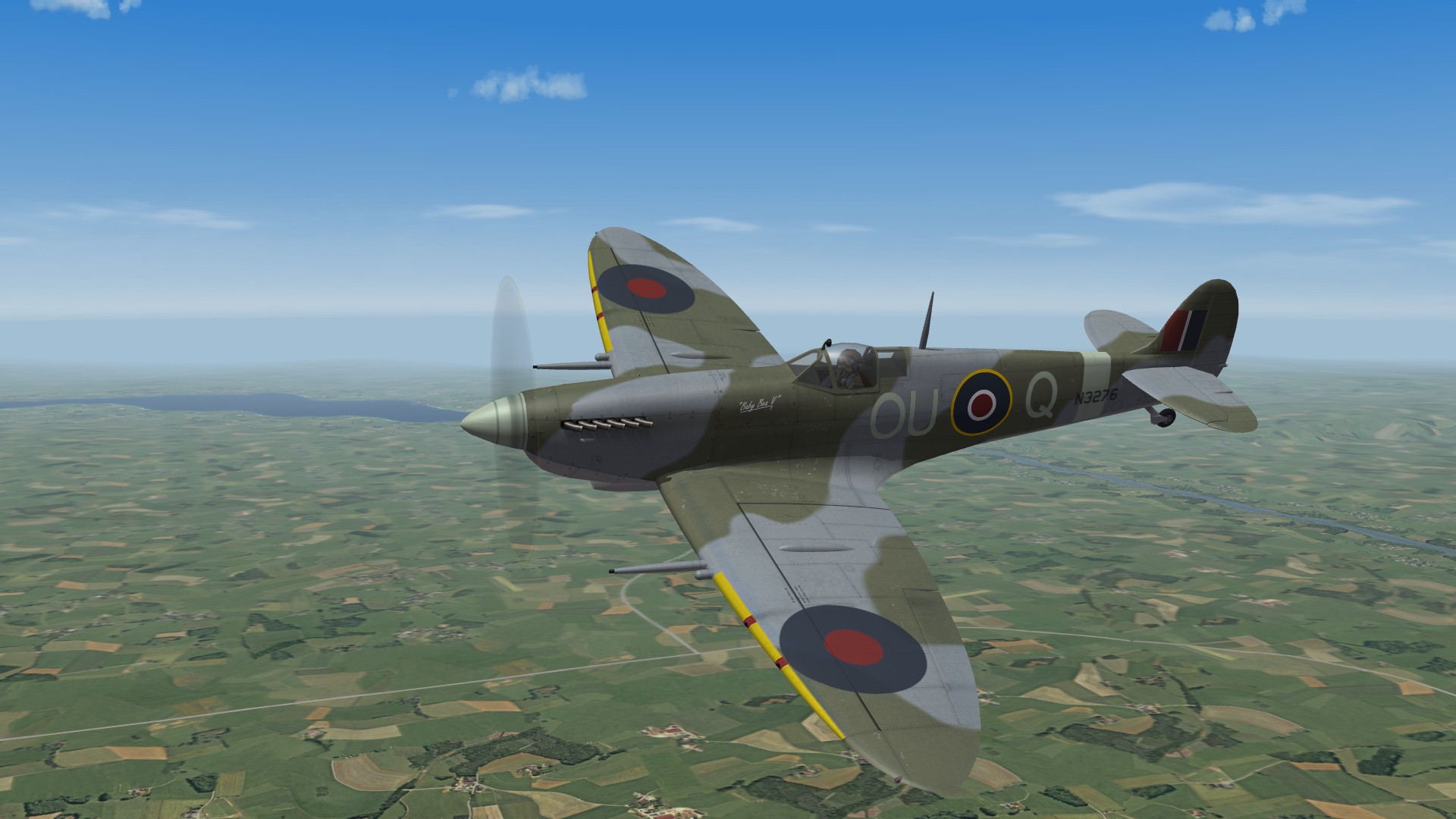
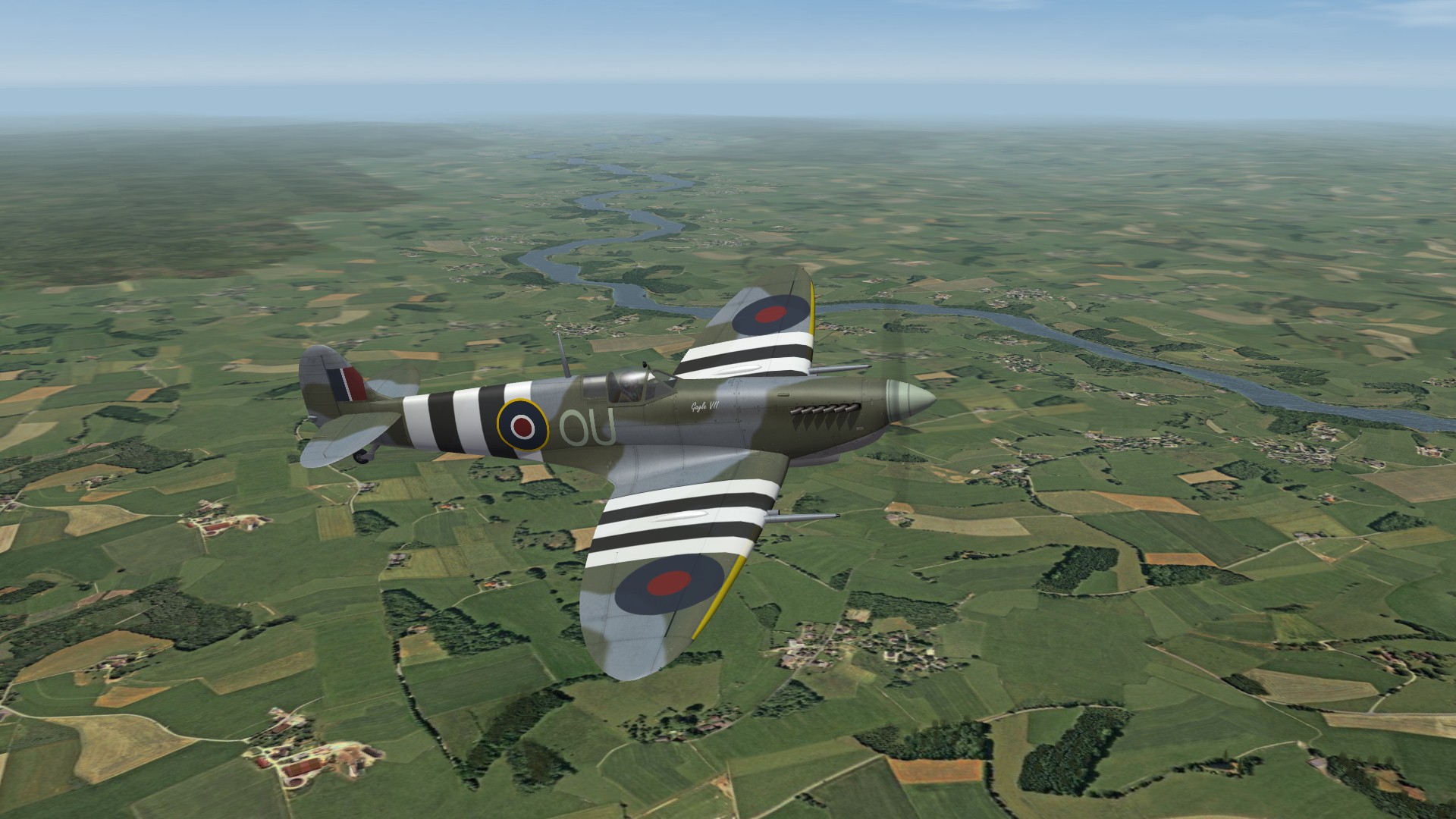
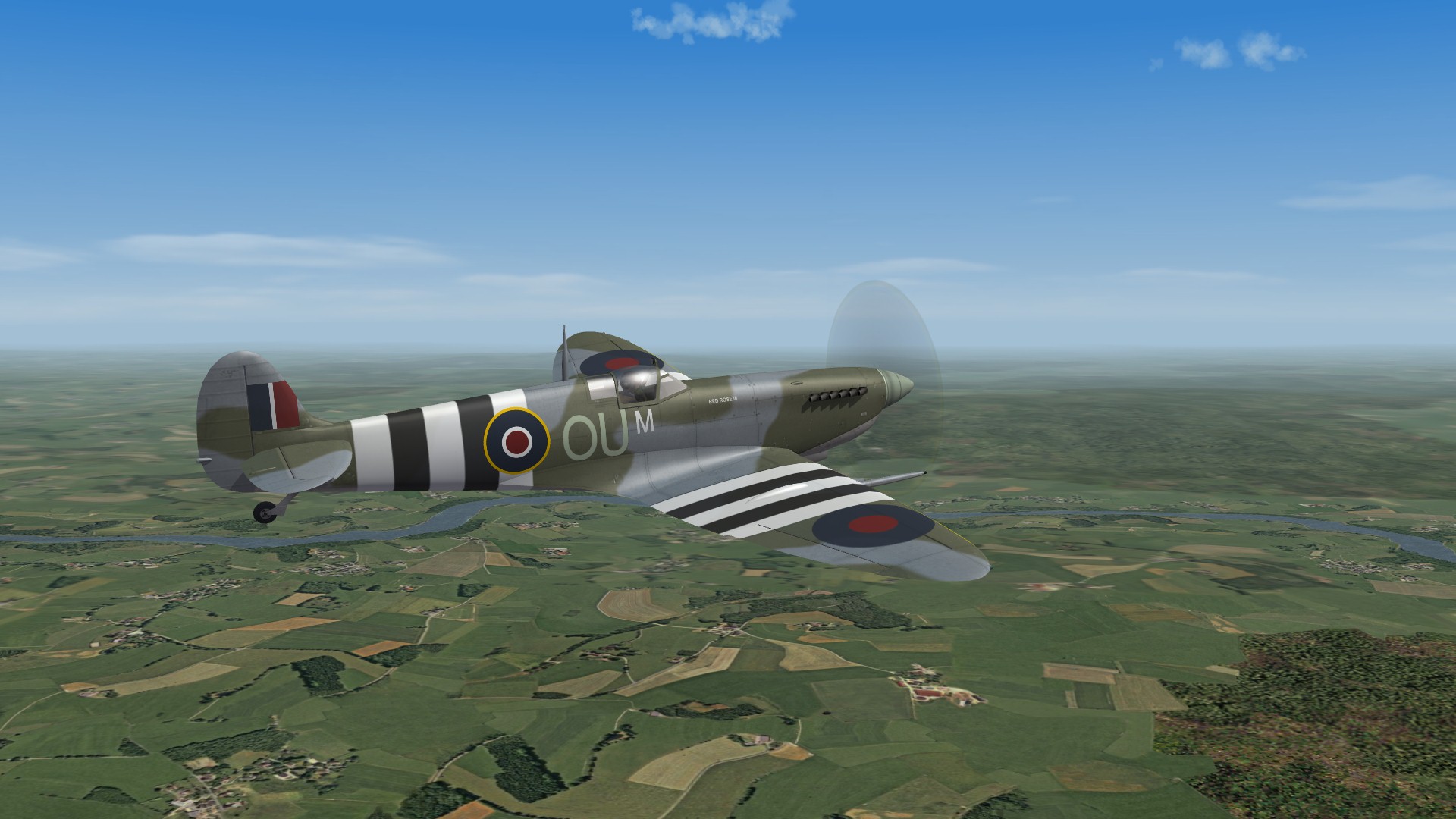
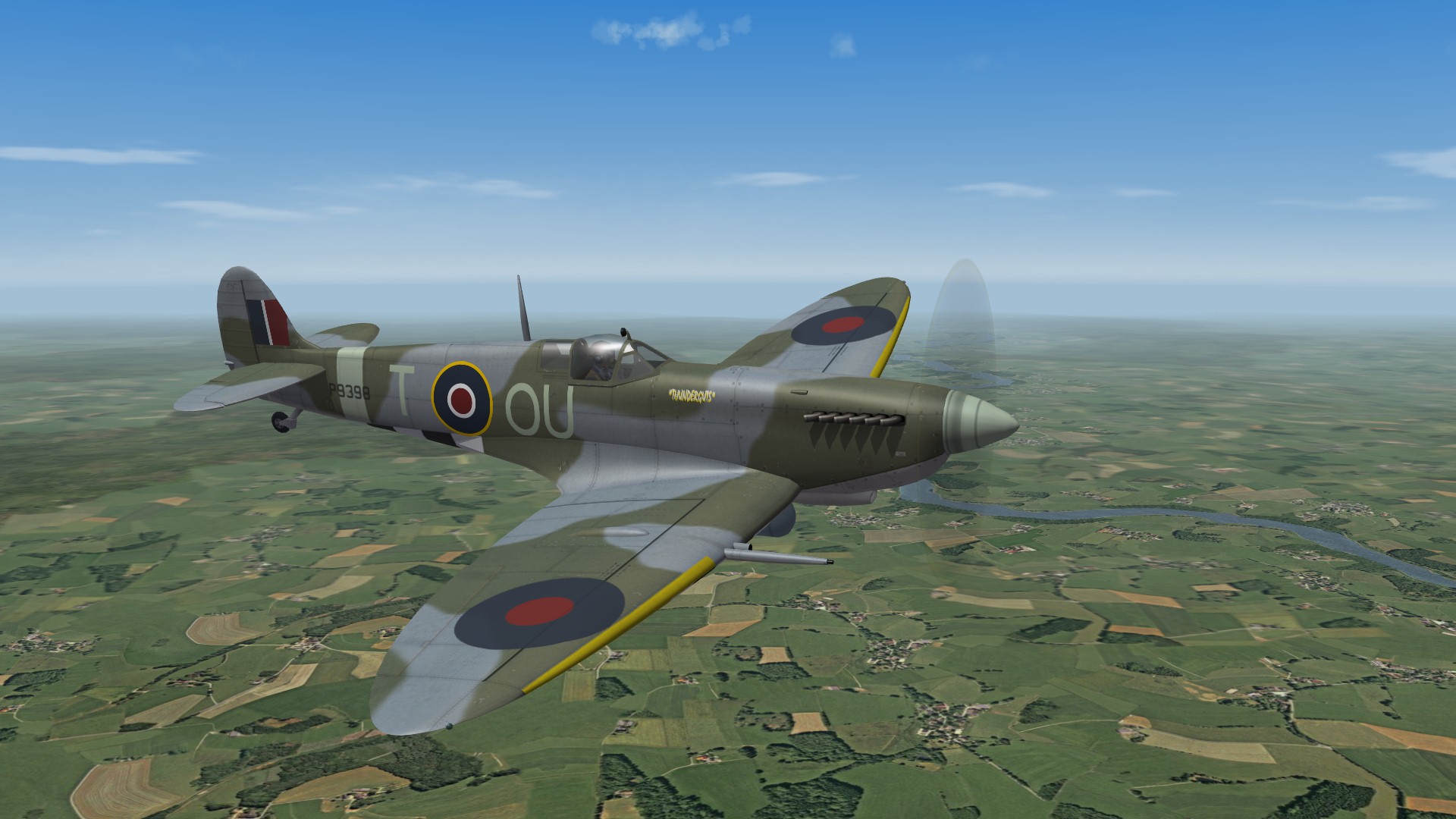
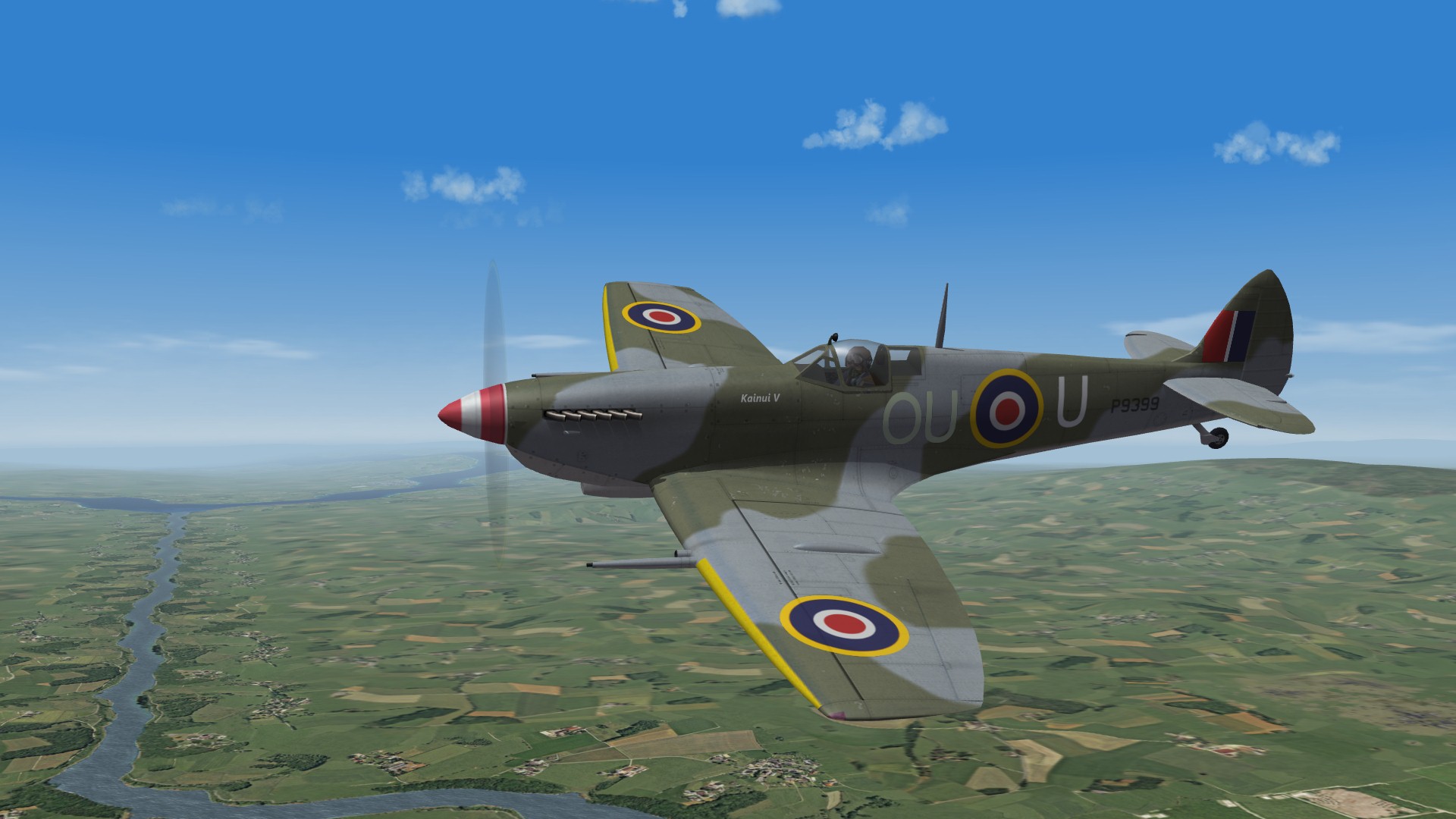
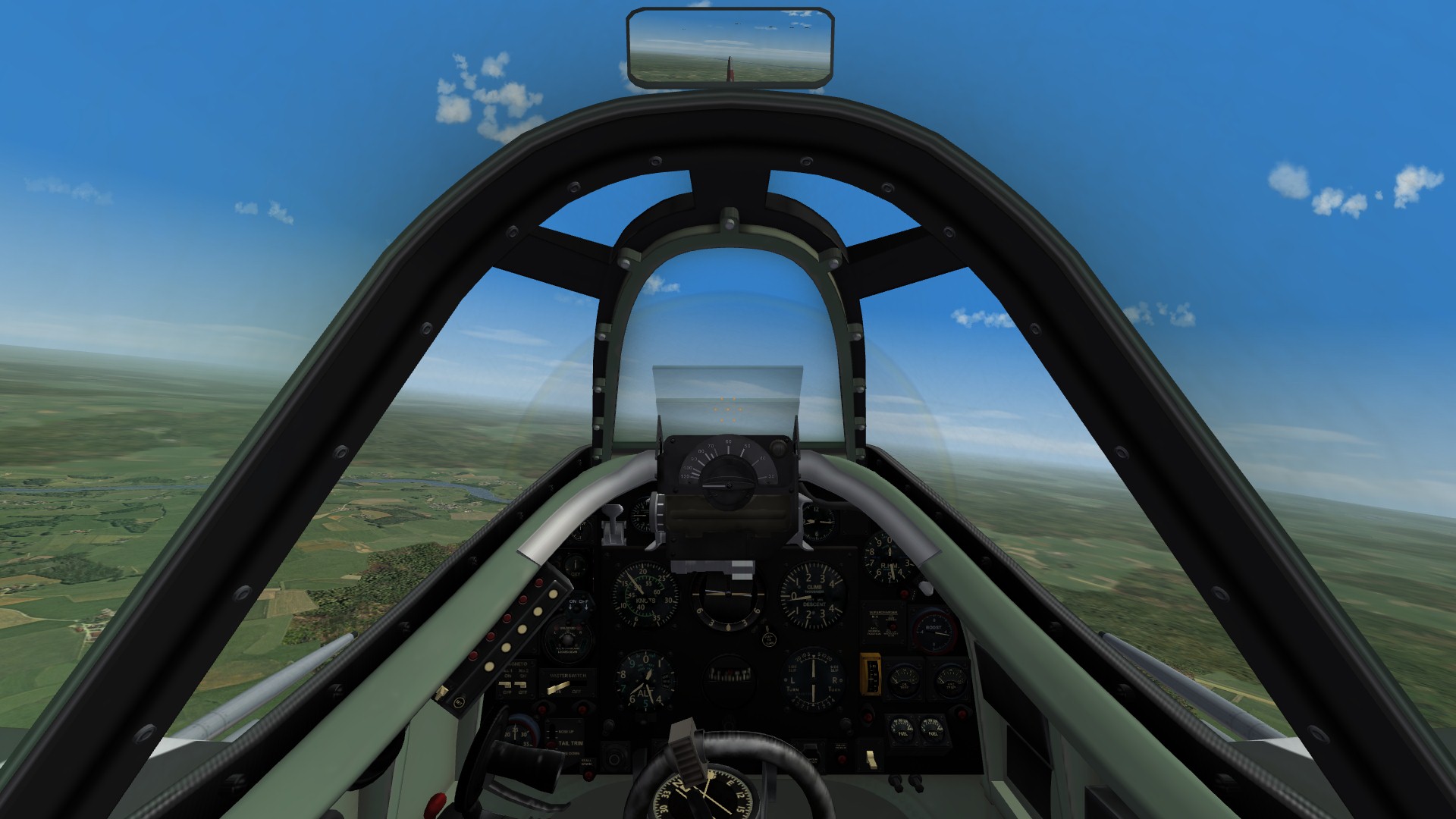
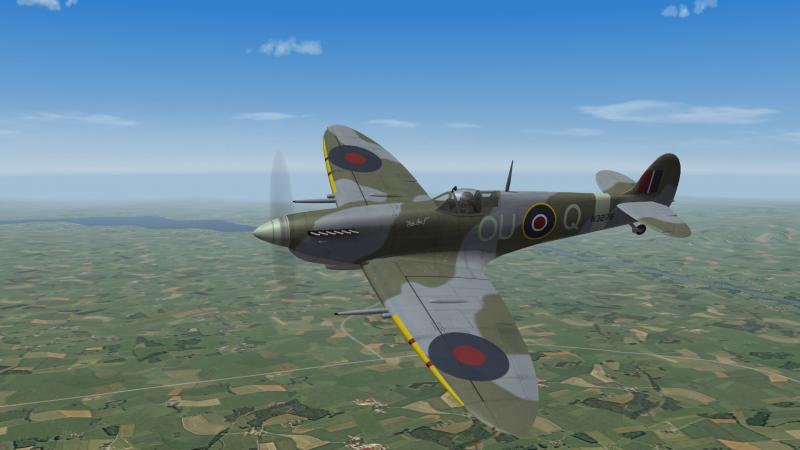
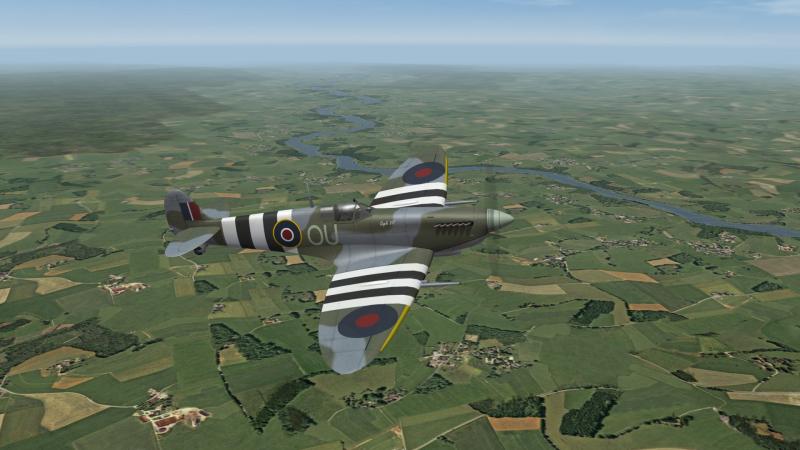
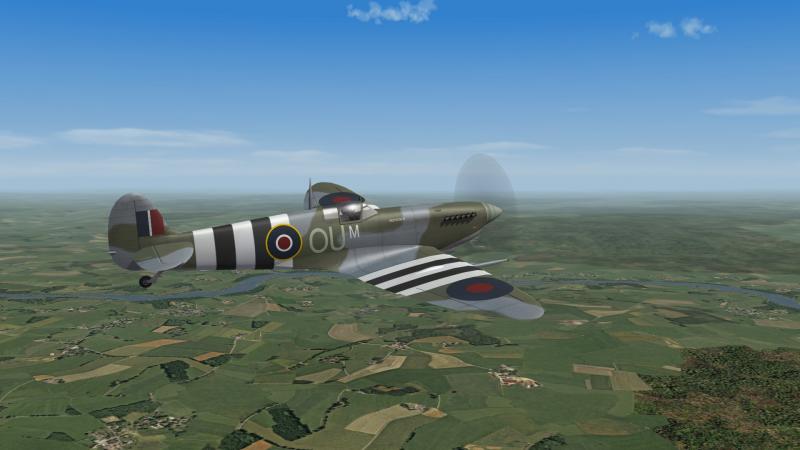
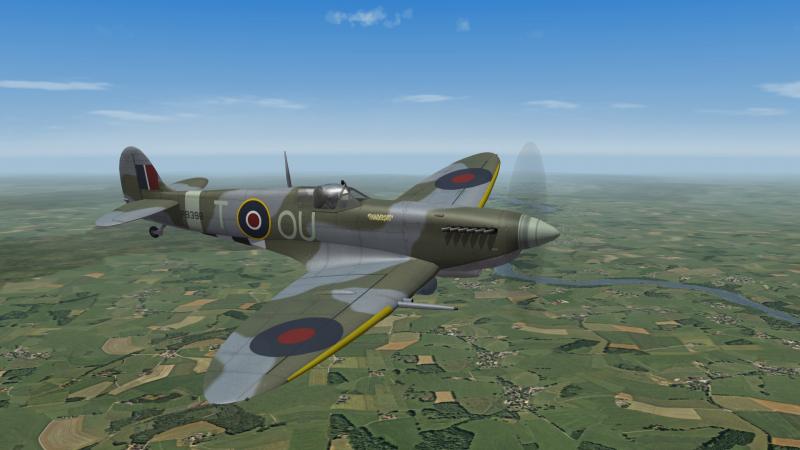
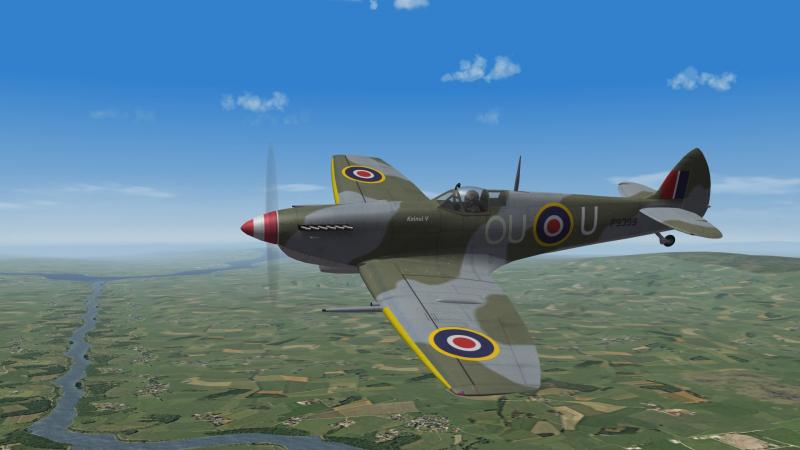
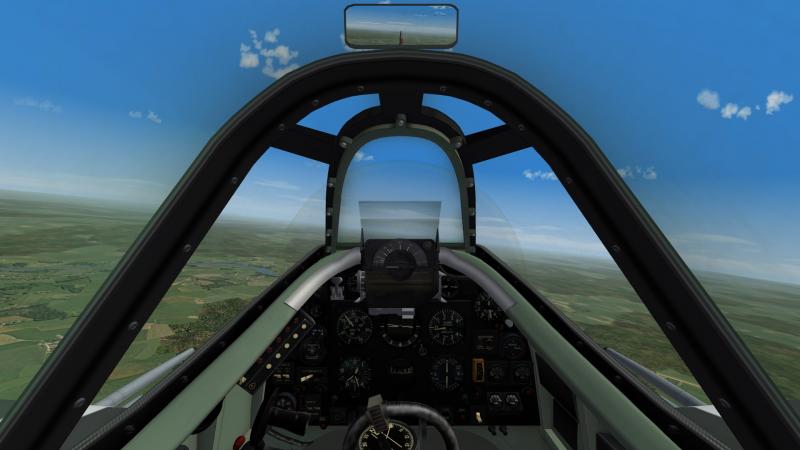
No. 485 (NZ) Squadron WWII Europe Spitfire LF.Mk IXc 1943 Spitfire LF.Mk IXe D-Day 1944 Spitfire LF.Mk IXe D-Day+6 1944 Spitfire LF.Mk IXe 1945 Spitfire LF.Mk XVIe VE-Day 1945 485 Squadron Spitfire's were some of the very first Mk IX Spits to be re-fitted with the E-type wing with 2x 20mm Cannons and 2x .50cal guns as well as the Mk II Gyro gun sight. I slightly modified Stray's Griffon powered Spitfire cockpit for the Gyro gun sighted IX
-
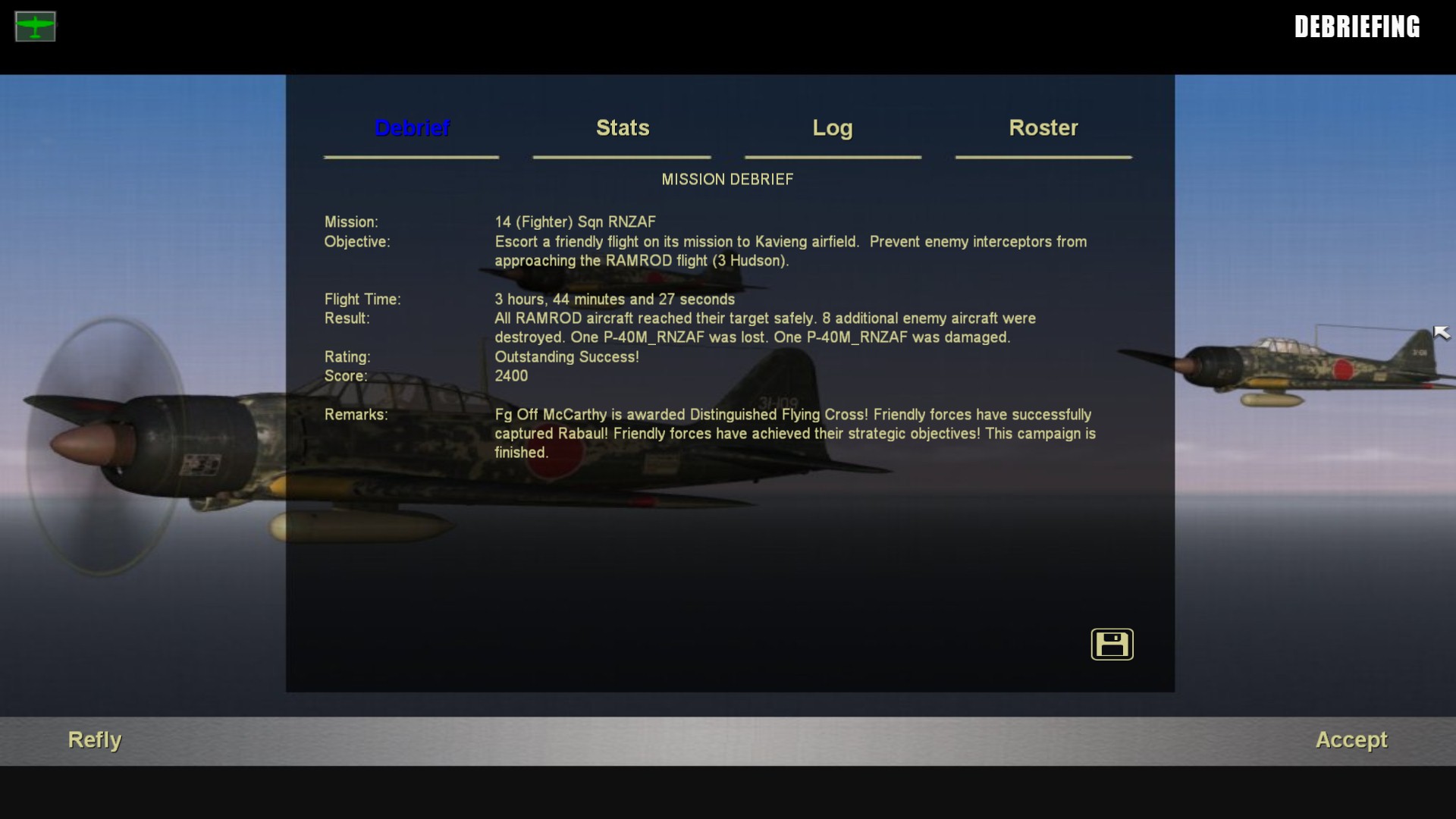
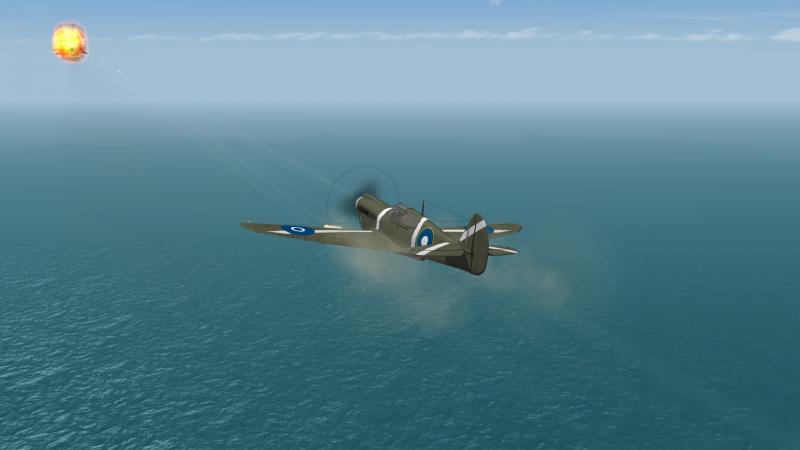
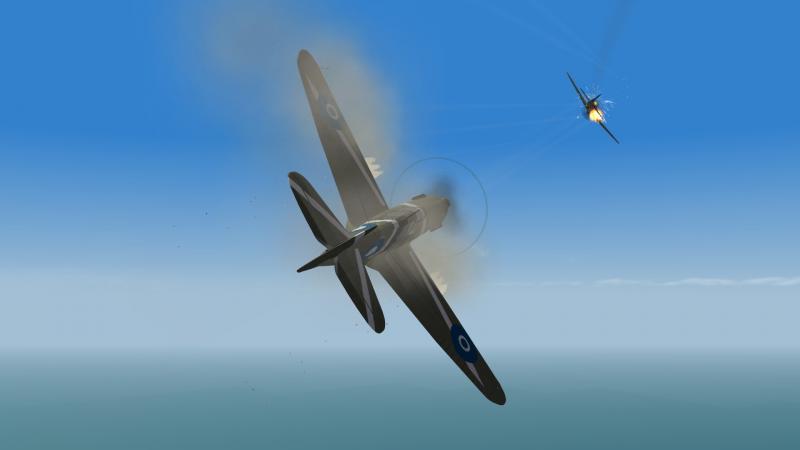
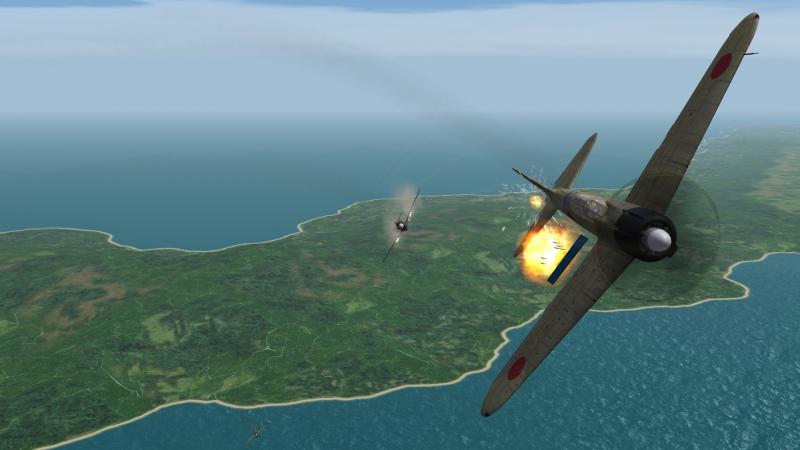
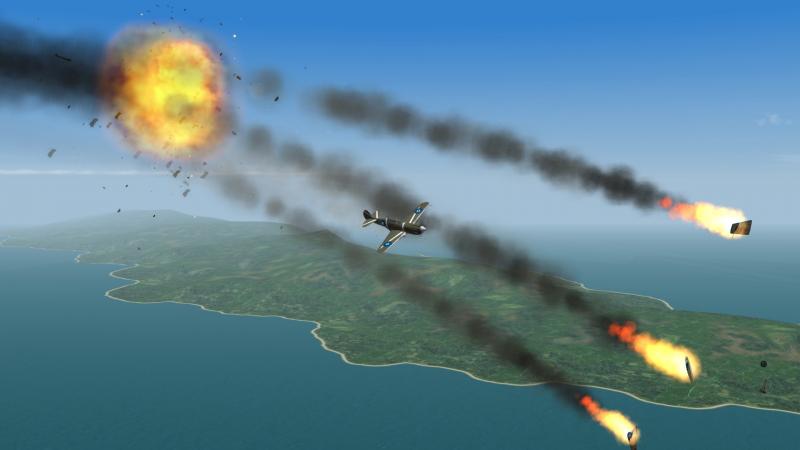
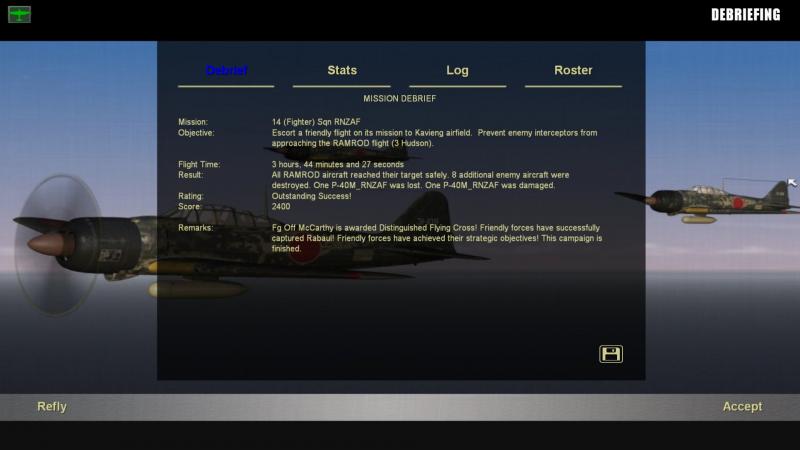
Finishing a campaign in style!
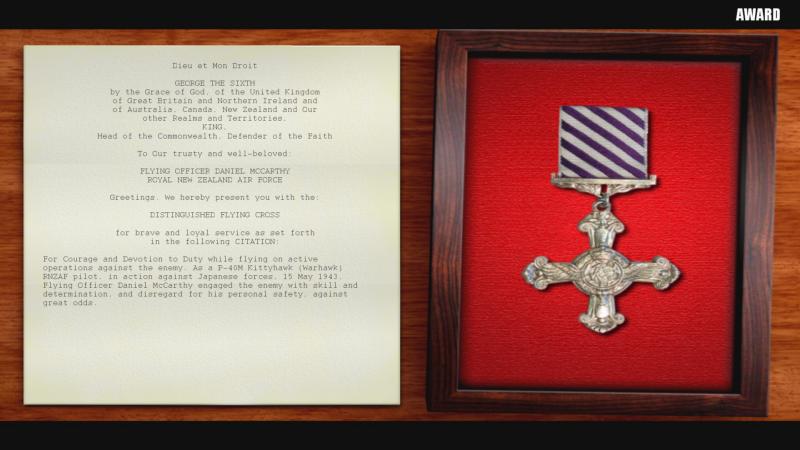
-
 THANKS!!!!!!
 -
No joy i'm afraid. Thanks anyway guys, let me know if you come across a fakepilot tail wheel that would look right.
-
Thanks wrench but tried that one
-
Hay guys, I want to force the Third Wire Spitfire 14 (Spitfire FR.XIVe) retractable tail wheel to stay down at all times even with the main gear up. Does anyone have any ides of an INI edit or trick with the node names that might do the trick? The problem is the tail wheel has the same animation ID number as the main gear. Failing that does anyone know of a fake pilot tail wheel from another mod that might fit the part? Cheers, Dan.
-
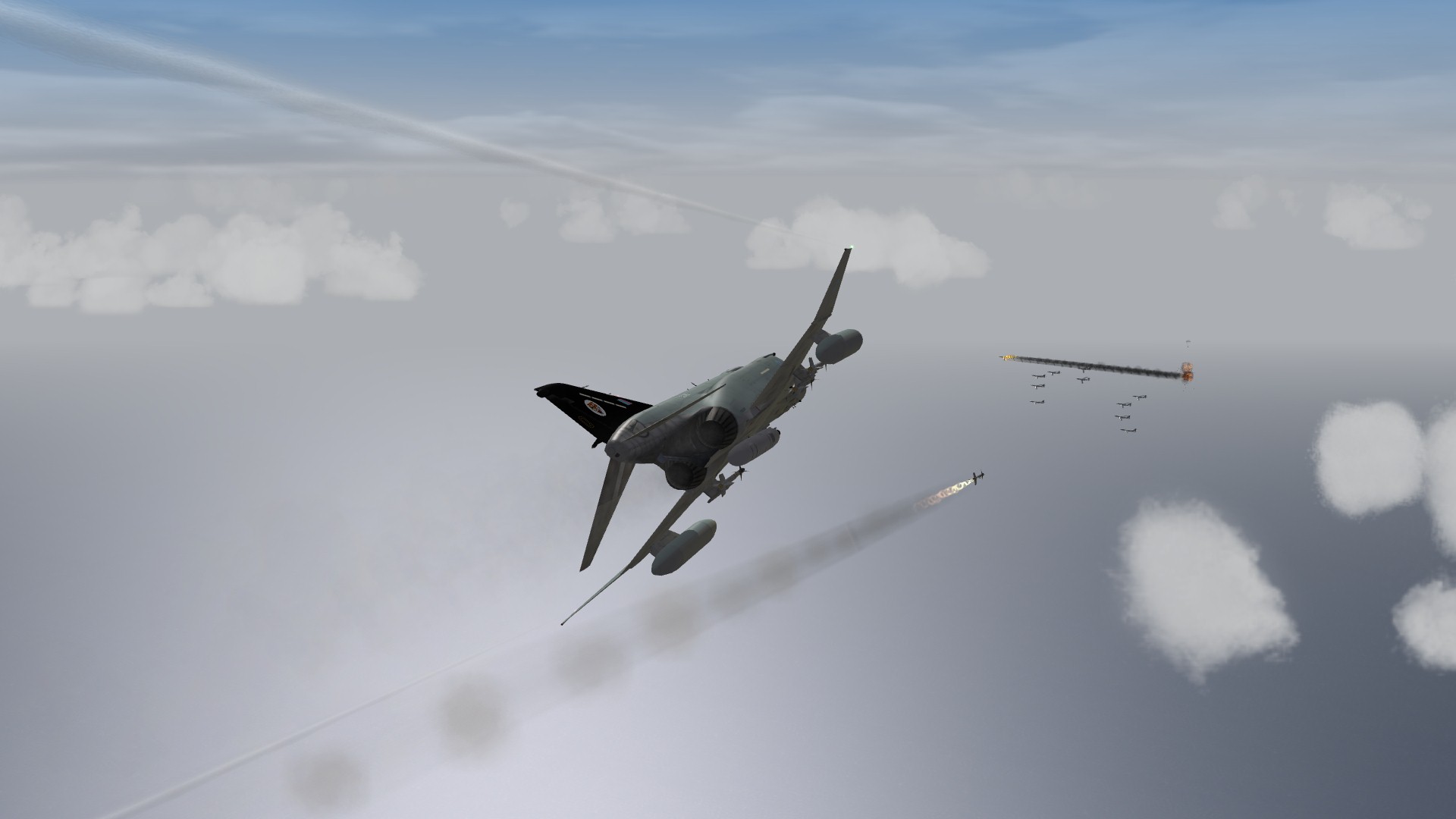
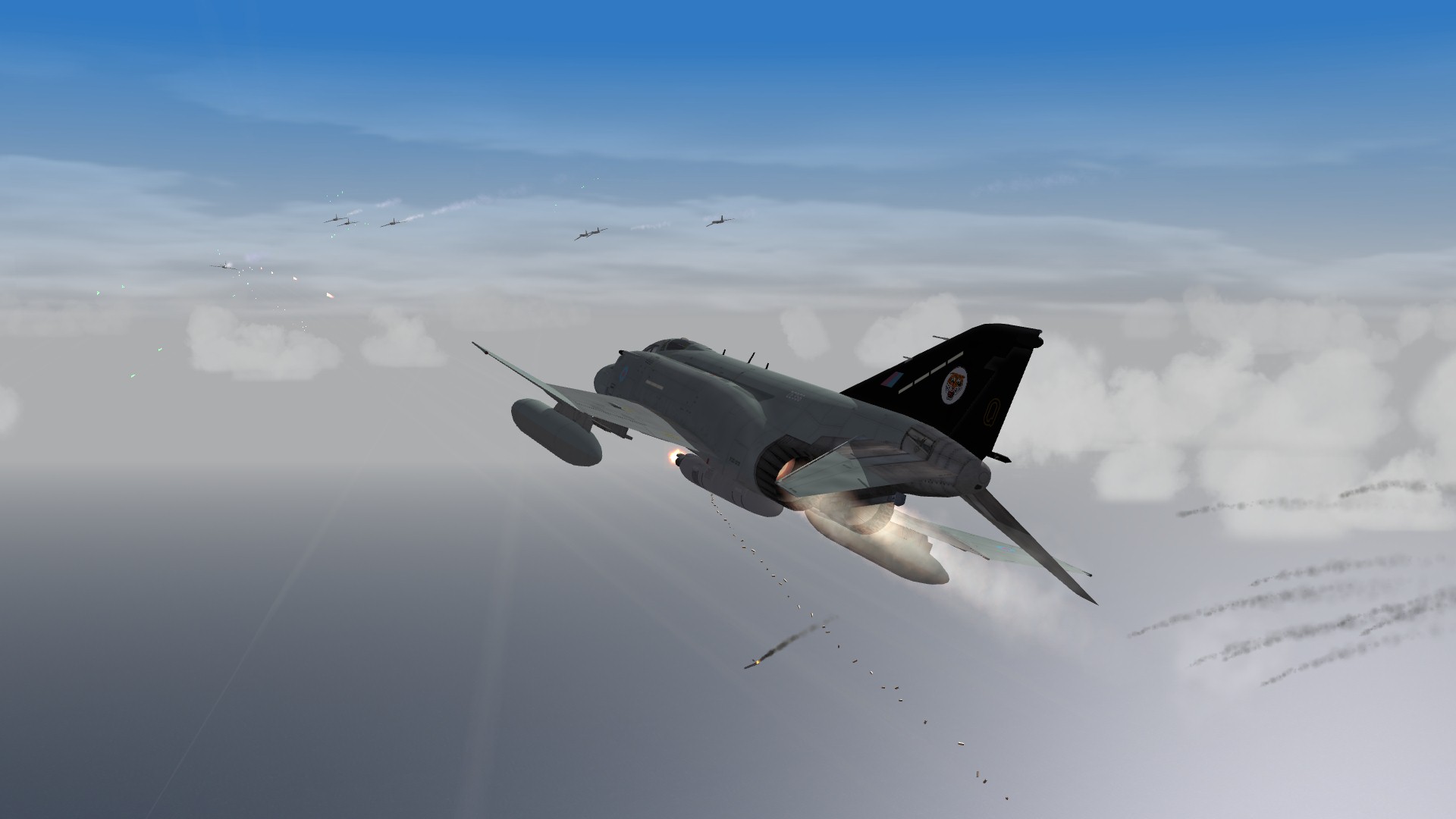
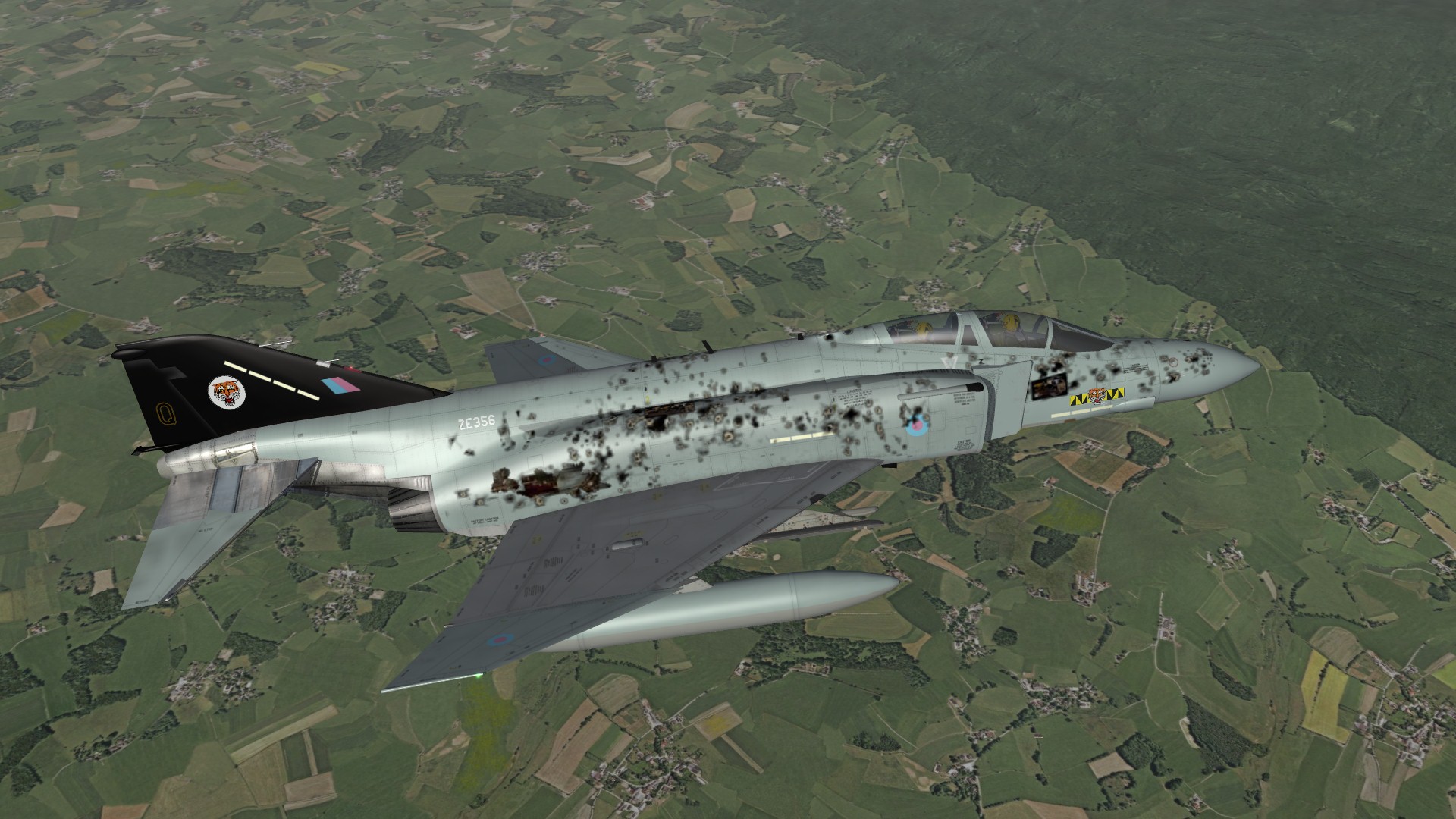
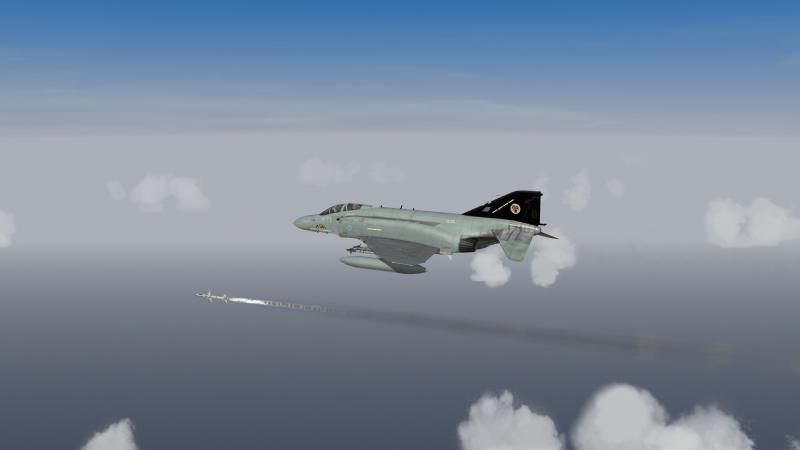
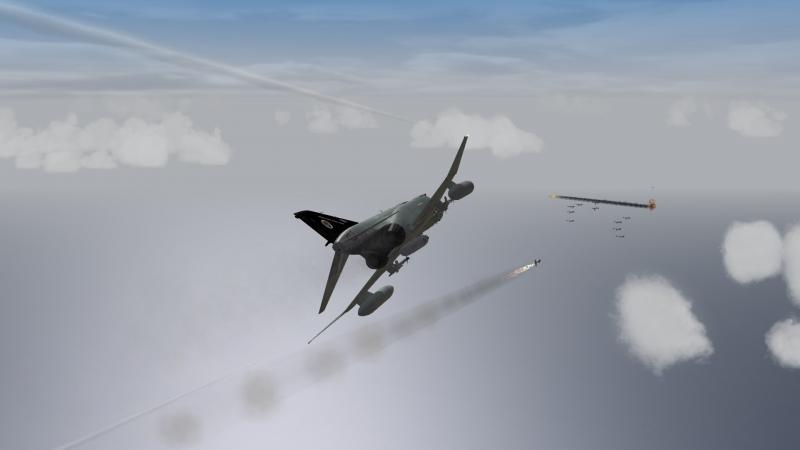
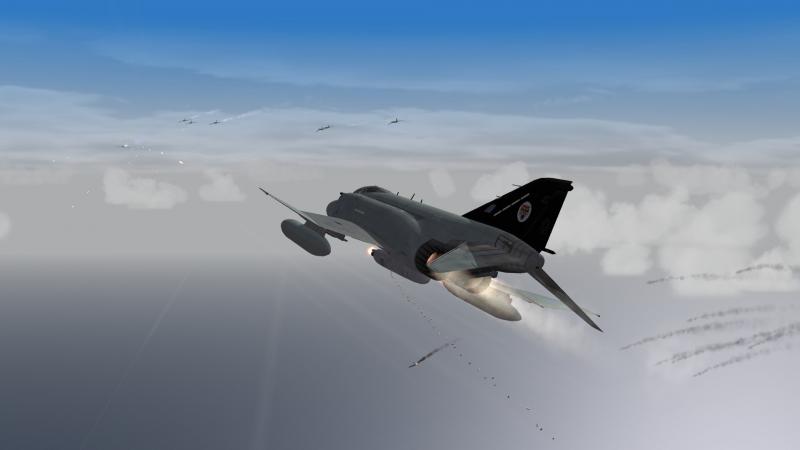
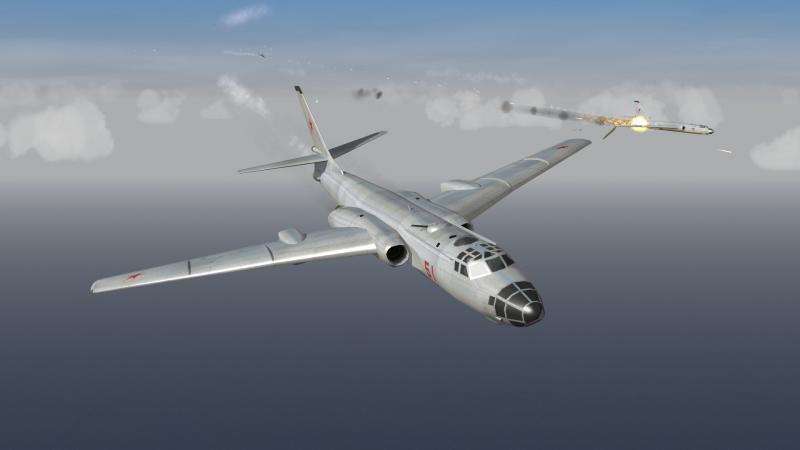
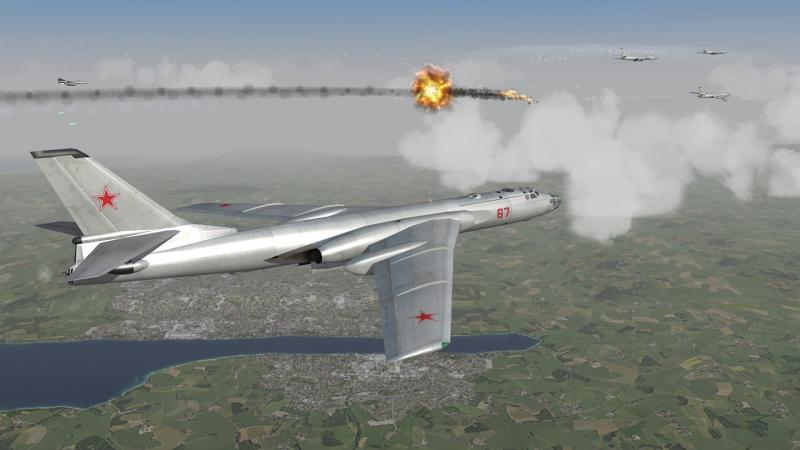
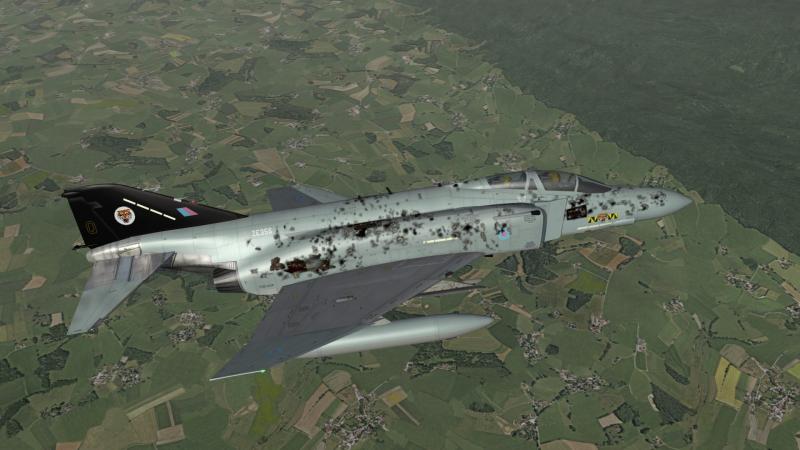
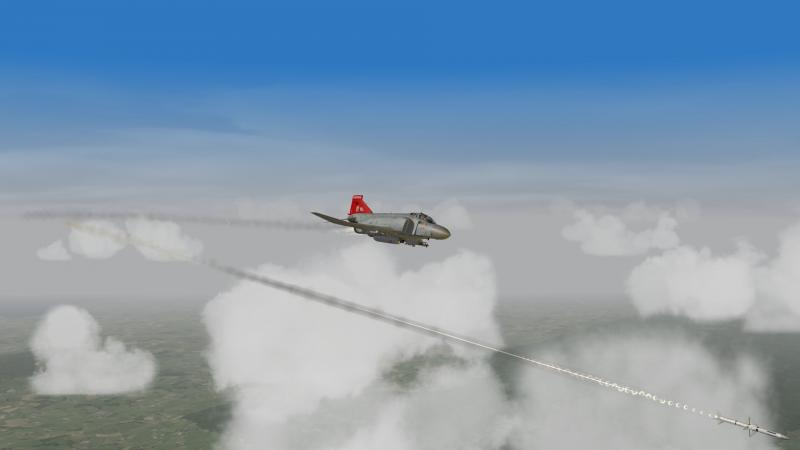
74 Squadron defending the realm... Skin update to Wrench's RAF F-4(UK)
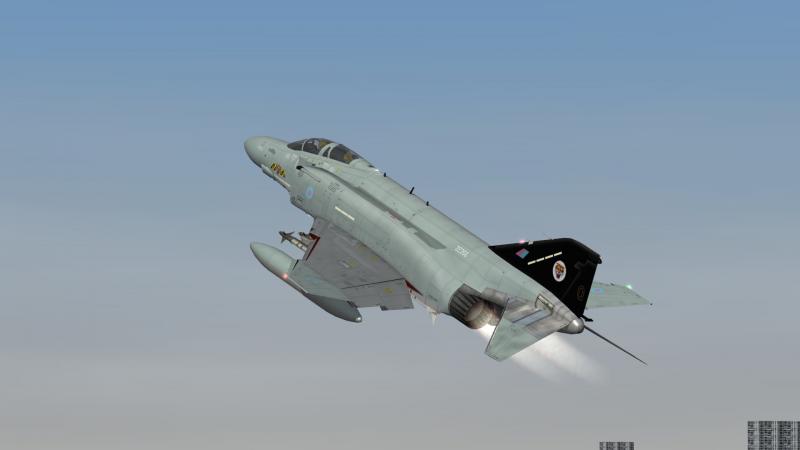
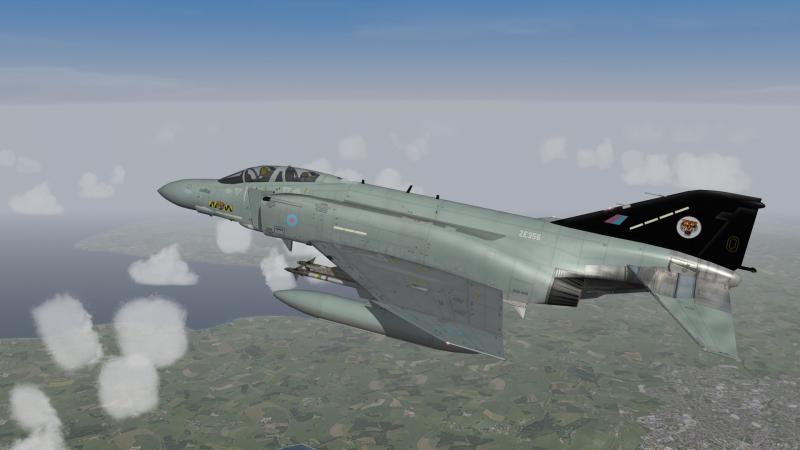
-
Love your work mate
-
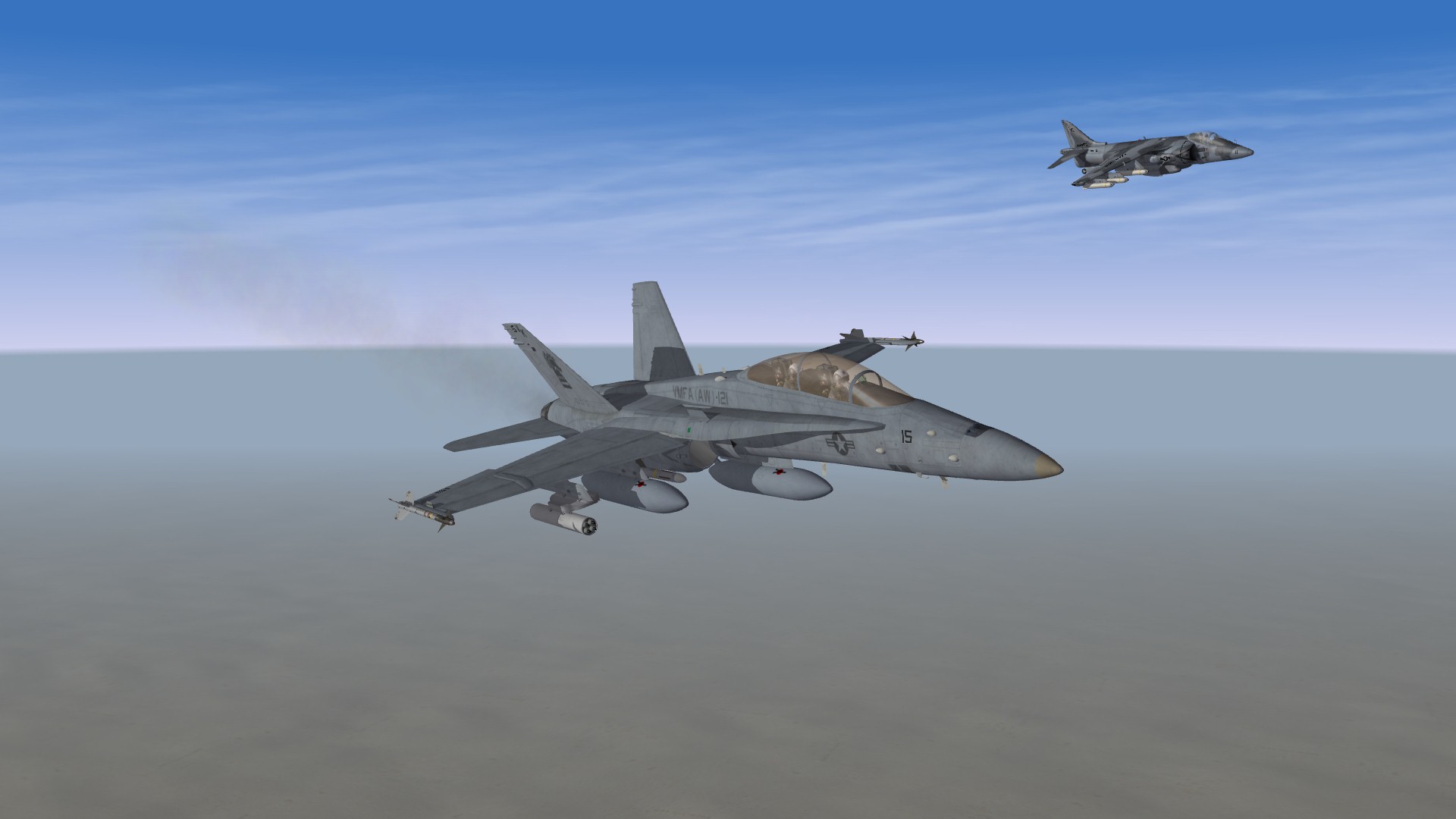
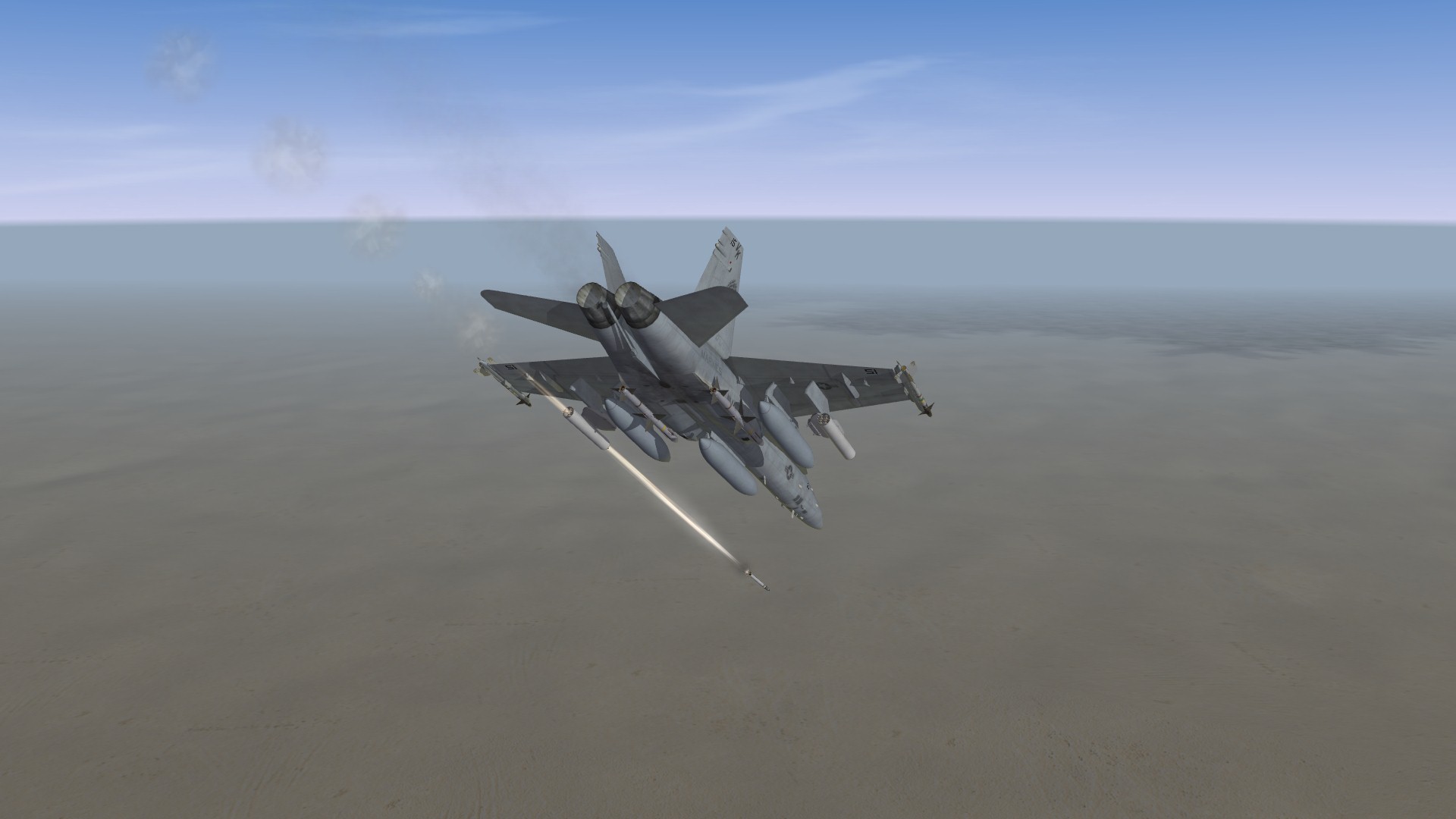
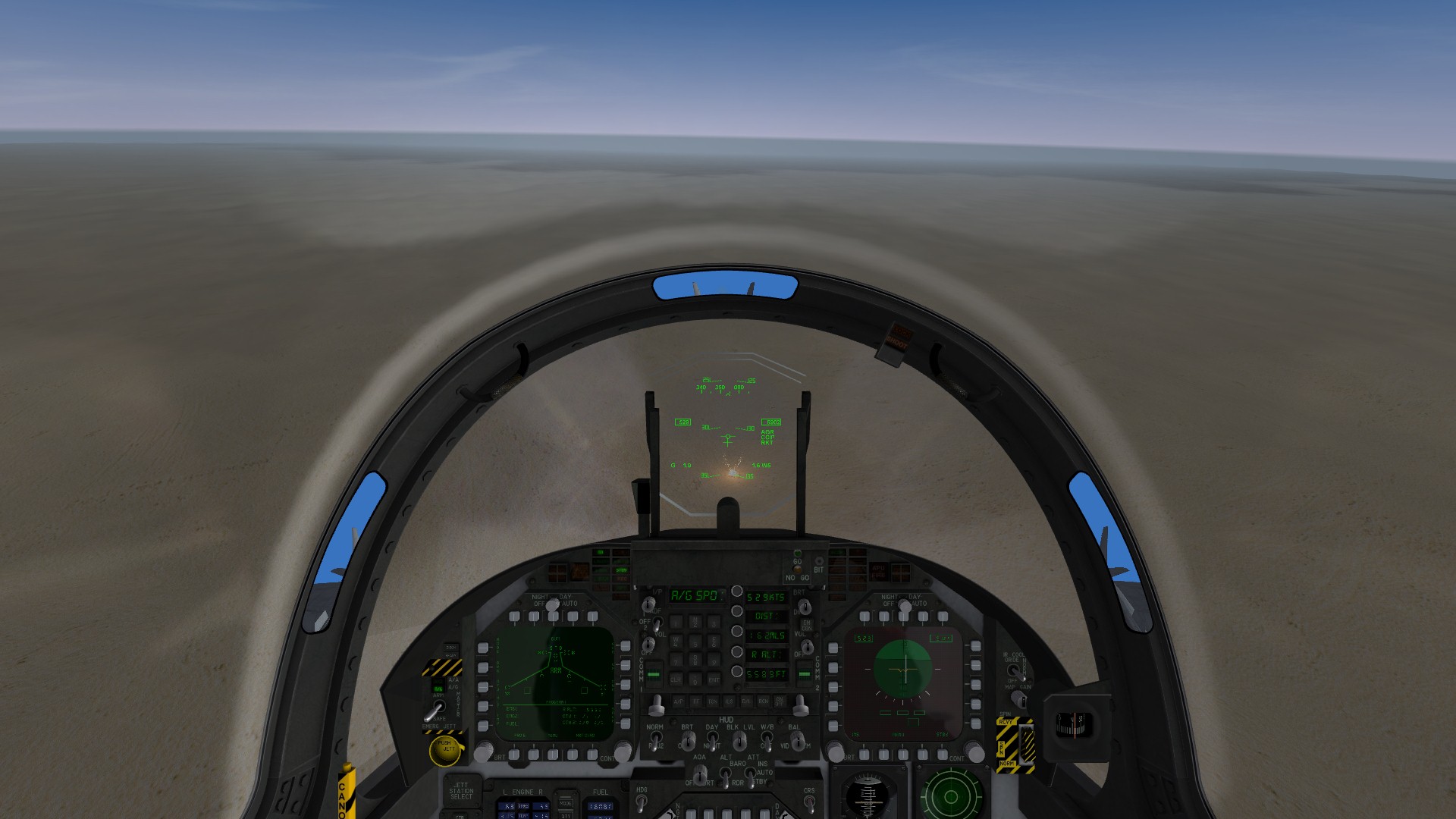
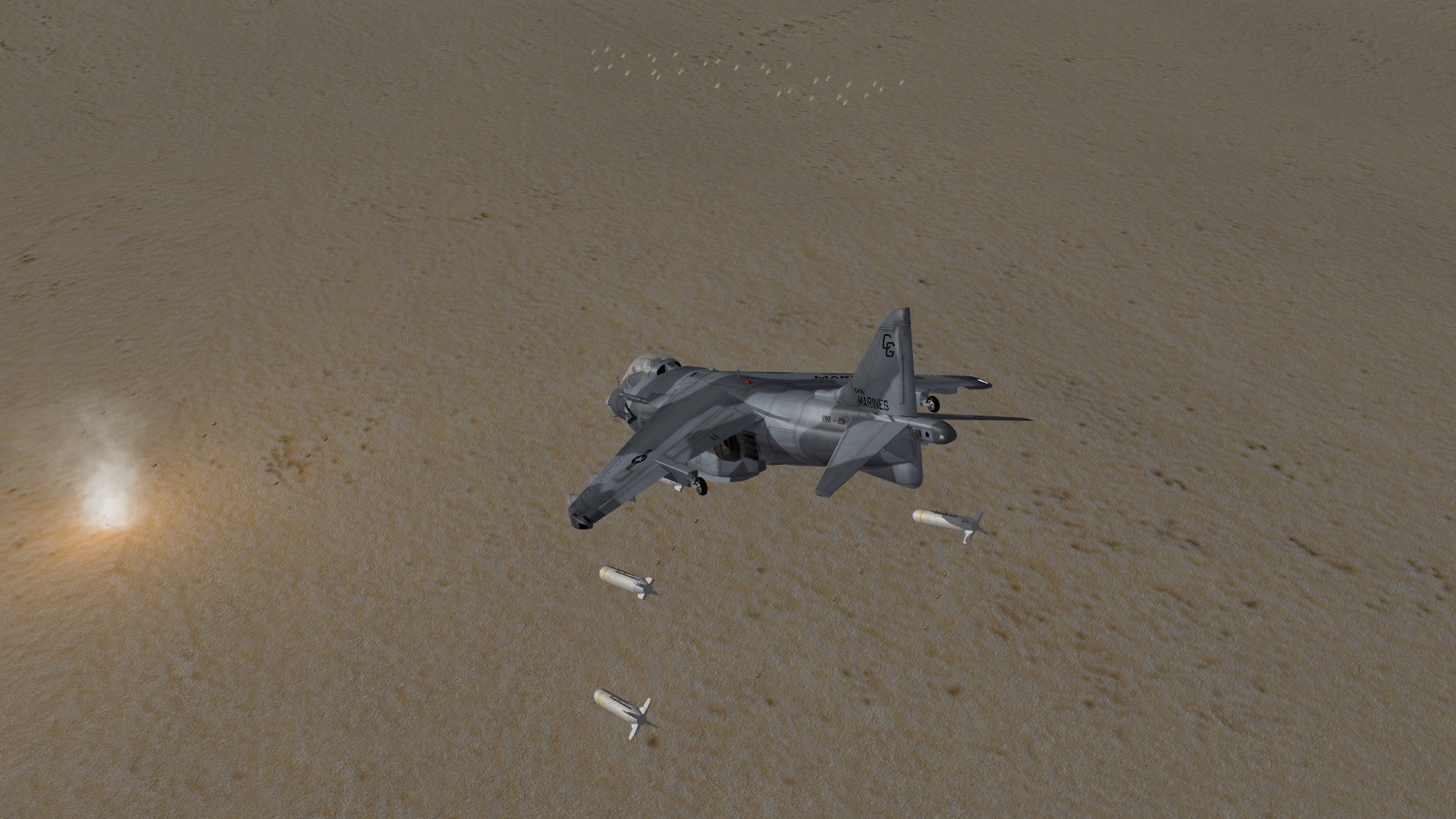
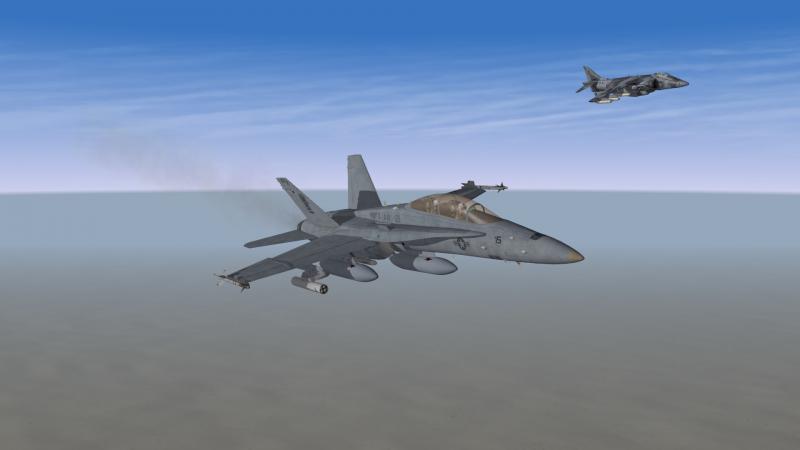
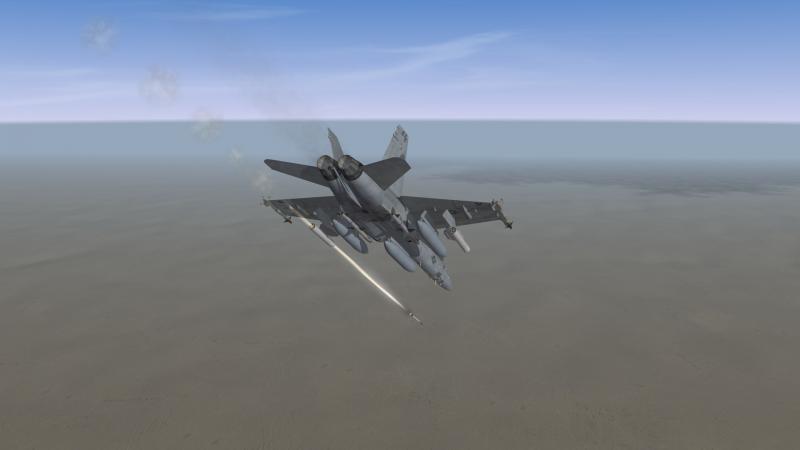
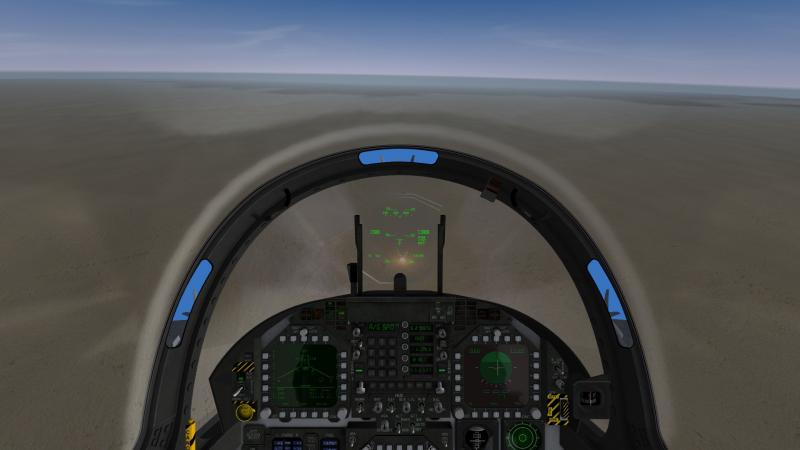
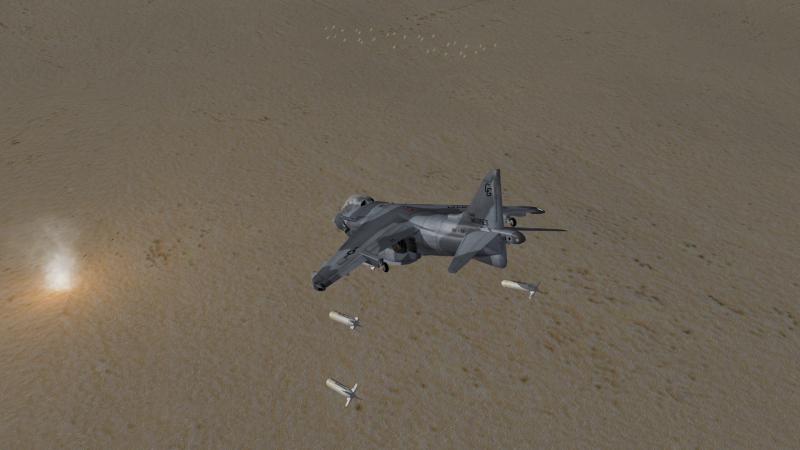
Desert Storm USMC Fast FAC
-
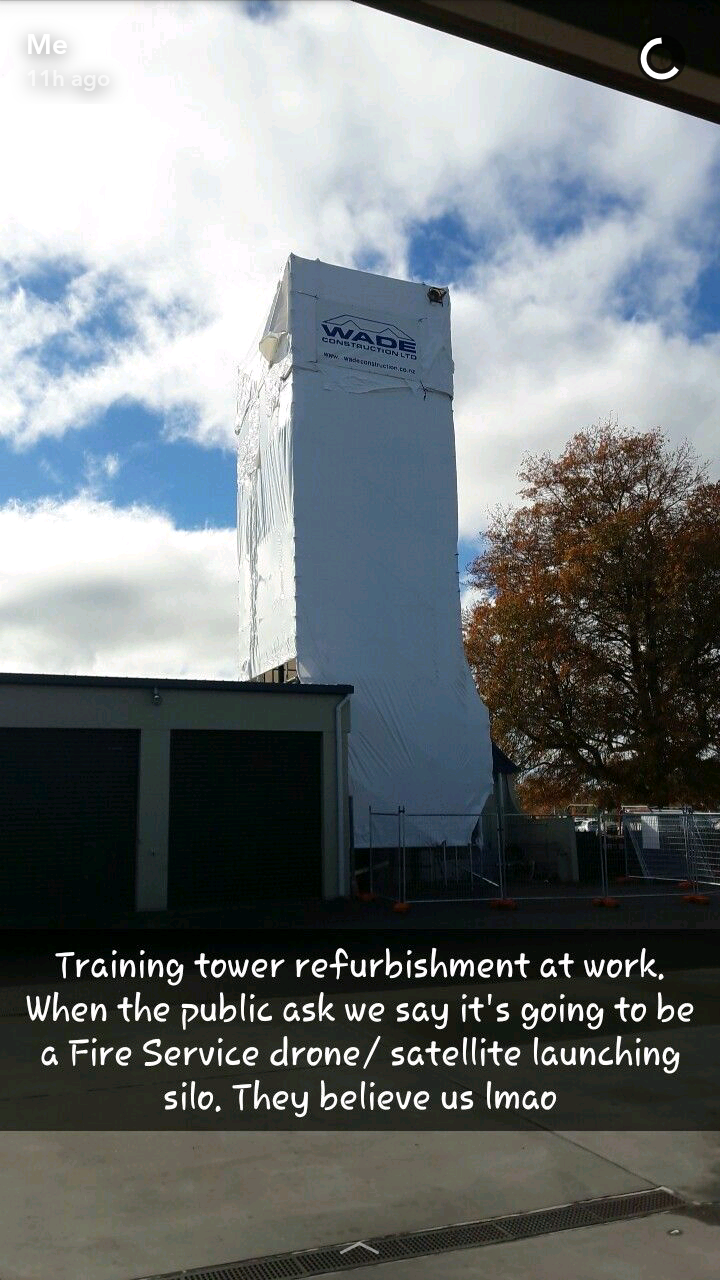
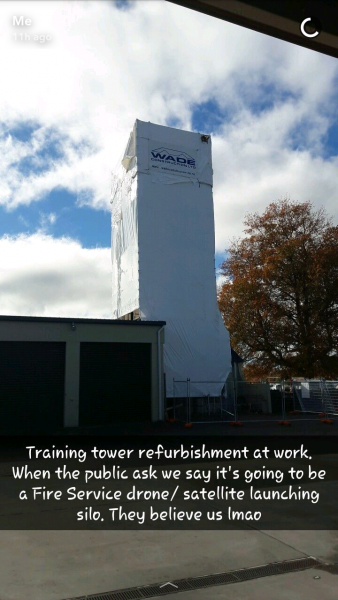
I work for the Fire Service in New Zealand and here is a snap chat I sent to my friends today that fits perfectly with this post (tongue in cheek) lol
-
RCAF F-14A (TMF F-14A_82) "What If..."
dtmdragon replied to 1977Frenchie's topic in File Announcements
I like the idea, running with it you could even do a modernized bombcat varient with low viz Canadian Forces markings on operations against Isis over Iraqi etc -
It is either bomb release interval up/down or bomb release amount up/down
-
Had TSR2 Survived. Air Chief Marshal Sir Patrick Hine GCB GBE CBIM FRAeS Sir Patrick Hine’s reputation stretches far beyond the Royal Air Force where he shone as fighter pilot, commander and staff officer. His ability to inspire others by example was unparalleled in his generation and he is acknowledged as a military thinker of considerable clarity. Since his retirement, after command of all British Forces in the Gulf War, he has become Military Advisor to British Aerospace plc and is a much respected figure in international aviation circles. He is well suited to consider the likely effects ‘Had TSR2 Survived’. I was at the Staff College when the cancellation of TSR2 was announced in 1965, and at the end of that year I was posted as Personal Air Secretary to the Minister of Defence for the RAF – Lord Shackleton. As Sir Frank Cooper has told us, the general view in the MoD at the time, including that of the then CAS, was that cancellation had been inevitable – on the grounds of unaffordability and with rising costs that were out of control. But my remit today is to offer you a view of how things would look now if TSR2 had survived, then and subsequently. To do so I must make at least one assumption at the outset. And that is that, while the TSR2 project proceeded, the earlier cancellation of the P1154 stood. It is very important that I put that peg in the ground. In passing, I should say that I believe it was right to cancel the P1154. The highly effective off-base operating capability developed by the RAF on the Harrier could not have been achieved on the P1154 with its plenum-chamber burning reheat system which would have caused very severe ground erosion problems. In short, we would have been trying to run before we could walk, and that could have had a most adverse, if not fatal, impact on VSTOL in the RAF. Here then is my scenario. First, the RAF would, I believe, have got about a decade earlier the kind of capability it eventually enjoyed with the Tornado GR1. The avionics may not have been quite so well advanced, nor would the TSR2 have been so manoeuvrable, but it would have had longer legs, and in this respect have met the range capability called for in the FOAS Staff Target. But TSR2 would not, of course, have been stealthy. The bottom line is that TSR2 showed all the signs of being a better aircraft than its nearest competitor, the F-111, but there remains a big question mark over cost and therefore ultimate affordability and cost-effectiveness. Next, let us have a look at force structure. The TSR2 would have replaced the Canberra but, because of high costs, not on a 1 for 1 basis. Probably no more than 100 aircraft would have been procured. The RAF’s strike/attack/recce force would thus have become smaller, unless a second aircraft had been procured, for which money would almost certainly not have been available. You will recall that by 1965 the days of the V-bomber force were numbered as a result of the Polaris decision of 1963 and which the new Labour Government had endorsed. The Air Staff would probably have argued for more TSR2s to replace some of the V-bombers – but only once the programme was secure – and they may not have been successful. The TSR2 would have been used for nuclear strike/deeper recce, OCA and interdiction, but not, except in extremes, for OAS (BAI+CAS). It was not tailored for those missions and it would not have been cost-effective in the OAS role. Therefore, another aircraft would have been needed to replace the Hunters in the UK, Germany, Gulf and Far East. Would this second aircraft have been the Harrier or Jaguar, or something else, perhaps a multi-role fighter like the STOL F-16? I suspect it would have been the Harrier (HSA needed an order), and that the Jaguar would not have been procured – it was always the wrong (or certainly over-elaborate) aircraft for an advanced jet trainer (the original intention) and with its relatively high wing loading, was not optimised for CAS. In any event, the UK became involved in Jaguar as part of a collaborative package agreed with the French, where our real interest lay in the AFVG which was killed of by de Gaulle in 1967. The Lightning was planned to be run-on in the AD/Interceptor role into the late 1970s and, if TSR2 had survived, I very much doubt that the RAF could have afforded before then a new fighter as well as TSR2 and Harrier. By the mid-‘70s the need for a highly agile fighter like the F-15 or a multi-role FGA aircraft like F-16 or F-18 had been widely recognised throughout NATO. There was also the requirement to replace the F-104 and, in France, the Mirage III; thus an opportunity existed for a collaborative programme in Europe, as an alternative to procurement of an American fighter. Industry here in the UK would have pushed hard for a European programme for an agile fighter – as would the RAF. But that option was effectively ruled out following the cancellation of TSR2 and AFVG, and with the Tornado programme launched instead, because industrial, economic and political arguments de facto forced the RAF down the Tornado ADV path. In passing, I would comment that the Tornado was never a real MRCA, and the ADV certainly was not an air superiority fighter. It was a long endurance interceptor and has given good service in that role. So, if TSR2 had survived, it is likely that the UK or Europe would have developed an EFA-type fighter ten years earlier than was the case. The lessons learnt on the Jaguar and Tornado collaborative programmes would then instead have been learnt on the EFA programme, but nonetheless a good product would probably have resulted. Moreover, it is less likely perhaps that the French would have gone their own way on the new agile fighter, as they did in the late ‘80s with Rafale. Under this plot, there would almost certainly not have been a Buccaneer in service with the RAF, unless money had been available to fill out the force structure. I doubt it: I believe the RAF would have had only TSR2 and Harrier in the offensive roles. In the longer term, therefore, the RAF’s combat aircraft front line would have been: TSR2, Harrier and the Lightning replacement. As it was, in 1982 we had the Lightning, Phantom, Harrier, Jaguar and Buccaneer in service. We also still had some Canberras operating in the recce role – and still do. We thus had six types instead of three, moreover, without TSR2, the V-bombers had to be run on for longer than necessary – awaiting the entry into service of the Tornado GR1. Overall, therefore, in logic there should have been considerable savings in the logistics support area if proper fleet rationalisation around TSR2 had been effected. The big unknown, of course, is how costly TSR2 would have been, both in capital and life-cycle cost terms; and what impact that would have had on the affordability of Harrier to replace Hunter and a new fighter to replace the Lightning. Also, of course, on the size of the RAF’s front line. A TSR2, Hunter, Lightning fleet into the 1980s would have been feasible but is not one that would have appealed to me. Another question that comes to mind is, ‘Who would have designed and produced the new agile fighter to replace the Lighting?’ With BAC as prime contractor on the TSR2 and HSA on the Harrier, it could have gone either way, or it could have been an issue that brought forward the formation of the nationalised BAe. We shall never know but there are people here today who will have a view. My own is that the design lead would have gone to Warton given their experience by then on supersonic aircraft. For me the seeds of destruction of the TSR2 programme were sown back in 1959/60 when inadequate attention was paid to cost/performance trade-offs before endorsement of the operational requirement on which the contract was finally based. That costs then rose so dramatically, particularly at a time when industry was being forced to rationalise across different cultures, is not too surprising, and by 1964 when the first prototype flew, the die was probably cast and the balance of arguments that the MoD and HMG had to address at that time inexorably led to a cancellation decision. In this respect, I agree with Sir Frank Cooper. But that was a great shame, for an affordable TSR2 to the right specification would have given the RAF the world’s most capable TSR aircraft and one with at least some potential in the export market (whereas TSR2 had virtually none when it was cancelled). For the reasons I have given, the RAF’s front-line inventory would (or should) have been more coherent than it is today and the Service would probably have had an air superiority fighter at least ten years earlier. I doubt that, structurally, industry would have looked much different than it does today, except perhaps the process of consolidation in Europe might have been accelerated. Frankly, I doubt it: the real driving force there has been the pace of rationalisation in the US since the ending of the Cold War and the formation (or prospective formation) of mega-giants like Lockheed Martin, Boeing McDonnell Douglas and Raytheon/Hughes.
-
I'm sure the AV-8B or Kestral pit has a gauge that shows the thrust vector angle. I'm sure the AV-8B or Kestral pit has a gauge that shows the thrust vector angle.
-
Does it's anyone have a TMF Mig-29 cockpit with the gauges and labels etc in English? Thing Polish and West German Mig-29 after thier updates to NATO standards.
-
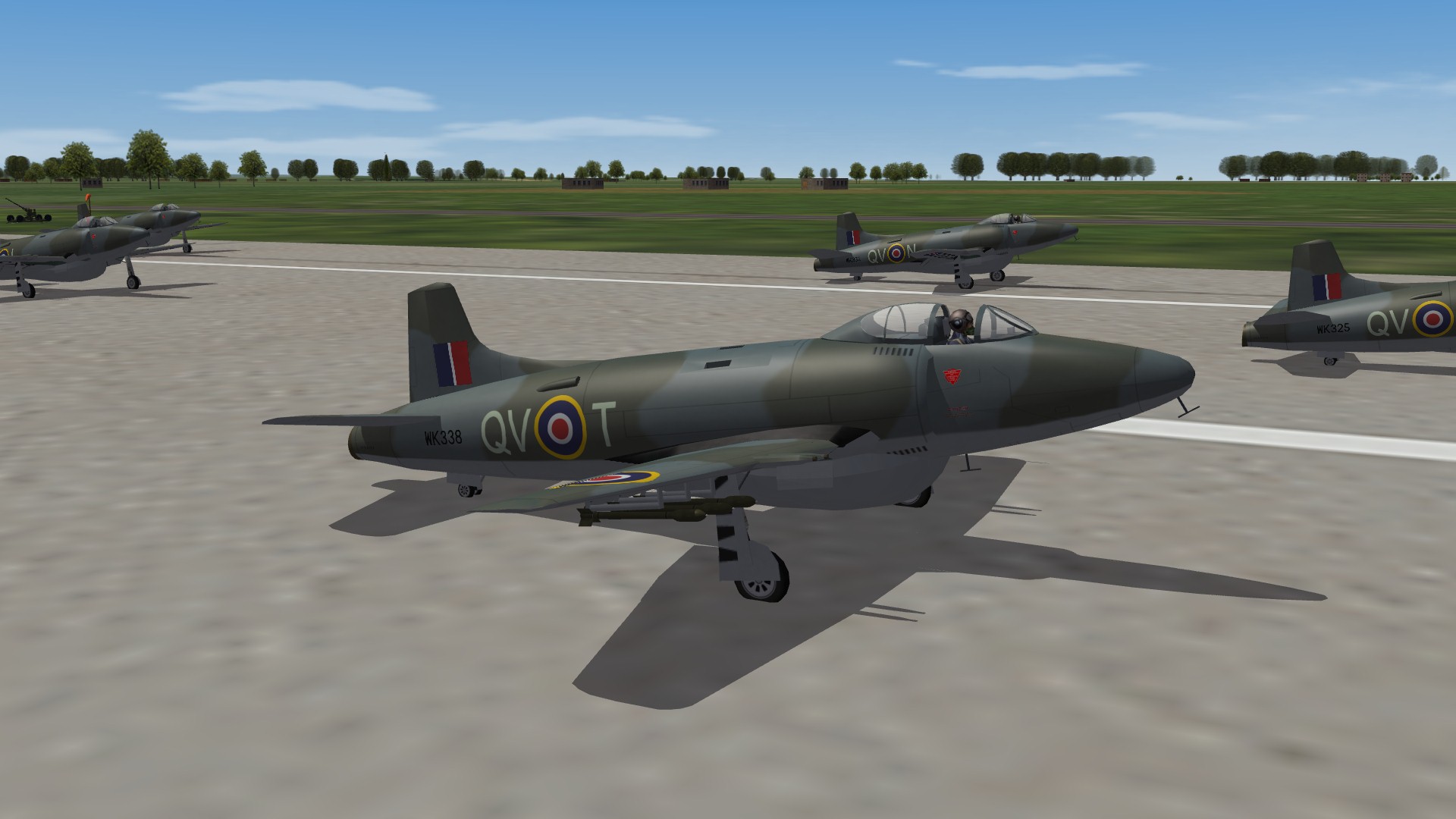
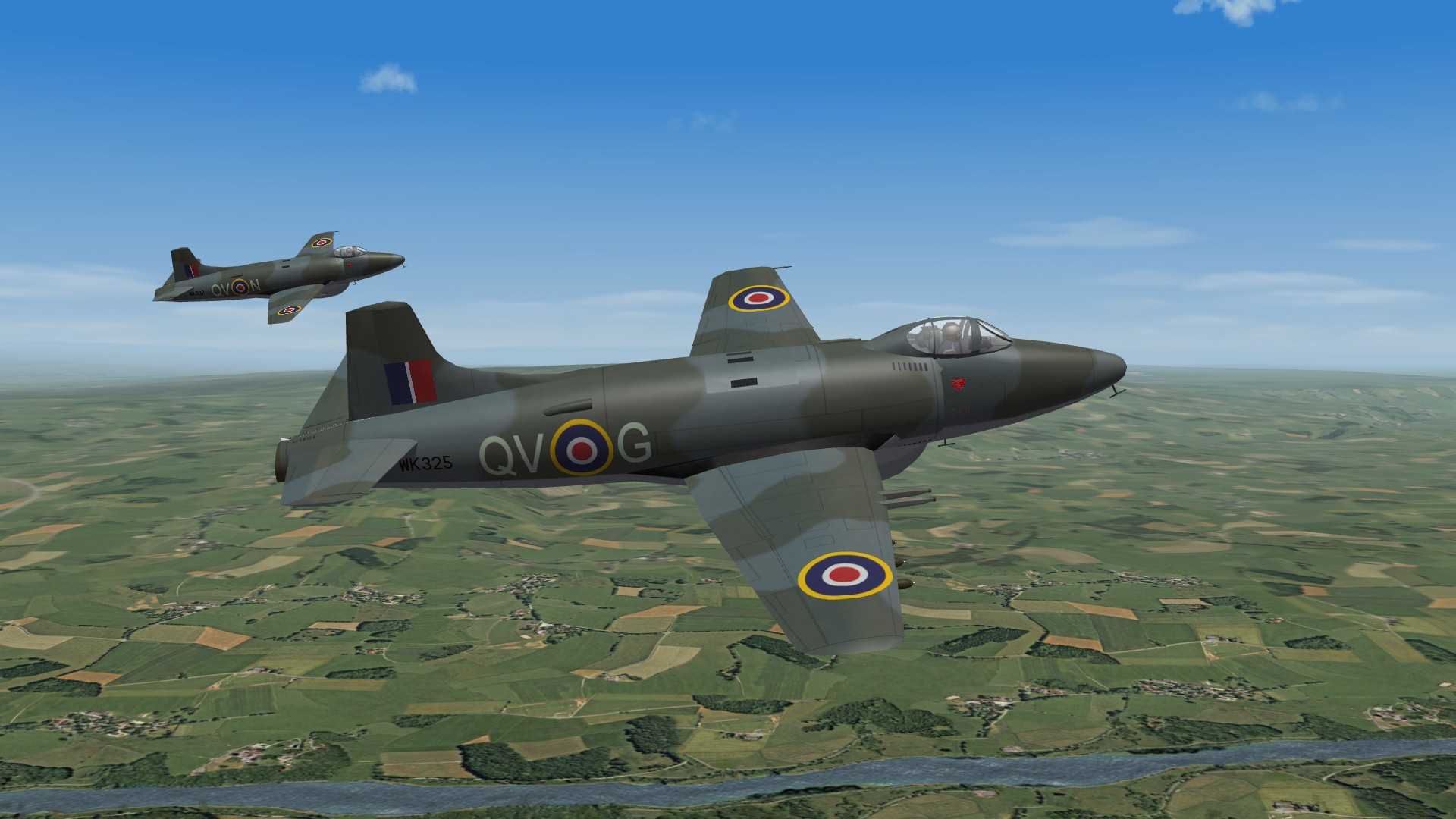
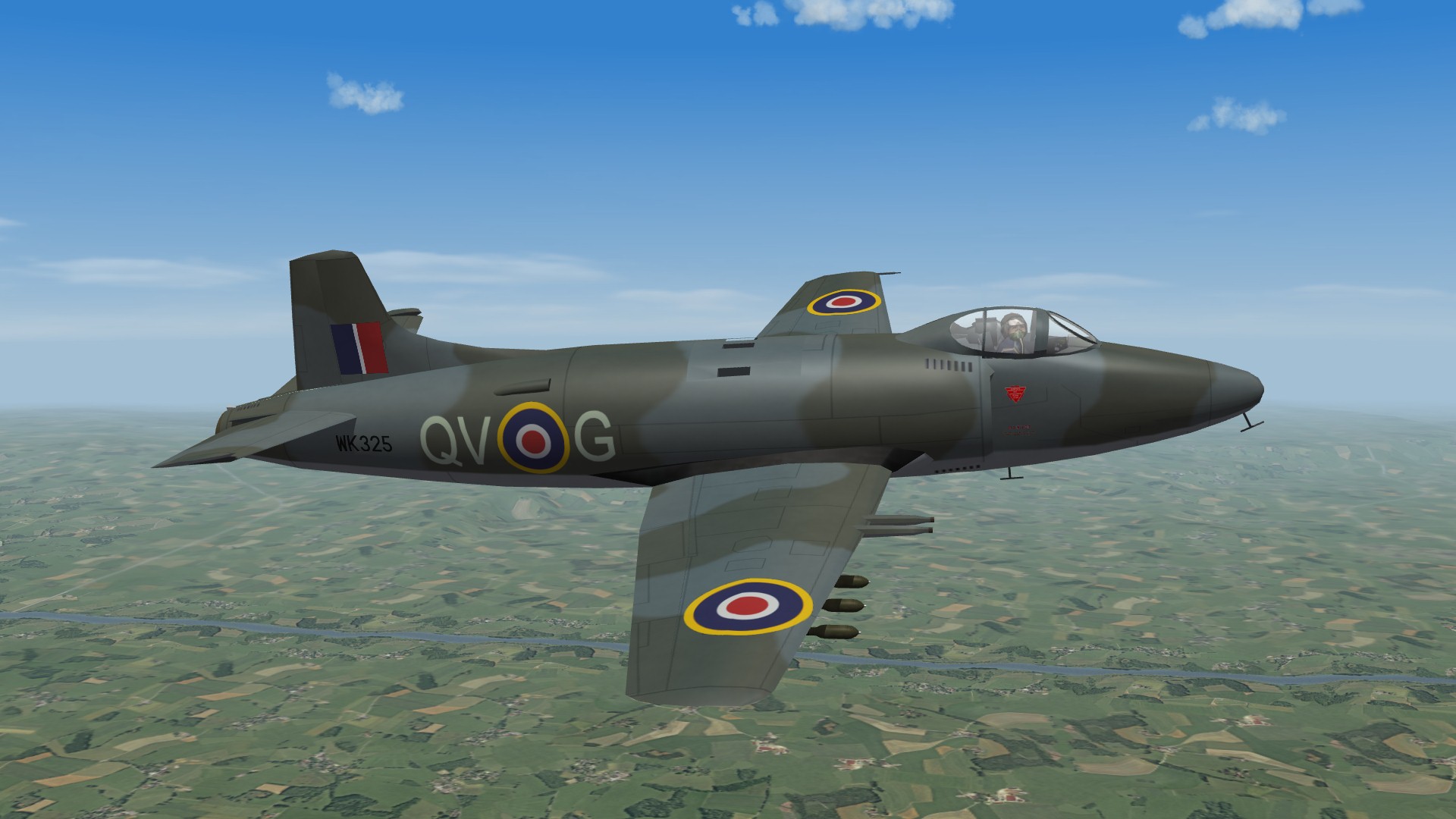
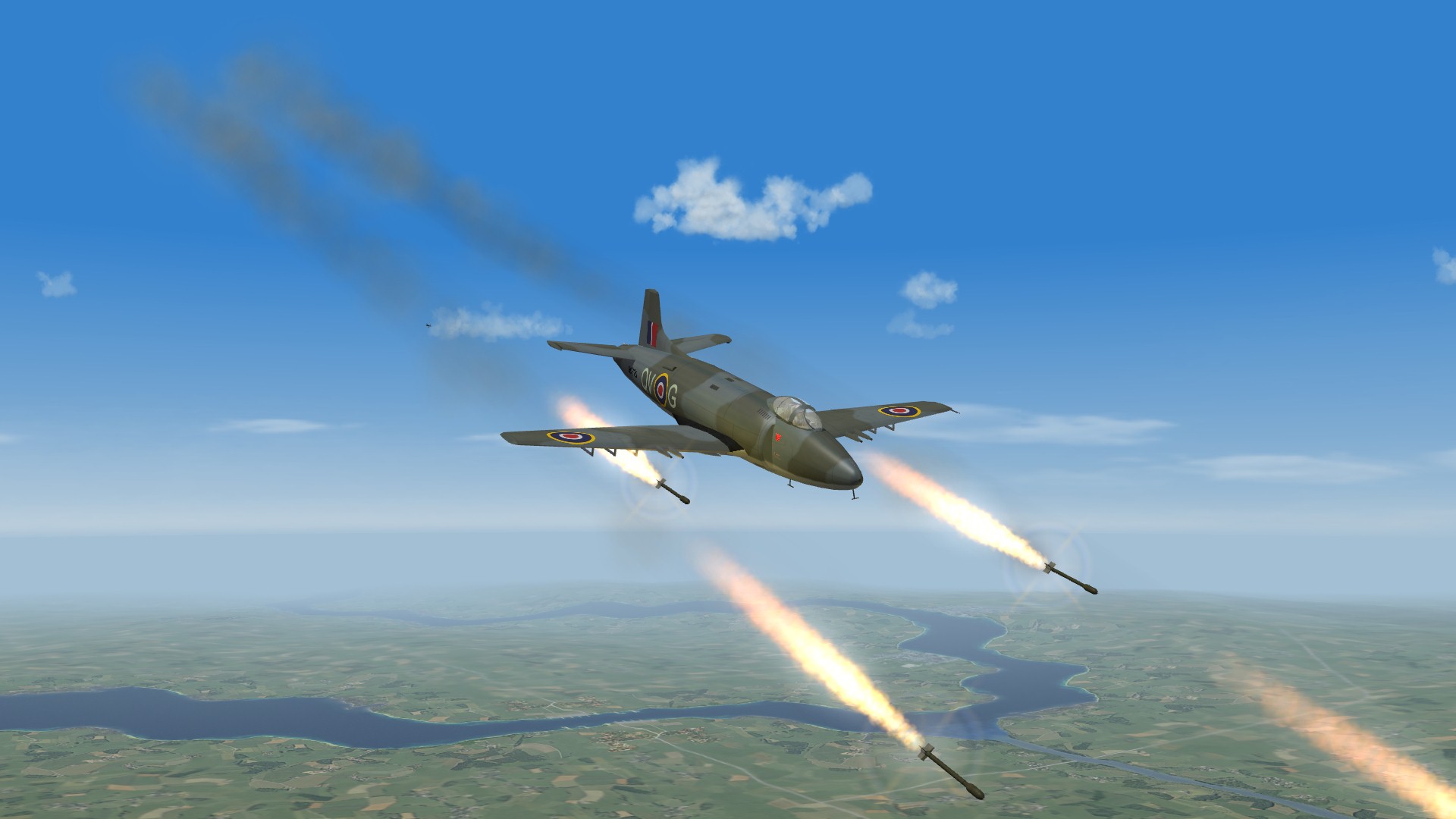
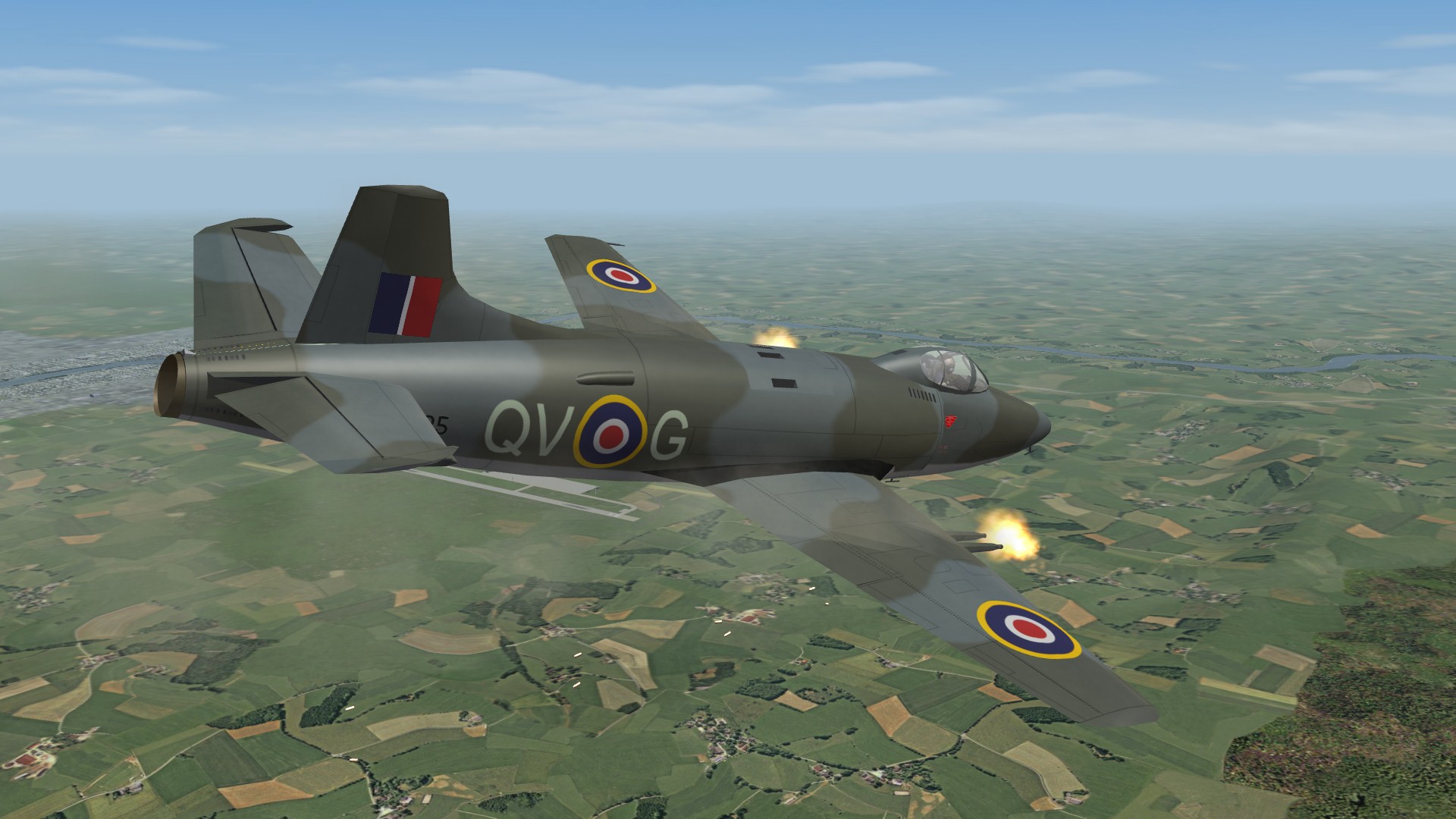
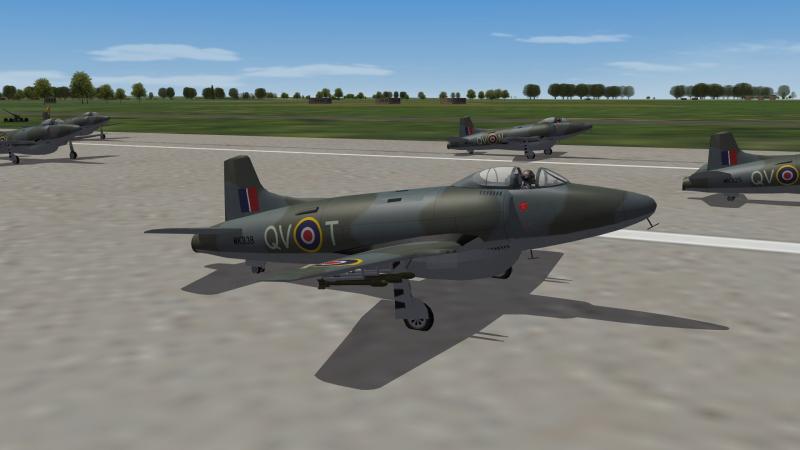
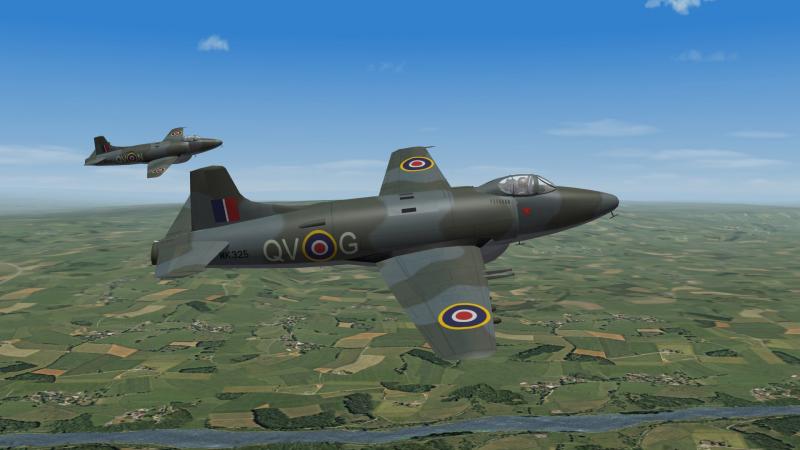
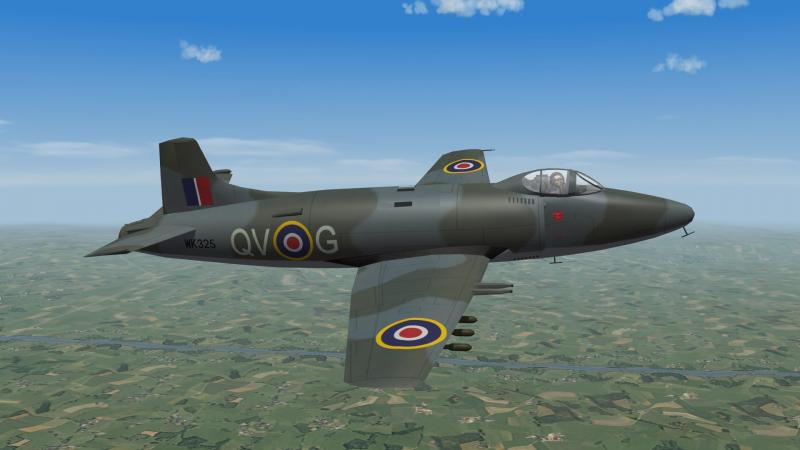
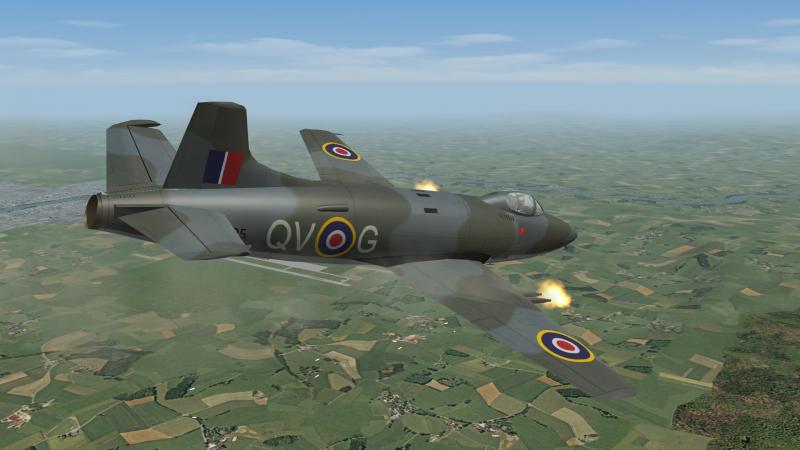
Supermarine Attacker then known as the 'Jet Spitfull' F.1 in RAF WWII service

-
Perfect opportunity for you here spinners :-)
-
Pitty they kept thier Navy markings
-
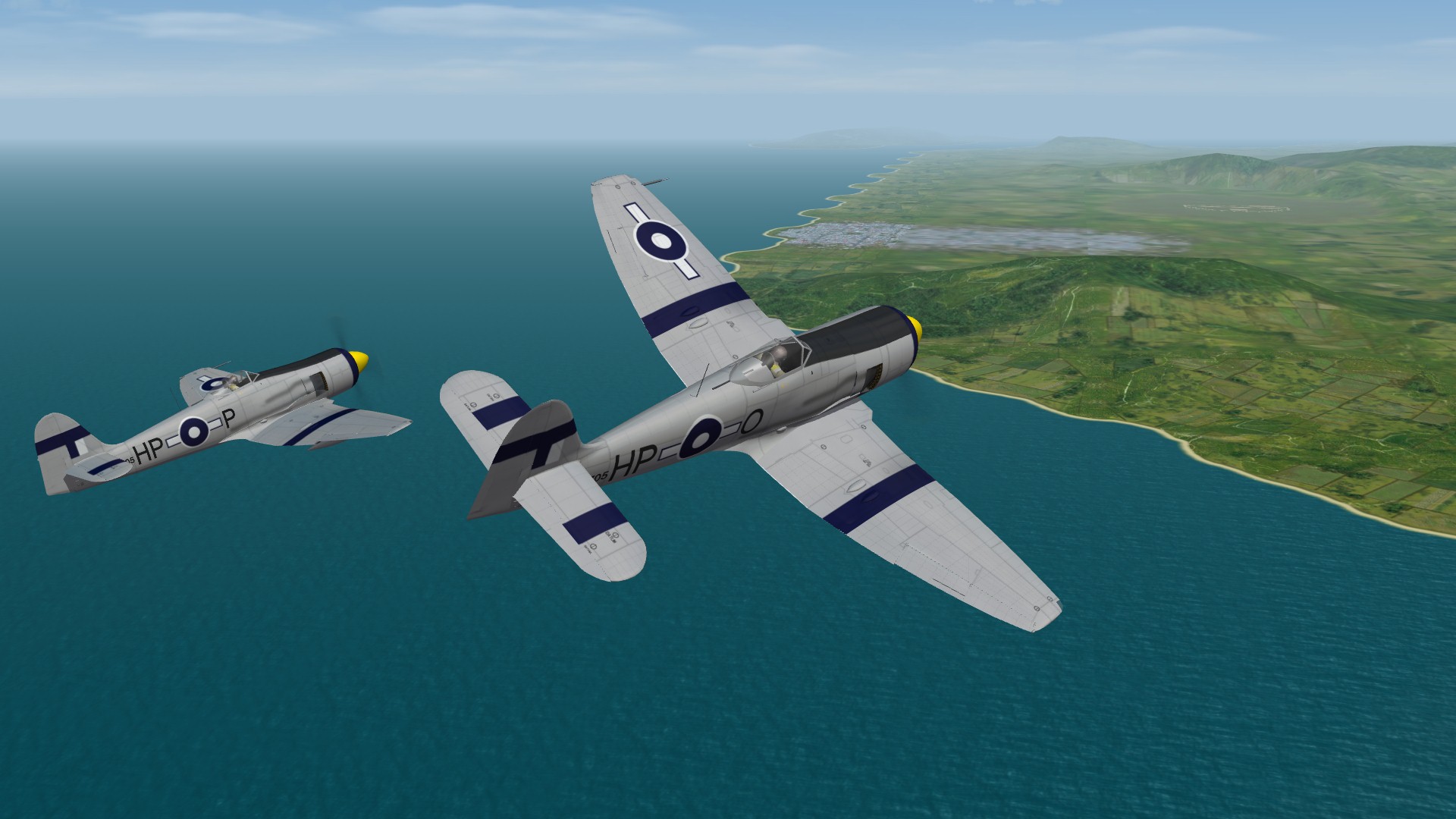
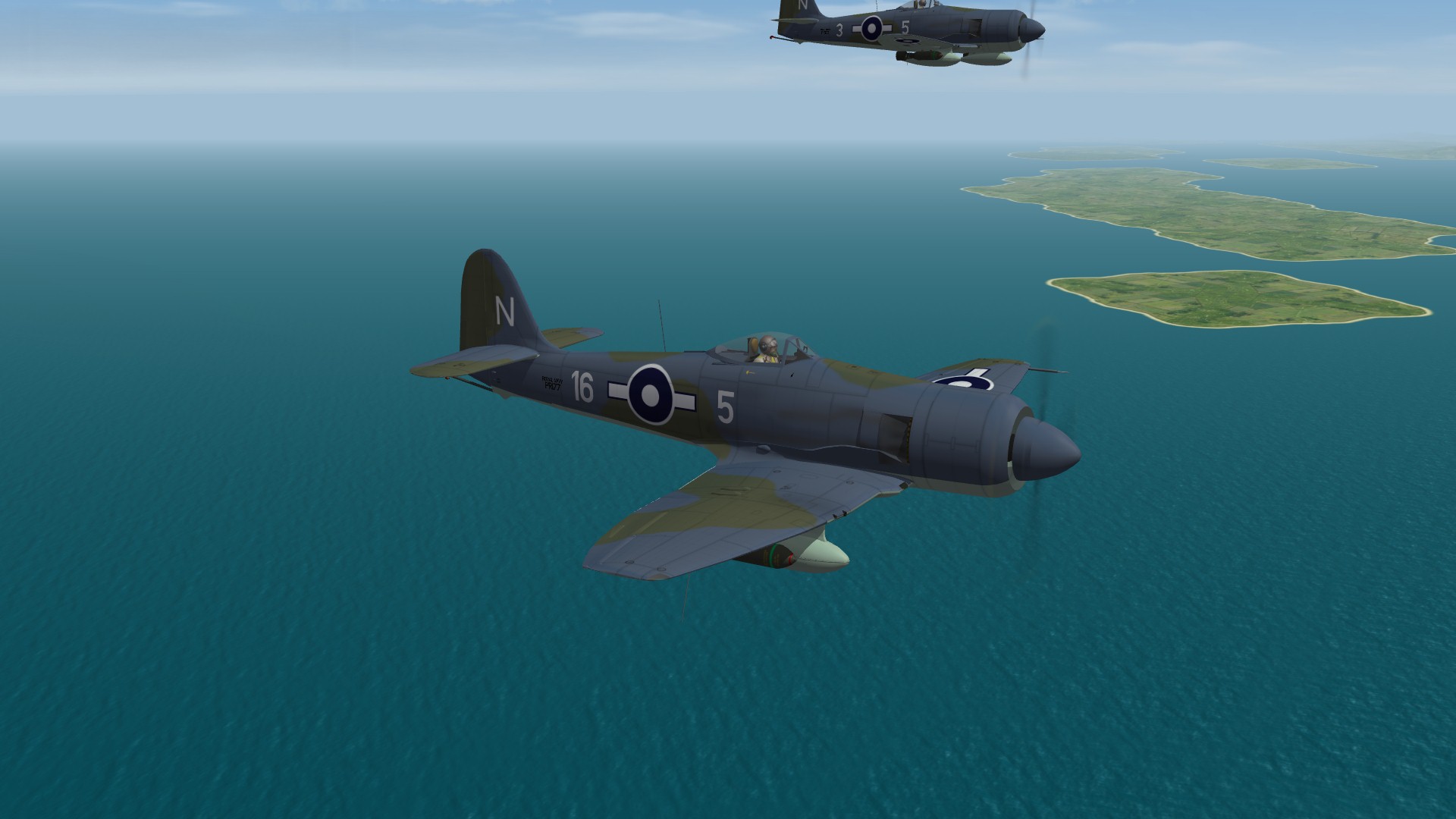
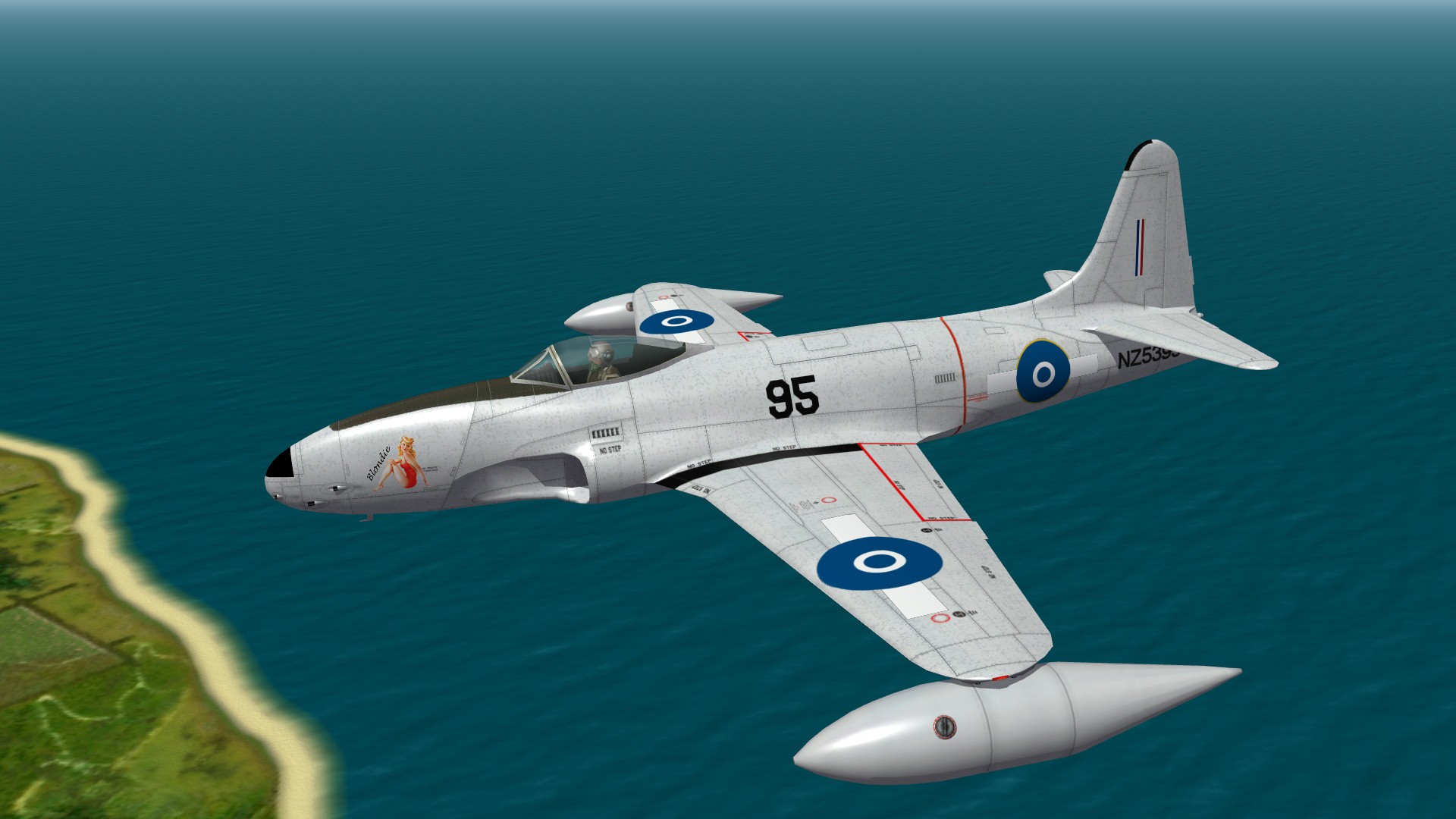
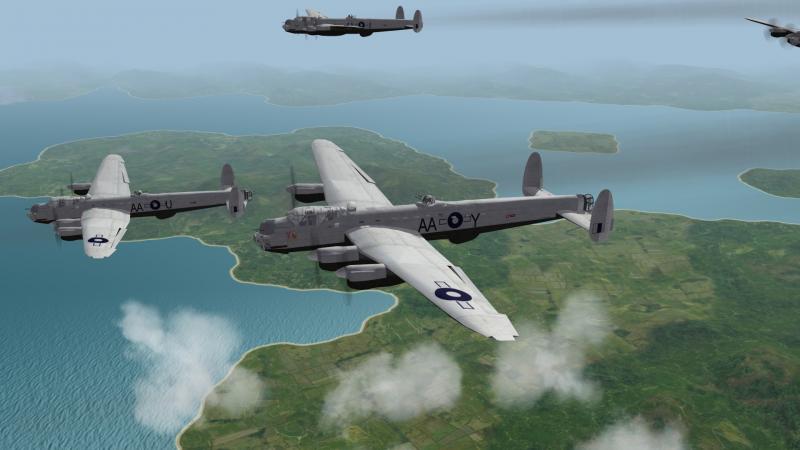
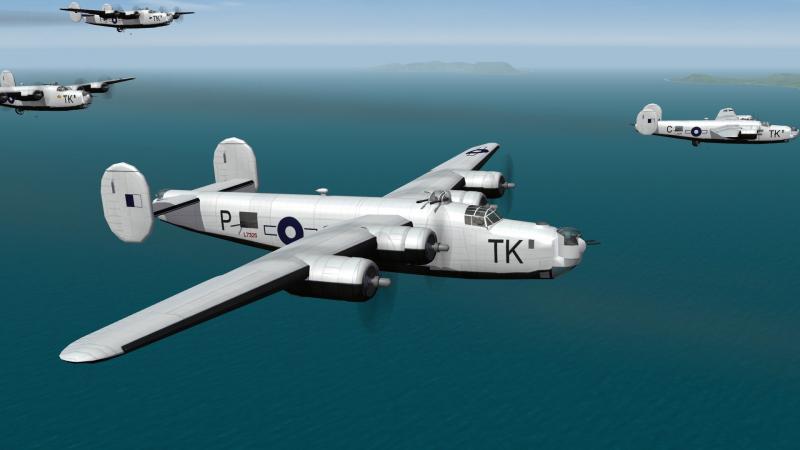
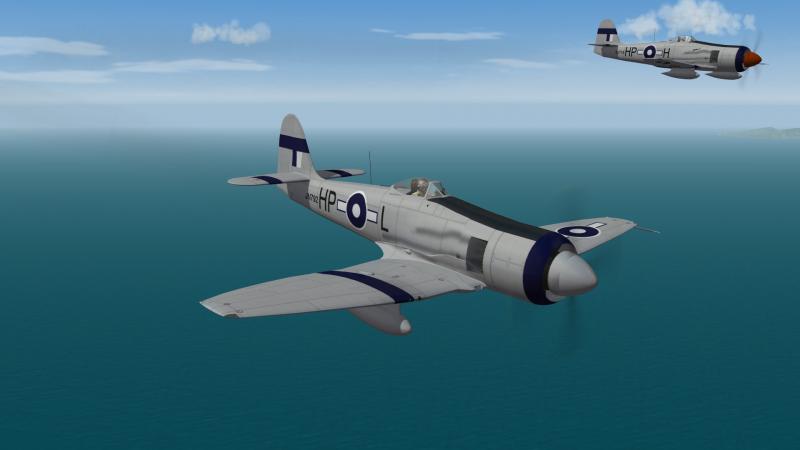
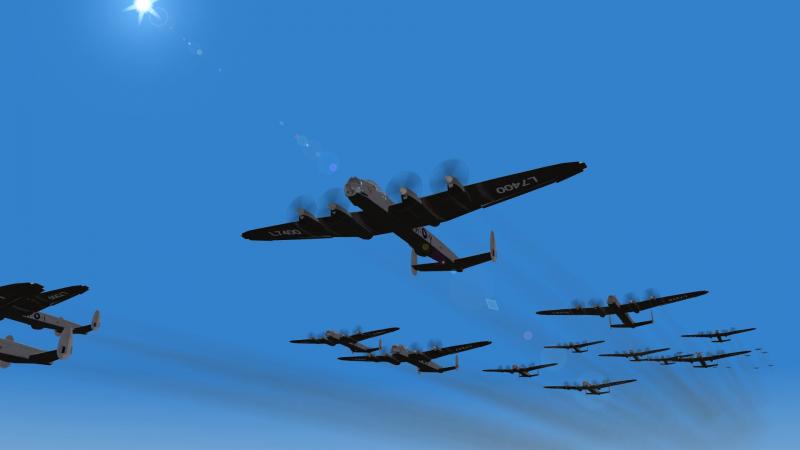
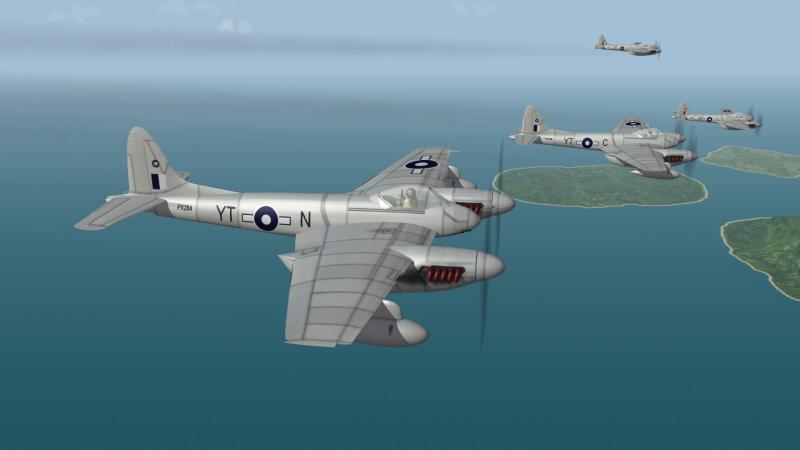
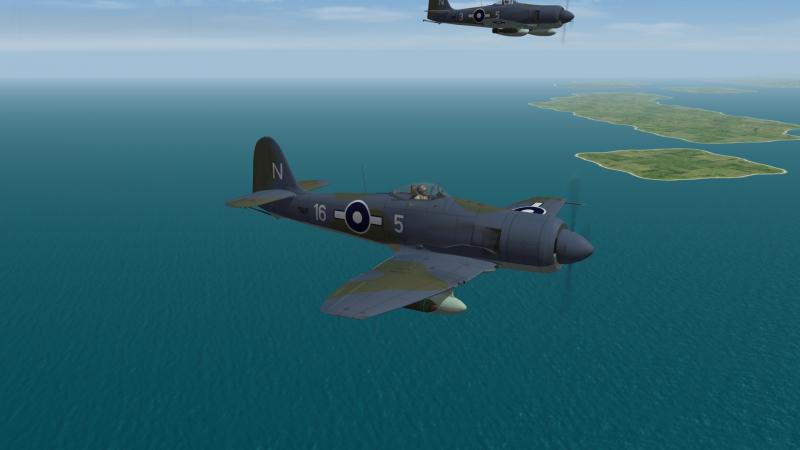
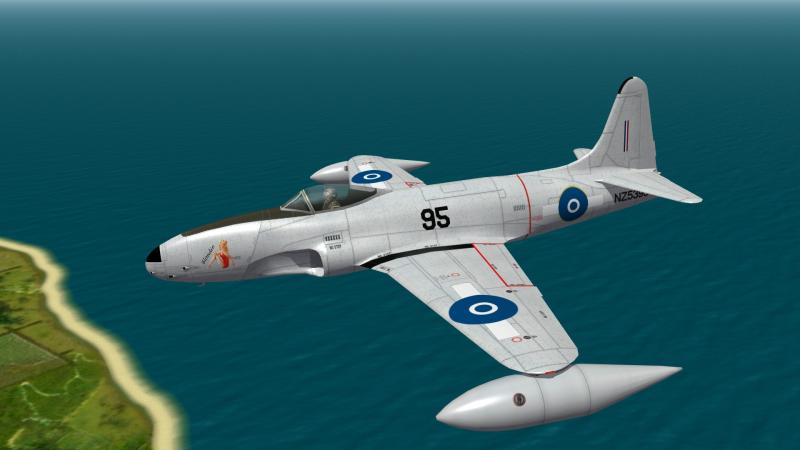
Lincoln and Liberator bombers escorted by Tempest II and Hornet fighters... As the invasion of Japan progresses other fighter types join Tiger Force... And I couldn't resist a Lend-Lease RNZAF P-80...


- 6 replies
-
- 11
-